REVIEW · TIBET
7 Days Lhasa to Kathmandu Overland Small Group Tibet Tour via EBC
Book on Viator →Operated by Tibet Vista · Bookable on Viator
Everest views start with Lhasa street life. I like this trip because it’s a small-group overland route that pairs top Lhasa sights with a real run at Everest Base Camp. You’ll get day-by-day guiding, hotel pickup, oxygen in the vehicle, and the permit paperwork taken off your plate.
One thing to plan around: the route climbs often, with passes in the 4,600–5,248 m range, so you’ll want to take altitude seriously and move at a steady pace.
In This Review
- Key things that make this overland trip work
- Lhasa arrival feels organized, not chaotic
- Potala Palace, Jokhang Temple, and Barkor kora in one tight day
- Drepung and Sera: the monastery stops that feel alive
- The drive to Shigatse and Gyantse: high passes plus lake stops
- Shigatse to Everest Base Camp: the permits, the passes, the long day
- Everest Base Camp sunrise plus Rongbuk Monastery
- Exiting at Gyirong and getting to Kathmandu if you want
- Price and value: what $989 really covers
- What I’d watch for before you book
- Who should choose this Lhasa-to-Kathmandu style overland tour
- Should you book this Tibet Vista overland itinerary?
- FAQ
- What does the tour include for the price?
- Is pickup offered in Lhasa?
- How many people are in the group?
- Do you get oxygen during the trip?
- Are lunches and dinners included?
- What’s the deal with getting from Gyirong to Kathmandu?
- Are tickets for Potala Palace and Jokhang Temple included?
- Do I need a visa invitation letter?
- What documents are required ahead of time?
- When do I find out if I’m confirmed?
- What if weather affects the trip?
Key things that make this overland trip work
- Small group pace: up to 12 people, so stops and questions don’t feel rushed
- Oxygen included: provided in the tourist vehicle for high-altitude travel
- Lhasa to Everest without bouncing cities: van/minibus journey through Shigatse and Gyantse
- Monasteries with real rhythm: Drepung and Sera, including the Sera monks debate window
- Everest Base Camp Echo bus included: built-in logistics so you don’t have to hunt transport
- Flexibility after the border: you can arrange a jeep to Kathmandu from Gyirong
Lhasa arrival feels organized, not chaotic
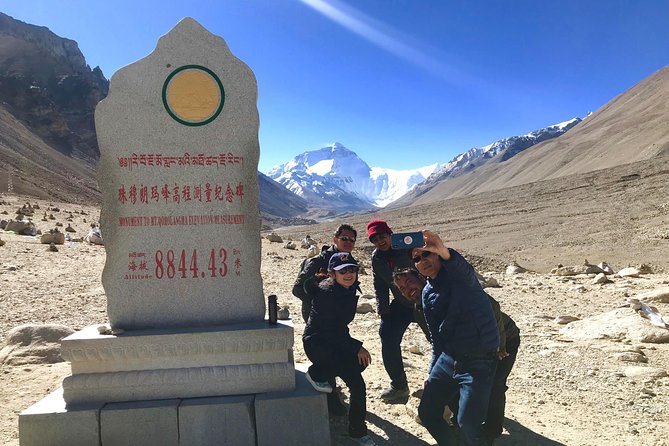
On Day 1, your Tibetan guide meets you at the airport or train station and gets you to a downtown Lhasa hotel. The transfer isn’t just point-to-point; along the drive you get scenery of the Yarlung Tsangpo River, which is a nice way to ease into Tibet after travel.
This is one of those “you do less, you see more” setups. Hotel pickup and drop-off are built in on the designated times, and the trip also provides a handy map and drinking water during the journey.
Potala Palace, Jokhang Temple, and Barkor kora in one tight day
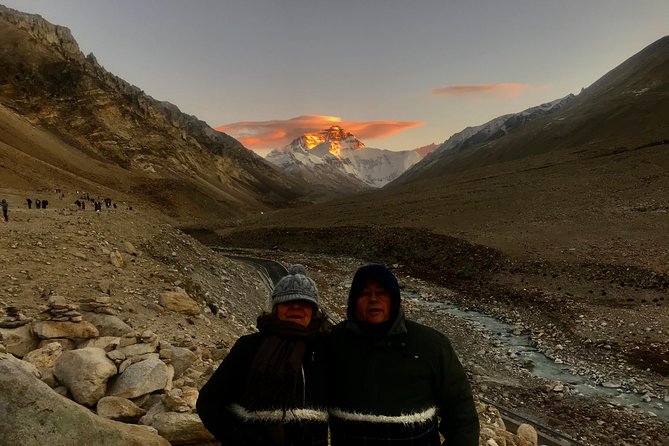
Day 2 is classic Lhasa, done in a smart order: Potala Palace first, then Jokhang Temple, then the Barkor area in the afternoon/evening.
At Potala, you’re visiting the winter palace of the Dalai Lama, tied back to early Tibetan palace use. You’ll want a little patience here—Potala is iconic, but it can also be busy, and your best moves are simple: wear layers, take breaks, and don’t try to read every sign like it’s a textbook.
Jokhang Temple is the kind of place where the building matters, but so does the flow of people. You’ll see details connected to the 7th century and a Buddha Sakyamuni statue described as being at age twelve. After lunch, the shift to Barkor is great because it gives you street life: the Barkor circuit (kora) wraps around the temple area, and you can watch pilgrims and locals move through the space.
Barkor also includes time to explore the old market area, and even a chance to taste Tibetan tea with locals. That small moment tends to be the difference between “I saw a temple” and “I felt the place.”
Tip for your budget: the route description lists admission tickets for Potala and Jokhang as not included, even though the tour overview states entrance fees for listed sites are included. Before you go, ask the operator to confirm exactly what you’ll pay on the day.
Drepung and Sera: the monastery stops that feel alive
Day 3 is your big monastery day, and it has two very different moods.
Drepung Monastery (morning) is described as a well-protected ancient Tibetan village setting, about 25 km southwest of Lhasa. This is one of those visits where you slow down without being told to. Even if you don’t know the names of every hall, the setting helps you grasp why monastic life shaped Tibetan history for centuries.
In the afternoon, you go to Sera Monastery, one of the “great three” Gelug monasteries. The highlight here is the monks debate, typically around 3 to 5 pm. Even if you don’t catch every word, the rhythm is the point: you’ll see people practicing arguments, study, and discipline in a public way.
In past groups, guides with a sense of humor have helped make longer monastery afternoons feel light. The review notes mention guides like Lobsang and Lhakpa building fun into the day—plus caring drivers like Ihakpa and Sangye who keep the trip smooth when timing matters.
The drive to Shigatse and Gyantse: high passes plus lake stops
Day 4 turns the “Lhasa monuments” trip into a road-trip through big altitude and big views. You drive from Lhasa toward Shigatse, crossing the Gampala pass at about 4,790 m.
Then you get a glimpse of Yamdrok-tso (around 4,400 m). It’s a classic Tibet lake moment: wide, bright, and the kind of stop where your camera will try to convince you you need three extra batteries.
You also pass by the Karo La Glacier on the roadside. After that, the route includes Manak Dam Lake and a chance to hang prayer flags at Simila Mountain Pass. That’s a small cultural action, but it’s meaningful—worth doing once, respectfully, without turning it into a photo shoot contest.
You finish the day in Gyantse, described as Tibet’s third largest city historically. Gyantse is a good “in-between” stop: close enough to feel like a real town, far enough from the Lhasa buzz to let your brain reset before Everest day.
Shigatse to Everest Base Camp: the permits, the passes, the long day
Day 5 starts with Tashilunpo Monastery in the morning, described as the home of the Panchan Lama. This is another place where you’ll feel the importance of the Gelug tradition, especially through how the site is arranged and how visitors move through it.
You’ll also handle an Alien’s travel permit before leaving Shigatse. This detail matters because it’s part of what keeps the rest of the trip legal and possible for visitors moving through Tibet. The tour overview says logistics like permits and visas are handled, which is exactly what you want when the paperwork is the hardest part, not the scenery.
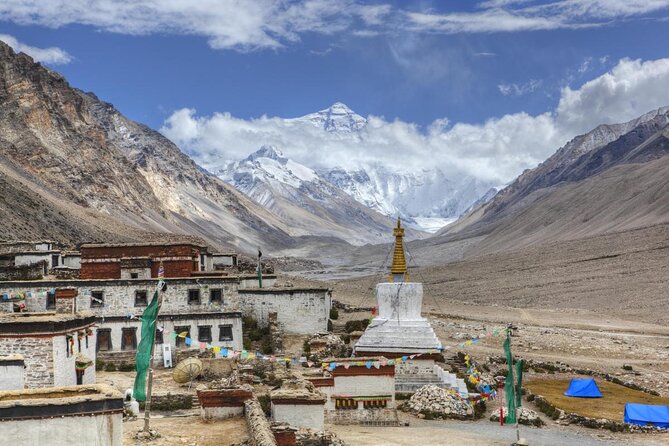
From there, you drive toward Lhatse for lunch, then head toward Everest Base Camp with multiple high passes. The route includes Tsola pass (about 4,600 m) and Gyatsola pass (about 5,248 m). Shortly after you enter the Mt. Everest National Nature Reserve, you’ll get panorama views at Gawula Pass (about 5,198 m).
This is also where you should be realistic: Everest is weather-dependent. The best plan is to be ready for a clear window, but not assume it. The good news is that even on imperfect days, the drive through the reserve and the shift in terrain makes the day feel worth it.
Everest Base Camp sunrise plus Rongbuk Monastery
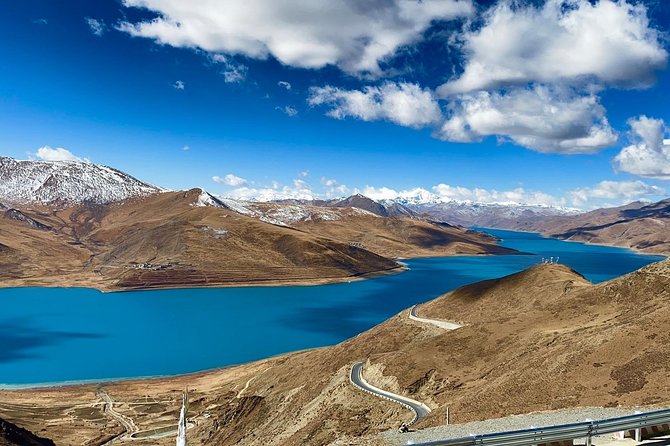
Day 6 is a double hit: Everest area time in the morning, then the slide toward Kyirong later.
First, there’s the chance to see sunrise of Everest Peak if weather permits, from the lodging area. Next is Rongbuk Monastery, described as the highest monastery with nuns and monks living together. This is one of those stops where you see a different side of Tibetan religious life—not just temples, but daily rhythms and a community structure in a harsh setting.
From your EBC time onward, you’ll use the included Everest Base Camp Echo bus logistics (plus the platform service fee mentioned). That kind of included transport matters in practice, because it removes the guesswork about where to go and how to get the right viewing access.
After Rongbuk, you begin the longer push from the Everest area to the Gyirong border direction. On the drive, you’ll enjoy views of Mt. Shishapangma and Pekutso Lake. You pass Ghungtang Lhamo (about 5,236 m), then arrive in Kyirong late afternoon.
As you drop below 5,000 m, the route description says you start seeing more forest and waterfall scenery—different from the snow land. That’s a useful “end of altitude” moment. It helps you feel progress, not just another long drive.
Exiting at Gyirong and getting to Kathmandu if you want
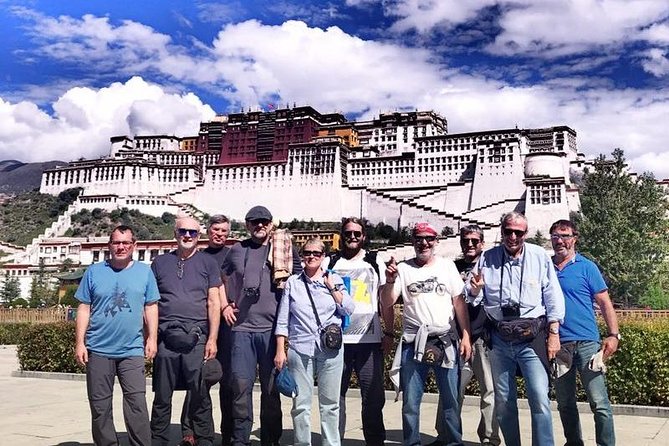
Day 7 is about getting you through China exit at Gyirong border with your guide assisting and seeing you off. The trip service ends there.
If you want to continue into Nepal, you can choose a jeep transfer from Gyirong County to Kathmandu. The cost listed is an additional $60. This is a good option if you want to keep momentum instead of adding extra organizing at the border.
Price and value: what $989 really covers
At $989 per person for about 7 days, this tour is best understood as a “permit + guide + transport + hotels + logistics” package.
Here’s what you’re getting that saves real hassle:
- Tibet travel permit and other necessary permits included
- Transport by comfortable van or minibus with an experienced local driver (gasoline included)
- English-speaking local Tibetan tour guide
- Oxygen provided in your vehicle
- Airport/train station pickup and drop-off in Lhasa
- 3-star hotels on a twin-sharing basis (with notes that some stays may be in guest houses with dorm beds)
- Breakfast (6) plus one welcome dinner
- Entrance ticket fees for sites listed in the itinerary (but confirm the Potala/Jokhang ticket detail)
- Everest Base Camp Echo bus included
- Drinking water during the trip
- Tourist accident/casualty insurance
- Tibet handy map
What costs extra:
- Lunches and dinners
- Single supplement (not included)
- Nepal jeep transfer to Kathmandu from Gyirong: $60
- Flights/train tickets to Lhasa (the tour says it can help if you need it)
So, is it good value? For most people, yes—because Tibet’s paperwork and high-altitude travel add friction fast. When you’re paying to have permits handled, a guide managing timing, and transport already planned over multiple passes, the per-day cost lines up with what you’d spend piecing it together yourself.
What I’d watch for before you book
This tour is built for comfort and structure, but it’s still overland Tibet, so a few considerations matter:
- Altitude is real: the route crosses several passes above 4,000 m and reaches well over 5,000 m. Oxygen helps, but pacing helps more—go easy, drink water, and don’t treat every stop like a race.
- Weather decides Everest viewing quality: the sunrise request is conditional. If visibility is limited, the day still has monastery and reserve time, but don’t plan your photos like they’re guaranteed.
- Ticket details need confirmation: the itinerary notes Potala and Jokhang as admission not included, while the inclusions claim entrance fees are included for listed sites. Ask for a written clarification.
- Meals are mostly on you: breakfasts are included, but you’ll budget for lunch and dinner.
Who should choose this Lhasa-to-Kathmandu style overland tour
This is a strong fit if you want:
- A small group experience (max 12) with a real guide, not a crowded bus tour
- Lhasa culture plus Everest without hopping through too many independent bookings
- A trip that handles permits and timing so you can focus on the sights
It may be less ideal if you:
- Need lots of free time to roam solo
- Get nervous about long driving days and frequent altitude changes
- Want meals fully included (they aren’t)
Should you book this Tibet Vista overland itinerary?
If you want a clean, guided path from Lhasa through the big monastery sites and into the Everest region, I’d seriously consider booking this. The combination of permit-handling, oxygen support, small-group guiding, and included EBC Echo bus makes it feel less stressful than most DIY-style plans.
The biggest “check first” item is ticket coverage for Potala and Jokhang. If you confirm that in writing and you’re comfortable with altitude and an overland pace, the value looks solid.
FAQ
What does the tour include for the price?
It includes Tibet travel permit and other necessary permits, transportation by van or minibus with an experienced driver (gasoline included), an English-speaking local Tibetan guide, oxygen in the vehicle, Lhasa airport/train pickup and drop-off, hotels (twin-sharing) and/or guest house dorm beds, drinking water, tourist accident/casualty insurance, a Tibet handy map, breakfast (6), one welcome dinner, and entrance ticket fees for sites listed in the itinerary including Everest Base Camp Echo bus and the platform service fee.
Is pickup offered in Lhasa?
Yes. Pickup and drop-off are included for the Lhasa airport or train station on designated times.
How many people are in the group?
The tour has a maximum group size of 12 travelers.
Do you get oxygen during the trip?
Yes. Oxygen is provided in the tourist vehicle to help support health during travel.
Are lunches and dinners included?
No. Lunches and dinners are not included.
What’s the deal with getting from Gyirong to Kathmandu?
The tour ends at the Gyirong border. You can arrange a jeep transfer to Kathmandu for an additional $60.
Are tickets for Potala Palace and Jokhang Temple included?
The itinerary notes admission ticket not included for both Potala Palace and Jokhang Temple, while the inclusions section says entrance ticket fees for sites listed are included. You should confirm what you’ll need to pay on the day.
Do I need a visa invitation letter?
The tour includes a Chinese Visa invitation letter if needed.
What documents are required ahead of time?
You’ll need to provide photocopies of your passport and China L visas at least 20 days prior to travel so the Tibet permit can be handled.
When do I find out if I’m confirmed?
Confirmation is received within 48 hours of booking, subject to availability.
What if weather affects the trip?
This experience requires good weather. If it’s canceled due to poor weather, you’ll be offered a different date or a full refund.