REVIEW · HONG KONG SAR
Big Bus Hong Kong Open Top Hop-On Hop-Off Sightseeing Tour
Book on Viator →Operated by Big Bus Hong Kong · Bookable on Viator
Hop-on hop-off works surprisingly well in Hong Kong. This open-top double-decker links major sights in Central, the Peak, Stanley, and Kowloon, with audio commentary and free WiFi so you can learn as you move.
I love the 24- or 48-hour flexibility, because it lets you plan around your energy level and Hong Kong’s heat. I also like how the three route network means you can mix island views, southside beach culture, and Kowloon attractions without wrestling multiple transit transfers.
One possible drawback: the bus frequency can be slow at some times or places, so if you hop off without a plan, you might end up waiting.
In This Review
- Key highlights that matter in real life
- Why an open-top hop-on hop-off bus fits Hong Kong
- Routes that actually change your day: Red, Green, and Blue
- The Red Route: Hong Kong Island classics
- The Green Route: Stanley, Repulse Bay, and the southside mood
- The Blue Route: Kowloon culture, markets, and museums
- Central to Tai Kwun: a temple-and-history starter loop
- Causeway Bay and the Peak Tram: the view payoff zone
- Stanley and Repulse Bay: a side of Hong Kong most people miss
- Ocean Park, Kwun Hoi Path, and Aberdeen: mixing big attractions with local harbors
- Kowloon on the Blue Route: Bruce Lee to M+ to the Palace Museum
- Star Ferry and optional water transport: the travel-with-a-view part
- Using the “hop-on” part without getting stuck
- Audio commentary: helpful for learning, check it early
- WiFi and “when you’re ready” stops
- Value check for a $53.14 ticket
- Who this Big Bus Hong Kong pass suits best
- Should you book Big Bus Hong Kong?
- FAQ
- What’s included with the Big Bus Hong Kong hop-on hop-off ticket?
- How long is the tour?
- Can I choose between the 24-hour and 48-hour passes?
- Do I need to use the pass on specific days?
- Where can I board the buses?
- Is hotel pickup included?
- Is there free WiFi on the tour?
- What about kids and cancellation?
Key highlights that matter in real life
- Three distinct routes so you don’t waste time crisscrossing the same neighborhoods
- Star Ferry included, which is a smart way to add classic harbor views without extra tickets
- Peak Tram included options with the 48-hour pass, plus a combo choice for how you want to finish
- 9-language audio and free WiFi, handy for figuring out what you’re seeing (and where to get off)
- Stanley + Repulse Bay add a very different Hong Kong mood than Central and Kowloon
- Kowloon stops pack museum and night-market energy in a way that’s efficient for limited time
Why an open-top hop-on hop-off bus fits Hong Kong
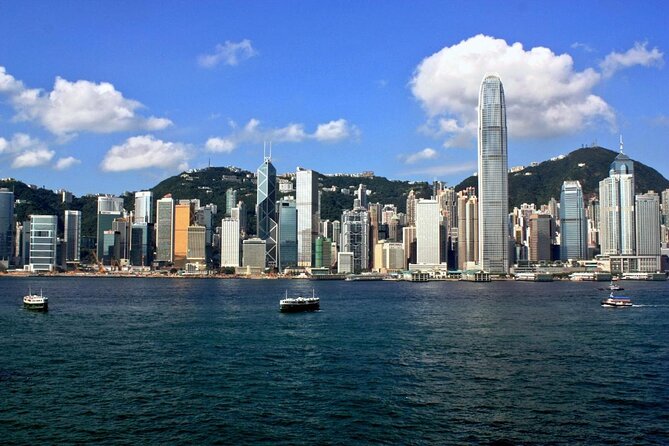
Hong Kong rewards a plan, but it punishes overplanning. The city’s steep streets, hot sidewalks, and fast-moving neighborhoods make it easy to spend your day tired instead of seeing things.
The Big Bus Hong Kong tour is built for that reality. You board an open-top double-decker at stops around town and choose when to get off to walk, photograph, or linger. You also get audio commentary in 9 languages and free WiFi, which helps you connect the landmarks to the story behind them without needing to stop and read every sign.
The open-air part matters too. Even when it’s warm, the views are the whole point, especially around Central, the harbor, and the Peak area.
You can also read our reviews of more tours and experiences in Hong Kong SAR.

Routes that actually change your day: Red, Green, and Blue
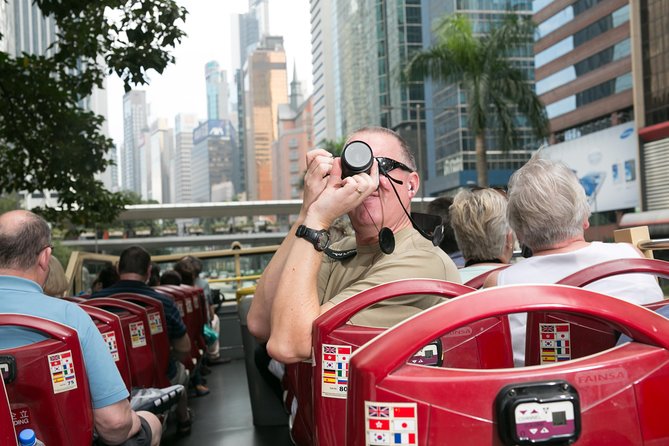
The biggest value here is simple: you can cover more territory than you could on foot in the same time window. And each route tilts toward a different side of the city, so you’re not just repeating the same skyline from different angles.
The Red Route: Hong Kong Island classics
This is your best bet for the Island highlights like Central, the Mid-Levels Escalator, Man Mo Temple, Tai Kwun, Causeway Bay, and The Peak Tram. If you want an easy first pass at the iconic parts of Hong Kong Island, the Red Route does that work for you.
It’s also where the walking load can feel manageable because you’re jumping on and off close to major anchors like temples, hotel areas, and the Peak Tram access.
The Green Route: Stanley, Repulse Bay, and the southside mood
The Green Route is the one I point people to when they’ve already seen Central and Kowloon before, or when they want a break from dense streets. You can reach areas tied to Stanley, with stops that roll toward Repulse Bay, plus the southside feel that makes Hong Kong feel totally different.
This is also where you’ll likely appreciate the hop-on flexibility most. You can spend time wandering a market stop, then swap to beachy coastline views without needing to commit to a full-day plan upfront.
The Blue Route: Kowloon culture, markets, and museums
The Blue Route is built for Kowloon highlights: Avenue of Stars with the Bruce Lee statue, Temple Street, the Wholesale Fruit Market, shopping at Langham Place, and major museum stops like M+ and the Hong Kong Palace Museum. It also reaches Hong Kong West Kowloon Station, which is useful if you’re timing transit later.
If your goal is “see the big sights but also pack in culture,” the Blue Route is the efficient one.





Central to Tai Kwun: a temple-and-history starter loop
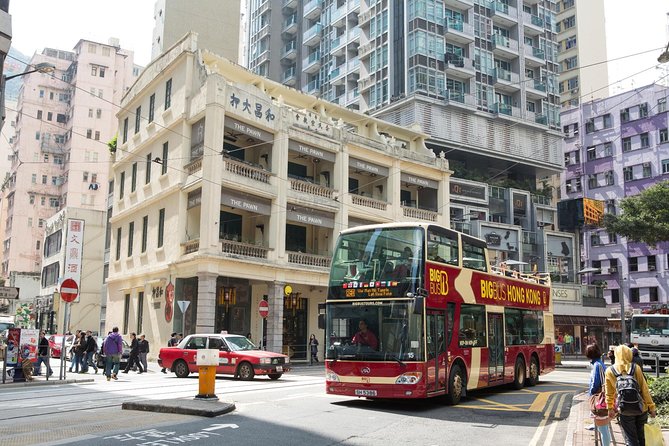
Many people start in Central because it’s the most straightforward entry point for the bus network. The tour includes Central Star Ferry Pier No. 7, and that stop is a great place to orient yourself—especially because the Star Ferry ticket is included.
From there, the route flows toward the hilly spine of Hong Kong with Mid-Levels Escalator access. That escalator is not just a ride. It’s a shortcut into how Hong Kong organizes vertical neighborhoods, and it helps you understand the city’s layout fast.
Then you hit Man Mo Temple. It’s the kind of stop where you’ll want a couple of minutes to slow down, look around, and absorb the atmosphere before moving on. After that comes Tai Kwun, a cultural complex where the “what is this building?” moment is part of the fun, even if you only do a quick walk-by.
Practical tip: if you’re coming in from the harbor area, plan to use the first hour for getting oriented. Don’t treat the early stops like a checklist—treat them like your map.
Causeway Bay and the Peak Tram: the view payoff zone
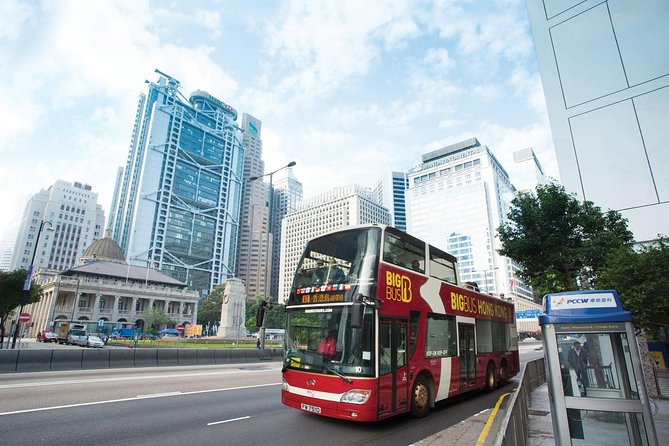
One of the clearest “why it’s worth it” sections is where the bus ties into The Peak Tram. The Peak area is the kind of sight that’s hard to do spontaneously unless you’re already living out there, and Hong Kong’s angles can make regular sightseeing less obvious than you expect.
On the way, you’ll pass through Causeway Bay—including a stop at Sogo—and nearby hotel zones like Park Lane Hong Kong. Causeway Bay is useful because it gives you options: quick food, a place to reset, and a shopping neighborhood that breaks up the more temple-and-museum rhythm.
What I’d do: if you’re choosing between the 24- and 48-hour pass, consider how much you value the Peak experience. The package includes a choice involving the Peak Tram for the 48-hour ticket, and that can make the pass feel less like “just a bus ride” and more like a full day of sight planning.
Stanley and Repulse Bay: a side of Hong Kong most people miss
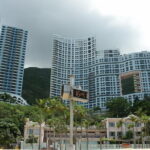
This is where the tour earns its second look. The Green Route is commonly recommended because it offers a very different Hong Kong picture: more coastline vibe, more space to breathe, and a slower rhythm than central business streets.
You’ll find stops connected to Stanley and surrounding southside areas, including stops that align with beach-adjacent scenery like Repulse Bay. There’s also a stop tied to Johnston Road (including a stop identified as The Pawn from May 2025). That’s a fun reminder that the bus isn’t only about textbook landmarks. It’s also a way to access places that feel local and specific.
This is the route I’d choose if you want:
- a market stroll without feeling rushed
- waterfront views you can actually enjoy
- a day that feels like you changed cities, not just neighborhoods
Heads-up: the heat in this part of Hong Kong can still be real, so build in shade breaks. Hop off where you want to linger, but don’t underestimate how long the coastline walking can take on a warm day.
Ocean Park, Kwun Hoi Path, and Aberdeen: mixing big attractions with local harbors
On the wider network, you’ll also see stops connected to Ocean Park and nearby access points like Kwun Hoi Path. That gives you an option if you want a major attraction day without fully locking yourself into one plan.
Then the route reaches Aberdeen, a harbor area that feels far more maritime than the city center. If you’re the type who likes to see how Hong Kong spends its time—ferries, boats, water access—this is the section that can shift the tone of your day.
How to use it well: don’t force a full itinerary here. Pick one “big focus” stop (like a main attraction area) and then use the surrounding stops as a flexible menu. That’s what hop-on hop-off is for.
Kowloon on the Blue Route: Bruce Lee to M+ to the Palace Museum
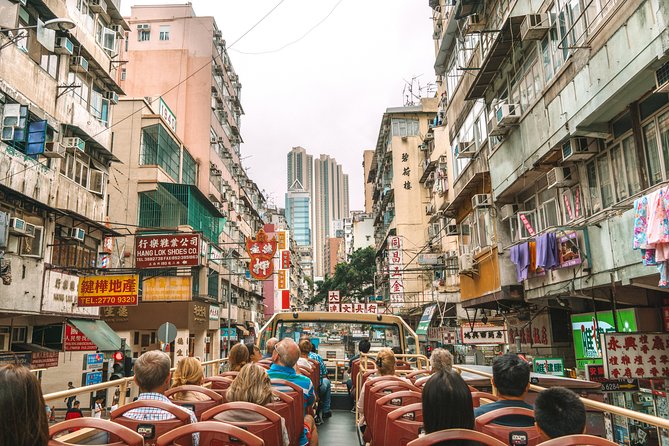
Kowloon can be overwhelming if you only have a rough idea of what you want to see. The Blue Route simplifies that by clustering stops that make sense together.
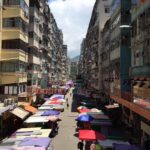
It starts with iconic skyline culture at Avenue of Stars and the Bruce Lee statue. Then you’re set up for street-life energy with Temple Street and shopping convenience at Langham Place. If you’re curious about everyday commerce, Wholesale Fruit Market is part of the stop list too.
Then comes the museum stretch: M+ and the Hong Kong Palace Museum. These stops are excellent if you want a break from walking and still get something meaningful. They also help balance the night-market type of stops earlier in the day.
Finally, the route reaches Hong Kong West Kowloon Station, which is useful if you’re thinking ahead about where you’ll be later—especially if you’re combining this with other plans.
Star Ferry and optional water transport: the travel-with-a-view part

This tour includes a Star Ferry ticket, which is a classic way to see the harbor without squeezing it in as an extra add-on you’d have to plan from scratch.
With the 48-hour ticket, you also get a choice of a Peak Tram special combo, or alternatives listed as Hong Kong Water Taxi or sampan houseboat. The practical takeaway is that the tour doesn’t just stop at viewpoints. It gives you ways to add water-based experiences to your day.
Tip for choosing the best option: think about what you want most:
- If you love skyline angles, lean toward the Peak Tram combo.
- If you want a slower, water-focused experience, consider the listed water options with the 48-hour pass.
Using the “hop-on” part without getting stuck
This is where your planning pays off. Some reviews reflect issues like buses not feeling frequent enough for easy hopping, especially on certain routes or areas. Even if you don’t experience a problem, the pattern to watch for is the same: bus frequency affects how many times you can realistically hop.
Here’s how to reduce the chance of waiting:
- Give yourself buffer time between big get-off stops.
- If you see a stop with fewer buses or longer gaps, plan fewer hops and stay longer where you get off.
- Use the tour’s tracking tools if you have them, since timing matters more in a city like Hong Kong than in calmer places.
Also, because the bus is hop-on hop-off, it may not linger indefinitely if nobody boards. That’s not a reason to avoid the bus—it’s just a reason to show up with time to spare.
Audio commentary: helpful for learning, check it early
The tour includes audio commentary in 9 languages, and that’s one of the reasons it feels more complete than a simple sightseeing ride. When it works well, you get context for temple sites, cultural complexes, and neighborhood shifts without needing constant phone research.
There is one consideration: some people found the commentary less detailed than they expected. So instead of treating it as your only source of information, use it as a prompt. If a stop catches your attention—like a temple name or museum complex—use the bus ride to learn what to look for when you hop off.
Practical move: when you start, test the audio right away and ask staff for help if something isn’t working smoothly.
WiFi and “when you’re ready” stops
Free WiFi sounds like a small perk until you’re using it to:
- check transit connections later
- look up opening hours for places you decide to visit
- confirm what a stop is best for before you step off
This tour is designed for flexibility, and WiFi is what keeps that flexibility from turning into confusion.
Value check for a $53.14 ticket
At around $53.14 per person, this tour works best when you treat it like a mobility tool plus a curated route plan. The value comes from stacking multiple experiences into one ticket:
- three route coverage across island, southside, and Kowloon
- included Star Ferry
- and, for the right pass length, Peak Tram and water transport options
If you only want one or two sights, it can feel pricey. But if your time is limited, or you want to see several neighborhoods without building a transit puzzle from scratch, the pass can make sense fast.
My rule of thumb: if you’ll ride more than one route—or if you know you want Peak Tram and at least one museum or market area—you’re much more likely to feel you got your money’s worth.
Who this Big Bus Hong Kong pass suits best
This tour fits best when you want efficiency with flexibility:
- First-time visitors who don’t want to plan every transit hop
- People who want a “day map” and then freedom to choose walks
- Travelers who like mixing viewpoints (Central and the Peak) with culture (M+ and Palace Museum)
- Anyone who wants the Hong Island-to-southside contrast, including Stanley and Repulse Bay areas
If you hate waiting, or if your schedule is rigid down to the minute, plan around potential bus gaps. This isn’t a private taxi service. It’s a shared route system.
Should you book Big Bus Hong Kong?
Book it if you want an easy way to cover a lot of Hong Kong without building a complex plan. The combination of open-top sightseeing, audio in 9 languages, Star Ferry, and route coverage across island, southside, and Kowloon is a strong match for limited time.
Skip it or at least be selective if you only care about a single neighborhood, or if you expect buses to behave like a high-frequency subway. In that case, you might spend more time waiting than sightseeing.
If you book, do it with a simple strategy: pick one anchor per route day—Peak area, Stanley/southside, or the Kowloon museum-and-market cluster—and let the rest be optional.
FAQ
What’s included with the Big Bus Hong Kong hop-on hop-off ticket?
Your ticket includes a hop-on hop-off bus tour valid for 24 or 48 hours, three routes (Hong Kong Island, Stanley, Kowloon), an included Star Ferry ticket, and audio commentary in 9 languages. With a 48-hour ticket, you also get a choice involving Peak Tram special combo or Hong Kong Water Taxi or sampan houseboat.
How long is the tour?
The tour duration is listed as about 2 hours. With the hop-on hop-off pass, you can use it across the validity period (24 or 48 hours).
Can I choose between the 24-hour and 48-hour passes?
Yes. You can pick either a 24-hour or 48-hour pass to match your schedule.
Do I need to use the pass on specific days?
Yes. The pass must be used over consecutive days.
Where can I board the buses?
You can board the open-top double-decker bus at any of the city’s stops.
Is hotel pickup included?
No. Hotel pickup and drop-off are not included.
Is there free WiFi on the tour?
Yes. Free WiFi is included.
What about kids and cancellation?
Children under 3 can travel for free, with a limit of one free child under 3 per paying adult. The experience also has free cancellation: you can cancel up to 24 hours in advance for a full refund, and it may be rescheduled or fully refunded if canceled due to poor weather.