REVIEW · CHENGDE
Beijing: Great Wall Hiking Tour from Jiankou to Mutianyu
Book on GetYourGuide →Operated by iTravel · Bookable on GetYourGuide
The Great Wall gets real at Jiankou. This private hike pairs the unrestored character of Jiankou with the longer, fully-restored Mutianyu section, so you see two very different sides of the same monument in one day. I especially liked how your guide layers in Great Wall context while you walk, and how the route gives you enough time to actually enjoy the wall’s steep, rugged rhythms rather than rushing past it.
One thing to plan around: this is a serious hike with height exposure, and the optional cable car or toboggan down from Mutianyu costs extra (at your own expense). If you’re uncomfortable with steep drops or you’re looking for a very easy, flat day, you may want to rethink your pick.
In This Review
- Key things to know before you go
- Jiankou to Mutianyu: a Great Wall day with two moods
- Pickup, drive, and timing: how to set yourself up for a good hike
- Jiankou’s unrestored wall: steep, wild, and full of real texture
- Mutianyu: why the longest fully-restored section feels like a different Great Wall
- Coming down from Mutianyu: choose your pace and budget
- Lunch at a local restaurant: the recovery meal you’ll actually need
- Price and value: what $264 gets you and where it makes sense
- Who should book this Great Wall hiking tour (and who shouldn’t)
- Practical hiking checklist so you don’t regret it
- Should you book this Jiankou to Mutianyu hiking tour?
- FAQ
- How long is the Jiankou to Mutianyu Great Wall tour?
- Is lunch included?
- Do I need to buy tickets for the cable car or toboggan?
- Is this tour private and in English?
- What should I bring for the hike?
- What happens if Jiankou is closed?
Key things to know before you go
- Jiankou is unrestored and stays in its original, imperfect state, which makes the hike feel wilder
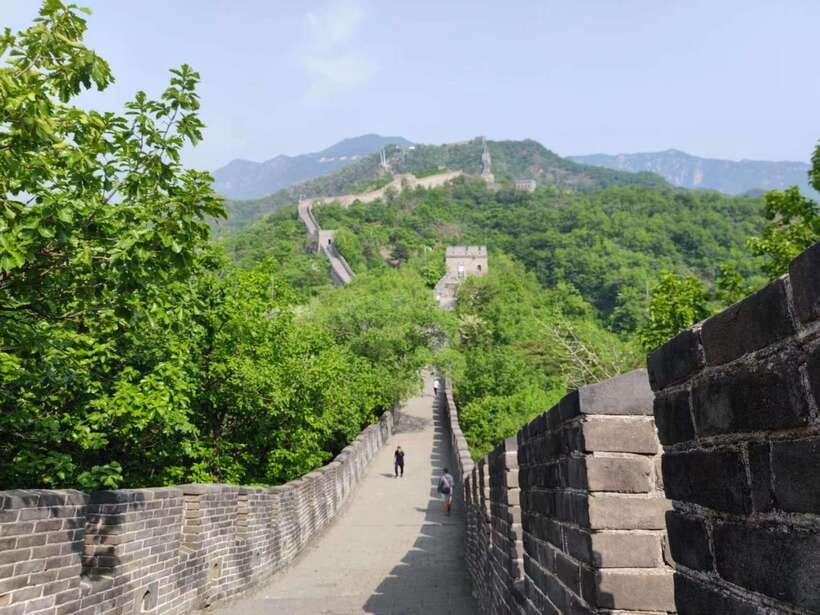
- Mutianyu is the longest fully-restored section open to tourists, with more polished walkway structure
- You get a professional hiking and historian guide speaking English
- The day includes hiking plus lunch at a local restaurant, so you’re not scrambling for food afterward
- If Jiankou is closed, the plan switches to Gubeikou wild wall instead
Jiankou to Mutianyu: a Great Wall day with two moods
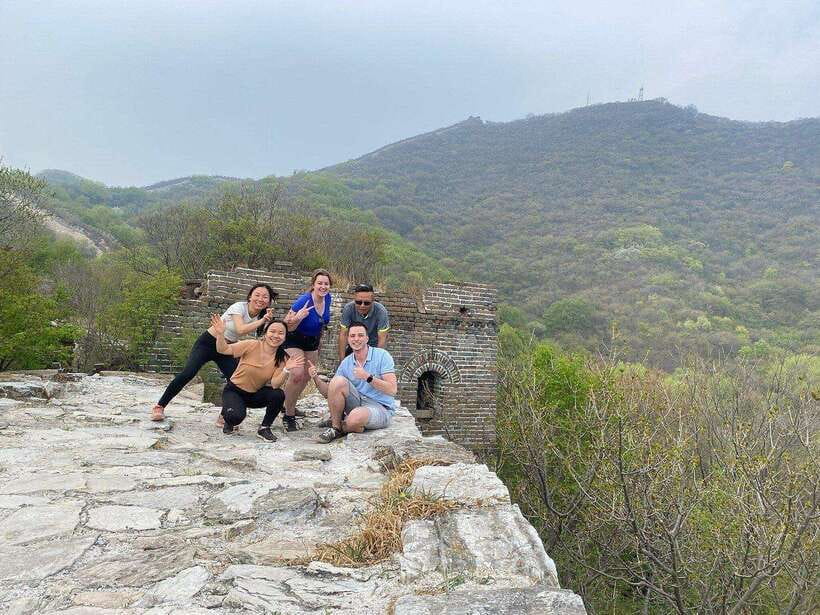
Most Great Wall tours pick one section and call it a day. This one does something smarter: it gives you contrast. Jiankou is the wild, unrestored side, where the wall still looks like it has its original rough edges. That matters because the Great Wall isn’t just a landmark. It’s a working piece of terrain, built into ridgelines, with uneven footing and tight turns that make you feel how hard access must have been.
Then you finish at Mutianyu, the longest fully-restored section open to tourists. This part is easier to navigate and visually dramatic in a different way—more structured, more complete, and designed for visitor access. For me, that combination is the sweet spot: you get the adventure first, then a restored section that helps you connect the walking you just did with the bigger story of how the wall protected the capital.
Pickup, drive, and timing: how to set yourself up for a good hike
The tour runs about 9 hours total, starting with hotel pickup in Beijing and ending with drop-off back at your hotel. That matters because Great Wall travel time can eat a whole day fast. With private transport, you avoid the hassle of piecing together buses or trains and waiting around with a crowd.
Before you head out, pack like this is a mountain walk, not a city stroll. Comfortable shoes are non-negotiable. Bring a hat, sunscreen, and a camera, plus water (bottled water is included). If you’re the type who gets cold easily, consider a light layer too, since weather around ridge lines can shift.
Your guide is also part of the timing equation. You’re hiking about 3–4 hours on Jiankou and about 2 hours on Mutianyu, with breaks and guidance along the way. The best days feel paced, not forced—so go into it ready to keep a steady effort.
Jiankou’s unrestored wall: steep, wild, and full of real texture
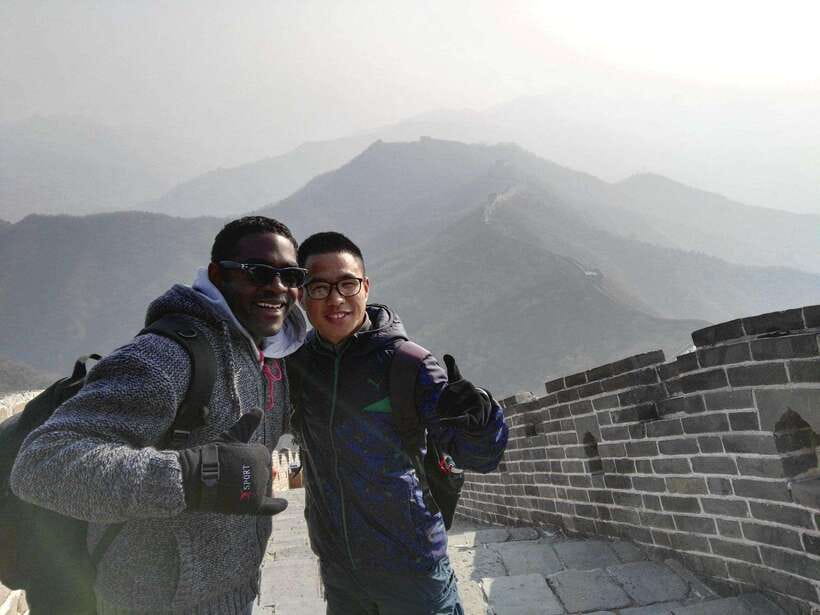
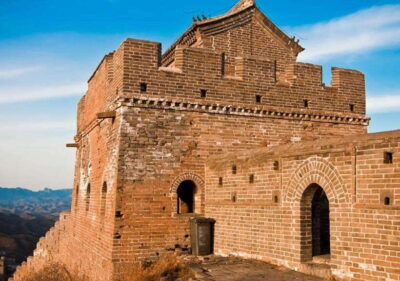
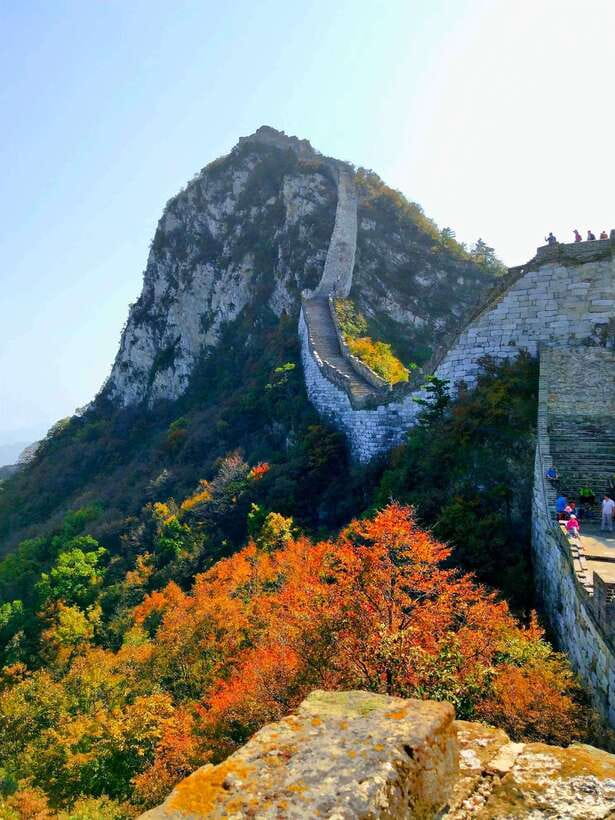
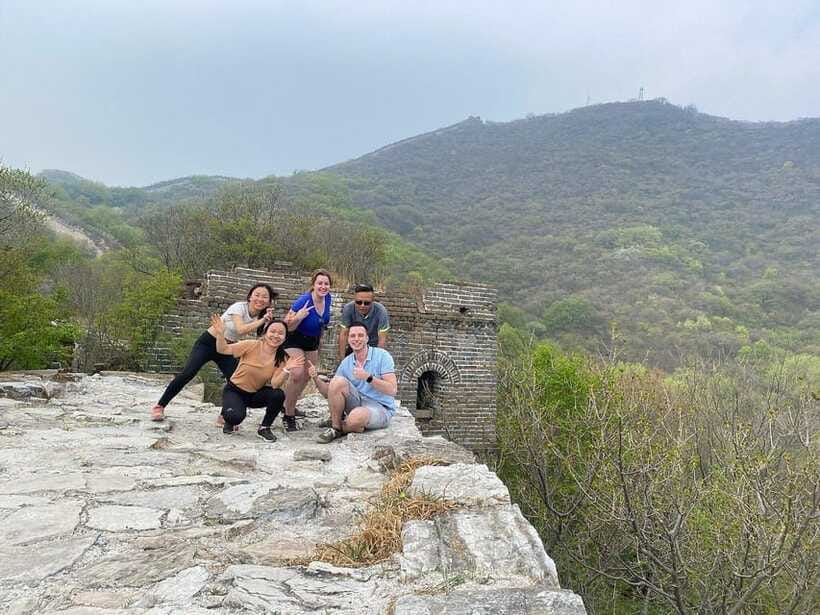
Jiankou is the section that turns this from a sightseeing trip into a hiking trip. It’s unrestored and untouched, so you’re not walking a polished replica. Instead, you’ll see the wall’s natural imperfections—places where you feel the original build and the rugged mountain setting at the same time.
Expect a route with lots of twists and turns as the wall wriggles up the ridge. That description is accurate in the way that matters: it keeps your body working. You’ll be using your legs more than you expect, and you’ll want your footing to be confident.
This is also where the guide can make a big difference. You’ll have a professional hiking and historian guide, and part of the value is that the history isn’t just recited. It’s tied to what you’re seeing while you’re walking. In past bookings, guides like Roy have been praised for local knowledge and for helping create great photo opportunities while you’re moving. Another guide named Michael has also been noted for being gentle, available, and highly prepared. That kind of support matters most on a wild section like Jiankou, where you need to know where to look and how to place yourself for photos safely.
One consideration: because Jiankou is unrestored, conditions can feel more uneven and exposed. If you’re nervous about heights, you’ll feel that more here than on a fully-restored section.
Mutianyu: why the longest fully-restored section feels like a different Great Wall
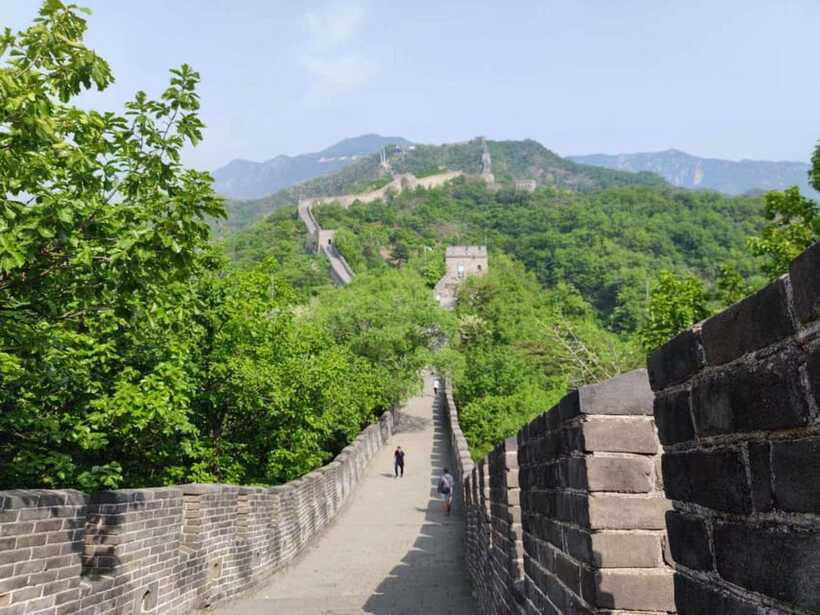
After the Jiankou hike, you reach Mutianyu, where the feel changes. Mutianyu is described as the longest fully-restored part of the Great Wall open to tourists, and it’s one of the best-preserved areas. That “restored” word matters for your experience: walkways and access are more visitor-friendly, so you can focus on the bigger views and the wall’s defensive layout rather than constantly negotiating rough terrain.
Mutianyu also has a clear historical role. It used to serve as a northern barrier defending the capital and the imperial tombs. When your guide connects that function to the way the wall sits on the mountain, the hike stops feeling random. You start understanding why sections were built where they were—and why this particular stretch mattered.
You’ll hike about 2 hours here, with sightseeing alongside the walk. That’s enough time to feel like you explored the area without turning the day into an all-day endurance test.
Coming down from Mutianyu: choose your pace and budget
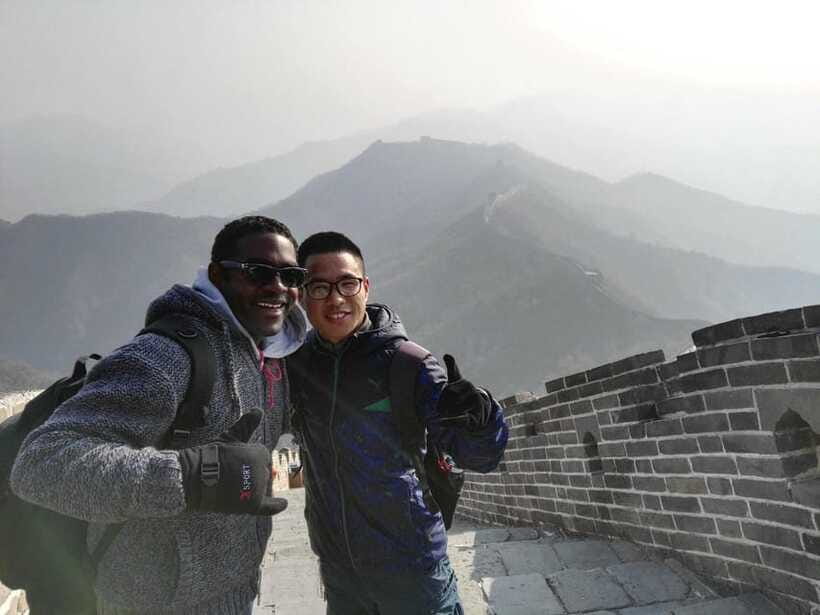
When you finish the Mutianyu portion, you have options to get down. You can walk down, or you can use the cable car or toboggan. The key point is cost: these descents are at your own expense.
My practical advice: decide based on how your legs feel at the end. If your stamina is holding up, walking down can be a good way to stretch out and keep moving. If you’re tired (and you likely will be after Jiankou plus Mutianyu), using the cable car or toboggan can turn a potentially rough finish into a smoother end to the day.
Also, remember this is your choice. The tour gives you flexibility after your hike, rather than forcing one method.
Lunch at a local restaurant: the recovery meal you’ll actually need
After a long hike, lunch isn’t an optional extra. It’s part of making the day work. This tour includes a tasty lunch at a local restaurant, plus the guide and driver help keep the flow smooth so you’re not stuck searching for food while everyone is hungry.
In one booking, the driver was described as punctual and upbeat and even gave a useful suggestion during lunch. That’s a small detail, but it’s the kind of thing that makes a private day feel more personal. You’re not just getting transport—you’re getting guidance from people who know the area and can point you toward a smart next step.
Simple rule: eat what you can without being too heavy. You’ve already done hours of hiking, and you still have a ride back to Beijing.
Price and value: what $264 gets you and where it makes sense
At $264 per person, this tour isn’t cheap, but it also isn’t just you paying for a bus ticket. Your money goes toward several things that add up quickly:
- Private transportation with hotel pickup and drop-off
- Admission tickets included
- A professional hiking and historian guide in English
- Lunch included
- Bottled water
- Skip the ticket line
For value, the biggest difference is the guide quality and the private pacing. On a Great Wall hike, access and timing matter a lot. If you’re doing Jiankou, you don’t want to be figuring out turns and timing on your own while managing steep footing.
Where it might not feel like a bargain is if you already love planning transport yourself and you’re comfortable navigating the wall sections without a guide. If that’s you, you could DIY. But if you want the history explained while you hike and you want the logistics handled, this price can feel fair.
Who should book this Great Wall hiking tour (and who shouldn’t)
This is best for travelers who want a true hike and who are comfortable with uneven terrain and height exposure. It also fits people who like history tied to what they see, not history served as a lecture.
It’s not suitable for:
- Children under 10
- Pregnant women
- People with mobility impairments
- People afraid of heights
- People over 70
Also, because Jiankou is unrestored, that height and footing comfort factor matters even more at the start of the day. If you want a calmer experience, you might feel better choosing a more visitor-friendly route all day—but if you’re set on seeing the wild, original feel, this is built for that.
Practical hiking checklist so you don’t regret it
Bring the essentials listed for the tour. I’d treat them like the minimum, not the suggestion:
- Comfortable shoes you trust on uneven stone
- A hat
- Sunscreen
- Camera (you’ll want it at both sections)
- Water (and you’ll get bottled water)
And one more personal tip: wear layers you can adjust, then pack a simple plan for rest. You don’t need fancy gear, but you do need footwear that grips and clothing that won’t distract you on steep segments.
Should you book this Jiankou to Mutianyu hiking tour?
I’d book it if you want a Great Wall day that feels earned: part wild and imperfect at Jiankou, part fully-restored at Mutianyu, with an English guide who mixes hiking support with history. I also think it’s a strong pick for couples or friends who want a private day with a clear pace and lunch handled.
I would hesitate if you want an easy sightseeing stroll or if you’re uneasy with steep drops. Since the tour includes an unrestored section and optional descent choices at Mutianyu, your comfort level matters more than anything.
If you’re ready for a real hike and you want the wall in two contrasting forms, this is a solid way to spend a long day out of Beijing.
FAQ
How long is the Jiankou to Mutianyu Great Wall tour?
The tour lasts about 9 hours total, including pickup and drop-off, with around 3–4 hours of hiking at Jiankou and about 2 hours of hiking at Mutianyu.
Is lunch included?
Yes. Lunch at a local restaurant is included after you finish the hiking.
Do I need to buy tickets for the cable car or toboggan?
Cable car and toboggan tickets are not included. They are available at your own expense if you choose not to walk down.
Is this tour private and in English?
Yes. It’s a private group tour with a live English-speaking guide.
What should I bring for the hike?
Bring comfortable shoes, a hat, sunscreen, a camera, and water.
What happens if Jiankou is closed?
If Jiankou is closed due to uncontrolled reasons, the tour will replace it with a hike at Gubeikou wild wall instead.