REVIEW · SHANGHAI
Private Walking Tour in the Former French Concession
Book on Viator →Operated by Shanghai Melody Tours · Bookable on Viator
Shanghai’s French Concession tells stories on every corner. This private walk is built for people who like to see architecture up close and hear how Shanghai changed from the late 1800s into the mid-1900s.
I particularly like the way the tour balances big political history with everyday neighborhood details. I also like the stop list, which hits classic Art Deco landmarks and ends in a park where locals really use the space, not just pose for photos.
One heads-up: you’ll be on your feet for about 3 to 3.5 hours, and the tour runs in all weather, so comfortable shoes and a plan for rain matter.
In This Review
- Key highlights in plain terms
- Why the Former French Concession is built for walking
- Time choices that actually fit your day: 10am or 2pm
- Hotel pickup and getting to stops: easy start, real Shanghai streets
- Okura Garden Hotel: the French club style you can see in the lobby
- Lanxin Theatre: early Western-style entertainment in Shanghai
- Cathay Mansion and the Sassoon connection in Art Deco form
- King Albert Apartment (Royal Garden): hidden homes between busy streets
- Dr. Sun Yat-sen’s former residence: where revolutionary history feels human
- St. Nicholas Church: Russian Orthodox details in a small footprint
- Fuxing Park: French-style greenery and local daily life
- Tea house option: a simple way to slow down mid-tour
- What makes the guide matter: stories, pacing, and real responsiveness
- Price and value: $95 for a half-day with entrances included
- What to pack and how to make the walk enjoyable
- Who this tour suits best (and who should think twice)
- Should you book the Former French Concession walking tour?
- FAQ
- How long is the private walking tour?
- What time does the tour depart?
- Is hotel pickup included?
- Are entrance fees included?
- How many people are in a booking?
- Can I cancel for a full refund?
Key highlights in plain terms
- Private, small-group feel (max 10 people) with English-guided storytelling
- Art Deco stops at places like Lanxin Theatre and Cathay Mansion
- Sun Yat-sen’s former residence plus a dose of modern Chinese history
- Fuxing Park as the French-style green space locals use all day
- Hotel pickup and entrance fees included, with transfers between stops handled on the day
- Tea house option if you want a slower pause mid-walk
Why the Former French Concession is built for walking
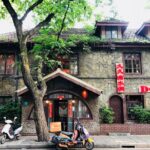
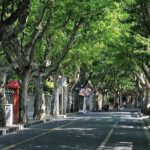
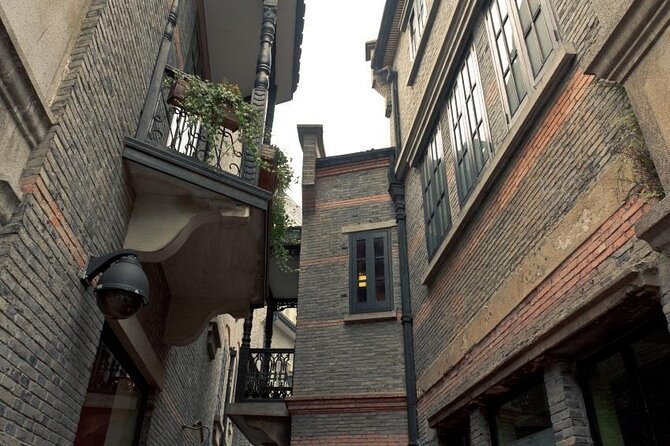
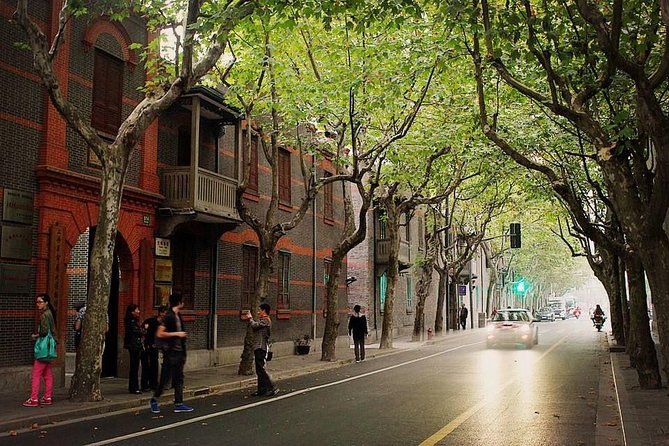
The Former French Concession is one of those Shanghai areas where the streets explain the city. You’ll see old club-style buildings, apartment blocks shaped by foreign communities, churches from different denominations, and parks that feel like a time machine—without needing a big museum ticket to get there.
This tour works well because it’s not a rushed bus day. It’s designed for people who enjoy a relaxed pace and questions along the way. And since the guide is with you the whole time, you get context for why these buildings exist where they do.
You can also read our reviews of more tours and experiences in Shanghai.


Time choices that actually fit your day: 10am or 2pm
You choose either a 10am departure or a 2pm departure. That matters because the last stretch is Fuxing Park, and the vibe changes depending on the time of day.
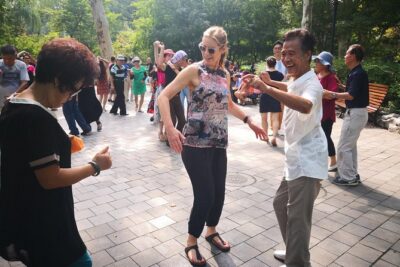
Morning in Fuxing Park is known for senior exercise. Later, the park is a social magnet, with gatherings that can turn into KTV-style hangouts. If you’re the sort of person who likes seeing how locals use public space, pick the time that matches your curiosity.
You’ll meet your guide at your hotel lobby. From there, you’ll head to the attractions using taxi or public transport, and the ride cost is on you. The upside is that the guide does the coordination and you’re not stuck figuring out routes while also trying not to get lost.
Hotel pickup and getting to stops: easy start, real Shanghai streets
The tour includes hotel pickup and entrance tickets. It also includes transportation to the attractions, but you should still expect some day-of costs if taxi or public transit is used for getting between sights.
In practical terms, this means you should budget a little for local transport and keep some cash or a usable payment method handy. Shanghai can be very walkable, but the Concession has narrow streets and quick turns—so having a guide helps you stay oriented.
Okura Garden Hotel: the French club style you can see in the lobby
A strong start point is Okura Garden Hotel, which began life as the former French club. Even if you’re not an architecture nerd, you can usually spot the French classic interior design feel in the lobby’s look and proportions.
What I like about starting here is that it sets the tone fast. You get a sense of “this is how foreigners organized social life here,” before the tour moves into the wider neighborhood.
A small consideration: hotel lobbies and indoor viewing areas can feel like a slower pace compared with outdoor streets. If you love moving constantly, be ready for short inside segments that help you connect the dots.
Lanxin Theatre: early Western-style entertainment in Shanghai
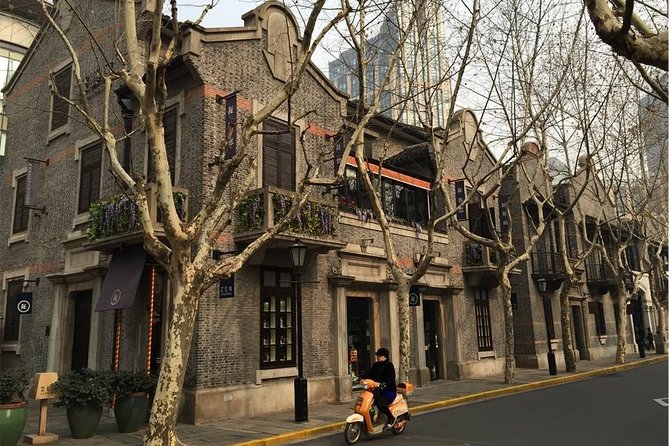
Next up is Lanxin Theatre, described as the first Western-style theatre in Shanghai. It’s the kind of stop that helps you understand how Western leisure culture took root in the city.
This is where the guide’s storytelling matters. You’re not just looking at a façade; you’re getting historical framing for why a theatre like this would appear in the Concession and how Shanghai’s role as a treaty-port city shaped daily life.
Since this is a walking tour, there’s also a nice rhythm here: look, listen, walk a bit, then look again. That keeps the experience from becoming lecture-heavy.




Cathay Mansion and the Sassoon connection in Art Deco form
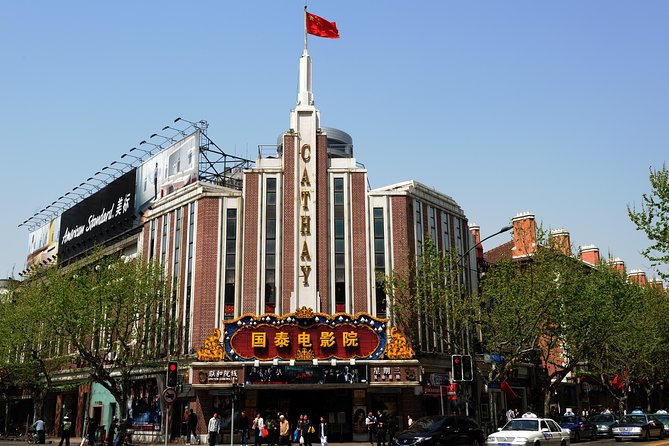
Cathay Mansion is one of the standout Art Deco stops. The building is tied to the Sassoon family and is known for hosting distinguished guests worldwide since the 1950s, alongside its classic Art Deco style.
For me, the value of this stop is perspective. You can read a lot about Shanghai’s foreign-era connections, but standing near a specific building helps you picture how international business and social networks worked in physical space.
The potential drawback is that Art Deco architecture can sometimes look similar at a glance if you don’t have context. The guide’s job here is to point out what makes one building different from another—so if you like details, you’ll feel your attention rewarded.
King Albert Apartment (Royal Garden): hidden homes between busy streets
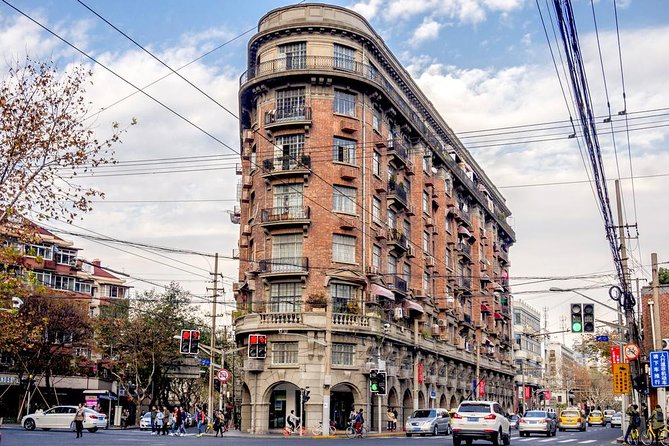
One of the most interesting sections is King Albert Apartment, popularly known as Royal Garden. This was built by a French Catholic church for expatriates living in Shanghai.
The tour highlights how the community is tucked between two busy narrow streets. That’s a big part of why it feels special: you’re walking in a dense city fabric and then suddenly you get a quieter residential pocket with its own character.
This is also the stop where I think comfortable footwear pays off. The area includes short, sometimes winding street segments, and you’ll want stable shoes to enjoy the walk rather than just tolerate it.
Dr. Sun Yat-sen’s former residence: where revolutionary history feels human
The tour includes the former residence of Dr. Sun Yat-sen, presented as a museum of China’s revolutionary history. This is a key contrast with the French-concession architecture: you’re switching from foreign community design to Chinese political transformation.
The practical benefit here is focus. The guide connects the museum setting to the wider story of modern China, covering the period roughly from 1850 to 1950. Even if you don’t know the names of every event, you should come away with a clearer timeline.
In at least one case I saw mentioned, the tour ran longer than the expected window because the guide kept answering questions and adding connections. That’s a good sign if you enjoy going beyond a checklist.
St. Nicholas Church: Russian Orthodox details in a small footprint
You’ll also visit St. Nicholas Church, an Orthodox church built by Russian expatriates in the 1920s. It’s described as small but delicate, which makes it a great pause from the larger Art Deco structures.
What I like about this stop is variety. Shanghai’s foreign communities didn’t all build the same way, and different groups left different architectural fingerprints. This gives you a fuller picture of who lived in the Concession and what they valued.
If the weather is bad, churches like this can be an excellent “reset” point—cooler, calmer, and easier to experience at a slower pace.
Fuxing Park: French-style greenery and local daily life
The tour ends or heavily features Fuxing Park, described as the only French-style garden in the country. Over the last 100 years, it’s changed a lot, and today it’s popular for morning exercises and evening social gatherings, including party-style meetups and KTV.
This stop is valuable because it grounds the whole day in everyday life. After buildings and political museums, you get a local scene: people moving, socializing, and using a public space as part of their routine.
Timing tip: if you’re choosing between the 10am and 2pm tours, use this park to decide. Morning tends to feel more like routine and exercise. Later tends to feel more like nightlife energy.
Tea house option: a simple way to slow down mid-tour
You may have the option to visit a tea house during the walk. This is a practical add-on if you want a break without losing the day’s flow.
It also helps if your feet are starting to complain. A short sit-down gives you time to review what you’ve just seen, and it can make the final stretch easier.
What makes the guide matter: stories, pacing, and real responsiveness
A lot of the praise is about the guides, and it shows in how the tour feels. Names that come up often include Penny (including Penny PUNG), Kelly, Maggie, and Lily, and the common theme is clear English and thoughtful explanations.
I like tours where you can ask questions without feeling awkward. This one seems to work that way, and several people highlighted that the guide adjusts pacing and adds extra details when requested. Some even noted that guides helped with photos and added useful tips for getting around afterward, like pointing you toward Tianzifang.
A small note: the tour’s walking time can stretch a bit when people are engaged. That can be a benefit, but if you have a hard appointment later, you might want to plan buffer time.
Price and value: $95 for a half-day with entrances included
At $95 per person, this isn’t a bargain-price street stroll. But the value is solid when you compare what’s included.
You get:
- English-speaking guide time (about 3 to 3.5 hours)
- Entrance tickets for the listed sights
- Hotel pickup
- A route built around specific architectural and historical stops
The main costs to keep in mind are personal expenses and any taxi or public transit fares used between stops. If you’re used to paying for museum entry plus a private guide, this price can start to look fair. If you’re only interested in one or two landmarks, it could feel expensive.
For many visitors, the sweet spot is this: you want a structured walk that’s more than photos, but you don’t want a full-day commitment.
What to pack and how to make the walk enjoyable
Bring comfortable shoes. The tour is designed for city walkers, and the minimum walking time is around 3 hours, with moderate fitness expected.
Also plan for the weather. The tour operates in all weather conditions, so if rain is possible, pack a light layer or umbrella and keep your phone protected. If it’s hot, drink water before you start—this is an outdoor-heavy neighborhood.
Finally, bring a curiosity mindset. The best parts aren’t just the buildings; they’re the links between places and the stories behind them.
Who this tour suits best (and who should think twice)
This tour is a great match if you:
- love architecture and want to understand Art Deco in context
- want a clearer storyline on modern Chinese history from the mid-1800s through about mid-1900s
- prefer a small group with a real guide instead of self-guided guesswork
- enjoy parks and neighborhood life, not just monuments
It might be less ideal if you:
- hate walking for half a day
- need a fully seated experience
- have a tight schedule with no flexibility (since timing can run a bit long depending on questions)
Should you book the Former French Concession walking tour?
I’d book it if you want Shanghai’s history explained through real streets and specific buildings. The stop mix is strong: Okura Garden Hotel for the French club vibe, Lanxin Theatre and Cathay Mansion for Western-era architecture, King Albert Apartment for expatriate life tucked between lanes, Dr. Sun Yat-sen’s museum for the political core, and Fuxing Park for everyday local use.
If you’re on your first visit and want the Concession to make sense fast, this is a smart use of a half-day. If you already know the basics and only want a few photo spots, you might compare it to a self-guided route.
FAQ
How long is the private walking tour?
The tour runs about 3 hours to 3 hours 30 minutes.
What time does the tour depart?
You can choose either a morning start at 10am or an afternoon start at 2pm.
Is hotel pickup included?
Yes, hotel pickup is included.
Are entrance fees included?
Yes. Entrance tickets are included, and entrance fees for the listed stops are covered.
How many people are in a booking?
There is a maximum of 10 travelers per booking.
Can I cancel for a full refund?
Yes. You can cancel up to 24 hours in advance for a full refund.