REVIEW · XISHUANGBANNA
Puer Tea Picking and Tasting | 6 Hour Morning Trip
Book on GetYourGuide →Operated by GO BANNA! · Bookable on GetYourGuide
Pu’er tea starts in the fields, not a shop. This half-day morning trip pairs a guided walk through a tea plantation with hands-on leaf picking and a tasting that actually makes the flavors click. You’ll also get to see how fresh leaves turn into Pu’er at a local processing farm.
I especially liked two things: the small group size (up to 6) and how guide Maxime helped connect tea processing to culture and practical questions. I also like that you don’t just taste—you see steps like withering, rolling, and drying, then drink what those steps create. The main drawback is simple: it’s short (about 5–7 hours), so if you’re hoping for a long, super technical tea seminar, you may want more time afterward.
In This Review
- Key Highlights You’ll Feel Immediately
- Pu’er Tea Picking Near Pu’er: The Real Advantage Is Hands-On
- Getting There Smoothly: Jinghong or Pu’er Pickup and Morning Timing
- The Plantation Walk: Learning What Makes a Good Leaf
- Seeing Pu’er Processing at the Farm: From Fresh Leaves to Tea You Can Taste
- Tea Tasting: How to Appreciate Freshly Processed Pu’er
- Lunch at the Farm and the Coffee Detour That Shows Up Sometimes
- The Best Souvenir Part: 300 Grams of Tea You Pick and Process
- Price and Value: What $82 Buys in Real Terms
- Language and Group Size: Why Up to 6 People Is a Big Deal
- What to Bring (and What to Skip)
- Who Should Book This Pu’er Tea Picking and Tasting Trip
- Should You Book This Tour?
- FAQ
- Where does the pickup happen?
- How long is the tour?
- Do I take home the tea I pick?
- Is lunch included?
- What languages is the guide available in?
- What should I bring, and are there any restrictions?
Key Highlights You’ll Feel Immediately
- Small group (up to 6) so your questions don’t get lost.
- Convenient pickup and return from Jinghong or Pu’er in a VW ID.4 (or a 6-seat minivan for larger groups).
- Pick and process your own tea, with 300 grams included to take home.
- Farm tour with processing steps so the tasting makes sense.
- Optional lunch at the farm, and some days continue to a coffee plantation for extra tastings.
Pu’er Tea Picking Near Pu’er: The Real Advantage Is Hands-On
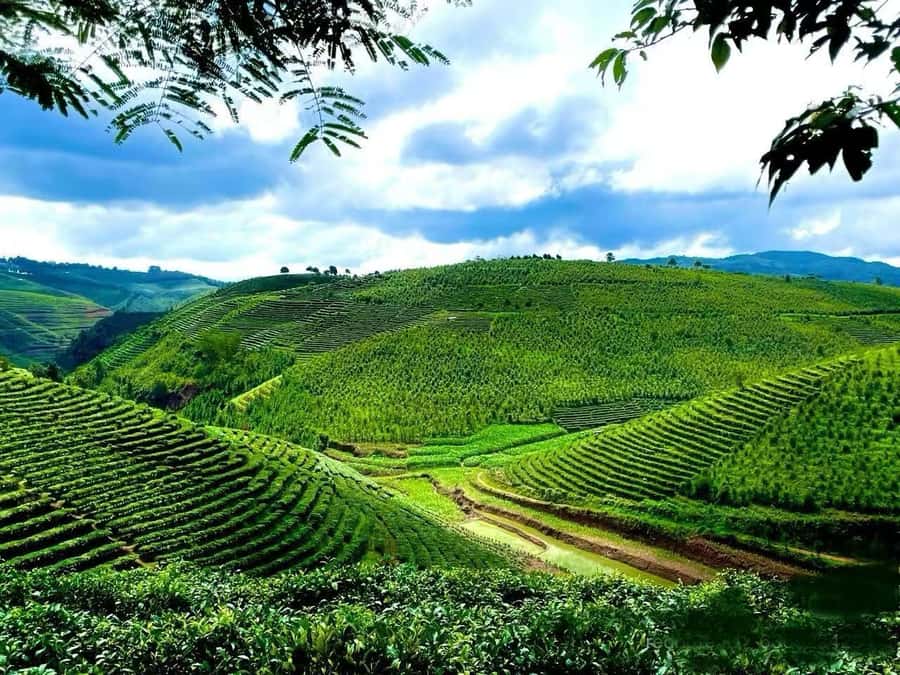
Pu’er tea has a reputation that can feel a bit mysterious from far away. This experience cuts through that. Instead of only talking about Pu’er, you’re in the working tea area, learning what to pick and why, then tasting tea that’s been processed on site.
I also like that the day isn’t just about tea leaves. You get a guided look at how the plantation and tea production connect to daily life in Yunnan, and the whole flow stays calm and manageable. You can keep the focus on learning, not logistics.
Getting There Smoothly: Jinghong or Pu’er Pickup and Morning Timing
Your morning starts with pickup from Jinghong or Pu’er, depending on which location you choose. The tour uses a VW ID.4 when the group is small (up to 3 guests), and a comfortable 6-seat minivan when the group is bigger than 3.
That matters more than it sounds. A half-day tour lives and dies by timing. With pickup done for you, you spend the morning on tea, not trying to figure out local transport. The drive itself also helps set the mood—this is a working farming region, not a staged “tour-only” stop.
Plan around a total window of 5 to 7 hours. That range is common for half-day tours in rural areas, where timing can shift a bit based on group size and pace.
The Plantation Walk: Learning What Makes a Good Leaf
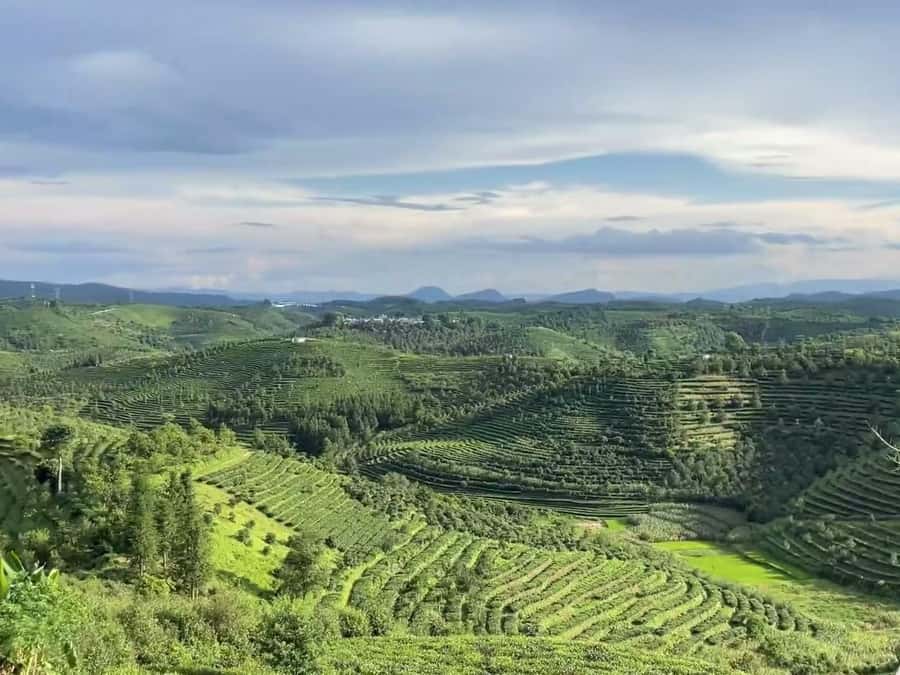
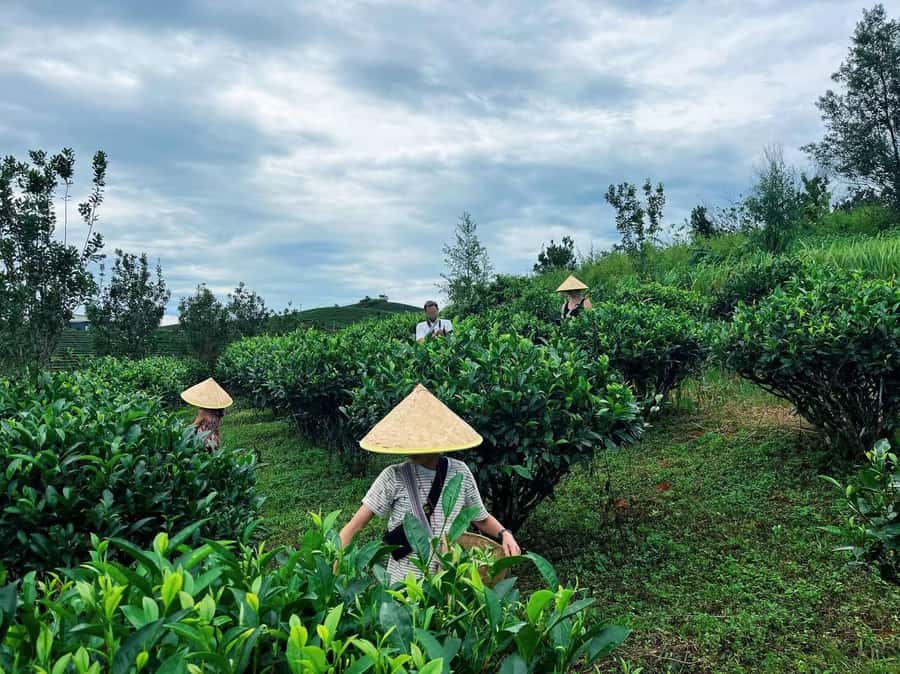
Once you arrive, you’ll join a guided tour around the plantation and surrounding area. This is where the tour earns its keep: you’re shown the plantation context and the cultural importance of Pu’er tea right where it grows.
Then comes the part most people actually remember: hands-on tea picking. Local guidance helps you pick leaves using techniques intended to select finer material. You’re not just grabbing greenery—you’re learning how picky tea makers are about the parts they use.
This step is also good for non-tea people. Even if you don’t know the difference between styles yet, you’ll start noticing what “quality” means in the field: leaf selection, tenderness, and how the plant is harvested.
Seeing Pu’er Processing at the Farm: From Fresh Leaves to Tea You Can Taste
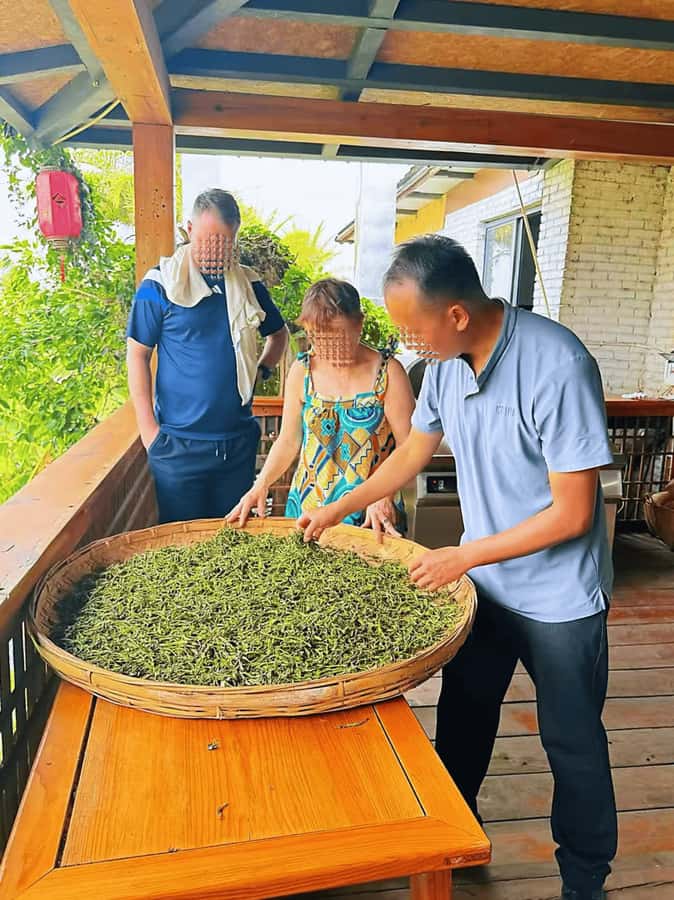
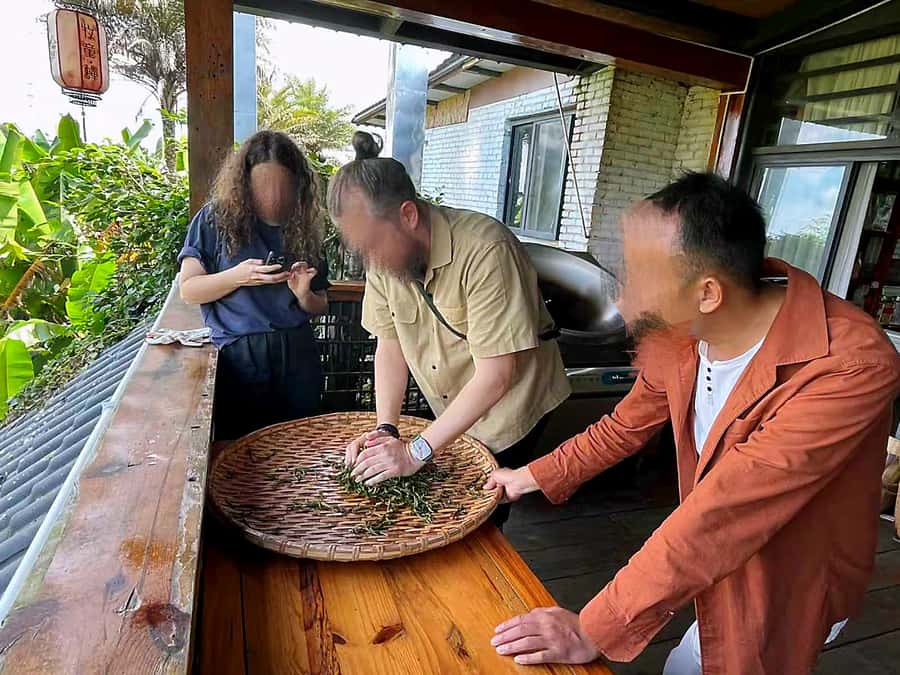
After you pick, you visit the farm for a closer look at processing. You’ll learn the chain of steps that turns fresh leaves into Pu’er tea, including withering, rolling, and drying.
If you’ve ever wondered why Pu’er tastes the way it does, this is the missing piece. The tasting session becomes much easier when you’ve watched the physical transformations happen. You’re not memorizing terms—you’re linking them to real cause and effect you can see.
You may also try some processing steps yourself. The goal isn’t to make you a tea machine—it’s to help you understand the craft and the rhythm. At the same time, you’ll see skilled artisans working, which makes it feel more real than a “look, photos, done” stop.
Tea Tasting: How to Appreciate Freshly Processed Pu’er
The tasting is one of the strongest parts of the day because it’s anchored to what you just saw. You’ll sample Pu’er tea made from freshly processed leaves, and you’ll learn how different varieties and brewing methods change the outcome.
Here’s what to do while tasting: slow down and notice three things. First, how the tea smells when it’s hot. Second, what it feels like in your mouth—light and clean versus heavier and thicker. Third, how it changes from the first cup pull to later ones, since Pu’er often rewards repeated infusions.
You’ll also hear plenty of practical guidance. In this kind of tour, that matters because good Pu’er isn’t only about quality. It’s also about how you brew it and what to expect from each pull.
Lunch at the Farm and the Coffee Detour That Shows Up Sometimes
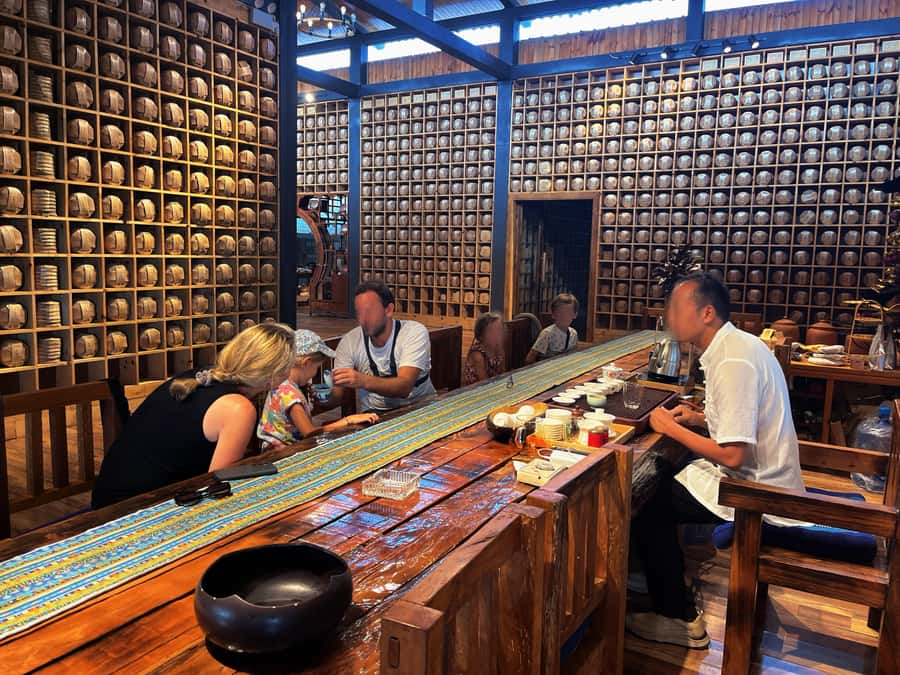
Food is part of why Yunnan travel is so satisfying. Your tour includes lunch at the farm as part of the overall experience, and there’s also a listed local lunch option of 60 yuan per person featuring local specialties. Either way, plan for a sit-down meal in the tea-farm setting.
One interesting twist: some outings also continue to a coffee plantation near Pu’er for additional tasting and food. That can add extra flavor to the morning—especially if you’re curious about how the broader region grows and processes different crops.
If coffee is your thing, it’s a bonus. If you only want tea, you may still enjoy it as a contrast, but keep your expectations centered on Pu’er since tea picking and Pu’er tasting are the core.
The Best Souvenir Part: 300 Grams of Tea You Pick and Process
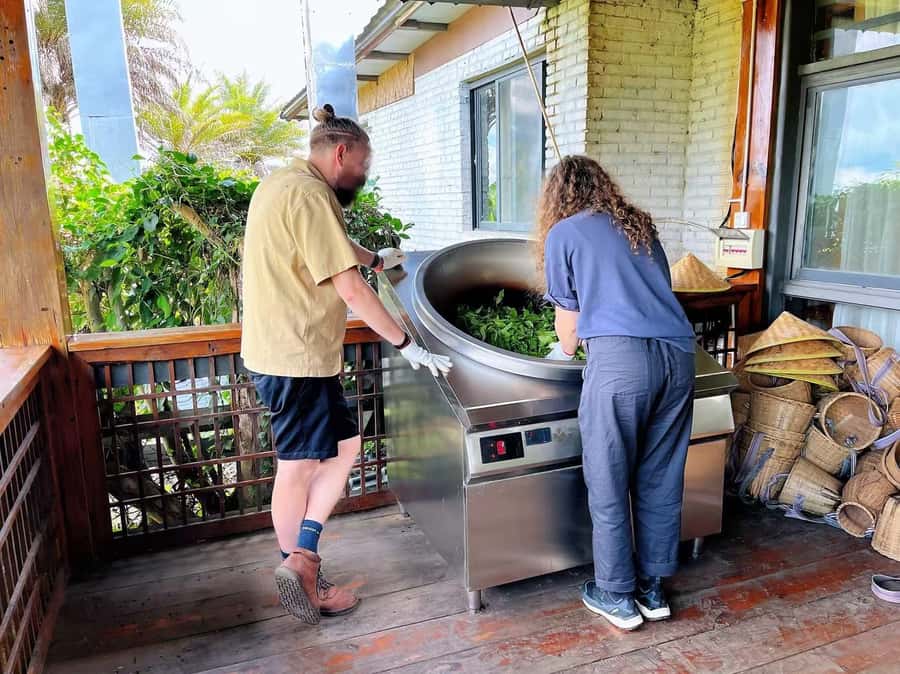
Most tea tours end with a gift shop. This one ends with something much more useful: you can take home the tea you picked and processed during the visit. The amount listed is 300 grams of Pu’er tea.
That’s a big value point. You’re not just buying tea as a souvenir. You’re buying your own work, which means you’ll actually remember the plant, the processing steps, and the flavor profile you tasted that morning.
Practical tip: keep your tea sealed properly after you bring it home. The tour gives you the tea, but freshness depends on how it’s stored afterward.
Price and Value: What $82 Buys in Real Terms
At $82 per person for about 5–7 hours, the price makes sense when you look at what’s included:
- Pickup and return by car (VW ID.4 or minivan)
- Guided plantation visit and tea-picking experience
- Processing-farm visit and tea tasting
- Lunch at the farm
- 300 grams of tea picked and processed by you
Transportation alone can cost plenty in this region, and guided time in rural farms isn’t free. The tea-to-take-home pushes the value even further, since 300 grams is a meaningful amount.
One thing to keep in mind: the tour notes that gifts and souvenirs aren’t included beyond the tea. So if you’re expecting to buy extras bundled in the price, you’ll want to plan for that separately.
Language and Group Size: Why Up to 6 People Is a Big Deal
This is a small group tour with a limit of 6 participants. That isn’t a marketing detail—it changes how the day feels. With fewer people, your guide can actually answer questions about leaf picking, processing, and brewing without rushing.
Your guide is available in English, French, German, and Italian. That matters because tea is the kind of topic where translation quality affects how much you understand. In the real experience with guide Maxime, you can tell he’s answering questions with both patience and care.
If you’re solo, the small group format can also help you feel less like you’re watching from the outside. You’ll have time to talk, not just follow the line.
What to Bring (and What to Skip)
The tour asks for comfortable shoes. That’s not a casual suggestion. Plantation paths can be uneven, and tea picking requires movement.
Two clear limitations:
- Pets are not allowed.
- It’s not suitable for babies under 1 year or people over 70 years.
If you’re traveling with kids, you should confirm day comfort with the operator ahead of time. The tour experience can be adapted, but the overall walking and farm activity still needs to work for your group.
Who Should Book This Pu’er Tea Picking and Tasting Trip
I’d point this trip to you if you like any of these:
- You want Pu’er tea to feel practical, not abstract.
- You enjoy hands-on learning and seeing how food comes from the ground.
- You care about small-group guidance and real interaction.
- You want a take-home souvenir that isn’t just a tiny package.
It’s also a good choice if you’re in the Pu’er or Jinghong area and you want a morning activity that won’t eat your whole day. A half-day format is great when you still have other sights, markets, or transport connections to handle.
Should You Book This Tour?
If you want a calm, guided half-day where you pick leaves, watch processing, and taste Pu’er in a way that makes sense, then yes, this tour is a solid pick. The standout value is the combination of field picking + farm processing + tea you take home (300g), all in a small group with pickup arranged for you.
If you’re the type who wants ultra-deep tea theory, long tastings across multiple aged categories, or a multi-day immersion, then you might feel the time is tight. But for most people—especially first-timers—the experience hits the right balance of hands-on and understandable.
FAQ
Where does the pickup happen?
You get pickup from Jinghong or Pu’er. The car used is a VW ID.4 for up to 3 guests, and a comfortable 6-seat minivan for groups of more than 3.
How long is the tour?
The duration is listed as 5 to 7 hours.
Do I take home the tea I pick?
Yes. You get 300 grams of Pu’er tea that you picked and processed during the visit.
Is lunch included?
Lunch at the farm is part of the experience. The local lunch option is listed as 60 yuan per person if you choose to add lunch.
What languages is the guide available in?
The live tour guide is available in English, French, German, and Italian.
What should I bring, and are there any restrictions?
Bring comfortable shoes. Pets are not allowed. It’s not suitable for babies under 1 year or people over 70 years.