REVIEW · SHANGHAI
Shanghai: Yu Garden Admission Ticket
Book on GetYourGuide →Operated by PANDA144 experience · Bookable on GetYourGuide
Yu Garden feels like a time machine. I loved walking through Ming-era pavilions and spotting Jiangnan-style rockeries that feel carved for slow wandering; the main trade-off is that it can get crowded. A ticket here is also a good bargain if you’re the type who likes detailed old buildings more than big modern sights.
This is self-paced admission for about 4 hours. You’ll move through scenic garden scenes, historic exhibitions, and preserved relics, all within a garden famous for Ming and Qing touches and well-kept cultural pieces.
One consideration: the layout can be tricky, and there’s no storage on site, so you’ll want your plan and your phone ready before you step in.
In This Review
- Key highlights to know before you go
- Yu Garden admission in plain language: what it really is
- The Ming Dynasty retreat behind the walls
- Your 4-hour game plan: how to see the best parts without rushing
- Jiangnan-style gardens: rockeries, ponds, and pavilions
- Ming and Qing relics: what to look for beyond the photos
- Digital ticket reality: getting in smoothly (and what can go wrong)
- Price and value: $16 for 4 hours, is it worth it?
- Crowds and timing: how to enjoy Yu Garden when it’s busy
- Practical rules that affect your day
- Does Yu Garden pair well with Shanghai street time?
- Should you book this Yu Garden admission ticket?
- FAQ
- How long is the Yu Garden admission ticket valid for?
- Are there different entry times during the day?
- Does the ticket include skipping the line?
- Do I need a passport?
- Will I get a digital QR code?
- What if my QR code doesn’t work?
- Are meals included with the ticket?
- Is a professional guide included?
- Are pets allowed inside Yu Garden?
- What’s the rule for children?
Key highlights to know before you go

- 400-year-old Yu Garden grounds: Jiangnan classic garden design, originally a private Ming Dynasty retreat.
- Rockeries, ponds, and pavilions: You’ll see the classic balance of structure and water around winding paths.
- Preserved cultural relics: Look for well-maintained Ming and Qing dynasty furniture and calligraphy.
- Timed entry windows: Morning vs afternoon tickets change when you can enter, so you’ll want to match your day.
- Digital QR entry: You’ll scan at the entrance and can skip long ticket lines, if your QR matches the booking.
Yu Garden admission in plain language: what it really is

Yu Garden is one of Shanghai’s most famous classical gardens, built as a private retreat in the Ming Dynasty. It’s often described as Jiangnan-style, and when you’re inside, you can feel what that means: the buildings and garden features are arranged to guide your pace. You’re not racing through. You’re stepping from one framed view to the next.
The ticket you’re buying is admission, not a full guided day. That’s actually part of the value. If you like to linger, you’ll get a lot out of a few hours here. If you want someone to translate every detail and set the story in context, you may feel like you need more support than the ticket provides.
At $16 per person and around 4 hours, it’s a straightforward use of time in a city where many attractions eat half a day or more. The real “win” is skipping the ticket line and getting you into the garden efficiently so you can spend your time where it matters: among the rockeries, ponds, and pavilions.
You can also read our reviews of more tours and experiences in Shanghai.



The Ming Dynasty retreat behind the walls
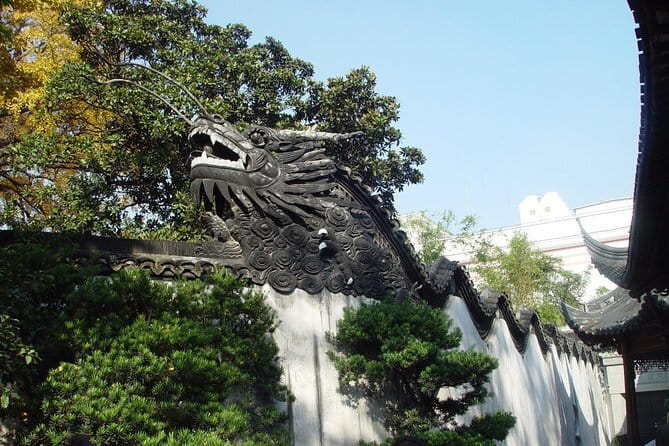
Yu Garden wasn’t designed as a public theme park. It began as a private garden built in the Ming Dynasty by Pan Yunduan, a high-ranking official who created it as a retreat for his father. That origin matters because the garden feels made for viewing, resting, and calm reflection, not for constant foot traffic.
The garden has also been protected for a long time. In 1982, Yu Garden was designated a National Key Cultural Relic Protection Unit. In practice, that’s what you’re paying for: the chance to see a historical site kept for preservation rather than rebuilt for novelty.
As you walk, pay attention to how the garden uses contrast. Solid structures appear near water. Quiet corners sit beside open courtyards. That rhythm is a big part of why classical Chinese gardens have survived as favorites for architecture lovers.
Your 4-hour game plan: how to see the best parts without rushing

With a 4-hour window, I’d plan to treat Yu Garden like a loop with optional detours. You’ll want enough time to slow down in the rockery areas and still have space to explore exhibitions and relic spaces.
Here’s a practical flow that fits the typical garden layout:
- Start with the main garden scenes so you get your bearings fast. Don’t get stuck photographing too early.
- Work your way through the rockeries and ponds. This is where the design choices show up most clearly: uneven stone forms, water reflections, and controlled sight lines.
- Pause for pavilions and historic relics. Look for well-preserved pieces like Ming and Qing furniture and calligraphy.
- Finish with the exhibitions and quieter interior spaces if you still have energy.
Because the layout can be complex, I strongly recommend you bring a map or use mobile navigation. Yu Garden doesn’t feel like a straight line. It’s more like a set of linked scenes, and it’s easy to go in circles if you don’t check where you are.
If you go at 15:00 (mid-afternoon), you might find the garden rhythm works better for photos. One tip from booking feedback: the most photographed “streets area” is separate, and you may still get value from the garden section even if you’re not spending all your time in the street area.
Jiangnan-style gardens: rockeries, ponds, and pavilions
If you only remember one thing from Yu Garden, make it this: the garden is all about composition. Jiangnan-style design leans into the idea that nature and architecture should work together. You’ll see it in the intricate rockeries, the calm water features, and the exquisite pavilions that frame your views.
Rockeries here aren’t just decorations. They create a sense of elevation and depth. You can also use them to orient yourself. If you keep an eye on the rock shapes and waterlines, you’ll navigate faster in a place where paths can look similar from one turn to another.
Pavilions offer the classic Chinese garden “rest points.” They’re ideal for taking 2 minutes, stopping, and looking through the scene rather than at it. The ponds are where the atmosphere changes. Even when crowds are present, water tends to soften the feeling of the space.
And yes, you’ll likely feel the crowd energy. The garden is popular, and guided groups move through at a steady pace. If you want breathing room, step aside at the pavilion moments and use those small pauses to recover from the flow of foot traffic.
Ming and Qing relics: what to look for beyond the photos

This admission isn’t only about walking the outdoor garden. It includes access to historic exhibitions and cultural relics. The key word here is preserved. The site is known for preserved cultural relics, including well-preserved Ming and Qing dynasty furniture and calligraphy.
When you see relic displays, don’t treat them like a quick checklist. Take 10 seconds and ask yourself what style you’re seeing: formality, brushwork, and materials. Even without deep background, you’ll get more satisfaction by slowing down and letting the craftsmanship register.
A quick practical point: in a historical site, it’s best to keep your voice down. That matters for you and for others. Yu Garden asks visitors to maintain silence and respect the cultural heritage, and the site experience feels better when you follow that tone.





Digital ticket reality: getting in smoothly (and what can go wrong)

The big selling point of booking ahead is entry speed. This ticket is set up for quick and convenient entry and to help you skip the ticket line.
How it works in real life: you’ll receive a digital QR code through email or WhatsApp after booking details are submitted. The common pattern is that you’ll need your full name exactly as it appears on your passport and your passport number for the booking to be completed.
Here’s the one snag to watch: QR issues can happen if you’re sent the wrong code. One booking note highlighted that an initial QR might not work, and the fix was to check email or WhatsApp for the right QR. That’s why I recommend you screenshot the code and keep an eye on the message thread tied to your booking.
Also, plan to show your ticket as instructed. Don’t assume you can wing it on arrival. The system expects the QR format you booked with.
Price and value: $16 for 4 hours, is it worth it?

At $16 per person for roughly 4 hours, this ticket is priced like a focused entry pass. You’re not paying for a guide, and you’re not paying for meals. In other words, the value depends on how you like to tour.
If you enjoy strolling through classical architecture and garden design, the price makes sense. You’re buying time in a preserved site where the details matter: rockeries, pavilions, and relic displays.
If you expect a full commentary experience, you might feel under-served. This ticket explicitly excludes professional guide services. You can still have a great visit, but you’ll want to be comfortable reading signage and building context from what you already know.
For many people, the value sweet spot is this: book ahead, get in fast, and spend your time inside the garden instead of losing it in line. That’s the practical win.
Crowds and timing: how to enjoy Yu Garden when it’s busy
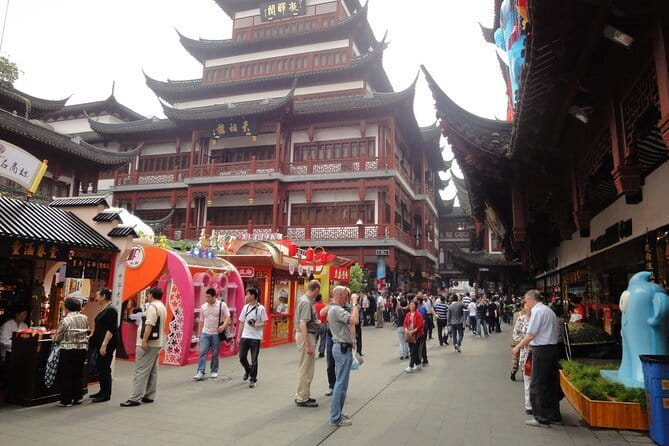
Yu Garden can feel busy because it’s a “can’t miss” kind of place. Crowds are part of the bargain. The good news is that you can shape your experience with timing and your route.
A helpful pattern from booking feedback: one person noted that they went around 15:00, explored down the food streets, then returned to the front area of Yu Garden. The observation was that the main photographed streets section is free, while the garden itself is the separate ticketed experience. That can guide your planning: you can spend time wandering nearby without worrying about spending the entire day paying admission everywhere.
If you arrive at peak times, you’ll likely share narrow paths with groups. When that happens, keep your pace steady, don’t stop abruptly in bottlenecks, and let people pass. Your photos will look better too if you’re not fighting the crowd flow.
Practical rules that affect your day

This is a historical site, so small etiquette rules actually change the experience. There are clear no-go items: weapons or sharp objects aren’t allowed, pets aren’t allowed (assistance dogs are permitted), and alcohol and drugs are prohibited. Explosive substances are also listed as not allowed.
You also need your passport. The ticket setup and entry instructions indicate you should bring your passport, and your passport details may be required for booking completion.
One more practical factor that people often forget: there’s no storage service in the park. That means you should travel light. If you’re carrying bags, plan ahead so you’re not stuck managing them while trying to enjoy the scenery.
Does Yu Garden pair well with Shanghai street time?
Yes, and that’s one of the reasons this is a smart ticket to add to your day. Yu Garden sits among famous nearby street areas, and at least part of the nearby streets area is described as free to access. That means you can do a flexible mix: garden time for the ticketed highlights, then wander nearby streets for atmosphere.
A good approach is to use the garden for structure and the surrounding streets for variety. You’ll get the calm, framed views inside the garden, then switch to the more lively street energy outside. That contrast feels very Shanghai: old world design next to a modern city setting.
Should you book this Yu Garden admission ticket?
Book it if you want a 4-hour, self-paced visit to a preserved Ming-and-Qing classic, and you value saving time with a digital QR entry that helps you skip the ticket line. It’s also a good fit if you enjoy garden design details: rockeries, ponds, pavilions, plus relics like furniture and calligraphy.
Skip or rethink if you want a guided explanation as part of the ticket. This admission does not include professional guide services. Also, if you’re sensitive to crowds or you hate complex layouts, be ready with a map and a light bag strategy.
If you’re okay with that trade-off, Yu Garden is one of the best uses of a half-day in Shanghai. It’s old, carefully kept, and designed so you naturally slow down—one scene at a time.
FAQ
How long is the Yu Garden admission ticket valid for?
The experience is listed as lasting 4 hours.
Are there different entry times during the day?
Yes. Operating hours are split into morning ticket time (9:00am–12:30pm) and afternoon ticket time (12:30pm–4:00pm). You’ll need to choose availability for your starting time.
Does the ticket include skipping the line?
Yes. It includes skip the ticket line.
Do I need a passport?
You should bring a passport.
Will I get a digital QR code?
Yes. The process is set up for a digital QR code, and information notes you may need to check your email or WhatsApp for the right QR.
What if my QR code doesn’t work?
Double-check your email or WhatsApp for the correct QR. The booking notes mention that an invalid QR can happen and the fix is finding the right code sent for your reservation.
Are meals included with the ticket?
No. Meals are not included.
Is a professional guide included?
No. Professional guide services are not included.
Are pets allowed inside Yu Garden?
Pets are not allowed, but assistance dogs are allowed.
What’s the rule for children?
Children under 1.2m can enter for free.