REVIEW · SHANGHAI
2.5hrs Chinese Kitchen Cooking Class: Xiaolongbao Soup Dumplings
Book on Viator →Operated by Trippest Travel · Bookable on Viator
Soup inside dumplings? That’s the magic here. This hands-on xiaolongbao class in Shanghai teaches you how the soup gets wrapped and timed so it bursts on the first bite.
I love the small group size (max 15), which keeps the pace friendly and questions practical. I also love that you get an English-speaking chef (often CiCi or Chef Yin in instruction style) who focuses on technique, not just handing you a plate.
One thing to plan for: the studio entrance can feel a bit tricky to spot at first, since it’s in an old lane and you may need a quick lead-in to find the right door.
In This Review
- Key points
- Shanghai Xiaolongbao Class: What You’re Really Learning in 2.5 Hours
- Finding the Studio Near Changshu Road (Guangyuan Road)
- The Class Flow: From Intro to Dough to Two-Way Dumplings
- Meet and get oriented
- Learn xiaolongbao dough and filling basics
- Shaping the soup dumpling (this is the main skill)
- Cook them two ways
- Eat together, then end with recipe
- The Teacher Factor: CiCi, Chef Yin, and Patient Technique
- What You’ll Actually Get to Eat (and Why It Feels Like More Than a Demo)
- Vegan and Vegetarian Options: How Flexible This Class Really Is
- Price and Value in Shanghai: Is $98.88 a Fair Deal?
- Who Should Book This Xiaolongbao Class (and Who Might Skip It)
- Quick Tips So Your First Dumplings Don’t Turn Into Soup
- Should You Book This Class?
- FAQ
- How long is the Xiaolongbao cooking class in Shanghai?
- Where do I meet for the class?
- How big is the group?
- Is the class suitable for children?
- Do they offer vegan or vegetarian options?
- What cooking methods will we use?
- What’s included in the price?
- Is hotel pickup included?
Key points
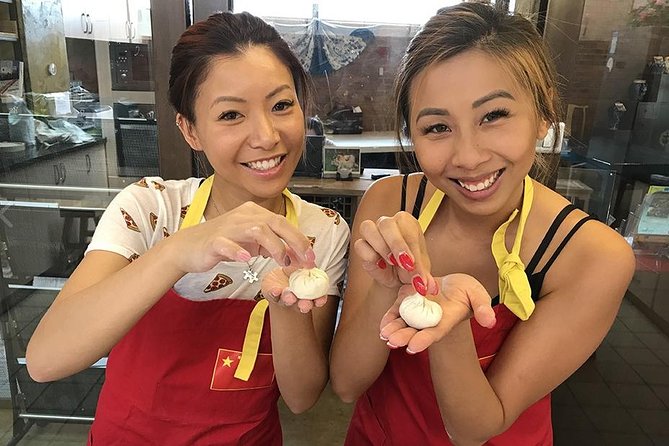
- Max 15 people means more hands-on coaching and less standing around
- Vegan and vegetarian options are available on request
- You cook two ways (including steamed and pan-fried)
- Complimentary tea and a shared meal make it feel like more than a workshop
- You leave with a recipe so the dumplings don’t vanish after class
- Ages 3 to 100 welcome with kids under 3 free
Shanghai Xiaolongbao Class: What You’re Really Learning in 2.5 Hours
Xiaolongbao sounds simple until you try it. The trick isn’t only making dumplings. It’s making dumplings that can hold soup inside without turning into a soup spill. In this class, you’ll focus on the steps that make that possible: dough work, filling seasoning, shaping, and cooking timing.
You’ll also learn why this dish has a reputation. A good xiaolongbao has delicate skin, hot broth sealed inside, and a bite that releases the soup right when you want it. That’s why “technique” is the real headline here, not just eating dumplings.
The class runs about 2 hours 30 minutes, and the structure stays clear from meeting to meal to finish. It’s long enough to learn real skills, but short enough to fit into a normal sightseeing day in Shanghai.
You can also read our reviews of more tours and experiences in Shanghai.



Finding the Studio Near Changshu Road (Guangyuan Road)
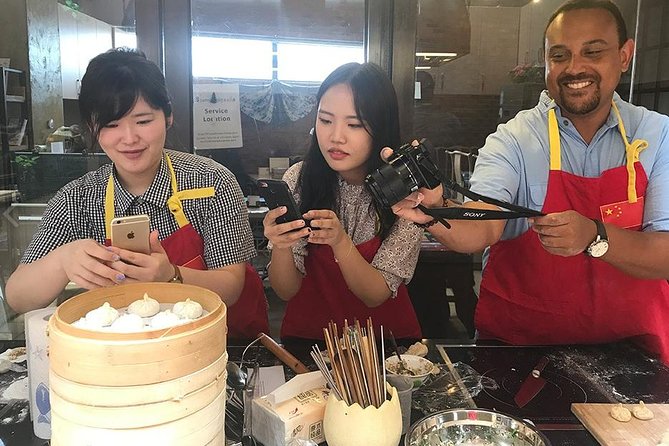
This is in the Xu Hui area. You’ll meet near Changshu Road, and the meeting address provided for the start point is on Guangyuan Road (Guang Yuan Lu, Xu Hui Qu). That matters because Shanghai is large, and even locals can lose time when a small lane hides the destination.
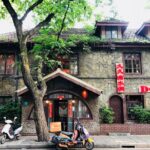
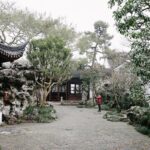
The studio itself can be in an old lane setting, and one past participant described the entrance as scary or hard to find at first. Their workaround was simple: wait, look for the instructor, and follow a guide into the lane.
Practical tip: arrive a few minutes early. Since you’re not getting hotel pickup, you want to get your bearings fast once you reach the neighborhood. Wear shoes you don’t mind if the lane is slightly uneven.
The Class Flow: From Intro to Dough to Two-Way Dumplings
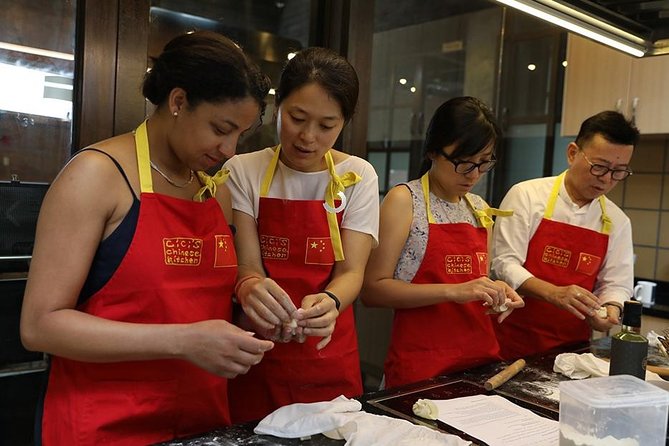
Here’s how your time is shaped, and why each step is useful.
Meet and get oriented
You meet at 10:00 am at the studio location. Then you get a quick intro to cooking culture plus an ingredient discussion. Even if you’ve eaten xiaolongbao before, this early stage helps you understand what ingredients do in the final dumpling—especially when it comes to broth texture and seasoning.
Learn xiaolongbao dough and filling basics
A key part of the experience is learning to make both the dough and the filling. You’re not just copying a final look. You’ll practice the “why” behind the feel—how the dough behaves, how the filling should be seasoned, and how these two parts need to work together.
Since the chef is English-speaking and patient, this is a good class if you’re not a confident cook. One participant specifically said the instructor worked at their pace and skill level, and that helped them relax into the hands-on part.



Shaping the soup dumpling (this is the main skill)
This class shows you how soup gets wrapped inside the dumpling—exactly what makes xiaolongbao different from regular dumplings or baozi. You’ll work on the shaping technique so the skin stays intact and holds the broth when it cooks.
This is the moment where a small group helps. With up to 15 people, you’re more likely to get real correction if your folds are too thick, too thin, or uneven.
Cook them two ways
You’ll cook xiaolongbaos two ways. Based on class feedback, that includes steamed and pan-fried results. The point isn’t only variety. It’s seeing how texture changes with different cooking methods.
Steaming tends to keep the dumpling gentle and focused on the soup experience. Pan-frying adds browning and a different bite, so you get two ways to judge whether your dough thickness and seal held up.
Eat together, then end with recipe
After cooking, you share the meal with the class. Tea is included, and that pairing is practical: hot tea helps reset your palate between bites of something rich and savory.
The class ends around 12:30 pm, with a recipe you can take home. That’s the part many people care about most—because once you leave Shanghai, you’ll want the steps again.
The Teacher Factor: CiCi, Chef Yin, and Patient Technique
In a skill class, your teacher can make or break the experience. Here, the instruction style is described as hands-on and interactive, with chefs who are engaging and organized.
Two instructor names show up in past experiences: CiCi and Chef Yin. Participants praised them for being patient, humorous, and easy to talk to, with teaching that doesn’t assume you already know dumpling craft.
That matters because xiaolongbao is fiddly. If you’re not taught how to adjust thickness and sealing, your first attempts can be a mess. A patient instructor helps you treat mistakes as feedback instead of failure.
One of the most useful teaching moments is learning how sauce fits the final dumpling. You’ll make a Chinese sauce to go with your xiaolongbao, which means you’re not just eating your own work—you’re eating it correctly.
What You’ll Actually Get to Eat (and Why It Feels Like More Than a Demo)
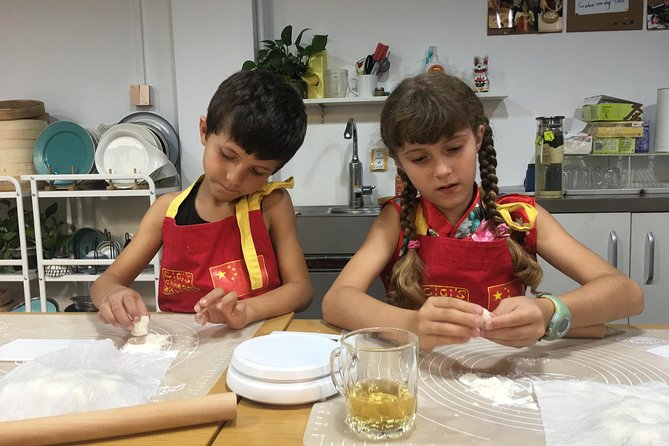
This class includes more than a cooking session. You get to eat what you make, together, which makes the experience feel complete.
You’ll enjoy your hand-made xiaolongbao after cooking. Tea is complimentary, and the sauce you make ties everything together so your dumplings aren’t just a plain bite.
The meal moment is also where you learn fast. Even without fancy explanations, you can taste differences between steamed and pan-fried versions. You’ll likely notice:
- the skin texture shifts with cooking method
- the soup experience changes depending on how the dumpling sealed
- sauce changes the balance of salt, aromatics, and richness
That’s valuable because it helps you replicate results later when you try at home.
Vegan and Vegetarian Options: How Flexible This Class Really Is
Good news if you don’t eat meat. The class is listed as vegetarian-friendly, and vegan/vegetarian options are available on request. The most important practical detail is to write down your preference when booking.
This is worth taking seriously. Xiaolongbao depends on filling and broth-like elements. When an operator offers alternatives, it usually means they plan adjustments ahead of time, not last-minute improvisation.
If you’re traveling with mixed diets, this setup can make planning easier. You won’t have to separate your group just because one person can’t do meat-based dumplings.
Price and Value in Shanghai: Is $98.88 a Fair Deal?
At $98.88 per person, this class sits in the “pay for instruction” category. You’re not paying for a fancy restaurant meal. You’re paying for skill transfer plus ingredients plus a chef who guides you while you handle dough and filling.
Here’s why the price can feel fair:
- Small group size (max 15) makes the per-person instruction time higher
- You do actual work: dough, filling, shaping, and two cooking methods
- Tea is included, and you get a take-home recipe
- The class is designed to be friendly for a wide age range, including kids
Where you should be honest with yourself: if you want only a quick tasting, this costs more than eating xiaolongbao at a street stall. But if you want a genuine cooking skill you can repeat, this price starts making sense.
Also consider your timing. This experience is often booked about 18 days in advance on average. If you’re traveling during busy periods, booking earlier helps you lock in the slot.
Who Should Book This Xiaolongbao Class (and Who Might Skip It)
This class is a strong fit if you want a structured Shanghai food experience with real practice. The ages listed go from 3 to 100, and kids under 3 are free to join. That’s a rare range for a cooking format, and it points to a family-friendly teaching environment.
It’s also a good choice if you like Shanghai’s signature foods and want to understand what makes them work. Xiaolongbao isn’t just a dumpling. It’s a method: dough thickness, broth handling, sealing technique, and cooking control.
You might consider skipping if:
- you’re in a hurry and hate schedules (the class runs 2.5 hours)
- you want a purely observational experience with zero hands-on work (this is meant for participation)
- you don’t want to deal with a possible lane entrance challenge when you arrive
But if you’re open to getting flour on your hands, this can be one of the most memorable parts of your Shanghai trip.
Quick Tips So Your First Dumplings Don’t Turn Into Soup
A few practical moves can help you enjoy class more.
First, go in with patience. Xiaolongbao rewards small adjustments. If your first dumpling looks uneven, that’s still part of the lesson.
Second, pay attention to how the chef corrects sealing and skin thickness. Those details are what separate dumplings that release broth vs. dumplings that behave more like regular potstickers.
Third, if you have dietary needs, plan early. Put your vegan or vegetarian preference in writing when booking, since the class offers options on request.
Finally, after class, take advantage of what the chef knows. One participant mentioned receiving a helpful recommendation for a nearby tea shop, which is exactly the kind of local tip worth asking for while you’re there.
Should You Book This Class?
Yes, if you want to learn Shanghai’s most famous dumpling style and you’re okay paying for instruction. The small group, the English-speaking chef, the fact you cook dumplings two ways, and the included tea plus recipe make it a solid value for people who care about skills, not just snacks.
Book it especially if you’re traveling with family or friends who want a shared activity that ends with a real meal. The class is designed to work for a wide age range, and the teaching approach seems built for different skill levels.
Skip it only if you mainly want a quick tasting without doing the cooking. This isn’t that kind of experience.
FAQ
How long is the Xiaolongbao cooking class in Shanghai?
The class is about 2 hours 30 minutes.
Where do I meet for the class?
You meet near Changshu Road in Shanghai. The provided start point is on Guangyuan Road (Guang Yuan Lu, Xu Hui Qu).
How big is the group?
The class is limited to a maximum of 15 travelers.
Is the class suitable for children?
Yes. The class is for ages 3 to 100, and children under 3 are free to join.
Do they offer vegan or vegetarian options?
Yes. Vegan and vegetarian options are available on request. You should write down your food preference at booking.
What cooking methods will we use?
You’ll cook xiaolongbao in two ways, which include steaming and pan-frying based on class experiences.
What’s included in the price?
Included are the cooking class, complimentary tea, and a friendly English-speaking chef. You also take home a recipe at the end.
Is hotel pickup included?
No. Hotel pickup and drop-off services are not included.