REVIEW · LIJIANG
4 Days Haba Snow Mountain Climbing Tour (Lijiang-Shangri-La)
Book on Viator →Operated by Yunnan Exploration · Bookable on Viator
Snow above 5,000 meters changes everything. This 4-day Lijiang–Shangri-La tour is built around climbing Haba Snow Mountain (5,396m), with a stop at Upper Tiger Leaping Gorge before you head into the high country. It’s a straightforward route on paper, but it’s the altitude that does the real work.
I really like two parts of this itinerary. First, the small-group setup (max 10 travelers) and the steady presence of the organizer, Jasmine, who comes across as warm, attentive, and very detail-focused. Second, the plan is practical for a high-altitude day: day 2 trek to base camp around 4,200m with yaks handling your luggage, plus a picnic lunch to keep the day from feeling like a grind.
One thing to consider: altitude sickness is the main challenge here, not technical climbing. You’ll get up very early on day 3 (2:00am, then a 4:00am start), so this trip rewards people who take acclimatization seriously and have the stamina to follow the schedule.
In This Review
- Key points before you go
- Haba Snow Mountain at 5,396m: what the climb really means
- Upper Tiger Leaping Gorge: the day that sharpens your appetite for the mountains
- Haba Village: gear prep, acclimatization time, and the Naxi village feel
- Day 2 trek to base camp near 4,200m: yaks carry the load
- Day 3 summit attempt: the 2:00am wake-up and the 4:00am departure
- Day 4 return to Lijiang: closing the loop with one final drive
- Price and logistics: is $999 good value for this kind of trip?
- Who should book this Haba Snow Mountain tour (and who should skip it)
- Should you book? My honest take
- FAQ
- Where do we meet for the tour in Lijiang?
- What is the main highlight of the 4-day tour?
- How high is the mountain climb and where do you go first?
- Is the route technically difficult?
- How long is the trek to the base camp on day 2?
- Do yaks carry luggage during the climb?
- What is the group size limit?
- What happens if weather is poor?
- Can I cancel for a full refund?
Key points before you go
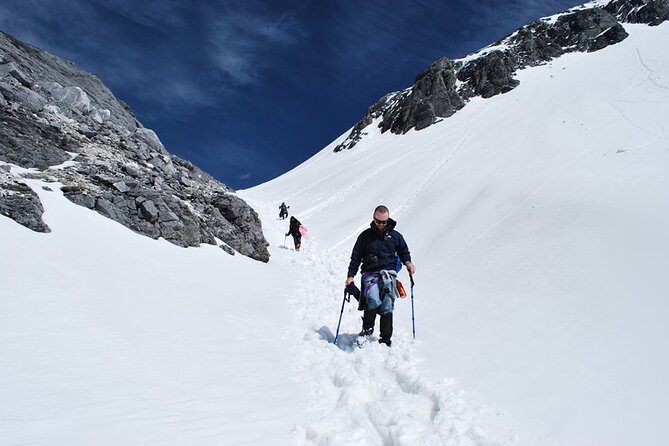
- Haba Snow Mountain at 5,396m: an altitude-heavy challenge on a route described as not technically hard
- Upper Tiger Leaping Gorge stop: a dramatic Yangtze canyon experience early in the trip
- Haba Village base prep: time at the foot of the mountain to sort your gear and acclimatize
- Day 2 yak support: yaks carry luggage as you trek about 15 km to base camp around 4,200m
- Day 3 very early summit push: health checks, a simple breakfast, and a 4:00am departure
- Small group (max 10): easier coordination and more hands-on guidance
Haba Snow Mountain at 5,396m: what the climb really means
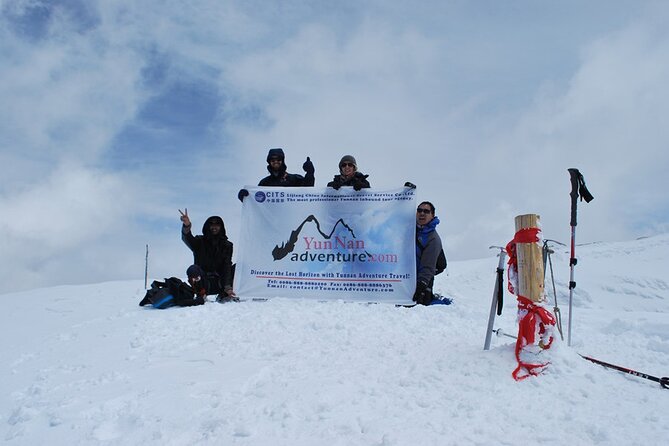
The headline is the summit height: 5,396m on Haba Snow Mountain. That number matters because the route is described as not hard climbing, but altitude is still altitude. Even if you’re fit, your body may protest once you move above 4,000m, especially during the early-morning summit attempt.
This tour is built for people who want the classic snow-mountain process: hike up, spend time higher to adjust, then do the early push. There’s no sales pitch about being a fearless adventurer. It’s more realistic than that. It’s a climbing-style trip where your biggest job is to manage effort and watch how you feel.
The other thing I appreciate is that the itinerary explicitly frames what can go wrong: altitude sickness. That focus changes how you should prepare. You’ll want to bring a strong fitness base, follow health checks, and treat the early start as a logistics challenge as much as a physical one.
You can also read our reviews of more tours and experiences in Lijiang.

Upper Tiger Leaping Gorge: the day that sharpens your appetite for the mountains
Day 1 starts with Upper Tiger Leaping Gorge (Hutiao Xia). You drive about 40 km more to reach the upper section, described as the deepest gorge in the world, with 34 rapids of the Yangtze River in this area. Locals in this stretch also refer to the Yangtze as the Jinsha here, because gold is found in the region.
Even if you’re mainly traveling for Haba, I think this gorge stop is a smart warm-up. It gets you into the rhythm of Yunnan’s big terrain—steep valleys, big water, and long views—without the immediate pressure of a high-altitude summit attempt.
What to consider: gorge viewpoints usually mean standing around while cars drop you at specific spots and you shuffle between vantage points. It’s not technically difficult, but you do want layers. Weather can shift quickly, and you’ll feel it more if you’re already tired from the day’s driving.
The itinerary includes an admission ticket for this stop, so you’re not doing extra ticket hunting once you arrive. That’s one less stress point when you’re trying to keep your energy for the next days.
Haba Village: gear prep, acclimatization time, and the Naxi village feel
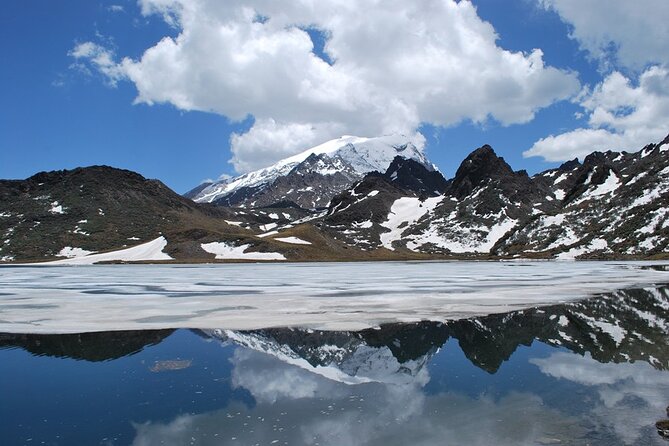
After the gorge, you head to Haba Village, described as a small Naxi village at the foot of the mountain. You arrive at the Haba Snow Mountain Guesthouse in the village area, then spend time preparing equipment and acclimatizing.
That part matters. Snow mountain trips can feel like a switch flips from normal travel mode to serious mountain mode. Here, you get a buffer: you set up your kit, check what you’ll carry, and settle into the altitude gradually rather than going from sea-level habits straight to a 5,000m goal.
You should still treat this as a prep day, not a sightseeing free-for-all. If you spend that time running around, you pay later when the early morning comes. The best approach is simple: eat well, rest, and handle your gear so you’re not scrambling when you’re half-awake.
Also, the trip lists an admission ticket included for Haba Village. That means the schedule is designed to move you through the key stops without detours.
Day 2 trek to base camp near 4,200m: yaks carry the load
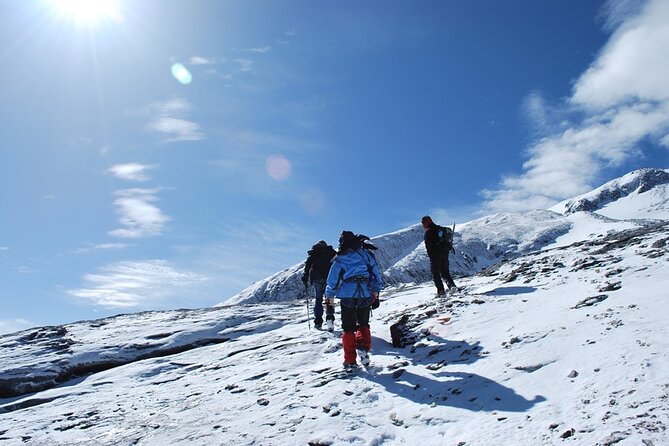
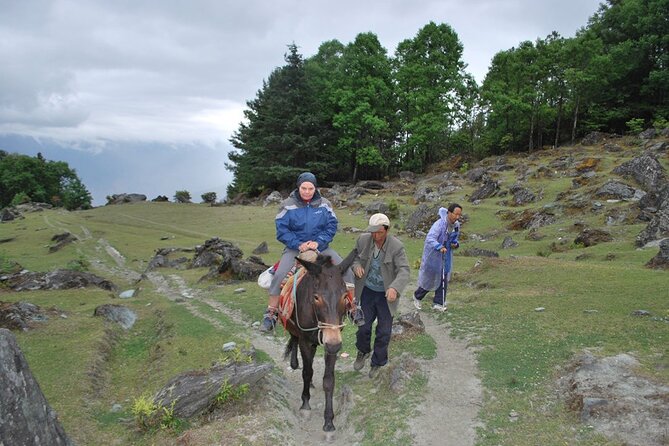
Day 2 is your biggest hiking day before the summit push: you trek up toward the mountain’s base camp at about 4,200m, with the route described as roughly 15 km and taking about 7 hours. The plan uses yaks to carry your luggage, which is a big deal for a few reasons.
First, it reduces the physical burden. At high altitude, your legs burn even for moderate effort. If you’re carrying a heavy pack, that burn becomes fatigue faster than you think.
Second, it keeps your mind calmer. You can focus on rhythm—steady steps, consistent breathing, and listening to how you feel—rather than managing a weight that changes your pace constantly.
Third, it makes the day more “mountain trip” and less “backpack slog.” A picnic lunch is included at the mountain area, so the day isn’t just walking with an empty stomach. Small comfort, big morale, especially when you’re already working against altitude.
What you should watch: 7 hours is a long time on a day where oxygen is thinner. Even if the route is described as not hard technically, you still need endurance. If you’re prone to headaches at altitude, this is the day to take it easy and follow your guide’s guidance about pace and breaks.
Day 3 summit attempt: the 2:00am wake-up and the 4:00am departure
Day 3 starts in the dark: you get up at 2:00am, prepare your equipment, and have a simple breakfast. There’s also a check of your health condition before leaving for the top.
That health check is not a formality. If your body isn’t responding well to altitude the way it should, you want decision-making to be immediate rather than hopeful. This itinerary builds that step into the timing.
You leave for the climb at about 4:00am. You’ll keep your key items while leaving most luggage at camp 1. That detail is important: you’re meant to travel lighter near the summit push, which helps you move efficiently when every extra ounce matters.
About difficulty: the tour doesn’t present this as technical rock or ice climbing. The hard part is your physiology at altitude and the early start. You’re basically fighting two problems: the mountain and the clock.
My practical advice for this kind of summit schedule is boring but effective: hydrate earlier than you think you need, keep your breathing steady, and don’t try to “prove” anything by pushing faster than your group. The win is making it through the day feeling functional, not turning the climb into a race.
Even with a not-hard route, your success depends on how your body handles the altitude and how well you follow instructions during those critical hours.
Day 4 return to Lijiang: closing the loop with one final drive
After the mountain time, day 4 is a return drive. You go back to Lijiang from Haba Village, and the itinerary lists Tiger Leaping Gorge (Hutiao Xia) again with a shorter time block and admission included.
That structure gives the day a clearer purpose. You’re not planning additional strenuous hiking. You’re resetting back toward normal travel life—food, sleep, and lower altitude.
If you want to make the most of the return day, plan for recovery. Your legs will be tired, and your breathing may feel off for a bit after you come down. Use the final hours to recharge rather than adding extra detours that would keep you moving.
Also note: the activity ends back at the meeting point, so you’re not left figuring out how to get from a remote drop-off.
Price and logistics: is $999 good value for this kind of trip?
At $999 per person for a roughly 4-day tour, the value depends on what you compare it to. If you’re looking at a DIY plan, you’d have to organize transport, local timing, guided support, high-altitude logistics, and the base-camp luggage system. That’s not just effort; it’s coordination and risk management.
This tour’s price also matches the fact that it’s not a big-coach, high-capacity itinerary. It runs as a small group (up to 10), which usually means more direct attention and fewer timing surprises.
Plus, it includes pickup offered and lists admission tickets for key stops (Tiger Leaping Gorge, Haba Village, and mountain-related entries). It also includes yaks for luggage on day 2. Those are the kinds of details that quietly cost real money and headaches when you plan independently.
Two other planning realities to keep in mind:
- This experience requires good weather. If it’s canceled for poor conditions, you’re offered a different date or a full refund.
- Strong fitness is expected. The guide can’t fix altitude for you, so your preparation matters.
On the timing side, the tour is typically booked about 26 days in advance. That’s a hint: if you’re serious about a specific window, don’t wait until the last week to decide.
Who should book this Haba Snow Mountain tour (and who should skip it)
This trip is a good fit if you:
- want a 5,396m snow-mountain experience without technical climbing complexity
- take altitude seriously, including early starts and health checks
- prefer a small group and value hands-on guidance
- appreciate scenic, high-terrain Yunnan stops like Upper Tiger Leaping Gorge
You might want to skip or reconsider if you:
- have a history of altitude problems and aren’t confident you can handle it
- don’t deal well with early-morning starts (2:00am wake-up is not negotiable in this plan)
- want a relaxed sightseeing pace rather than structured mountain days
One more thing I like from the experience support side: the organizer Jasmine is described as knowledgeable, understanding, friendly, and very attentive to detail. In practical terms, that usually means fewer missed steps. It also means flexibility when life happens. For example, one group reported that Jasmine arranged an exclusive dinner to mark a company’s 40th milestone, which is a good sign of how she handles requests without turning the schedule into chaos.
Should you book? My honest take
If your goal is to climb Haba Snow Mountain in a structured, guided way, this is the kind of itinerary that makes sense. The altitude is the star of the show, and the schedule reflects that: acclimatization at the village, a long day to base camp near 4,200m with yak support, then a very early summit push with health checks.
At the same time, it’s not a casual trip. You need fitness, you need patience, and you need to respect the altitude realities. If you can do that, you’ll get more than a checklist—you’ll get a classic high-mountain experience in the Yunnan region, wrapped around one of the world’s most dramatic gorge settings.
If you want, tell me your fitness level, how you handle altitude, and when you plan to travel. I can help you judge whether this timing and schedule fit you best.
FAQ
Where do we meet for the tour in Lijiang?
The meeting point is Lijiang Ancient Town (South Gate) at 步行街东大街1号, Yun Nan Sheng, Li Jiang Shi, Gu Cheng Qu, with postal code 674100.
What is the main highlight of the 4-day tour?
The main highlight is climbing Haba Snow Mountain, which is listed at 5,396m, along with a stop at Tiger Leaping Gorge.
How high is the mountain climb and where do you go first?
You trek to a base camp at about 4,200m on day 2. The summit area is part of the day 3 climb, starting at 4:00 AM.
Is the route technically difficult?
The route is described as not a hard climbing route. The biggest challenge noted is dealing with altitude sickness.
How long is the trek to the base camp on day 2?
Day 2 includes a trek of about 15 km to base camp near 4,200m, taking about 7 hours.
Do yaks carry luggage during the climb?
Yes. The itinerary states that yaks take your luggage on the trek to base camp.
What is the group size limit?
The tour has a maximum of 10 travelers.
What happens if weather is poor?
This experience requires good weather. If it is canceled due to poor weather, you’ll be offered a different date or a full refund.
Can I cancel for a full refund?
Yes. You can cancel up to 24 hours in advance for a full refund, and changes less than 24 hours before the start time are not accepted.