REVIEW · LIJIANG
Lijiang to Shangri-La HuXiang Road Private Scenic Tour
Book on GetYourGuide →Operated by Yunnan Tours · Bookable on GetYourGuide
That first view from the gorge sticks with you. This private day links big mountain scenery with Naxi and Tibetan culture, plus you get a comfortable, hotel-to-hotel flow. I love the Tiger Leaping Gorge observation deck for jaw-dropping scale, and I also love the Haba Village stop where you can see traditional Naxi architecture up close. The main drawback is simple: you’re dealing with altitude, changing weather, and a moderate amount of walking, so it’s not a good fit if you’re sensitive to heights or vertigo.
Because it’s private, the pace feels controlled. You’ll start with pickup from your Lijiang hotel, ride in a private vehicle, and finish either back in Lijiang or in Shangri-La City if you want to stay.
This is also a good value for people who want fewer stress points. The price covers the private vehicle and pickup/dropoff (one-way or round-trip), but you still need to plan for admission tickets, meals, and warm clothing.
Key points at a glance
Private hotel pickup and a one-way or round-trip transfer between Lijiang and Shangri-La
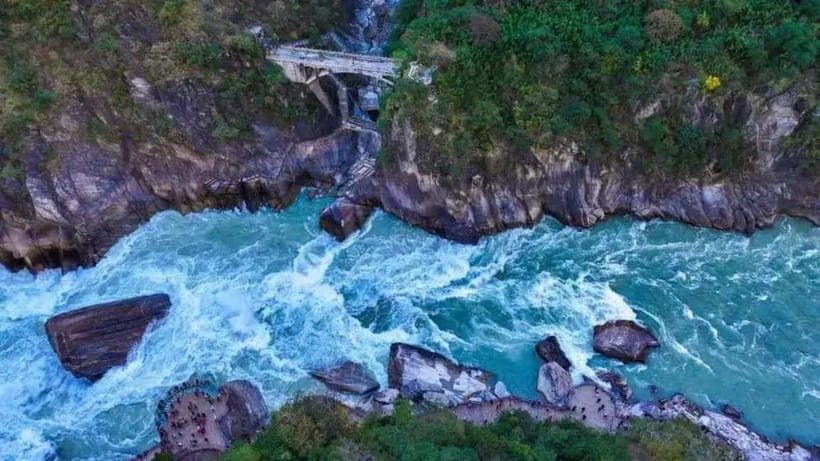
Tiger Leaping Gorge from an observation deck (high-impact views, but not ideal for vertigo)
Naxi culture at Haba Village with traditional wooden homes and carvings
Pudacuo National Park + Napahai grassland with yaks and sheep grazing in open views
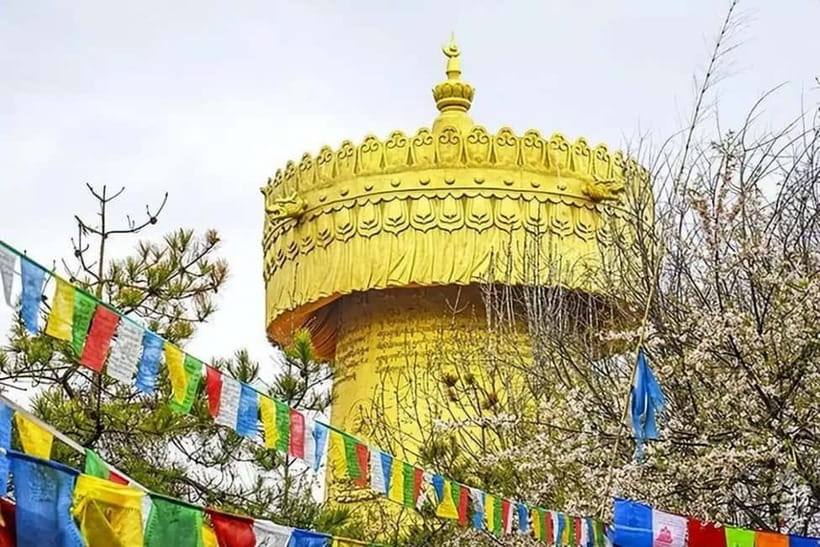
Niru Village then Dukezong Ancient Town for Tibetan costumes and prayer-flag street scenes
In This Review
- A Private Lijiang-to-Shangri-La Road Day With Real Views
- Tiger Leaping Gorge Observation Deck: The Canyon Before You Even Walk
- Haba Village and Haba Snow Mountain: Naxi Homes and High-Altitude Air
- Baishui Terrace and Pudacuo National Park: Limestone Steps to Napahai Grassland
- Niru Village Costumes and Crafts, Then Dukezong Ancient Town
- Timing, Weather, and What You’ll Need to Bring at Elevation
- Price and Value: What the $118 Covers (and What You Pay On the Side)
- Private Guide vs. Private Driver: How to Get the Most Out of Your Day
- Who This Trip Fits Best (and Who Should Skip It)
- Should You Book This Lijiang to Shangri-La Scenic Tour?
- FAQ
- What’s included in the tour price?
- How long is the tour?
- Do I need to pay admission tickets separately?
- What language is the live guide?
- What should I bring for the day?
- Can I return to Lijiang or stay overnight in Shangri-La?
A Private Lijiang-to-Shangri-La Road Day With Real Views
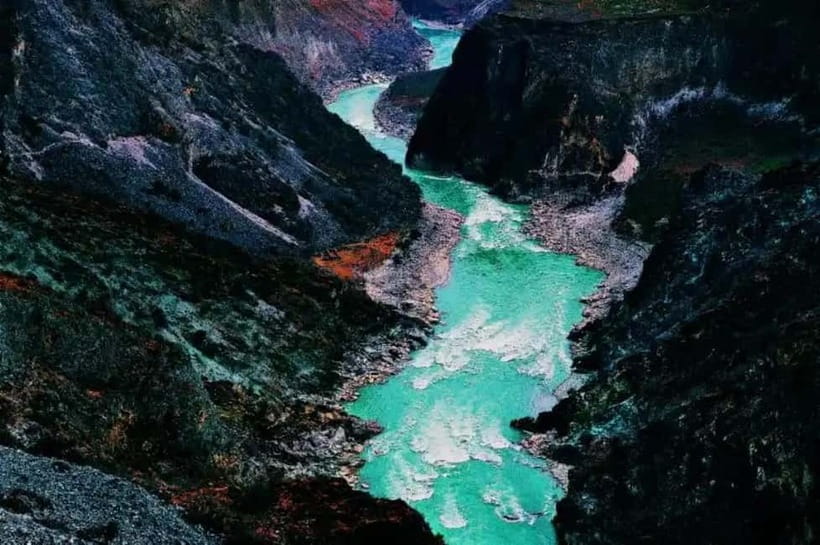
This is the kind of trip that makes the region feel close, not far apart. Instead of bouncing between buses, you get a private vehicle and an itinerary built around your day, with hotel pickup included in the plan.
The duration is about 10 hours, so you’re not on the road all day long without breaks. You’ll have time to stop, look, and walk a bit—enough to actually experience places rather than just pass by them.
If you choose the one-way route, you end in Shangri-La. If you prefer to stay based in Lijiang, you can do the round trip. Either way, you’re trading flexibility for structure, and that’s often worth it in this part of China.
Tiger Leaping Gorge Observation Deck: The Canyon Before You Even Walk
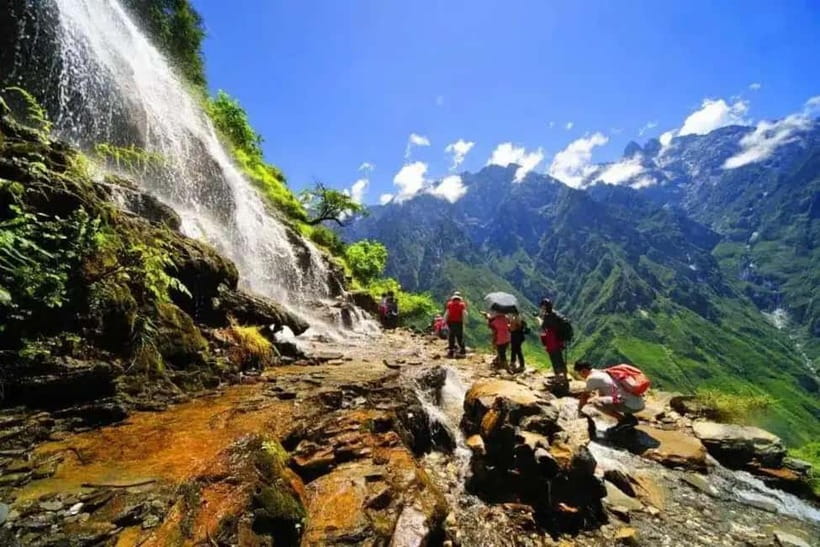
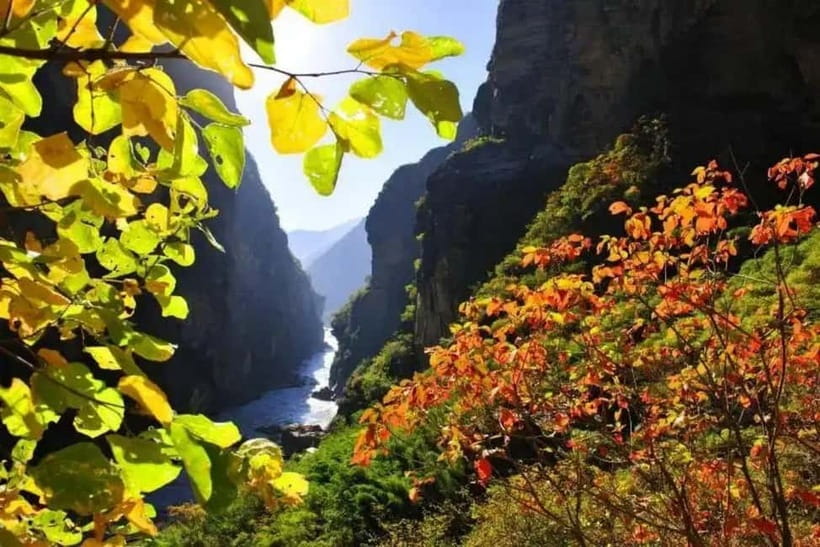
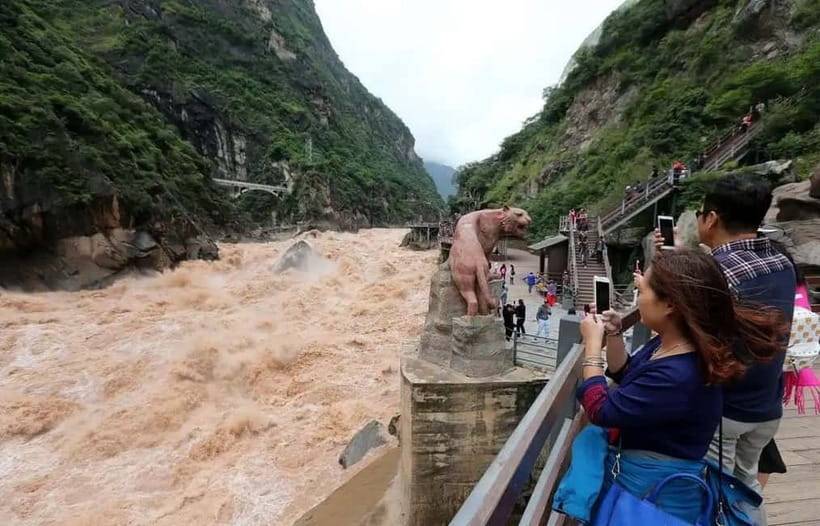
Tiger Leaping Gorge is where the day gets dramatic fast. You don’t start with a long hiking plan; you start with a viewing moment. From the observation deck, you can take in towering peaks on both sides of the canyon rising high into the clouds, with the river moving below in a narrow, powerful channel.
A couple things to know. First, the view is the point, but your body still has to handle the setting—heights, exposure, and cold wind can all matter. Second, the tour includes the ride and access, but you’ll pay admission on-site: CNY 45 is listed for the Tiger Leaping Gorge entrance.
This stop is especially good if you want big scenery without committing to a strenuous trek. It’s also a must-do for photography, assuming the weather cooperates. If skies are clear, the gorge looks almost too real.
You can also read our reviews of more tours and experiences in Lijiang.

Haba Village and Haba Snow Mountain: Naxi Homes and High-Altitude Air
After the gorge, you shift from raw canyon scale to something more human. Haba Village is where you start connecting the land with the people who live around it.
You’ll spend time with traditional Naxi architecture—wooden structures, sloping roofs, and intricate carvings. It’s one of those places where the details reward slow walking. Even if you don’t speak much local language, you’ll be able to read the craftsmanship in the way the houses are built and decorated.
You’ll also learn about the natural world around Lijiang. The area has documented biodiversity figures that sound almost unreal: 112 species of mammals, 446 species of birds, and 7,084 species of plants. You don’t need to memorize the numbers; what matters is that this region is alive in a way that goes beyond scenery.
Then comes the high-altitude feeling. The route passes Haba Snow Mountain, whose main peak is 5,396 meters above sea level. You may not be doing an all-day mountain climb, but just seeing the scale of the peak helps your brain understand why the light and air can feel so different here.
Practical note: cold and wind can change quickly at elevation. Bring warm layers even if Lijiang feels mild that morning.
Baishui Terrace and Pudacuo National Park: Limestone Steps to Napahai Grassland
Baishui Terrace is described as a natural limestone formation that resembles a frozen waterfall. That comparison is useful. You’re looking for stepped terraces where water action shaped the rock over time, and when conditions are right, it can feel like the mountain briefly paused in mid-motion.
The tour lists an admission cost for the White Water Terrace area: CNY 30. Depending on the weather and your exact route timing, you may spend more time looking than moving, which is great if you want photos without a long grind.
Next up is Pudacuo National Park, and inside it the focus shifts to openness. You’ll visit Napahai grassland, where the landscape is wide and green under gentle light. The image you’re aiming for is a “large blanket” feeling—open grazing land with herds of yaks and sheep in the distance.
This is one of the stops where the road trip format pays off. Instead of having to choose between culture and nature, you get both in the same arc of the day: terraces, then open meadows, then villages and towns.
Drawback to plan for: this is one of the easiest parts of the day to keep stopping for photos, which can slow you down. If the day’s moving fast, I suggest taking photos efficiently and leaving time for your next stop.
Niru Village Costumes and Crafts, Then Dukezong Ancient Town

The cultural shift continues with a village stop in the Shangri-La region: Niru Village. Here, you’re looking at Tibetan-influenced traditions, including women dressed in colorful costumes. The details matter—especially the embroidery and accessories, which are part of why this stop feels more personal than a scenic viewpoint.
This is also where you should watch your pace. Villages can be busy, and you want to avoid crowding people for photos. The tour info also lists rules like not feeding animals and not touching plants—small respect habits that make your visit smoother and more pleasant for everyone.
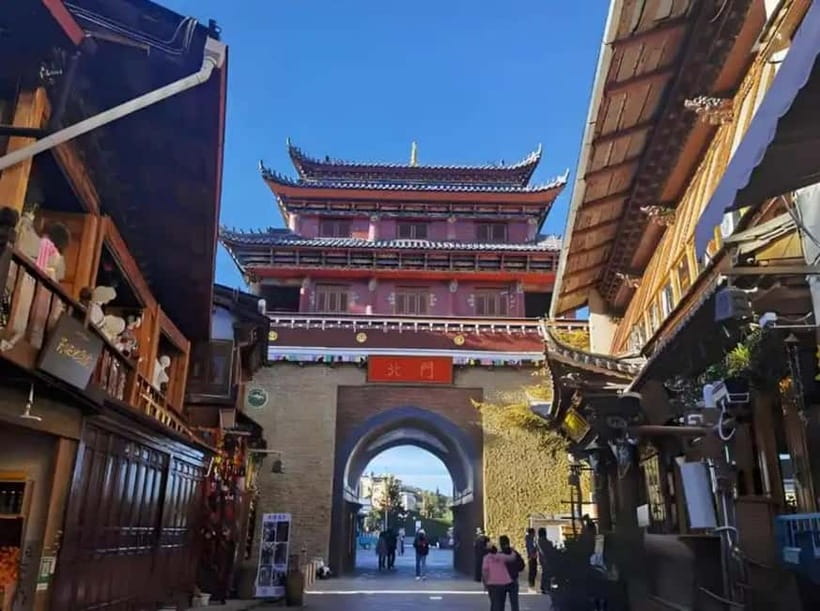
Then the day lands in the classic setting most people think of when they hear Shangri-La: Dukezong Ancient Town. You’ll see traditional Tibetan-style architecture with stone houses and sloping roofs. As you walk cobblestone streets, prayer flags flutter in the breeze, and the whole place has a calm, spiritual rhythm.
Dukezong is a nice closer for this specific tour because it gives your day a “human scale.” After mountains and grasslands, the town lets you reset your eyes and slow down a bit.
Timing, Weather, and What You’ll Need to Bring at Elevation
You’re outdoors for a full day, and you’re at altitude. That means you should dress for layers and plan for discomfort that can change quickly.
Bring:
- Comfortable shoes with grip
- Warm clothing, even in season
- Hat and sunscreen
- Water and snacks (meals are not included)
- Camera
- Insect repellent
Also, be ready for varying weather conditions. The tour notes it directly, and it’s one of those practical warnings that saves people from a bad end to the day. Even if you only feel cold for 10 minutes at a viewpoint, that’s the difference between enjoying the view and rushing through it.
One more tip: you’ll want your small essentials handy. The info suggests a daypack for what you need, and that’s smart when you’re hopping between stops.
If you’re worried about safety or stamina, read the “not suitable for” list carefully. This itinerary is not a match for people with mobility limits, certain heart or respiratory issues, or anyone who’s strongly uncomfortable with heights or vertigo.
Price and Value: What the $118 Covers (and What You Pay On the Side)
At $118 per person, the value depends on what you’re comparing it to. You’re paying for a private vehicle plus hotel pickup/dropoff and a customized itinerary. For a day that includes major regional highlights, that can be a good deal—especially if you’d otherwise spend time piecing together transport and tickets.
But admission costs are not included. Two key items are explicitly listed:
- Tiger Leaping Gorge: CNY 45
- White Water Terrace: CNY 30
Meals and beverages aren’t included either. That means you should budget for food separately, and keep snacks in your bag for the in-between moments when timing gets tight.
The good news is that you’re not stuck paying for everything through the tour company. You can plan your meal strategy, and you still get the convenience of organized transport and stops.
Private Guide vs. Private Driver: How to Get the Most Out of Your Day

This tour is private, and it lists a private guide option plus a private vehicle. The guide language is English and Chinese, and the experience can be very smooth when the communication is solid.
One detail I like about how this sort of itinerary works: the driver often handles the route details and logistics, which helps you avoid losing time to confusion. In past experiences on this route, a dedicated driver named Mr. Lai was specifically praised for being kind and taking care of route details. If your day includes a driver like that, you’ll feel it in how quickly you’re able to move from stop to stop.
Here’s the one consideration: if English matters to you, confirm ahead of time that your guide can actually work comfortably in your language. That’s not about perfection; it’s about making sure you get explanations during the times you’ll want them most—like at cultural stops and viewpoints.
Also, because it’s customized, you can ask for balance. If you want more time at Dukezong, or less time at viewpoints, you can often steer the pacing. The best version of this tour is the one that matches your comfort with walking and heights.
Who This Trip Fits Best (and Who Should Skip It)
This itinerary is best for travelers who want a packed, scenic day with culture woven in—without trying to drive it yourself.
You’ll likely enjoy it if you:
- Want major highlights across the Lijiang to Shangri-La route
- Like both nature viewpoints and village/town walking
- Prefer a private vehicle and hotel pickup
Skip it if you:
- Fear heights or get vertigo
- Have mobility constraints, are using a wheelchair, or have significant back problems
- Have certain heart or respiratory issues
- Are pregnant
- Cannot swim (the info lists this as a limitation)
Even if you’re generally healthy, pay attention to the moderate walking and the reality of cool, windy viewpoints.
Should You Book This Lijiang to Shangri-La Scenic Tour?
If your goal is to see a big mix of canyon drama, limestone formations, grassland grazing life, and Tibetan and Naxi culture in one day, this is a strong choice. The private setup makes it easier to enjoy the stops instead of managing logistics between them.
I’d book it if you can handle:
- A full-day schedule
- Cold wind and changing weather at elevation
- Moderate walking
- Heights at the gorge observation point
I would pause before booking if heights make you nervous or if you know you’ll struggle with vertigo. And if you’re counting on English explanations, plan to confirm your guide’s language comfort before you go.
For the right traveler, this is one of those practical road days where the scenery keeps escalating—and the cultural stops give you context, not just photos.
FAQ
What’s included in the tour price?
The tour includes a private vehicle with hotel pickup and dropoff, a private guide option (if selected), and a customized itinerary. Admission tickets, meals, and personal expenses are not included.
How long is the tour?
The duration is listed as about 10 hours. Starting times depend on availability.
Do I need to pay admission tickets separately?
Yes. Tiger Leaping Gorge has an admission fee of CNY 45, and White Water Terrace has an admission fee of CNY 30. Other admission tickets are not included as well.
What language is the live guide?
The tour lists live tour guiding in English and Chinese.
What should I bring for the day?
Bring comfortable shoes, warm clothing, a hat, a camera, snacks, sunscreen, water, and insect repellent.
Can I return to Lijiang or stay overnight in Shangri-La?
Yes. The plan can be round trip back to Lijiang, or you can choose to stay over in Shangri-La City.