REVIEW · LIJIANG
6-Day Go Beyond Shangrila for Wine & Tibetan Culture of Yunnan
Book on Viator →Operated by Lost Plate · Bookable on Viator
Wine and Tibetan temples in one week. This Yunnan trip strings together Shuhe Ancient Town, valley wineries, and high-altitude stops like Yubeng and Songzanlin, with food-heavy days that keep the pace from feeling rushed.
What I like most is the home-style meals and the way you’re invited into local routines, not stuck doing the usual show-and-souvenir loop. I also like the wine tastings spread across the trip, with real context from the winemakers and the mountains they grow grapes on.
One consideration: the roads get rough and the air gets thin—Yubeng involves a jeep climb near 4000m, and the Sacred Waterfall hike is a serious 15km round trip. If you’re expecting easy sightseeing only, this one asks a bit more.
In This Review
- Key highlights at a glance
- Why this Yunnan wine-and-Tibet mix feels different
- Day 1: Shuhe Ancient Town as your low-stress warm-up
- Day 2: Weixi County and Hada village valley views (plus ancient tofu)
- Day 3: Lisu village history at Cizhong Church and a long-steamed ham porridge
- Days 4–5: Getting to Yubeng Village, the jeep climb, and what to pack
- Day 5: Sacred Waterfall above Yubeng (15km, 300m climb)
- Day 6: Shangri-La County—three wineries, the prayer wheel, and old-town downtime
- Day 7: Grasslands BBQ in white stone + Songzanlin Monastery’s big viewpoint
- Songzanlin Scenic Area and the largest Tibetan monastery in Yunnan
- Day 8: One last Shangri-La wander before you head out
- Practical stuff that affects your comfort (and your photos)
- Driving time and the bumpy reality
- Altitude: the silent variable
- What meals and wine actually mean here
- Group size and pace
- Price and value: is $2,200 fair?
- Who should book this Yunnan trip
- Should you book this tour?
- FAQ
- How many days is the tour?
- Where does the tour start and end?
- What’s included in the price?
- Is alcohol included?
- Are meals included every day?
- What are the key activity highlights?
- How hard is the Sacred Waterfall hike?
- Do I need a special packing plan for Yubeng?
- What’s the group size?
- Can I get a refund if I cancel?
- What happens if the minimum number of travelers isn’t met?
Key highlights at a glance
- Off-the-tourist-track villages with Tibetan and minority daily life baked in
- Wine tastings with mountain views, plus hands-on food moments like family tofu
- Yubeng Village access by bumpy jeeps, with a small-bag packing rule
- Sacred Waterfall hike (optional, but culturally central) above Yubeng
- Songzanlin Monastery: the biggest Tibetan monastery in Yunnan, with high viewpoints
- Boutique guesthouses + solid meal coverage, including breakfast, lunch, and dinner
Why this Yunnan wine-and-Tibet mix feels different
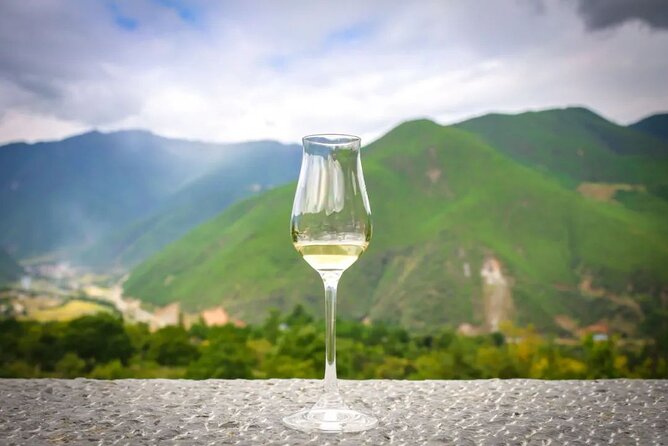
This trip is built around two things that are usually treated separately: food and place. You’re not just drinking wine, and you’re not just touring temples. You do both, and the schedule keeps them connected through the villages, altitudes, and farming/rural traditions that shape what ends up on the table.
The group size helps. With a maximum of 10 travelers, you get a calmer rhythm and fewer wait-times. And Lost Plate-style planning means meals aren’t an afterthought. Breakfast, lunch, and dinner are scheduled on most days, so you’re not constantly hunting down food when the day’s driving and walking start stacking up.
You can also read our reviews of more tours and experiences in Lijiang.
Day 1: Shuhe Ancient Town as your low-stress warm-up
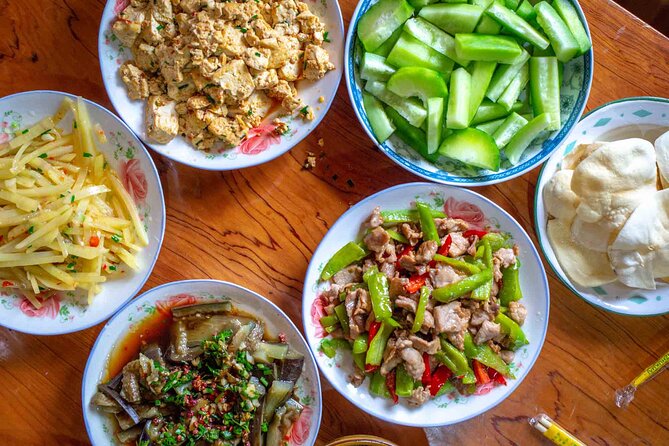
You start in Lijiang and base yourself in Shuhe Ancient Town. This is the kind of place where you can get your bearings fast—cobblestone lanes, tea and coffee stops, and an easy walk from your boutique guesthouse.
Day 1 also includes an airport pick-up on arrival day, until 3pm. If you arrive before then, the handoff is straightforward. After you meet your English-speaking guide and the rest of the group at a nearby Naxi minority restaurant, the day is basically yours—wander by foot, sip something warm, and rest up before the mountain driving begins.
Value note: even though Shuhe isn’t the headline, it sets the tone. You’re not jumping into altitude and long drives on day one.
Day 2: Weixi County and Hada village valley views (plus ancient tofu)
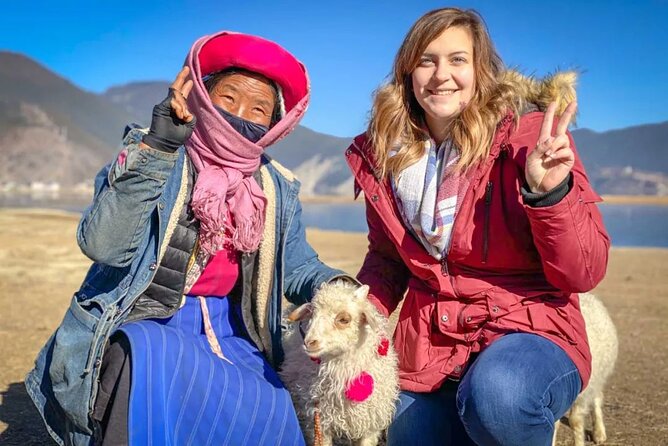
Day 2 heads out of Lijiang toward mountain canyons to Weixi County and the small village of Hada, tucked in a green river valley. The drive matters here. You’re going deeper, away from main tourist circuits, and the payoff is the view from the winery stop later in the day.
The winery experience is more than just tasting. You lounge on the patio with valley views and sample the white wines included on this trip. Then comes a food moment I really like for its specificity: at a local home, you learn how their family has made tofu since ancient times. That kind of “how this is made” detail gives your meal a story, even if you’re just eating it for fun.
If you’re the type who wants culture that shows up in everyday work—grain, soy, and patience—this day delivers.
Day 3: Lisu village history at Cizhong Church and a long-steamed ham porridge
This is an off-track day in both the literal and culinary sense. You head to a hillside village hidden away from regular routes: the oldest and most preserved Lisu minority village left in Yunnan.
You’ll explore 300-year-old houses and local life that feels much less staged than the usual heritage stops. The real highlight is dinner-in-disguise: a local cured ham leg porridge that stews for four hours before it reaches the table. That timing is a huge clue about what you’re eating. This isn’t quick comfort food; it’s slow-cooked and built for communal serving.
After lunch and village time, the day shifts to Cizhong Church, founded by a French missionary in 1867. Locals still practice Catholicism there. Even more interesting for wine lovers: a type of French-origin grape was brought from France and later died out elsewhere—so Cizhong is described as the only place in the world with this grape. You don’t need to be a sommelier to appreciate why a place like this matters. It’s a real geographic footnote.
Days 4–5: Getting to Yubeng Village, the jeep climb, and what to pack
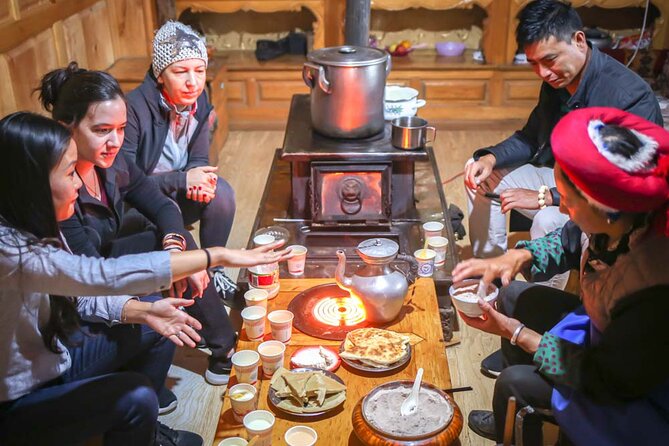
Yubeng is the big altitude centerpiece. It’s locally referred to as Heaven on Earth, and it sits below Meili Mountain. Getting there is part of the experience: you take jeeps over high mountain passes, climbing toward altitudes near 4000m before descending into Yubeng.
Here’s the practical part that you need to plan around. Due to limited jeep space, you can bring only a small overnight bag/backpack for the two nights. Your larger luggage is stored securely in the van. If you pack like you’re going to a resort, this will feel restrictive. Pack like you’re going to hike, layer, and keep things simple.
Once you arrive, Yubeng is made up of 23 families, and it’s described as largely inaccessible to the outside world for most history. That matters because it changes how the place feels. You’re not just viewing a scenic spot—you’re walking around a living village with routines that have been shaped by remoteness.
Day 5: Sacred Waterfall above Yubeng (15km, 300m climb)
After a slower morning, you get the option of a hike to the Sacred Waterfall above Yubeng. Tibetan pilgrims travel from far away to visit, pray, and seek blessings. The story attached to the water is spiritual—cleansing the soul, washing away sins, and bringing blessings for the year ahead.
The hike is demanding: it climbs 300m at high altitude and is about 15km round trip. The route is made easier than it used to be with a paved trail and stairs, but you still need proper walking shoes and layered clothing. If your knees aren’t happy on uphill stair sections, you’ll be better off taking the in-village option—relax by the fire or rooftop depending on weather, and keep enjoying the views without forcing the climb.
Day 6: Shangri-La County—three wineries, the prayer wheel, and old-town downtime
Day 6 shifts from high mountain remoteness to a wider Shangri-La base. You return by jeep to the van, and you’ll also stop for a viewpoint over the Jinsha River, including a 360-degree bend view. Then it’s back into wine mode with a third winery stop, again with mountain views.
After that, you get free time in Shangri-La, and this matters. You’re not being rushed into another “must-see” every hour. You can browse local handicrafts and check out the local tea and coffee scene at your own pace.
Before dinner, you visit the biggest Tibetan prayer wheel in the world, and it’s walking distance from your hotel. After dinner, you explore Shangri-La old town for the evening and settle in for two nights.
Day 7: Grasslands BBQ in white stone + Songzanlin Monastery’s big viewpoint
The day starts with views across the Shangri-La grasslands, where horses and yak graze and Tibetan villages sit along the mountain edges. For a lot of people, this is where the trip clicks—because you finally see the scale of the highland world you’ve been driving toward.
Lunch is memorable in a very practical way: you BBQ on large slabs of white stone heated and brought to your table. You grill local meats and veggies, plus melt-in-your-mouth tofu cooked directly on the stone. This isn’t just food—it’s a setup that turns cooking into a shared moment.
Songzanlin Scenic Area and the largest Tibetan monastery in Yunnan
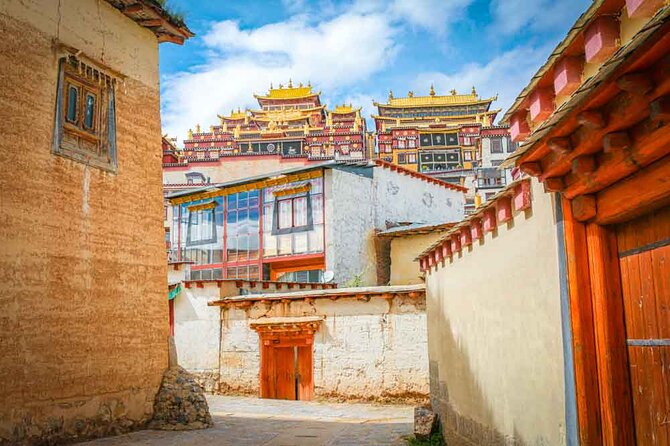
Later, you visit Songzanlin Scenic Area. Songzanlin Monastery sits above a pedestrian-only village filled with Tibetan temples. You climb up to see the monastery, described as the largest Tibetan monastery in Yunnan and dating back to 1679.
The monastery is known for frescos, sculptures, and immaculate architecture, and there’s also a viewpoint at about 3300 meters where you can look over the surrounding highland terrain. Even if you’re not big on religious sites, the combination of art details and altitude views makes this a standout stop.
Day 8: One last Shangri-La wander before you head out
On your last day, you keep it flexible. You can explore Shangri-La old town for last-minute shopping or cafe time. Airport drop-off is included any time today, and if you depart later, the team can recommend what to do and how to get back to Lijiang if needed.
This is a smart ending. You’re not squeezing in another long hike or a rushed monastery visit. You get to end the week feeling like a person, not a checklist.
Practical stuff that affects your comfort (and your photos)
Driving time and the bumpy reality
You’re doing several multi-hour stretches between regions, and you also do jeep travel for Yubeng. This is not the kind of itinerary where you can snack once and sleep through everything. If you’re prone to motion sickness, pack what you need.
Altitude: the silent variable
Yubeng involves a climb toward 4000m, and the Sacred Waterfall hike is at high altitude too. You don’t need to be a mountaineer, but you should take the first day in Yubeng easy and layer up for cold. If you ever feel unwell at altitude, speak up. It’s the one part of the trip you can’t “push through” safely.
What meals and wine actually mean here
The trip includes alcoholic beverages, and meals are scheduled for most days—breakfast 7 times, lunch 6 times, dinner 7 times. That’s a big quality-of-life win. It means you can focus on the experiences rather than timing everything yourself.
Group size and pace
With up to 10 travelers and an English-speaking guide/leader, the pace stays organized. Still, expect a mix of walking, stairs, and long days. This isn’t a sit-and-watch trip every day.
Price and value: is $2,200 fair?
At $2,200 per person, the price looks steep until you line up what’s included. You’re getting:
- 7 nights in “nice, authentic boutique guesthouses”
- A lot of meals: 7 breakfasts, 6 lunches, 7 dinners
- Alcoholic beverages and bottled water
- An English-speaking guide
- Air-conditioned vehicle support
- Airport pick-up on day one and drop-off on day eight
- Admission tickets noted as included for key stops (like Shuhe, Cizhong Church area days, Yubeng days, and Songzanlin)
What’s not included is mostly the obvious travel tax: your flights to and from Yunnan, plus activities during free time not mentioned in the plan.
If you like travel where the meals are part of the story, and you’re excited by wine tastings and minority village visits, this cost starts to make sense. If you want only top-of-the-line hotels, or you hate long drives, you may feel the value slipping. This trip’s value is in the combination: wine + food + off-track culture + big monasteries + high-altitude views.
Who should book this Yunnan trip
I think this fits best if you:
- Want wine tastings tied to local life, not just a quick cellar stop
- Like food that has backstory—like long-steamed porridge and family-made tofu
- Are excited by Tibetan culture and monastery architecture (Songzanlin is a real anchor here)
- Can handle altitude and a tough hike option on day 5
- Prefer small groups and clear planning rather than building your own route
It may not be ideal if you:
- Need totally smooth roads and minimal walking
- Are uncomfortable with high altitude or long hikes
- Expect every day to be fully relaxed
Should you book this tour?
If your dream Yunnan trip includes wine tastings, real village meals, and the dramatic pull of Meili Mountain country, I’d say book it—especially for the chance to get to Yubeng and see Songzanlin up close. The itinerary is structured so you eat well, learn something specific at each stop, and still get real free time once you reach Shangri-La.
Just be honest with yourself about stamina. You’re signing up for bumpy jeep travel and a hike that can be 15km if you choose it. If you’re okay with that trade, this is the kind of trip that leaves you with stories tied to taste, altitude, and faces—not just photos.
FAQ
How many days is the tour?
The itinerary runs for about 8 days (7 nights). It includes a day-by-day program from arrival in Shuhe through departure from Shangri-La.
Where does the tour start and end?
It starts at Lijiang Airport, with airport pick-up on the first day. It ends with airport drop-off included on the last day.
What’s included in the price?
Included are 7 nights in boutique guesthouses, English-speaking guide/leader, breakfast/lunch/dinner on the scheduled days, bottled water, air-conditioned vehicle transportation, alcohol, and admissions where listed in the itinerary.
Is alcohol included?
Yes. Alcoholic beverages are included as part of the tour.
Are meals included every day?
Breakfast is included 7 times, lunch is included 6 times, and dinner is included 7 times, based on the scheduled program. Free time days are flexible.
What are the key activity highlights?
You’ll do wine tastings at local wineries, visit Shuhe Ancient Town, explore off-track minority villages (including Lisu and Catholic Cizhong Church), visit Yubeng Village and the Sacred Waterfall option, and see Songzanlin Monastery.
How hard is the Sacred Waterfall hike?
It’s described as strenuous: about 15km round trip, with a 300m climb at high altitude. You’ll want good hiking shoes and layered clothing.
Do I need a special packing plan for Yubeng?
Yes. For the two nights in Yubeng, the jeeps have limited space, so you can bring only a small overnight bag/backpack. The rest of your luggage is stored securely in the van.
What’s the group size?
The maximum group size is 10 travelers.
Can I get a refund if I cancel?
No. The experience is non-refundable and cannot be changed for any reason.
What happens if the minimum number of travelers isn’t met?
If the minimum isn’t met, the experience may be canceled, and you’ll be offered a different date/experience or a full refund.