REVIEW · DALI
9 days Ancient Town Tour
Book on Viator →Operated by Ciel Yunnan · Bookable on Viator
This trip hits Yunnan where the big highlights get personal. You’ll move through ancient towns and minority villages tied to the Tea Horse Road, then finish with Lijiang’s Naxi world and a classic gorge day.
I like that you get an English-speaking guide and scheduled pickups, so you’re not wrestling transport or timing. I also like the mix of famous stops and quieter places like Xizhou and Nuodeng.
One thing to keep in mind: it’s a marathon of driving and walking, with long transit days and several half- to full-day sightseeing blocks.
In This Review
- Why This 9-Day Ancient Town Route Works in Real Life
- Key Things I’d Watch for (and Actually Like) Before You Book
- Day 1 in Dali Old Town: First Views, Then History on Foot
- Day 2: Xizhou Morning Market, Hui Village Stop, and Weishan Old Town
- Day 3: Weibaoshan Taoist Temples Before the Millennium Bai Feel of Nuodeng
- Day 4: Nuodeng in the Morning, Then Shaxi’s Old Town by Afternoon
- Day 5: Shibaoshan Caves and a Temple on the Cliff, Then Riding Around Shaxi
- Day 6: Tiger Leaping Gorge and the Shift to Shangri-La County
- Day 7: Tibetan Markets and Songzanlin Monastery, Then the Transfer to Lijiang
- Day 8: Early Lijiang Ancient Town, Black Dragon Pool, and Baisha Village Stops
- Day 9: Depart Lijiang With a Final Transfer
- Price and Value: What $1,820 Actually Buys You
- What You’ll Want to Bring (So the Trip Feels Easy)
- Who This Tour Fits Best
- Should You Book This 9-Day Ancient Town Tour?
- FAQ
- FAQ
- How long is the tour?
- Where does the tour start and finish?
- What’s the price for the 9-day Ancient Town Tour?
- Does the tour include pickup from the airport or railway station?
- Are meals included?
- Are admission tickets included?
- Is there an English-speaking guide?
- Is this tour private or group-based?
- What should I know about fitness level?
- What are the cancellation terms?
- When does the experience operate?
Why This 9-Day Ancient Town Route Works in Real Life
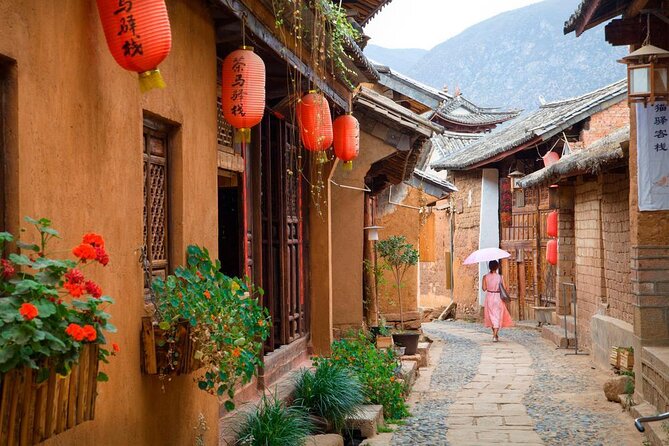
If your goal is not just photos, but understanding Yunnan’s cultures as you travel, this itinerary is built for you. You start in Dali old town, work your way through Bai, Hui, Taoist, and Tibetan-influenced areas, and end in Lijiang with time to see the old town and villages before crowds stack up.
You also benefit from the structure: hotel pickups at set times, an air-conditioned vehicle, and meals mostly handled for you (breakfast daily, plus a mix of lunches and dinners). That matters because Yunnan’s distances can feel bigger than they look on a map.
Finally, you travel as a private group (only your group participates), which usually makes the day feel smoother: fewer strangers, fewer mismatched agendas, more time to ask questions.
Key Things I’d Watch for (and Actually Like) Before You Book
- English guide support: The tour includes an English-speaking guide to explain places beyond the basics.
- Tea Horse Road focus: You’ll visit villages connected to this trade corridor, not just “pretty towns.”
- A strong cultural sequence: Bai towns in Dali, then Hui settlements, Taoist sites, and Tibetan monasteries.
- Big nature day included: Tiger Leaping Gorge is a centerpiece, not an afterthought.
- Early timing in Lijiang: You get time in Lijiang Ancient Town and Black Dragon Pool without waiting all day.
You can also read our reviews of more tours and experiences in Dali.

Day 1 in Dali Old Town: First Views, Then History on Foot

Day 1 starts with comfort: a guide meets you at the airport or railway station with a nameplate, then you transfer to your hotel by private car. The hotel check-in is after 14:00, so if you arrive earlier, plan for a bit of waiting rather than instant room access.
Once you’re settled, you’ll visit Dali Ancient (Dali Old Town). This is where you get your bearings in a place that was once tied to the Nanzhao imperial center. The practical advantage here is simple: you start with a walkable core, so you can judge your pace and shoes before the driving ramps up over the next days.
Tip for your planning: if you’re sensitive to altitude or just want an easier first evening, take a slow loop and save your longer exploring for later mornings.
Day 2: Xizhou Morning Market, Hui Village Stop, and Weishan Old Town
Day 2 is a classic “texture day” for Yunnan. First comes Xizhou Morning Market, known for well-preserved folk houses tied to Bai culture. Even if you’re not shopping, the market time helps you understand daily life—food, small routines, and how people move through town.
Next you head to Donglianhua Village, a Hui minority settlement. You can visit a Tea and Horse Museum and a local mosque. This combination is useful because it frames the Tea Horse Road as a cultural system, not just a romantic travel story.
Then you finish in Weishan Ancient City, where you have free time to wander: wooden houses, small stalls, and a museum with unique artifacts. The drawback is that you’ll likely move from one “check this box” cultural stop to another, so build in downtime at Weishan instead of trying to cover every corner.
Day 3: Weibaoshan Taoist Temples Before the Millennium Bai Feel of Nuodeng
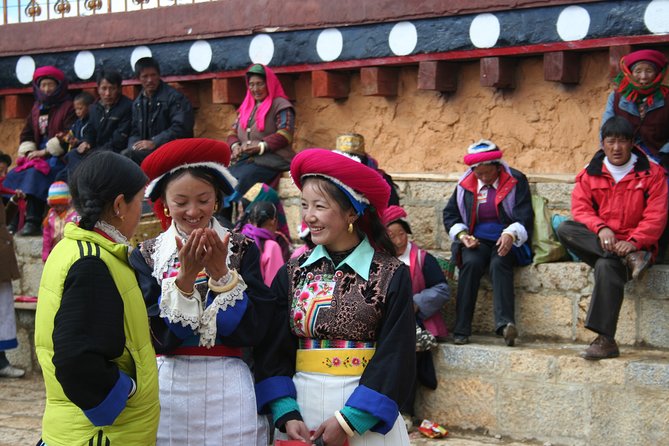
Day 3 starts with the Weibaoshan Taoistes (Weibaoshan Mountain and its Taoist temples). This area is known as one of China’s famous Taoist mountains, with many temples built through the Ming and Qing dynasties. For me, what makes it worth your time is how the architecture and site layout explain belief through space—steps, halls, and views working together.
After that, you travel to Nuodengzhen, often described as the Millennium Bai Village. The key idea here is that you’re not just seeing buildings—you’re stepping into a mountainous village setting where the day feels slower and more lived-in.
You’ll have an hour to explore, so treat it like orientation: walk the main paths, look closely at how people use the space, and don’t plan to “master” the whole village in one go.
Day 4: Nuodeng in the Morning, Then Shaxi’s Old Town by Afternoon
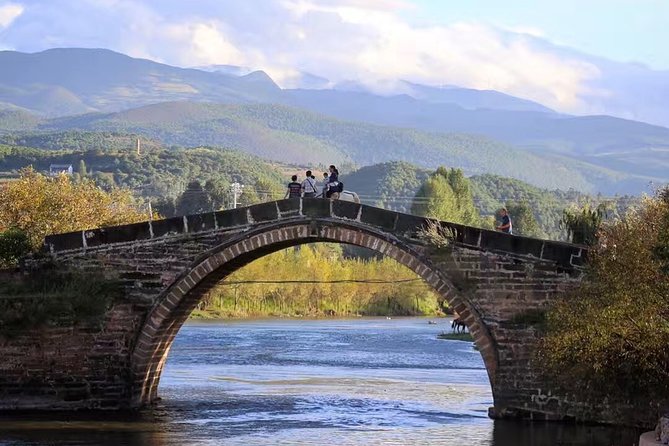
Day 4 begins with another Nuodeng block, giving you a second chance to absorb what you saw the day before. When you return to a place, you catch details you missed earlier—materials, street rhythm, and which small spots feel meaningful.
After lunch timing on your own schedule, you head to Yunnan Shaxi Ancient Town. En route, you pass ancient bridges, which is a nice warm-up for what you’ll see at Shaxi: old streets along the water, temples, and the feel of a trade stop that has aged slowly rather than been rebuilt to match modern expectations.
When you arrive, you can walk the old town, the Shaxi River area, and sights like Xingjiao Temple. In a trip like this, Shaxi is one of the better “slow travel” moments—just don’t confuse “free time” with “no schedule.” You’ll still want to keep your timing tight for pickup and the next day’s start.
Day 5: Shibaoshan Caves and a Temple on the Cliff, Then Riding Around Shaxi
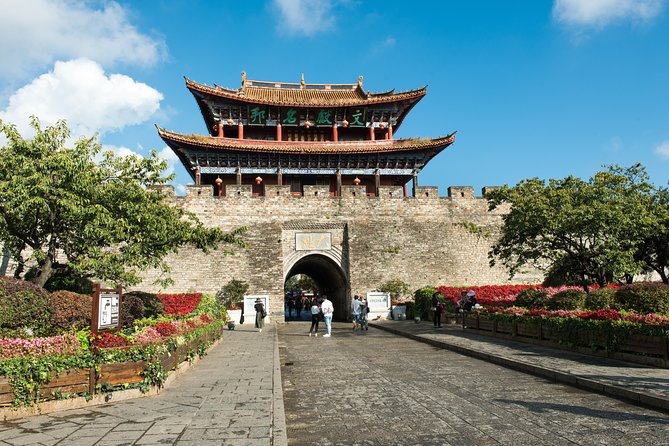
Day 5 has a naturally great arc: cave visit, then a more active countryside explore. In the morning you’ll do Shibaoshan Caves and Baoxiang Temple, famous for colorful Buddha statues housed in a cliff setting. That cliff-temple style makes the visit feel dramatic even when you’re not chasing big-city spectacle.
You can also hike from Shibaoshan Caves to Shaden, which is ideal if you like walking with views and want a break from car-to-car fatigue. If you’re less into long walking, you can still enjoy the cave/temple part and keep the rest lighter.
In the afternoon, you return to Shaxi Ancient Town area time and can explore the countryside by bike or ride a horse (the activity is listed as an option). This is a great way to feel the region beyond town walls, but it’s also where you should judge your comfort level—ride time can be bumpy, and horses are not a controllable “tour bus.”
Day 6: Tiger Leaping Gorge and the Shift to Shangri-La County
Day 6 is your big nature day. You’ll travel from your hotel at 09:00 to Tiger Leaping Gorge (Hutiao Xia). Then you’ll visit the canyon on the Jinsha River, which is a primary tributary of the upper Yangtze system.
What makes Tiger Leaping Gorge a high-value stop is that it’s not just a viewpoint. It’s big-scale geology and river energy, and your guide can help you choose where to spend time based on your walking tolerance. Plan to wear shoes that won’t let you slip on uneven ground.
After the gorge, you drive to Shangri-La County. In the evening you can stroll Shangri-la Old Town and visit Guishan Temple, which is home to a massive prayer wheel. This temple stop is more than a photo: it’s a quick snapshot of how religion and daily space overlap here.
Day 7: Tibetan Markets and Songzanlin Monastery, Then the Transfer to Lijiang
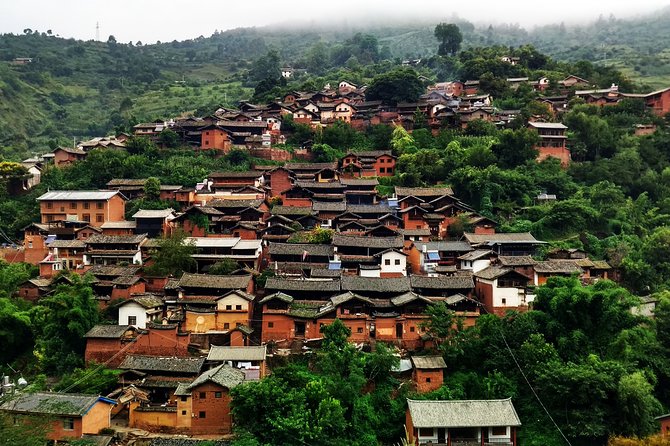
Day 7 keeps the cultural focus, with a Tibetan market first. You’ll visit a local market after pickup at 09:00, then head to Ganden Sumtseling Monastery, also nicknamed Little Potala. It’s described as the largest Tibetan monastery in Yunnan, and that scale shows in how the buildings sit within the site.
After the monastery, you continue travel to Lijiang (180 km, about 4–5 hours). This transition matters because Lijiang feels different from Shangri-La County—more Naxi-town rhythm, more old street texture, and more chance to linger.
This is also where I suggest you mentally switch gears: today is about getting there and letting Lijiang start sinking in, not trying to cover everything in one night.
Day 8: Early Lijiang Ancient Town, Black Dragon Pool, and Baisha Village Stops
Day 8 starts strong with Lijiang Ancient Town, plus a plan that’s genuinely helpful: explore before the crowds arrive. That’s one of the smartest moves on this whole trip because it lets you read the town instead of just surviving it.
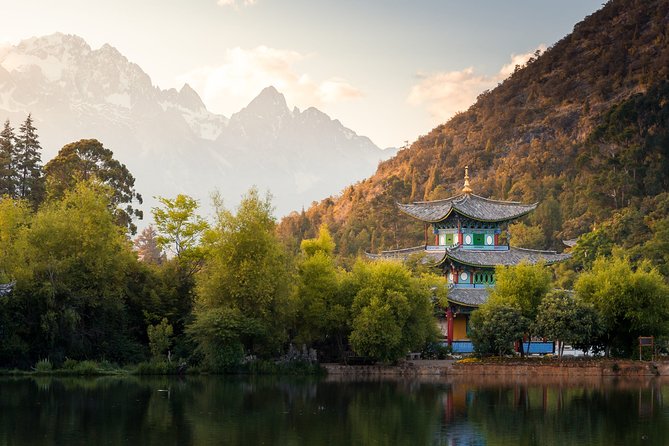
Later you’ll visit Black Dragon Pool, known for beautiful scenery. In the tour flow, you also have time around square dancing, or you can watch/join in depending on your comfort level. Either way, it’s a small cultural moment that makes Lijiang feel like an actual living town.
After that, you head to Baisha Village for Lijiang Mural time, then on to Jade Lake (Yuhu) Village for views over Jade Dragon Snow Mountain. This is a nice payoff day: town texture, then art, then a bigger horizon moment.
You’ll also visit Naxi Baisha village and Shuhe village. If you want the best experience, keep your pace slow and pick one or two lanes to savor—these places are more about atmosphere than ticking off dozens of micro-stops.
Day 9: Depart Lijiang With a Final Transfer
Your last day is straightforward. You’ll get pickup from your hotel and be taken to Lijiang airport or the railway station, then you depart. The value here is that you don’t end with a frantic scramble for transport—your guide/driver handles the handoff.
If you have a late departure, you might still be able to grab something nearby, but the tour itself is designed around getting you out cleanly.
Price and Value: What $1,820 Actually Buys You
$1,820 for 9 days is not cheap, but this price starts making sense when you look at what’s included: air-conditioned vehicle, an English-speaking guide, bottled water, and—most importantly—accommodation plus a big share of meals (8 breakfasts, 7 lunches, and 3 dinners). The itinerary also includes admissions for several major sites like Dali Old Town and multiple scenic areas, which can add up fast if you pay everything separately.
You also get private group operation. Even if it’s not a “luxury” hotel guarantee in the info provided, the private structure helps: your timing and questions match your interests more than a large bus schedule.
Group discounts are mentioned too, which can make the math improve if you’re traveling with companions. Add in the listed mobile ticket option and pickups, and you’re paying for fewer unknowns.
My caution: since you’re paying for included meals and guided site time, you’ll want to be open to the pace. This is efficient travel, not a slow wander-only vacation.
What You’ll Want to Bring (So the Trip Feels Easy)
The tour calls for moderate physical fitness, so pack with walking days in mind. Bring comfortable shoes, a light layer for temple sites, and sun protection. If you’re the type who gets cold easily, also bring a small jacket—mountain regions can shift quickly.
Also, because you may spend time around nature viewpoints and cliff-side temples, plan for uneven surfaces. Good grip matters more than style.
If you want to chase higher-altitude viewpoints later in the route, it’s wise to tell your guide in advance so arrangements can be made. That detail matters for a place like Jade Dragon Snow Mountain where altitude changes the experience.
Who This Tour Fits Best
This is a good match if you:
- Want a guided route that connects ancient towns with cultural context
- Prefer not to figure out transport between Dali, Shaxi, Shangri-La County, and Lijiang on your own
- Like a mix of walking and vehicles, with meals planned so you spend time seeing, not searching
It may be less ideal if you:
- Want a low-transport, minimal-driving trip
- Can’t handle several long days with early starts and active walking blocks
Should You Book This 9-Day Ancient Town Tour?
I’d book it if you like structured travel with room to wander. The best part is the way it strings together Dali, Shaxi, Tibetan monastery time, and Lijiang without making any single day feel pointless. The English guide and pickup system remove the biggest stress in Yunnan travel: getting from place to place and making sure you’re at the right site at the right time.
If you’re injury-prone, very slow-paced, or easily exhausted by driving, you should talk to the operator before locking in. The trip is doable, but it’s built as a steady flow, not a relaxed shuffle.
FAQ
FAQ
How long is the tour?
The tour duration is approximately 9 days.
Where does the tour start and finish?
It starts in Dali and ends in Lijiang, with departure to the Lijiang airport or railway station on the final day.
What’s the price for the 9-day Ancient Town Tour?
The price listed is $1,820.
Does the tour include pickup from the airport or railway station?
Yes. A guide will pick you up from the airport or railway station and transfer you to your hotel by private car.
Are meals included?
Yes. Breakfast is included for 8 days, lunch for 7 days, and dinner for 3 days.
Are admission tickets included?
Admission tickets are included for several specific stops, while other town-wandering areas are listed as admission free.
Is there an English-speaking guide?
Yes. The tour includes an English-speaking guide.
Is this tour private or group-based?
It’s a private tour/activity, and only your group will participate.
What should I know about fitness level?
You should have a moderate physical fitness level.
What are the cancellation terms?
You can cancel up to 6 days in advance for a full refund. For a 50% refund, cancel 2–6 full days before the experience starts.
When does the experience operate?
The listed opening hours are Monday–Sunday, 9:00 AM–5:00 PM, within 04/15/2020–11/26/2026.