REVIEW · DALI
Eat Your Way Through Yunnan’s Tea & Horse Road, from Dali to Lijiang, 8-day Trip
Book on Viator →Operated by Lost Plate · Bookable on Viator
Food fixes you fast. This 8-day trip follows Yunnan’s Ancient Tea & Horse Road and turns each stop into the kind of meal you’d miss if you traveled on your own. I especially like how the days mix eating with small-town wandering, so you get flavor and context, not just photos.
I love the Naxi-focused cooking experiences, from shopping at Lijiang’s oldest market to cooking with a traditional Naxi family. The food also feels practical and varied, with real comfort dishes plus Dai and other Yunnan minority specialties.
One thing to think about: the Tiger Leaping Gorge hike is optional, but when you choose the route, it’s a moderately difficult 3.5-hour round trip. If you’re not into sustained walking, you’ll want to plan for a quieter day at the guesthouse instead.
In This Review
- Key takeaways before you go
- Why this Dali to Lijiang food route feels different
- Day 1 dinner in Dali Ancient: the start that tastes like a welcome
- Day 2 Dali market mornings, Bai lunch, then Xizhou check-in
- Xizhou baba day: charcoal-oven bread and horse-worn streets
- Shaxi in full: hotpot lunch, coffee stops, and countryside biking
- Tiger Leaping Gorge: the view, the choice, and the gorge breakfast
- Shuhe in Lijiang: quieter old-town energy and a strong final dinner
- Lijiang’s oldest market to Naxi cooking studio: how you learn by doing
- Accommodations and comfort: boutique guesthouses with Western amenities
- Price and logistics: does $2,200 make sense for what you get?
- Who this tour suits best (and who might want another option)
- Should you book this Dali to Lijiang Tea Horse Road food trip?
- FAQ
- Where does the tour start and end?
- What’s included in the price?
- Does the itinerary include a cooking class?
- Is the Tiger Leaping Gorge hike required?
- Is transportation included?
- How many people are in the group?
- What happens if you cancel?
Key takeaways before you go
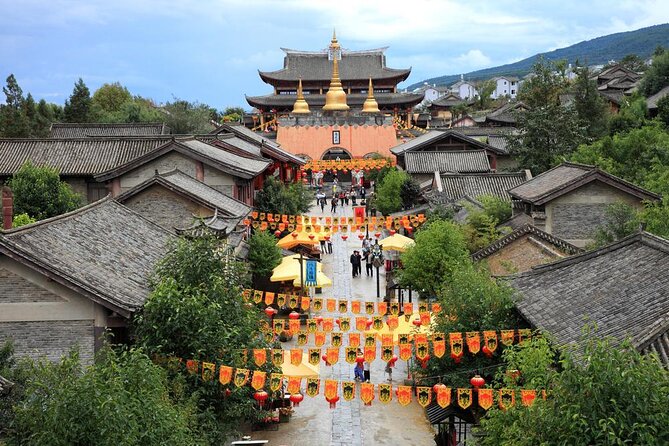
- Tea & Horse Road eating route from Dali to Lijiang with markets, family restaurants, and village stops
- Naxi cooking class that starts with market shopping, then turns into a hands-on lunch
- Tiger Leaping Gorge stay with gorge-view breakfast and an optional canyon hike
- Small group size (max 10) plus an English-speaking guide and private ground transport
- Cycling time in Shaxi countryside—not just sightseeing, but moving through the area
Why this Dali to Lijiang food route feels different
Most tours do the sights. This one does the food, then uses the food to explain the place. That’s the trick: you’re not just eating because it’s included. You’re eating because each town has a distinct food culture, and the itinerary is built around that.
The group size matters. With a maximum of 10 people, the schedule feels human instead of factory-paced. You’ll also get private transportation each day, so you spend less time wrangling transit and more time actually arriving when the day’s meals and markets make sense.
Another underrated win is the balance of structured and free time. You’ll have guided meals and planned stops, but you also get windows to explore Dali old town and Shaxi on your own. That helps you turn the food into memories tied to streets, courtyards, and local rhythms.
You can also read our reviews of more tours and experiences in Dali.

Day 1 dinner in Dali Ancient: the start that tastes like a welcome
Your first evening is a local walking food tour in Dali Ancient—Lost Plate-style—with about four hours of sampling. The menu is aimed at variety, not just volume: locally made rice noodles, fried cheese, street snacks, and then a Dai minority feast served on a platter big enough to qualify as a group project.
Even if you’re a light eater, this format is smart. You can try many things without committing to one dish for an entire meal. It also sets you up for the rest of the trip. Dali can be confusing at first glance. A food tour helps you learn how the town tastes before you start navigating lanes by yourself.
If you’re sensitive to spice, check in with your guide before you start sampling. Many Yunnan dishes do include chilies, and some restaurants go heavy-handed.
Day 2 Dali market mornings, Bai lunch, then Xizhou check-in

Day 2 starts in a part of Dali that’s popular with locals, not just tour traffic. You’ll grab a popular breakfast, then explore a local market that sprawls through small lanes. The useful part here is that it’s not one tidy market box. It’s spread out like real life, so you learn how ingredients and snacks show up in everyday shopping.
After that, you’ll have time to explore Dali old town. Then the day shifts to a Bai minority lunch. The Bai food and Dali rhythms together make a good two-part intro: minority cuisine on one side, classic town lanes on the other.
Later, you head to Xizhou Town and check in to your guesthouse. Dinner there focuses on fresh, local flavors: freshly caught fish, local chicken with chili and rice cakes, plum-fried pork, and fried eggs scented with jasmine flower. This is one of those dinners where the details matter because each dish tastes like a local specialty, not a generic “tourist menu.”
Xizhou baba day: charcoal-oven bread and horse-worn streets
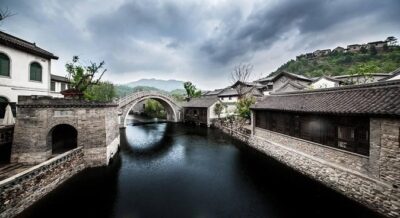
Xizhou is built for slow walking. You’ll move through cobblestone streets marked by horse-worn paths, with wooden buildings and distinct architectural styles. It’s the kind of place where you can tell which buildings have real local history just by looking at how they were built and used.
Then you’ll try Xizhou Baba, a bread that’s baked in a charcoal oven and only found in this village. You’ll see how it’s prepared and baked, and you get to choose between savory pork stuffing or sweet rose paste. That’s a great hands-on food moment because it’s specific to place. You can’t easily copy it at home.
Lunch and the next leg of the day bring you to Erhai Lake for a lakeside meal—local shrimp, fish, and more. The lake stop is not just scenery. It’s a food logic stop: seafood and lake produce make sense here, and the itinerary uses that.
The day ends with Shaxi Ancient Town check-in and dinner in a family courtyard restaurant. Your Shaxi dinner starts with meticulously made pork-stuffed lima beans, cured meats, and local fried cheese, then continues with additional dishes chosen based on what’s best at the market that day.
Shaxi in full: hotpot lunch, coffee stops, and countryside biking
Shaxi takes the pace down a notch. You spend the day in Shaxi with a leisurely morning that includes time to explore coffee shops and a bakery. That may sound simple, but it’s a smart way to break up the food theme. You’re not only eating meals; you’re also seeing how people drink coffee and buy baked goods day-to-day.
For lunch, you’ll have hotpot. Hotpot is a good choice on a food tour because you can taste multiple ingredients in one meal. It also tends to work for different spice tolerances, since you can adjust what you dip and how much chili you ask for.
Later comes the cycling: a bike ride through the countryside with stops at a mountainside cafe and a bookstore. The practical value here is big. On a food tour, your appetite can turn into a blur if you only sit. Cycling helps you work up an appetite without the stress of planning route logistics.
Dinner in Shaxi again is another local experience. The itinerary keeps returning to family-style meals rather than defaulting to western menus. You’ll feel the pattern: eat, walk, taste again.
Tiger Leaping Gorge: the view, the choice, and the gorge breakfast
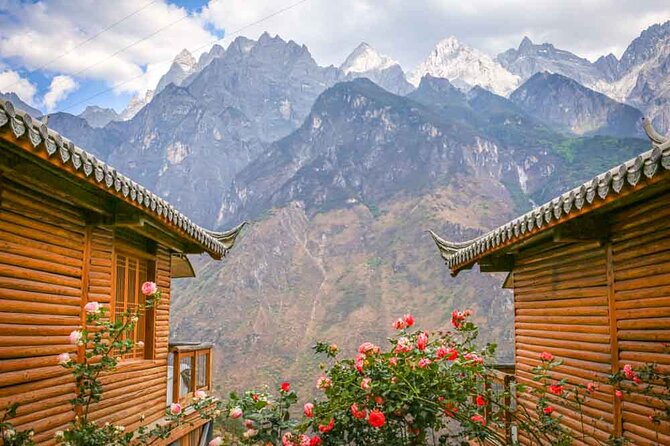
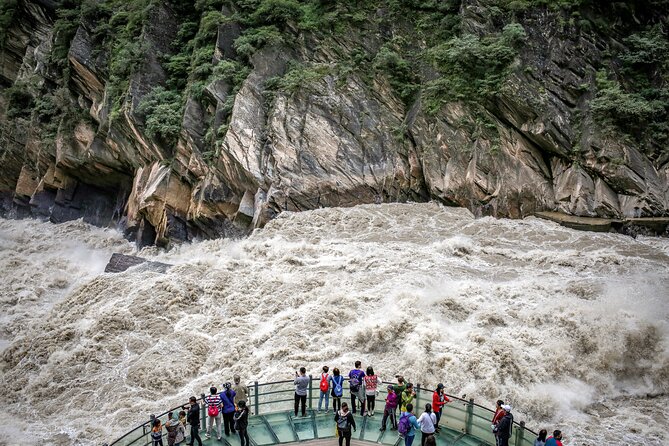
Tiger Leaping Gorge (Hutiao Xia) is the centerpiece, and the schedule respects that. First you go to a viewing deck at the mouth of the canyon, where you can see the Yangzi River’s upper waters forced through one of the deepest gorges in the world. The setting is awe-worthy in a literal sense: the scale makes the rest of your trip feel more grounded.
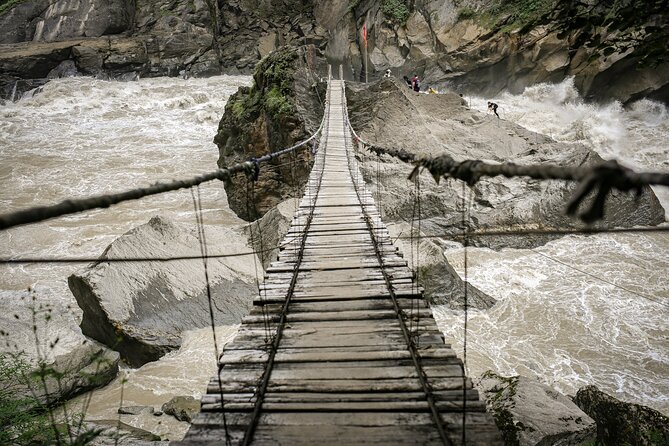
After that, you head to the middle of the gorge. Here’s the choice point. There’s an optional moderately difficult 3.5-hour round-trip hike down toward the river, including suspension bridges, waterfalls, and rock islands in the river. Then you go back up on a breathtaking loop hike.
If you don’t want the hike, the itinerary gives you a real alternative: you can relax at the guesthouse for the afternoon. That flexibility matters. It keeps the trip from forcing everyone into the same level of effort.
The second day in the gorge is all about lingering. You get a leisurely morning with some of the best breakfast views in China, plus downtime. This is where that extra overnight in the gorge region pays off. You’re not racing the landscape at sunset and leaving immediately. You’re there long enough to wake up and look again.
Shuhe in Lijiang: quieter old-town energy and a strong final dinner
After the gorge, you base in Shuhe Ancient Town, a less touristy old town within Lijiang. You stay here for two days, which gives you time to return to the same streets at different hours. That’s how you notice the real texture: courtyards, snack rhythms, and smaller lanes where you don’t have to fight crowds.
You also get Baisha Ancient Town visit. Baisha is described as Lijiang’s oldest village. You’ll explore cobblestone lanes and focus on quiet architecture and views, with time to grab a coffee.
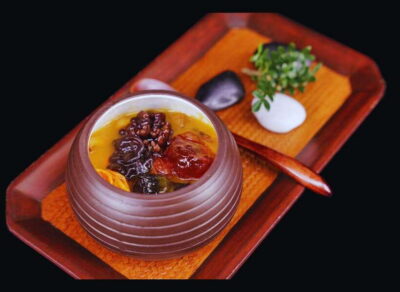
Then comes the final Shuhe dinner: a huge selection of local Naxi minority dishes. Highlights include roast pork belly with mint, fried eggplant, and spicy fish. When a food tour ends on a spread like this, it’s not random. It’s your chance to taste the local identity after spending days moving through different Yunnan food cultures.
And since Shuhe is where you sleep, you’re not ending the trip by trekking across town just to eat. Dinner feels like part of your routine, not the last frantic stop.
Lijiang’s oldest market to Naxi cooking studio: how you learn by doing
Day 7 is the cooking day with serious substance. You start with Lijiang’s oldest market, shopping for the class. This is where the tour teaches you how Naxi food culture works day-to-day: you shop alongside Naxi locals with woven-basket backpacks, then you carry those ingredients to the cooking studio.
The hands-on class is led by a traditional Naxi family. Everyone makes three dishes, and you eat the results for lunch. This is the kind of lesson that sticks because it’s tied to real ingredients, not a demo kitchen with travel-sized portions.
What I like about this setup is that it doesn’t treat cooking as a souvenir activity. It’s not just mixing and chopping. You learn through the full chain: market selection, then cooking, then eating what you made with other group members in the same shared meal.
If you’re nervous in kitchens, don’t worry too much. The itinerary is built to keep you in a guided, structured flow with a small group and an English-speaking guide.
Accommodations and comfort: boutique guesthouses with Western amenities
You get 7 nights in very nice, authentic boutique guesthouses with Western amenities. That matters more than it sounds. When you’re hiking, cycling, and moving daily, you’ll appreciate rooms that don’t require guesswork about showers, outlets, or basic comfort.
Tiger Leaping Gorge gets the special treatment. The plan includes a private villa overlooking Tiger Leaping Gorge, plus boutique poolside accommodation with gorge views. Even one extra night with a view changes how the days feel. Instead of ending at a generic hotel and heading straight to sleep, you can actually slow down in the space you’re staying.
Daily water and beer are provided with meals, which also helps the logistics. You don’t have to calculate what to buy at each stop.
Price and logistics: does $2,200 make sense for what you get?
$2,200 per person for an 8-day Dali-to-Lijiang food-focused itinerary is not cheap. But it can be good value if you care about three things: transportation comfort, guided food experiences, and a real overnight in Tiger Leaping Gorge.
Here’s what your money buys beyond “food is included.” You get:
- 7 nights in boutique guesthouses with Western amenities
- airport pick-up on day 1 and an airport drop-off on day 8 in Lijiang
- an English-speaking guide and private ground transportation each day
- tickets/entrance fees at attractions
- bicycles included for the ride
- breakfast (7), lunch (6), dinner (7), plus all food and drinks during the meals mentioned
Flights to and from Yunnan are not included. That’s the one big budget item you still need to plan for.
For value, compare it to the cost of building this trip yourself: private transport between Dali, Xizhou, Shaxi, the gorge area, and Lijiang; plus guides who can explain what you’re eating; plus cooking class fees. Doing that independently is usually more expensive once you add time, hiring help, and making sure you don’t waste days on logistics.
Who this tour suits best (and who might want another option)
This fits you if you want a food itinerary that’s tied to place, not just random restaurant hopping. You should enjoy markets, family restaurants, and learning through activities like the Naxi cooking class and the charcoal-oven baba moment.
You’ll also like the mix of moderate outdoor time and softer pacing. Shaxi gives you cycling and coffee/bakery time. Tiger Leaping Gorge gives you a dramatic setting plus a hike that’s optional.
If you hate hills and long walks, your main decision is the gorge hike. The itinerary clearly offers a choice: hike with the 3.5-hour round trip and canyon route, or relax at the guesthouse instead. That makes the trip more flexible than many “must do this trail” programs.
Should you book this Dali to Lijiang Tea Horse Road food trip?
I’d book it if you’re drawn to the idea of learning Yunnan through eating—Dai and Bai food in Dali, Xizhou specialties, Shaxi market meals, then a Naxi cooking class in Lijiang. I also like the way it treats Tiger Leaping Gorge as more than a day trip by giving you time for breakfast views and an overnight.
If your ideal trip is purely scenic with minimal effort, you might feel the pace. But with the optional hike and the built-in downtime, you’re not stuck doing everything at full intensity.
Bottom line: if you want a guided food journey with thoughtful stops, small-group attention, and real local meals from Dali to Lijiang, this is a strong match.
FAQ
Where does the tour start and end?
It starts at Dali Airport and it runs through Dali, Xizhou, Shaxi, Tiger Leaping Gorge, and Lijiang. Airport drop-off in Lijiang is included on the last day.
What’s included in the price?
The price includes 7 nights in boutique guesthouses with Western amenities, private ground transportation each day, an English-speaking guide, entrance fees, bicycle use, airport pick-up and drop-off, and meals listed in the itinerary (7 breakfasts, 6 lunches, and 7 dinners), plus daily water and beer with meals.
Does the itinerary include a cooking class?
Yes. In Lijiang, you shop in the oldest market for the class, then cook three dishes in a private studio with a traditional Naxi family, and eat them for lunch.
Is the Tiger Leaping Gorge hike required?
No. There’s an optional moderately difficult 3.5-hour round-trip hike down to the river area, with suspension bridges, waterfalls, and rock islands. If you skip it, you can relax at the guesthouse in the afternoon.
Is transportation included?
Yes. You’ll have private ground transportation provided each day, plus airport transfers (pick-up first day, drop-off last day).
How many people are in the group?
The group maximum is 10 travelers.
What happens if you cancel?
This experience is non-refundable and cannot be changed for any reason. It also requires a minimum number of travelers, and if canceled due to not meeting that minimum, you’ll be offered a different date/experience or a full refund.