REVIEW · SHANGHAI
Experience Shanghai Like a Native: A Day in Local Life
Book on GetYourGuide →Operated by Hippo Tour Shanghai · Bookable on GetYourGuide
Shanghai looks different when you shop like locals.
I love the metro-first pacing and the chance to start at Jia Shan Road where people buy daily food and supplies, not souvenirs. The whole day feels built around real routines. One thing to note: you’ll walk a moderate amount, so comfortable shoes matter.
A standout for me is how the English-speaking guide Jenny explains what you’re seeing—especially religion and the meaning behind landmarks. You’ll also get a choice after lunch: the ancient calm of Longhua Temple or the more modern, artsy feel of West Bund. Consider that choice carefully based on whether you want temple focus or creative-industrial contrast.
In This Review
- Key Highlights That Make This Tour Worth It
- Why a “Like a Native” Day Works Better Than a Hotspot Tour
- Starting With the Metro: Hotel Pickup to Jia Shan Road Market
- Tianzifang and Shikumen Lanes: Old Streets Plus Creative Shops
- Supermarket Stop That Shows Real Household Staples
- Lunch at a Community Canteen: What a Local Meal Teaches You
- Longhua Temple vs. West Bund: Pick Your After-Lunch Mood
- Option A: Longhua Temple for a 1,700+ Year Perspective
- Option B: West Bund for Modern Creativity
- Shanghai Library and the French Concession Walk Around Wukang Building
- Metro Day Pass Logistics and How Much Walking to Expect
- Price Value Check: Why $85 for a 6-Hour Local Day Adds Up
- Should You Book This Shanghai Like a Native Tour?
- FAQ
- How long is the Experience Shanghai Like a Native tour?
- Is the tour offered in English?
- What’s included for lunch?
- Do I get help using public transportation in Shanghai?
- Can I choose between Longhua Temple and West Bund?
- Is hotel pickup and drop-off included?
- Is this a private group tour?
- What should I wear and bring for the day?
Key Highlights That Make This Tour Worth It
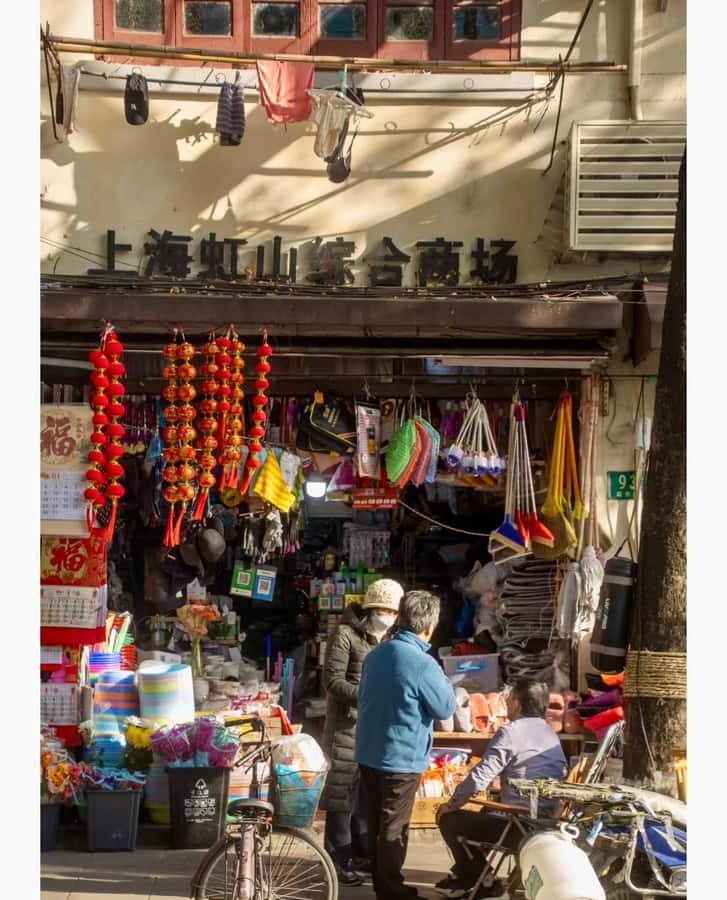
- Jia Shan Road community market: see how Shanghai households shop for produce and seafood.
- Metro Day Pass included: you move like locals instead of waiting for a private car.
- Tianzifang + Shikumen streets: mix old-style lanes with cafes and small creative shops.
- Community canteen lunch: a plain, practical meal that shows daily eating habits.
- Longhua Temple or West Bund option: pick your mood after lunch.
- Wukang Building area in the former French Concession: photo-worthy streets with local energy.
Why a “Like a Native” Day Works Better Than a Hotspot Tour
This is the kind of Shanghai day that doesn’t end with you forgetting which building was which. It starts with routines—shopping, riding the metro, grabbing lunch where people live nearby—and then layers in a few big-name landmarks so you still leave feeling like you saw the city.
For me, the value is in the sequence. You’re not just visiting places. You’re learning how Shanghai connects its daily life—markets and supermarkets—through transit and neighborhood food. That’s what makes the city feel navigable afterward, even if you only have a day.
Also, it’s a private group, so the pace can match you. And with Jenny’s style, the day doesn’t feel like a script. One review story stuck with me: Jenny even helped arrange tickets for a special Egyptian exhibition at the Shanghai Museum. That kind of practical help turns a good day into a useful one.
You can also read our reviews of more tours and experiences in Shanghai.


Starting With the Metro: Hotel Pickup to Jia Shan Road Market
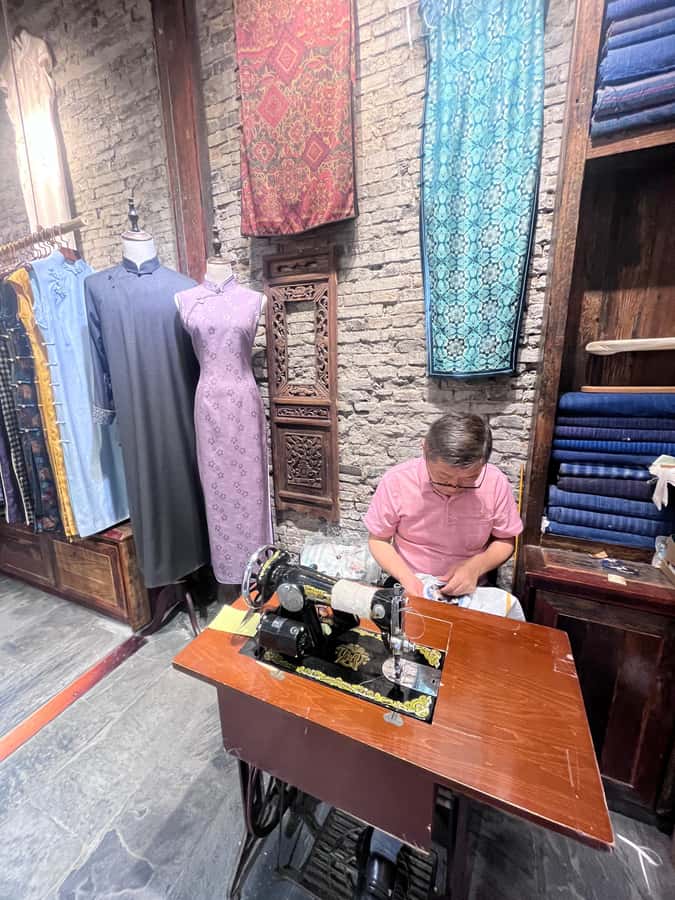
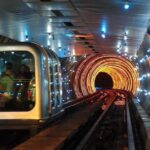
The tour begins with hotel pickup in the city and then shifts quickly into local rhythm via the Shanghai metro. That matters because Shanghai is a big city. If you only ride taxis or private cars, you miss the way locals flow through the city.
You’ll use a metro day pass, which is included, and you’ll get a feel for stations and transfers at a manageable pace. You’re not expected to be a transit expert—your guide helps you stay oriented and keeps you moving.
Then comes the first real “okay, this is different” moment: the Jia Shan Road community market. This isn’t a themed market. It’s where residents buy essentials—fresh produce, seafood, and daily supplies. Watch what people choose and how quickly the shopping part happens. You’ll also get context on Shanghai food culture, which helps when you later order similar dishes in places tourists often skip.
Tianzifang and Shikumen Lanes: Old Streets Plus Creative Shops
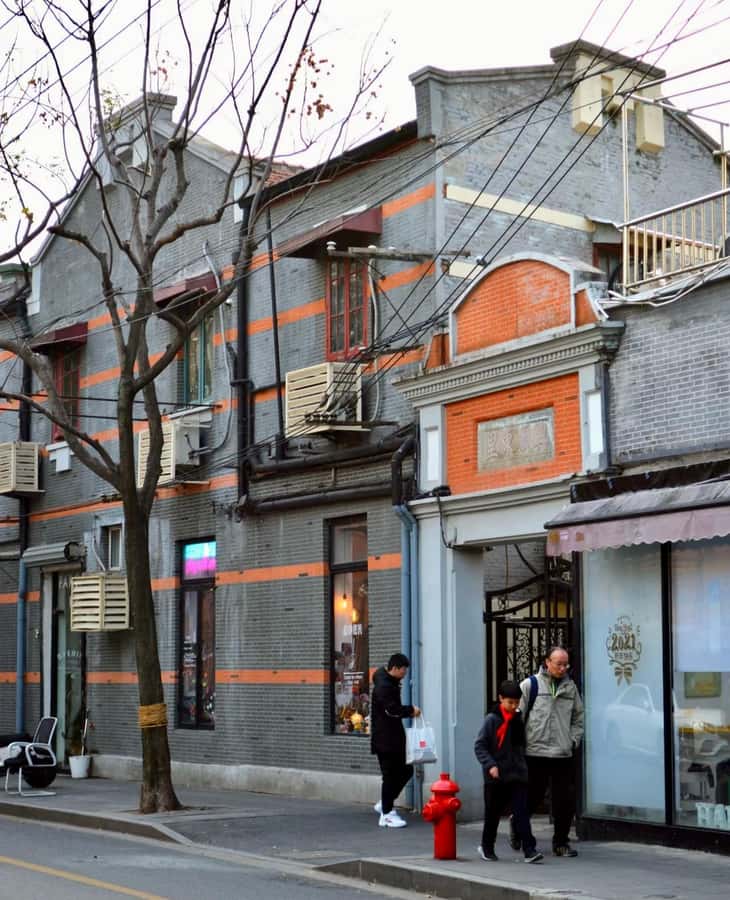
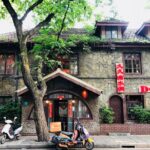
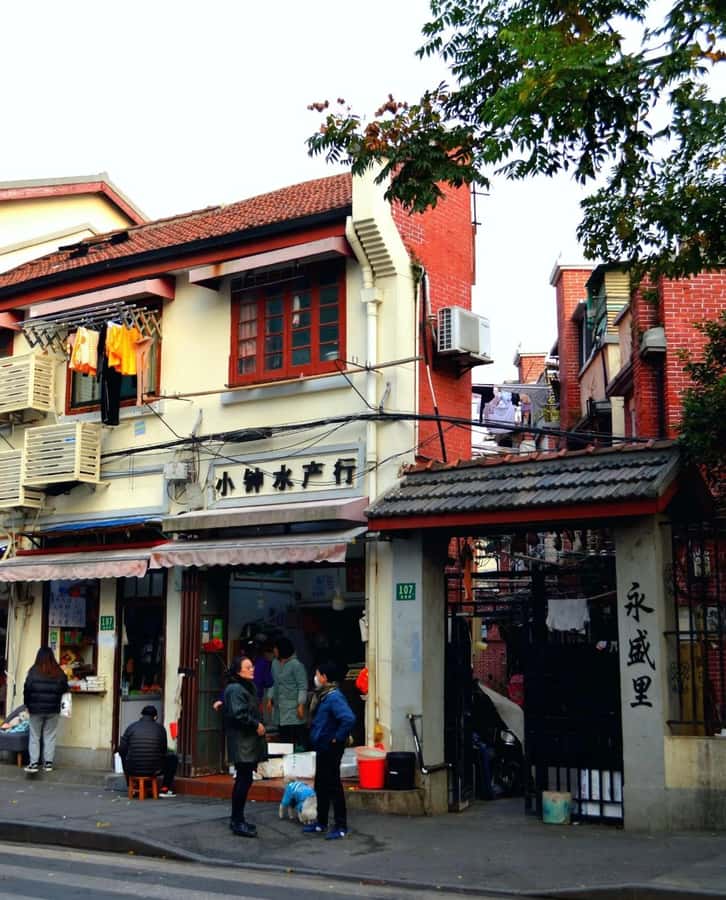
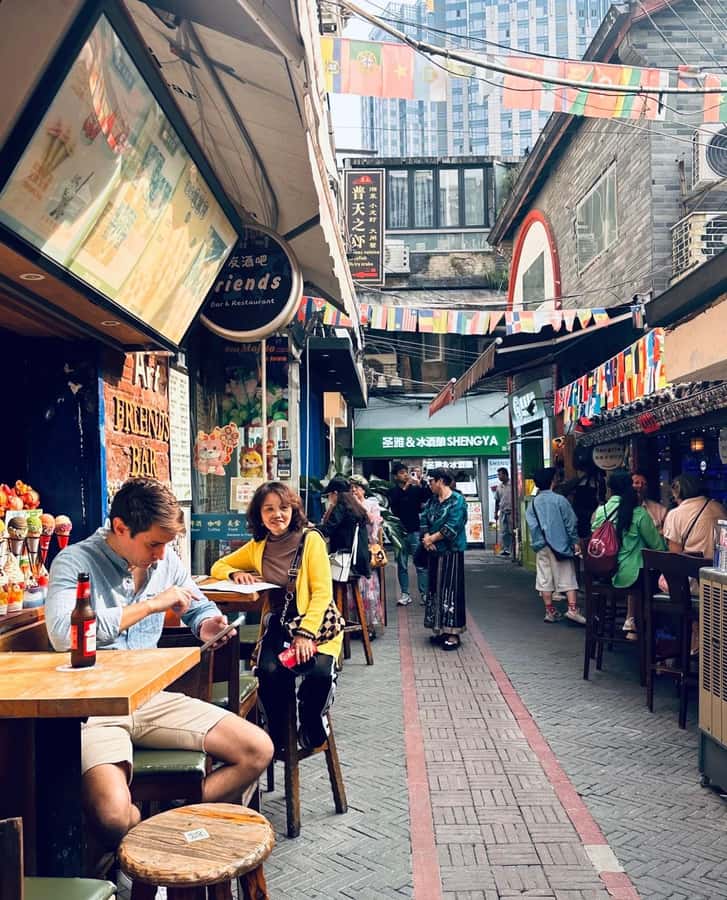
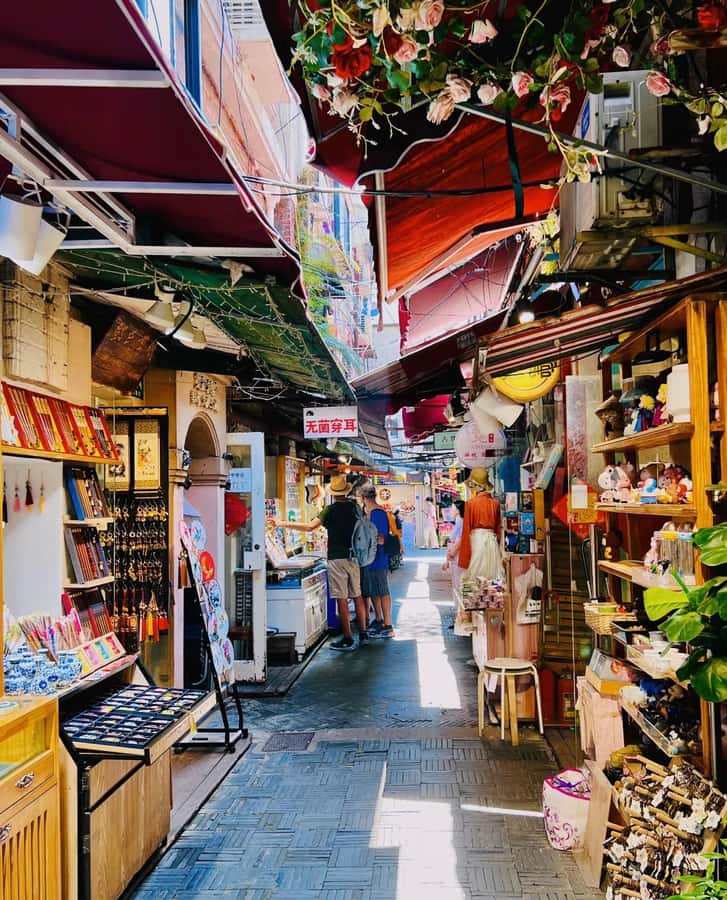
After the market, you head to Tianzifang, a neighborhood known for Shikumen architecture—those tight, historic lane houses that made Shanghai’s urban life work. This is where the day gets more walkable and atmospheric, because you’re moving through side streets rather than broad roads.
Tianzifang blends old and new. You’ll see traditional-style alleyways paired with small shops, cafes, and art-oriented places. It’s a good contrast to the market. At the market you’re buying what you need. At Tianzifang you’re browsing and wandering, which is a helpful change of pace mid-tour.
Practical note: you’ll still walk. The lanes are not designed for rolling suitcases, and the surfaces can be uneven. I’d keep your route simple—phone out, but not glued to it.
Supermarket Stop That Shows Real Household Staples
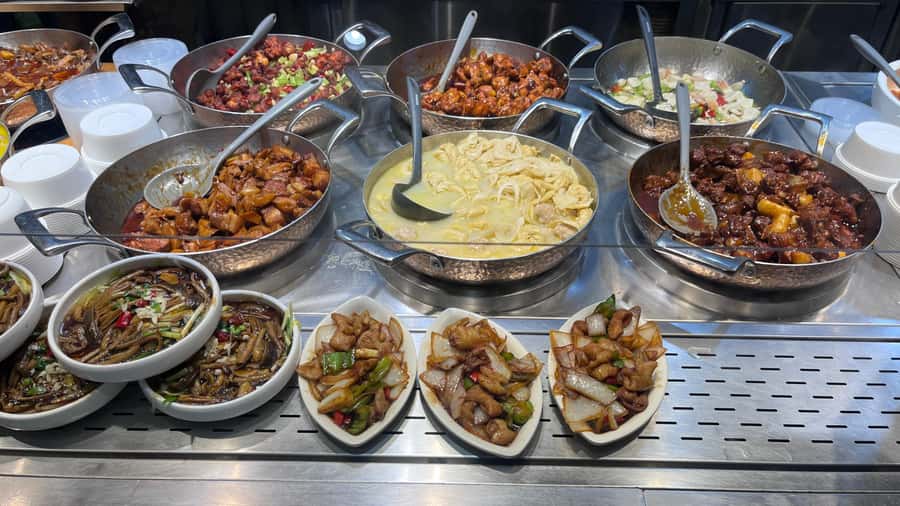
Next up is a local large supermarket stop. Sounds boring? It isn’t, because you’re seeing what’s considered normal household shopping in Shanghai.
This is one of those stops that can feel optional on paper, but it’s useful in real life. You get a better sense of everyday products and how locals stock up. It’s also great for understanding snack culture and common items you might want later if you’re staying in the city and prefer to shop yourself.
If you like practical souvenirs—things you can actually use—this is where you’ll spot them. If you only want photos, you’ll still get plenty of visual material: packaging labels, typical aisles, and the general pace of a normal shopping hour.
Lunch at a Community Canteen: What a Local Meal Teaches You
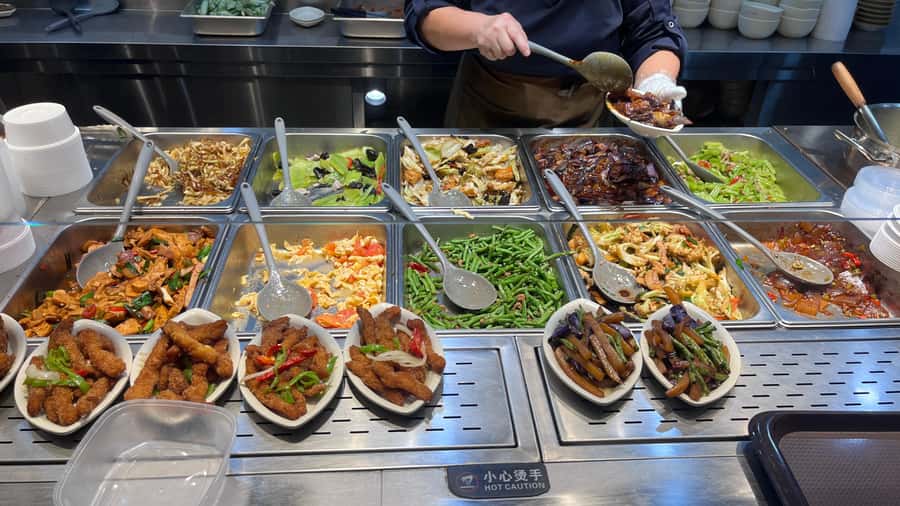
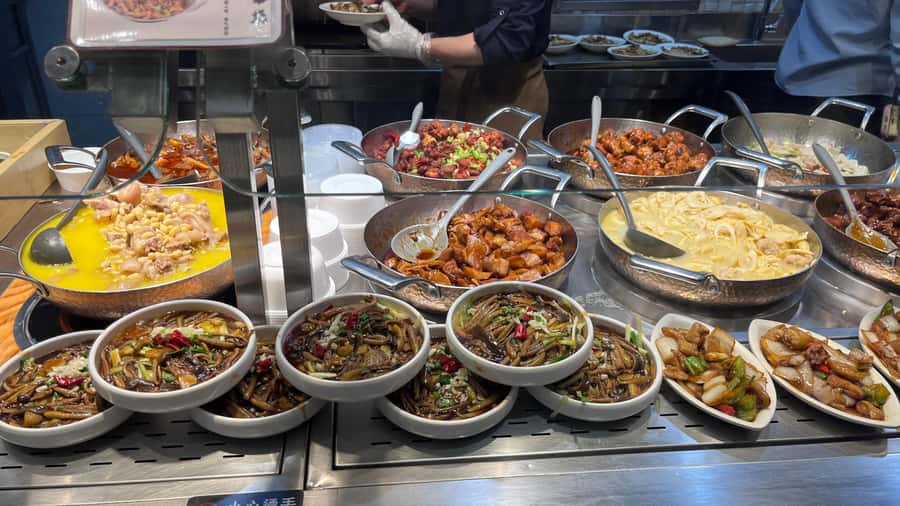
Lunch is included, and it’s at a community canteen. This is a smart choice for a “like a native” day because it’s not built for tourists. It’s built for nearby people who need a meal that’s quick, affordable, and filling.
A community canteen also teaches you something subtle: how Shanghai-style home cooking tends to show up in everyday formats. You get fresh-prepared dishes and a straightforward lunch flow—order, eat, move on with your day.
One small tip: don’t overthink what you’ll eat. Since lunch is part of the experience, go with what the guide points out or what you can recognize. If you have dietary restrictions, ask before ordering so you don’t end up stuck later.




Longhua Temple vs. West Bund: Pick Your After-Lunch Mood
After lunch, you choose between two very different sides of Shanghai. That choice is one of the best parts of the day because it lets you tailor the experience to what you want most.
Option A: Longhua Temple for a 1,700+ Year Perspective
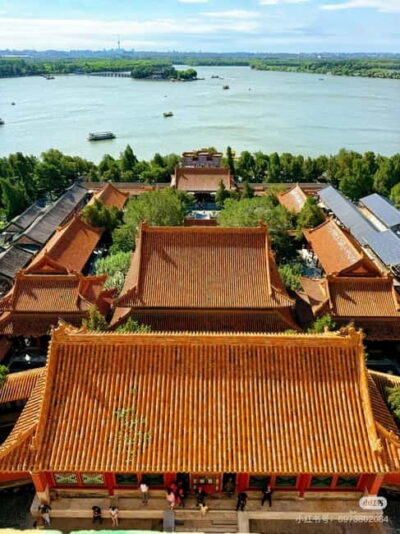
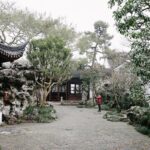
If you want something spiritual and historically grounded, you’ll visit Longhua Temple, which is described as over 1,700 years old, and the oldest and most important Buddhist temple in Shanghai.
Longhua Temple is where the guide’s explanations really matter. You’ll learn the roots of Chinese Buddhism and why it matters culturally, not just as decoration. Jenny’s explanations are clear and respectful, and that makes the visit more meaningful than just walking through halls.
Also, temples are easier to enjoy when you don’t rush. This stop gives you that chance, especially after a more active morning of market and shopping.
Option B: West Bund for Modern Creativity
If you’d rather see Shanghai’s creative side, you can go to West Bund, a former industrial site turned arts district. This stop is also paired with the “locals hang out here” vibe, with a relaxed atmosphere across from the more classic view you’ll see later.
West Bund is a good match if you already know you’ll spend a lot of time on historic architecture and want one portion of the day that feels different—less tradition, more experimentation.
Either way, you’re getting contrast, which is what makes Shanghai feel like one city with multiple identities rather than a museum.
Shanghai Library and the French Concession Walk Around Wukang Building
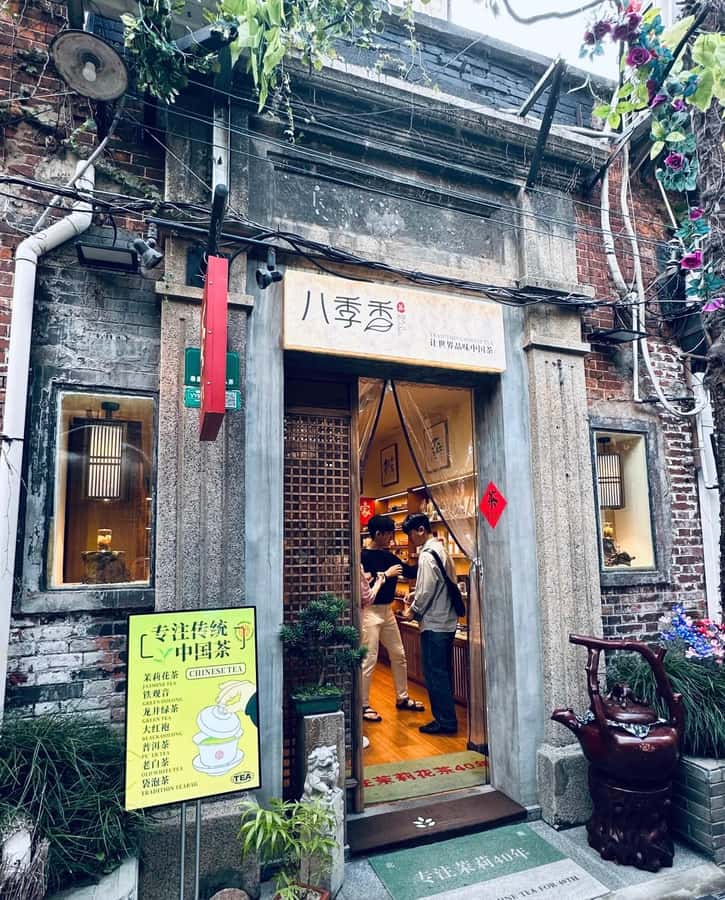
Next on the route is Shanghai Library, a popular place for locals to read, study, and relax. It’s a nice change from streets and sightseeing stops because it shows another side of city life: quiet routines.
Here’s what I like about this stop. It’s not a flashy attraction, but it’s real. You see Shanghai’s love for books in action—people using public spaces for learning and downtime. That makes the day feel less like checklist tourism.
Then you finish with the Wukang Building area in the former French Concession. This is where the architecture starts to feel like walking through postcards you never quite believed were real. The streets have character, and the local atmosphere is lively without being chaotic.
Tip for this final segment: take your time. The earlier parts of the tour can be fast and practical—market, shopping, metro, lunch. Ending in this neighborhood is a good way to reset your brain before heading back.
Metro Day Pass Logistics and How Much Walking to Expect
The tour is designed around public transit. You’ll use the Shanghai metro with day pass tickets included. That’s convenient and it also trains you in how the city works.
Timing is also straightforward: it’s a 6-hour experience. In real terms, that means you’re moving often enough to feel like you accomplished a lot, but not so rushed that you never pause.
The walking is described as moderate. That usually means you’ll be fine if you wear comfortable shoes and keep your pace steady. If you’re nursing sore knees or ankles, plan to take it slow on Tianzifang’s lanes and on longer strolls in the French Concession area.
Pickup is included from hotels in the city. If you’re coming from Shanghai suburbs or an airport, additional fees apply. So if you’re staying outside the city center, confirm pickup details before you book.
Price Value Check: Why $85 for a 6-Hour Local Day Adds Up
At $85 per person for a 6-hour private-group tour, the main value is not just seeing sites. It’s what’s folded in:
- Professional English-speaking guide (Jenny)
- Hotel pickup and drop-off
- Metro day pass tickets
- Lunch at a local community canteen
If you’re trying to do this on your own, you’ll pay for a guide somehow, plus you’ll likely spend more time figuring out transit, and you’ll still need to find a legit lunch spot that isn’t tourist-priced. Here, those pieces are arranged for you—at a price that stays reasonable for a short, efficient day.
One more value point: your guide helps you interpret what you’re looking at. That makes the Longhua Temple visit more than a photo stop, and it makes Tianzifang’s streets feel connected rather than random.
Should You Book This Shanghai Like a Native Tour?
Book it if:
- You want a local-feeling day with markets, real lunch, and metro travel.
- You’d like a guide to explain context, not just point at buildings.
- You enjoy walking and want a day that helps you navigate Shanghai afterward.
Skip it if:
- You want minimal walking and mostly indoor, seated time.
- You only care about the most famous landmarks and don’t want neighborhood stops.
If you’re on a tight schedule, this is also a solid layover-style option. It avoids the “one big bus, ten minutes per stop” problem and gives you a coherent flow through the city. And with free cancellation offered up to 24 hours in advance, you can book with less stress, since plans can change.
FAQ
How long is the Experience Shanghai Like a Native tour?
It lasts 6 hours.
Is the tour offered in English?
Yes. The tour has a live English-speaking guide.
What’s included for lunch?
Lunch is included at a local community canteen.
Do I get help using public transportation in Shanghai?
Yes. The tour includes metro day pass tickets, and you’ll travel by metro during the day.
Can I choose between Longhua Temple and West Bund?
Yes. After lunch, you can choose to visit Longhua Temple or West Bund.
Is hotel pickup and drop-off included?
Yes, pickup and drop-off are included for hotels in the city. Pickup from suburb areas or the airports has an additional fee.
Is this a private group tour?
Yes, it’s listed as a private group experience.
What should I wear and bring for the day?
Wear comfortable shoes because there is a moderate amount of walking. Also bring local currency for any personal expenses.