REVIEW · PINGYAO
Pingyao Ancient City Full-Day Walking Tour
Book on GetYourGuide →Operated by China Tour Guide · Bookable on GetYourGuide
Pingyao rewards slow walking. This full-day circuit is a great way to absorb UNESCO Pingyao Ancient City on foot, with time up on the city wall for sweeping views over tiled rooftops and down into courtyards. I also like how the day doesn’t just point at sights; it helps you read the place as a functioning old city.
I’m also a fan of how an English-speaking guide connects the big landmarks, like Rishengchang Exchange Bank and the Yamen, to the everyday reality of Ming and Qing-era life. The main drawback to plan for is that admission tickets are not included, so you’ll want to factor in the extra 125 rmb per person cost on the tour day.
In This Review
- Key things to love about this Pingyao walk
- Why Pingyao is perfect for a full-day walking tour
- Private-group pickup in Pingyao: easy start, small pace
- The city wall walk: bricks, rooftops, and real scale
- Rishengchang Exchange Bank: why Pingyao mattered
- Ancient Security Guard Company: private power in Ming and Qing times
- Entering the Yamen: court, home, prison, and the magistrate’s world
- Ming and Qing Street: preserved commerce and architecture you can read
- Confucian Temple: the imperial exam story, in walking form
- What you learn from the order of these stops
- Price and tickets: where the $229 really goes
- What to plan for on a full-day wall-and-courtyard walk
- Should you book this Pingyao Ancient City full-day walking tour?
- FAQ
- How long is the Pingyao Ancient City full-day walking tour?
- Where does pickup happen?
- Is this tour private?
- What languages are available?
- Which key sights does the tour include?
- Are admission tickets included in the price?
- Does the tour include meals or transport?
- Is free cancellation available?
- Can I reserve without paying right away?
Key things to love about this Pingyao walk
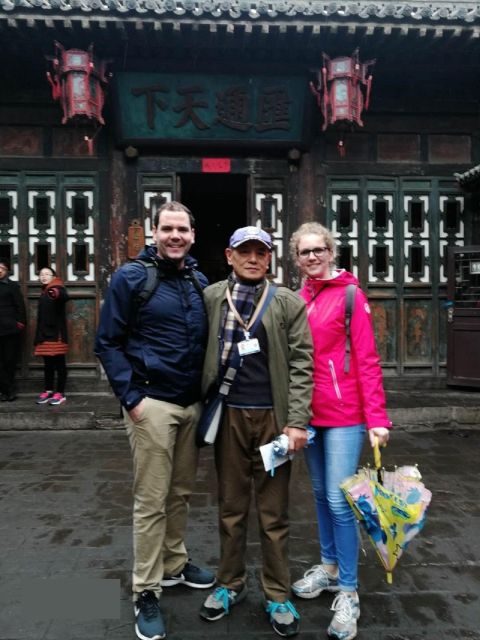
- City wall viewpoints that make the old town feel instantly understandable from above
- Rishengchang Exchange Bank for a firsthand look at why Pingyao mattered economically
- The Yamen complex with offices, court areas, residential quarters, and even a prison
- Ancient Security Guard Company showing how private escorts helped keep order
- Ming and Qing Street where the architecture is preserved in its original brick-and-stone style
- Confucian Temple route tied to Zhuangyuan and the old imperial exam winners
Why Pingyao is perfect for a full-day walking tour
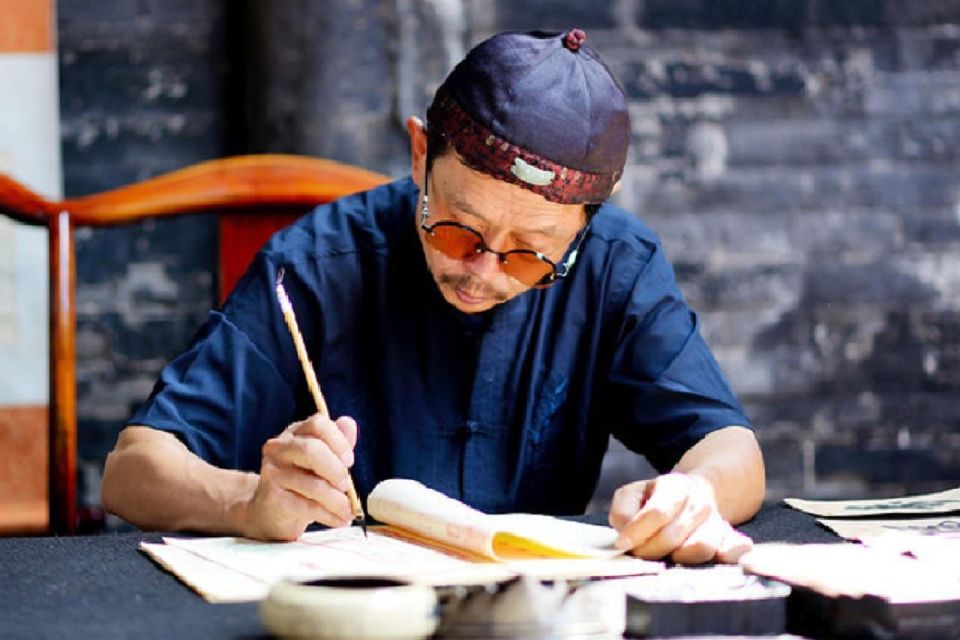
Pingyao works best when you slow down. It’s UNESCO, and it still feels like an old city you can actually navigate: low-rise buildings, narrow lanes, courtyard rhythms, and street corners that make you want to look up. A full-day tour matters here because you’re not just “seeing stops.” You’re watching the layout click into place as you walk.
The city wall is the best example. From the top, you get the pattern of the rooftops and how the neighborhoods sit inside the defensive boundaries. Then, as you come down, you start to notice courtyards, building spacing, and how daily life had to fit inside the walls. This is the kind of “aha” that’s hard to get if you just wander with no plan.
Private-group pickup in Pingyao: easy start, small pace
This is a private group format for up to 6 people, and that’s a big deal in a walking day. With fewer people, your guide can pause for questions, stop for photos without a rushed stampede, and adjust pace if you need a breather.
Pickup is included from your Pingyao hotel. If your hotel is inside the ancient city, the guide meets you in the lobby. If it’s outside, you’ll meet inside the old town instead. Either way, you’re not spending your morning figuring out where the tour starts.
Also, the tour runs with an English-speaking guide (with English and Chinese options), which helps a lot when you want history explained clearly, not just labeled with plaques.
The city wall walk: bricks, rooftops, and real scale
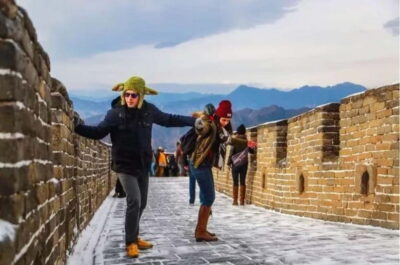
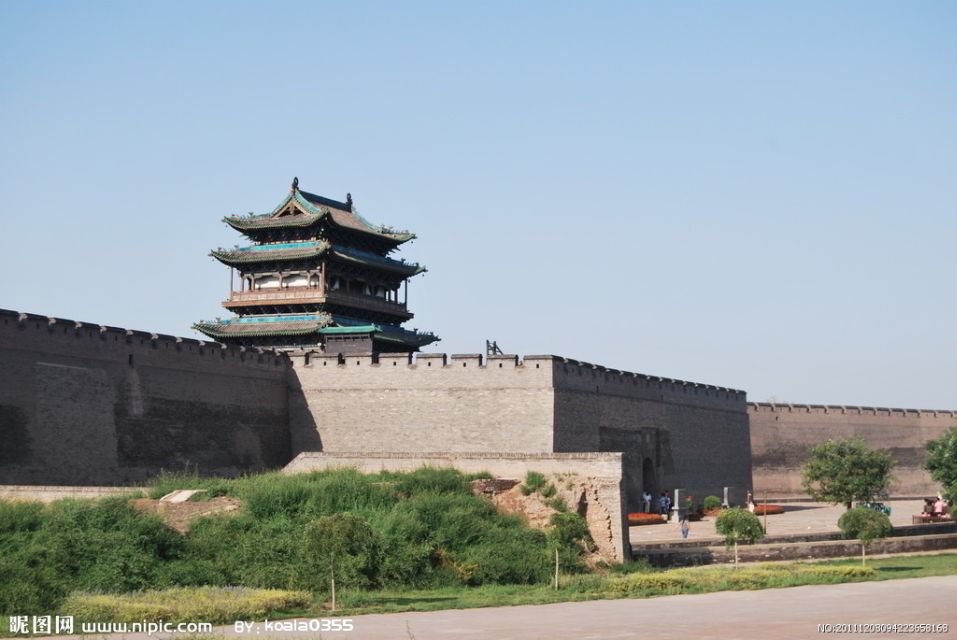
The tour’s heart is the Pingyao Ancient City Wall. It’s described as built with bricks and stones, and you’ll walk sections of it. That matters because you get movement, not just a single look-from-a-point view.
From the wall, you’ll see across Pingyao’s tiled rooftops and down into domestic courtyards. That rooftop geometry is a big part of why Pingyao feels so intact compared with many other historic cities. Since most buildings are low-rise, your sightlines stay open, and the city reads like one connected whole.
Practical note: wall sections mean uneven steps and some climbing. If you’re the type who likes a photo at every viewpoint, you’ll probably be thrilled. If you’re short on time or dislike heights, you’ll still get value, but you may want to take a slower pace and plan for rests.
Guides can make this segment extra rewarding. In past groups, guides such as Mike and Grace were especially good at explaining how the layout of the wall ties to daily life inside it, not just fortifications as an abstract concept.
Rishengchang Exchange Bank: why Pingyao mattered
Next comes Rishengchang Exchange Bank, known as the first exchange bank of China. That title is big, but what’s more interesting is what it implies about Pingyao: this wasn’t only a quiet town of shops and scholars. It had serious financial importance.
On the walk, your guide helps translate the bank from a name into a story. You’ll see it as part of a wider network where merchants needed exchange, credit, and trust. Pingyao’s preserved streets and architecture make that commercial past feel tangible, not distant.
If you like understanding the “why” behind a city, this stop is a strong anchor. The bank gives you a reason for the town’s wealth and organization, which then makes later sites like the Yamen feel more connected.
Ancient Security Guard Company: private power in Ming and Qing times
One of the more distinctive stops is the Ancient Security Guard Company. It’s noted as the only private organization of armed escort in Pingyao’s history, and one of two most famous during the Ming and Qing dynasty.
That might sound like a random add-on, but it actually helps you understand how order worked in a commercial city. If merchants, goods, and money are moving, protection isn’t only a state responsibility. Private escort organizations show how security could be a business, with reputation and contracts.
This stop also gives the day variety. After banks and government spaces, it shifts you into the reality of protection work—how people organized authority when moving through risky routes.
Entering the Yamen: court, home, prison, and the magistrate’s world
The Yamen Pingyao Ancient Government Buildings are where Pingyao starts to feel like a working government center. The Yamen is a country government office, and the one in Pingyao dates from 1346 during the Yuan Dynasty. That’s a long time ago, and it’s not just a time stamp—it’s part of the layout.
You enter through a ceremonial gate, and the complex had over 300 rooms. According to the tour description, the Yamen included offices, a court, meeting rooms, residential areas, a garden, and even a prison.
Here’s why this matters for your understanding: it shows how leadership wasn’t separated into one “official building” and one “private life” home. In this kind of system, the magistrate’s work, living space, and detention areas were all part of the same institution. Walking through the spaces helps you see power as something physical—rooms you can picture, not just titles you read.
If you enjoy structured explanations, guides like Johanna and Joanna have been praised for covering the key meanings of each area and keeping the pace comfortable, including time for photos. That makes a big complex feel less overwhelming.
Ming and Qing Street: preserved commerce and architecture you can read
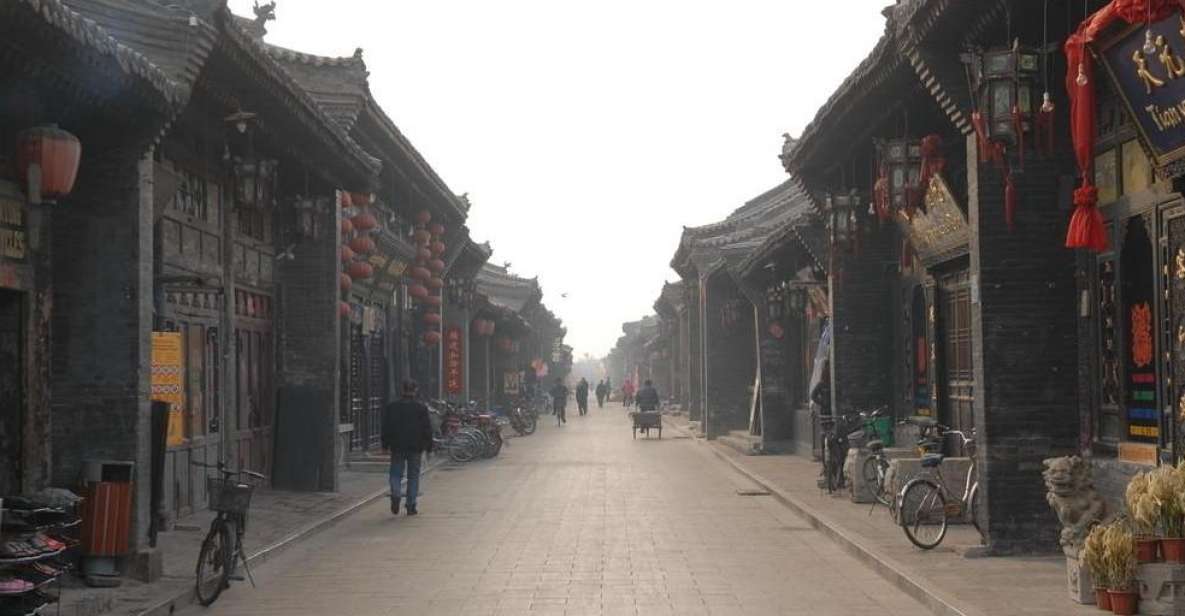
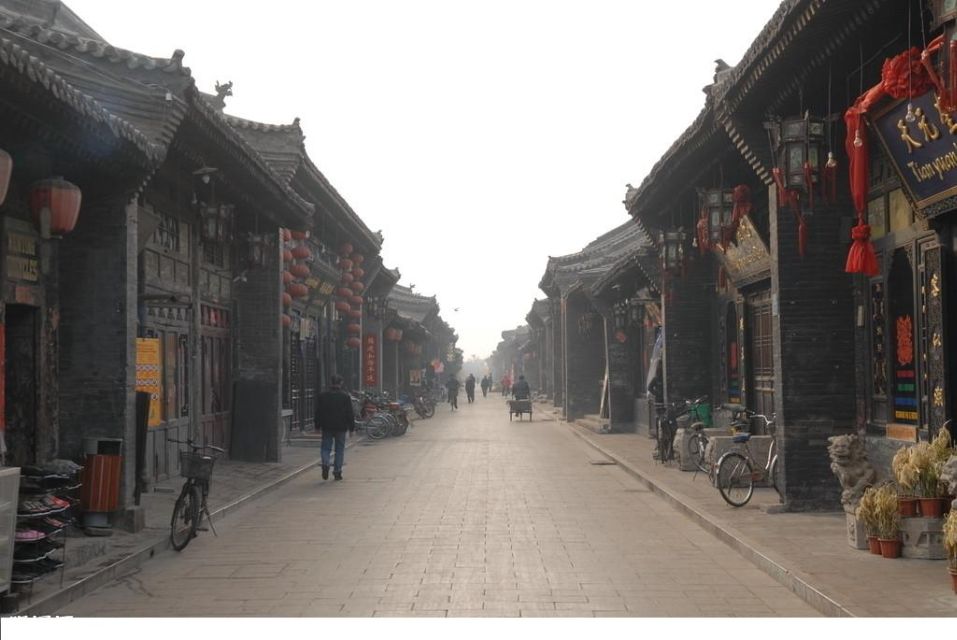
After government and security, you shift back into everyday city life with Ming and Qing Street. This is where traditional shops and houses are still well preserved, built with bricks and stones in Ming and Qing architectural styles.
Walking here is useful because it shows you what “authentic” looks like in practice. Instead of modern storefronts, you see older proportions, building materials, and street-front styles that help you understand how people designed their business and homes side by side.
The tour description highlights a sharp contrast with today’s architecture. I like that framing because it stops you from treating the street as a museum corridor. You’re seeing how architecture shaped life—how shops sat in the street pattern, and how people moved through narrow lanes.
Tip: give yourself a little extra attention here. Small details are easier to notice when your guide isn’t racing ahead to the next big headline.
Confucian Temple: the imperial exam story, in walking form
Finally, the day reaches the Pingyao Confucian Temple. The tour notes a sophisticated layout, and one of the most interesting ideas is walking along a route that No. 1 scholars of the annual imperial examinations, called Zhuangyuan, once marched past.
That detail turns the temple from a quiet stop into a story about status, education, and achievement in traditional China. Instead of just seeing courtyards and paths, you can imagine how a successful scholar’s moment would have fit into a structured route with ceremonial meaning.
Even if you don’t know much about the exam system, your guide’s job is to connect the layout to what it represented. In past tours, guides like Leo and Lisa were described as attentive and patient, which matters in places like this where photo sessions and question time naturally happen.
What you learn from the order of these stops
The sequence is part of the value. You start with the wall, so you understand how Pingyao is contained. Then you move into economics with Rishengchang. After that you see how private security fit into a real-world system. Then comes the Yamen, which shows official power in room-sized detail. You end with preserved street life and the Confucian Temple, which ties cultural authority to education and achievement.
That flow helps your brain assemble Pingyao as a whole city, not a scatter of monuments. It’s also why guides often take time explaining layout and symbolism rather than only describing facts.
The day is also designed for comfort. In one example, Mike was happy to stop for photos and rest whenever needed, and groups were even taken to an excellent restaurant for lunch. That’s not guaranteed in the exact same way every day, but it’s a good sign: the guide is not running a forced march.
Price and tickets: where the $229 really goes
The tour price is $229 per group up to 6. That’s for an English-speaking guide and a private walking day.
The big separate cost is admission tickets: 125 rmb per person (children half price; the tour guide is free). That means your total cost depends on who’s in your group. If you’ve got a group of 4 to 6, private-guide value usually looks much better than if you’re traveling solo and pay the ticket plus the full per-person day cost elsewhere.
A practical way to judge value: you’re paying for time and clarity. In a place like Pingyao, guided explanations can save you from wandering past key meanings, especially at the Yamen and around the Confucian Temple route.
Also note: your guide helps you buy entrance tickets on the tour day, which reduces stress.
What to plan for on a full-day wall-and-courtyard walk
Because it’s an all-in walking format with city wall sections and multiple complex buildings, wear comfortable shoes with good grip. You’ll likely do stairs, and courtyards can mean uneven surfaces.
Bring water and plan for breaks. Even the best day feels long if you treat it like a checklist. This tour style makes it easy to pause, and your guide can usually adjust if you need a moment to catch your breath or step aside for photos.
If you’re someone who likes capturing buildings and carvings, you’ll appreciate a guide who doesn’t rush you. Several guides were described as photo-friendly and patient with questions, which is exactly what you want in an ancient city.
Should you book this Pingyao Ancient City full-day walking tour?
If you want Pingyao to feel understandable—not just pretty—this is a strong choice. I’d book it if you like structure: walking the wall first, then moving through finance, security, government, street life, and education. That order is what helps the city click into place.
You should also consider booking if:
- You’re visiting for a limited time and want the most important landmarks covered
- You care about explanations of architecture and symbolism, not just sightseeing
- You’d rather ask questions than rely on self-guided guesswork
Skip it only if you hate walking, dislike guided groups (even small private ones), or you’re determined to explore completely on your own with no ticketed stops. Also remember the admission tickets are extra, so factor that into your day budget.
FAQ
How long is the Pingyao Ancient City full-day walking tour?
The tour runs for 8 hours, with 6 hours of sightseeing included.
Where does pickup happen?
Pickup is included in Pingyao. If your hotel is inside the ancient city, the guide meets you in the hotel lobby. If your hotel is outside, you’ll meet inside the old town instead.
Is this tour private?
Yes. It’s a private group, up to 6 people.
What languages are available?
The live guide is available in English and Chinese.
Which key sights does the tour include?
It includes the Pingyao Ancient City Wall, Rishengchang Exchange Bank, Pingyao Confucian Temple, Ming and Qing Street, Yamen Pingyao Ancient Government Buildings, and the Ancient Security Guard Company.
Are admission tickets included in the price?
No. Admission tickets cost 125 rmb per person (children pay half price). The tour guide is free. The guide helps you buy tickets on the tour day.
Does the tour include meals or transport?
Meals and transfer are not included, and your hotel accommodation is also not included.
Is free cancellation available?
Yes, you can cancel up to 24 hours in advance for a full refund.
Can I reserve without paying right away?
Yes. You can reserve now and pay later.