REVIEW · BEIJING
Private Beijing Shopping Tour
Book on Viator →Operated by Discover Beijing Tours · Bookable on Viator
One good shopping day needs a plan, not luck. This private Beijing shopping tour lines up expert guidance with the right market stops, so you spend your time buying, not figuring out logistics. You tell the guide what you want, and the route gets built around clothing, electronics, housewares, pearls, tea, antiques, and more.
What I really like is the private vehicle. It handles hotel pickup and drop-off (for hotels within the 4th ring road), and you can store your shopping bags during the whole run. Another big plus is the guide’s help with bargaining and translation, which can save you from bad deals or confusion when most markets run mostly on CNY cash.
One consideration: after a few hours, different markets can start to feel similar, especially if you’re looking at lots of the same categories side by side. If you have a strict shopping list, you’ll get more out of the tour by sharing it early so your guide can move quickly.
Key highlights at a glance
- Private 4–6 hour route tailored to your shopping interests, not a fixed checklist
- Hotel pickup and drop-off within the 4th ring road, with a private car for bag storage
- Bargaining support plus translation help when you hit price or product questions
- Market variety across pearls, antiques, tea, and souvenir hunting
- Break-friendly timing, including suggested cafés (drinks and food are extra)
In This Review
- A Guided Beijing Shopping Plan (That Actually Keeps You Moving)
- Price and Value: What $148 Buys You (Besides Four Markets and a Tea Cup)
- Logistics That Feel Small Until You Have Shopping Bags
- The Market Lineup: What Each Stop Is Best For
- Hongqiao (Pearl) Market: Pearls, and Even Prescription Glasses
- Liulichang Street (Liulichang Antique Market): Chinese Antiques for Home Decor
- Maliandao Tea Street: Tea Shopping With a Huge Vendor Mix
- Panjiayuan Antique Market: Souvenirs With More Personality
- Xiushui (Silk Street) & Pearl Market: Souvenirs, Plus Smart Vendor Advice
- A Cooking-Focused Detour: Local Supply Market Option
- Bargaining Help: Practice It Without Getting Worn Out
- Café Breaks and Rest Stops: Shopping Needs a Pause
- What to Bring (So You Can Shop Smart, Not Just Shop Hard)
- Who This Tour Fits Best
- A Small Reality Check: When Markets Start to Feel Like Markets
- Should You Book This Private Beijing Shopping Tour?
- FAQ
- How long is the private Beijing shopping tour?
- What’s the price per person?
- Is hotel pickup included?
- What’s included in the tour?
- What is not included?
- What markets might the tour visit?
- Do I need cash for purchases?
- Is this tour private or shared?
- Can the itinerary be customized?
- What if plans change?
A Guided Beijing Shopping Plan (That Actually Keeps You Moving)
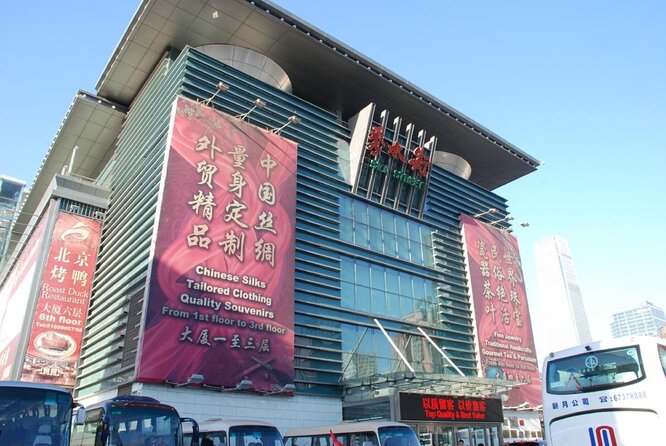
Beijing markets reward speed and smart questions. Walking in on your own usually turns into a lot of backtracking: wrong stalls, unclear pricing, and bags that get heavier by the hour. This tour solves the friction with a local guide who starts by asking what you want to buy, then builds a practical shopping order around it.
You also get real control over pacing. It’s private, so you’re not rushed by a group. And because you’re using a private vehicle for transport and storage, you can keep shopping without carrying everything around the city like a suitcase-on-wheels problem.
The “expert” part matters here because these markets often work differently than Western-style shopping. Prices can vary stall to stall. Product names can be vague. Some items need quick checks for sizing or specs. Having someone who can talk to vendors and help you compare options can turn a frustrating day into a clean win.
Price and Value: What $148 Buys You (Besides Four Markets and a Tea Cup)
At $148 per person, you’re paying for more than admission to markets. You’re paying for the stuff that usually costs time: pickup, private transfers, bag management, and guidance that helps you shop faster and bargain better.
Here’s how to think about value:
- If you already know what you want (pearls, antiques, tea, souvenirs, clothing, electronics), the guided route helps you get to the right places without wasting hours.
- If you don’t know what to buy, the guide can steer you toward “best fit” options and help you translate what vendors are actually offering.
- If you plan to buy more than a few small items, bag storage in a private car becomes a real convenience, not a bonus.
The tour lasts about 4 to 6 hours, with an option for additional hours at USD $30/hour. Food and drinks aren’t included, so plan on paying for a café break yourself. You’ll still likely feel the day is worth it because you’re paying to remove the everyday hassles that slow down shopping.
You can also read our reviews of more tours and experiences in Beijing.


Logistics That Feel Small Until You Have Shopping Bags
The tour includes hotel pickup and drop-off, but only for hotels within the 4th ring road. That matters because Beijing traffic can be a time sink. Staying close to the ring road usually means you spend more time at stalls and less time in the car.
You also get:
- Round-trip private transfer
- A local guide
- Bottled water
- A mobile ticket
The practical upside is simple: your guide handles the flow, and the driver keeps things efficient. After shopping, you follow your guide back to the air-conditioned transport where your chauffeur is waiting with space for your purchases—exactly when your hands would otherwise be full and your patience would start to thin.
The Market Lineup: What Each Stop Is Best For
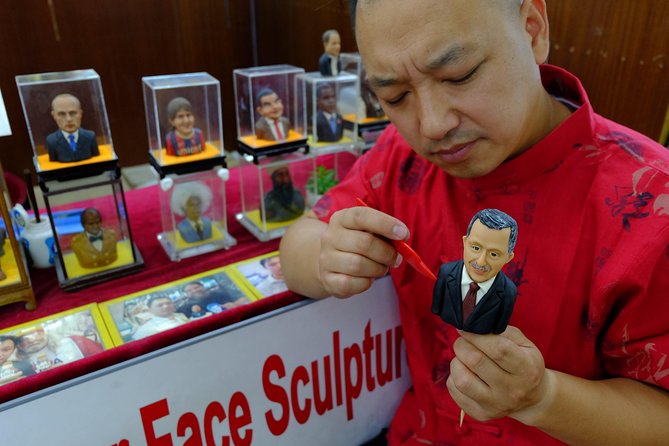
This tour can include several market stops, and your guide builds the exact route based on your interests. The most common stop set covers pearls, antiques, tea, and souvenir shopping—plus a couple special-purpose options depending on what you’re chasing.
Think of it like this:
- If you want high-visibility specialties, start with the pearl and tea markets.
- If you want character and “maybe I’ll find something weird” moments, lean into antiques and old-style streets.
- If you want souvenirs you can wrap and bring home, plan for the markets where that’s the main product.
Below is what each stop tends to offer—and what to watch for.
Hongqiao (Pearl) Market: Pearls, and Even Prescription Glasses
Your first major target is Pearl Market (Hongqiao Market). This is where you go when your shopping list includes pearls, pearl accessories, or related items. Shops here can also support prescription glasses work, and the tour notes that glasses can be completed in a few hours.
This is one of the most efficient parts of the day because it stacks a few shopping goals in one place. If you’re hoping to buy pearls and you also need glasses, you’re not splitting your time across separate locations.
What I’d watch for:
- Keep your expectations practical. This is market shopping, so quality and pricing can vary stall to stall.
- If you’re doing glasses, be clear about what you want so the time stays productive.
Since the tour includes the guide’s help with questions and translation, you’re less likely to leave with an unclear purchase process.
Liulichang Street (Liulichang Antique Market): Chinese Antiques for Home Decor
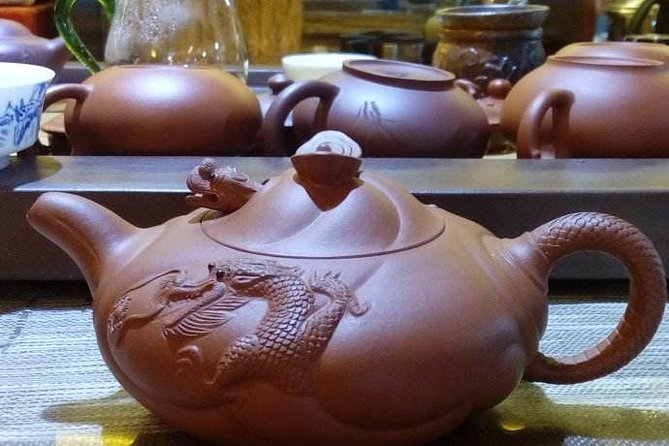
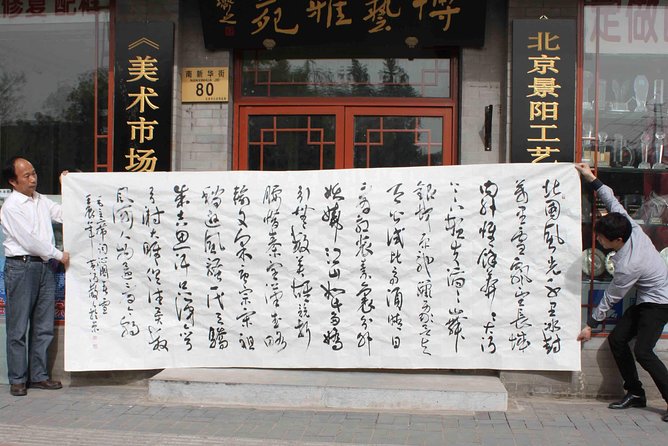
Next up is Liulichang Antique Market (Liulichang Xijie). This is a go-to area when your goal is antiques and decorative items that feel distinctly Chinese—things you can put on a shelf and actually talk about later.
Antique markets often tempt you with impressive displays, but the real value is finding one or two items that match your taste instead of grabbing whatever looks best in the moment. The guide can help you compare what’s on offer and avoid obvious dead ends.
A potential drawback here is that antique shopping can become slow if you’re trying to evaluate items deeply. If you like browsing, that’s great. If you want quick wins, tell your guide upfront and set a target category (for example: one type of decor, or a small number of antiques).





Maliandao Tea Street: Tea Shopping With a Huge Vendor Mix
Then comes Maliandao Tea Street, described as having more than 1,000 vendors. That sheer number is the point: you can compare lots of tea types and brand styles in a single run.
Tea shopping is also one of those categories where the guide’s role helps. Vendors can describe products in different ways, and it can be hard to sort quality fast without context. Having someone help you ask better questions can save you from buying something you don’t actually like.
Keep in mind: with 1,000+ vendors, you could lose time just walking. If you’re sensitive to that, make sure you share what you like (gift tea vs. everyday tea, loose leaf vs. packaged, etc.) so the guide steers you toward the better fits quickly.
Panjiayuan Antique Market: Souvenirs With More Personality
Panjiayuan Antique Market is a strong stop for unique Chinese souvenirs and antiques. The tour frames it as a great place to find distinctive items rather than generic tourist goods.
This is the market where I’d focus on browsing with purpose. Let your guide show you where the selection fits your taste, then pick a few standout items that you’ll actually use or display at home.
One consideration: antique markets can overlap in product feel—especially if you’ve already been shopping in an antiques-oriented area earlier. To keep your day sharp, decide what you want from each market (pearls at Hongqiao, tea at Maliandao, antiques at Liulichang and Panjiayuan, souvenirs at Panjiayuan).
Xiushui (Silk Street) & Pearl Market: Souvenirs, Plus Smart Vendor Advice
A key part of the tour is Silk Street & Pearl Market (Xiushui). Here, your guide gives tips on which vendors to visit for specific items and how to find the right souvenirs to bring home.
That “which vendors first” tip is where guided shopping really pays off. In huge markets, you can waste time trying to figure out which stalls are serious sellers and which ones are mostly there for foot traffic. Having advice ahead of your purchases helps you avoid the slow spiral.
You’ll also get a chance to refresh with an outdoor café break. The tour notes that drinks are an own-expense item, but the stop is useful for resetting—especially if you’ve been comparing products for hours.
If you’re the type who gets shopping-fatigue, plan a short break without guilt. You’ll shop better when you’re not running on caffeine and stubbornness.
A Cooking-Focused Detour: Local Supply Market Option
If you’re a fan of Chinese cooking, the tour includes an option for a local supply market. The idea is simple: instead of focusing only on souvenirs or gifts, you can shop for items that connect to cooking back home.
Because the tour describes this as an option, not a fixed stop, ask your guide early whether this is worth prioritizing for your interests. If you like practical shopping (spices, packaged ingredients, specialty goods), this can turn the tour into something more memorable than another shopping haul.
Bargaining Help: Practice It Without Getting Worn Out
One of the tour highlights is the chance to practice bargaining with help from your guide. That doesn’t mean you’ll be thrown into aggressive negotiations. Instead, the guide can handle negotiations and support you when you hit language barriers.
If you’re new to bargaining, use the guide’s approach as a framework:
- Start with a clear budget and item list so you don’t get pulled into extra purchases.
- Ask questions early about what’s included and what varies by seller.
- Compare options quickly before committing.
The most valuable part is not always the final price. It’s knowing you’re comparing apples to apples. That’s where having translation and local guidance keeps you from feeling awkward or stuck.
Café Breaks and Rest Stops: Shopping Needs a Pause
The tour mentions the ability to refresh at recommended cafés, and the Xiushui stop includes an outdoor café break. Drinks are extra, but the stop matters because markets move fast and your brain gets tired even when your feet don’t.
A good strategy: use the break to reset your checklist. What did you already buy? What do you still need? What do you want to keep for later?
In at least one past experience, the guide helped make time for lunch and ensured shoppers weren’t misguided or overcharged. That’s the kind of practical pacing that keeps the whole day from turning into random browsing.
What to Bring (So You Can Shop Smart, Not Just Shop Hard)
This tour is built for shopping momentum, so your preparation should match.
You’ll want:
- Cash in CNY: the tour notes that most markets accept Chinese CNY payment, so have cash ready for easy purchase.
- A short shopping list: even two or three categories helps your guide build a better route.
- Comfortable clothes and shoes: you’ll be moving through busy market areas for hours.
Also, consider how much you plan to carry. Even with bag storage in the car, you’ll still handle items as you browse. Keep your purchases organized, and ask the guide to plan your stops so you aren’t doubling back when you don’t need to.
Who This Tour Fits Best
This experience is best for you if:
- You want a private shopping day without navigating Beijing markets on your own.
- You’re shopping for specific categories like clothing, electronics, housewares, pearls, tea, antiques, or souvenirs.
- You appreciate someone handling logistics and translation while you decide what to buy.
- You like bargaining and want help doing it more intelligently.
It’s also a good fit if you plan to buy multiple items and want fewer carry-around problems, thanks to the private vehicle and bag storage.
If you’re only looking for one small souvenir, you may find the time spent at several markets feels like a lot. But if you want a full shopping run, the structure makes sense.
A Small Reality Check: When Markets Start to Feel Like Markets
This tour hits several major market areas, and that’s the point. Still, there’s one consideration I’d take seriously: after a while, markets can start to feel like variations of the same theme—especially if you’re hunting for very specific brands or product types.
One way to handle that is to tell your guide what you want early and keep your priorities tight. If you drift into a “just looking” mode with no targets, you might finish the day with bags but not the exact finds you hoped for.
The upside: the guide can adjust the flow, and you’ll have the freedom to move quickly to what’s working for you.
Should You Book This Private Beijing Shopping Tour?
If your goal is to shop with less stress and more control, I’d book it. The combination of private transport, bag storage, and a guide who can help with negotiations and translation makes a real difference in market shopping. At $148 per person for a 4–6 hour window, you’re paying for efficiency—time saved, confusion avoided, and smarter buying.
Skip it only if you’re the kind of shopper who enjoys wandering without structure and you’re not planning to buy much. In that case, you might prefer a lighter plan and enjoy the city at your own pace.
If you do book, come with a plan: share what you want, bring cash for CNY purchases, and let the guide steer you to the best-fit stalls. That’s where the day gets genuinely good—fast.
FAQ
How long is the private Beijing shopping tour?
The tour runs about 4 to 6 hours.
What’s the price per person?
The price is USD $148.00 per person.
Is hotel pickup included?
Yes. Hotel pickup and drop-off are included for hotels within the 4th ring road.
What’s included in the tour?
Included are bottled water, a local guide, a private tour, and round-trip private transfer, plus hotel pickup and drop-off.
What is not included?
Food and drinks are not included, and additional hours cost USD $30/hour.
What markets might the tour visit?
Common stops include Hongqiao (Pearl) Market, Liulichang Antique Market, Maliandao Tea Street, Panjiayuan Antique Market, and Silk Street & Pearl Market (Xiushui). A local supply market option may be added for cooking-focused shopping.
Do I need cash for purchases?
Yes. The tour notes that most markets only accept Chinese CNY payment, so it’s smart to bring cash.
Is this tour private or shared?
It’s private. Only your group participates.
Can the itinerary be customized?
Yes. You can tell your guide what you’re looking for, and the route can be adjusted to match your shopping interests.
What if plans change?
There is free cancellation up to 24 hours in advance for a full refund.