Chengdu food starts with a tuk-tuk. On this 3.5-hour evening tour, I like the small-group size (up to 12) because it keeps things moving without feeling rushed, and I also appreciate the unlimited beer and soda that make each stop feel like a proper hangout, not a sad sample platter. The tour leans hard into Chengdu’s UNESCO City of Gastronomy reputation, with more than 10 local bites across five stops.
My favorite part is how the night mixes real local spots with a playful structure: homemade dumplings in a residential area, Sichuan stuffed pancakes, noodle-and-sauce action, and then a final bar with different drinks depending on the day. One consideration: if you’re very sensitive to spice, you’ll want to plan your low-spice add-ons carefully, because the tour notes that substitutions aren’t guaranteed for every dish.
In This Review
- Quick take: what makes this tour work
- Chengdu’s UNESCO food energy in one 3.5-hour night
- Meeting up and getting around: tuk-tuk logistics that actually matter
- Stop 1: dumplings inside a residential community
- Stop 2: Chengdu street snack energy plus stuffed pancakes
- The Sichuan spice test: noodle sauce, heat, and a guide watching your pace
- Stops 3 and 4: how the tour builds variety without wasting your time
- Stop 5: the local bar with microbrews and daily wine choices
- Price and value: why $79 usually feels like a lot of food
- Who should book this Chengdu UNESCO food evening tour
- Final call: should you book or look elsewhere?
- FAQ
- How long is the Chengdu Hidden Dishes and Beers UNESCO Food Evening Tour?
- How many food stops are included?
- Is beer included, or is it just food?
- What kind of drinks are available at the final bar?
- Is the tour vegetarian-friendly?
- Can I request non-spicy or low-spicy options?
- What’s the meeting point?
- What should I bring?
- Is luggage allowed?
- Is hotel pickup included?
- Is the tour suitable for wheelchair users?
Quick take: what makes this tour work
- Tuk-tuk + local-only stops across central Chengdu, with a guide who keeps you fed and on time
- Unlimited food and drinks included, so you can pace yourself (and still get stuffed)
- Spice challenge with control options, including non-spicy or low-spicy add-ons
- Dumplings in a residential community plus street-style snacks in places you’d likely miss on your own
- Final-night bar scene with microbrewed beer on Friday and Saturday, plus plum/sorghum/rice wine on other days
Chengdu’s UNESCO food energy in one 3.5-hour night
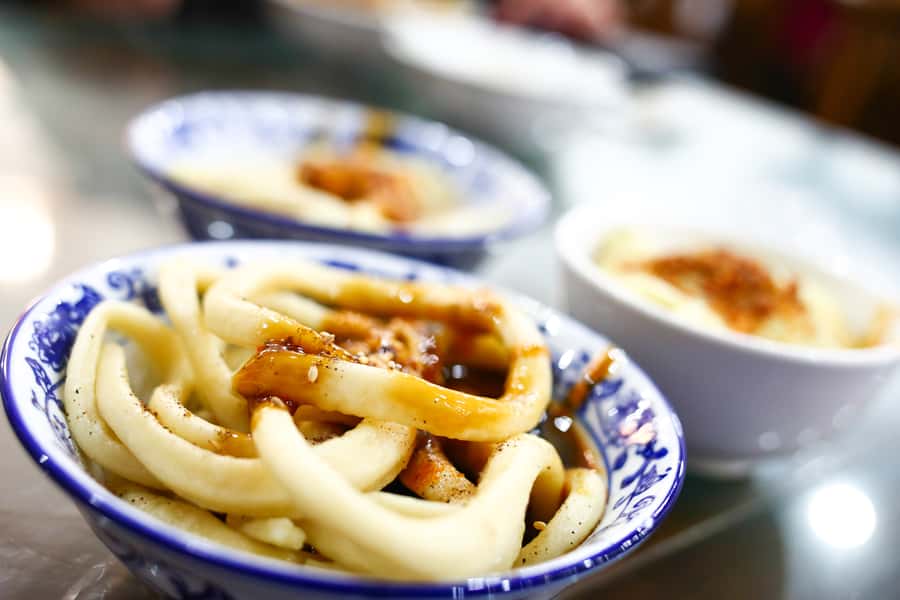
Chengdu has a reputation for food that’s not just marketing. It’s built on daily rituals: quick street bites, big comforting bowls, and a city-wide comfort with bold flavor. This tour takes that spirit seriously by giving you multiple types of eating in one evening—some sit-down meals, some street-stall style, and a final bar where people actually linger.
You’re also eating in the context of Sichuan cuisine, which means you’re not just tasting one thing. You’re testing ideas: how chili oil and garlic create flavor even before heat hits, how sauces cling to noodles, and how dumplings and pancakes work as handheld comfort food. If you’ve never tried Sichuan before, this tour is a friendly on-ramp. If you have tried it, you’ll likely enjoy the focused comparisons across stops.
The UNESCO connection matters less as a badge and more as a promise: you’re not going to leave feeling like you ate “random Chinese food.” You’ll come away understanding what Chengdu people reach for, then how those flavors become habits.
You can also read our reviews of more tours and experiences in Chengdu.
Meeting up and getting around: tuk-tuk logistics that actually matter
The meetup point is Yushuang Road Subway Station, Exit C (street level). The guide is described as waiting upstairs outside the exit. For navigation, you can show your taxi driver the Chinese directions for that exit.
One wrinkle: the tour description also mentions Chengdu People’s Hospital Subway Station as a starting point. Since the official meeting instructions list Yushuang Road, I’d follow those and arrive a few minutes early. If anything on your confirmation message mentions a different station, use that message as the tiebreaker.
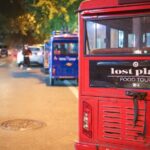
Once you’re together, you’ll ride in a tuk-tuk stocked with unlimited beer and soda as you move through central Chengdu. That matters for two reasons. First, you spend less time hunting for each place. Second, you can sip and snack while the guide lines up the next stop—so your night feels like a single flow instead of a series of interruptions.
Practical tip: wear comfortable shoes. This is a walking-and-stopping evening, and the tour is rain or shine. Also, no luggage or large bags is allowed, so travel light.
Stop 1: dumplings inside a residential community
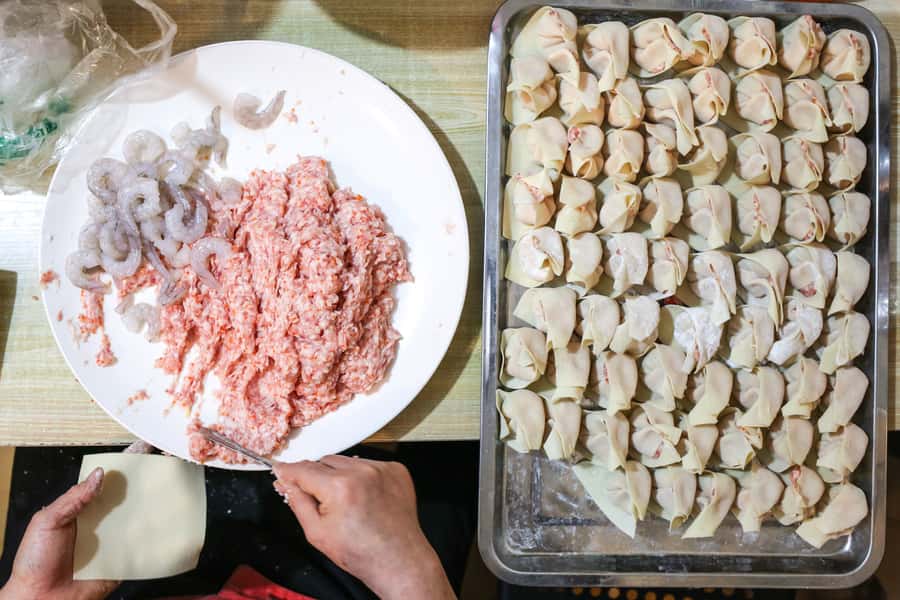
The first stop is one of the most fun ideas on the whole plan: you go to a hidden residential community where you’re welcomed inside for some of the best homemade dumplings in the area. That setting changes the whole vibe. Instead of a tourist queue, you get a more local, family-style welcome, and dumplings become the start of the night rather than a random appetizer.
Why I like this as a first course: dumplings teach you the structure of Chengdu comfort food. They’re a good baseline for seasoning, dough thickness, and the balance of filling. They also take the edge off before the spice intensifies later.
If you’re choosing a spice strategy, this is also where you can start paying attention to the heat level. Even if you request low-spice, dumplings are often flexible in how they’re served. You can learn quickly what works for your palate before the tour asks you to go further.
Stop 2: Chengdu street snack energy plus stuffed pancakes
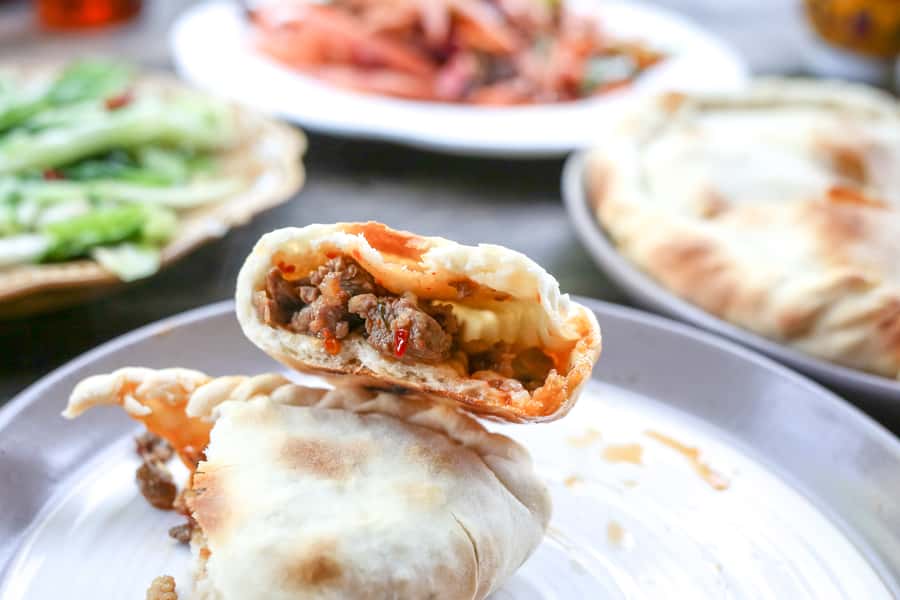
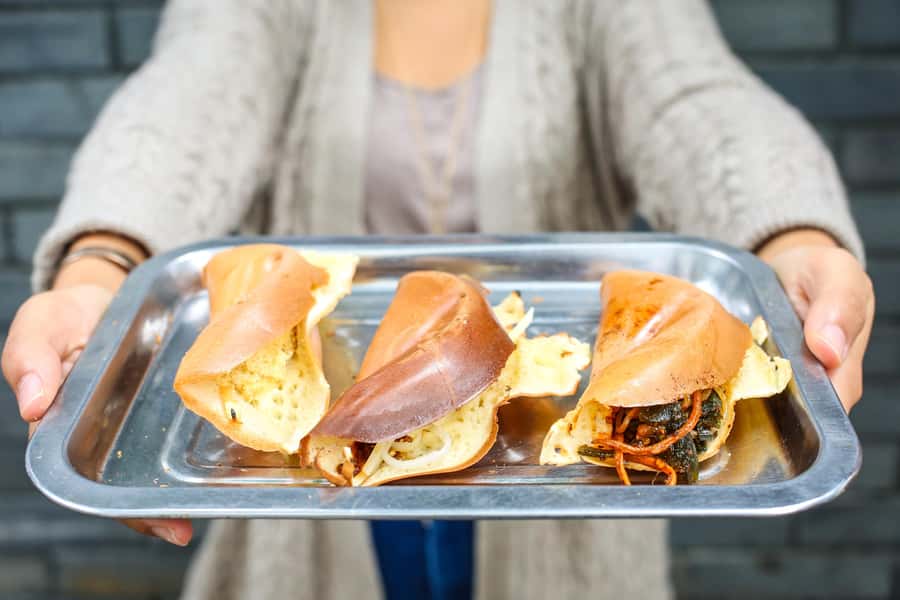
Next comes a chance to try an exquisite version of Chengdu’s most popular street snack, plus Sichuan stuffed pancakes from places described as secret local stops. This is where the tour stops feeling like a “meal itinerary” and starts feeling like a snack crawl.
I’d think of this portion as your texture lesson. Dumplings are soft and filling; stuffed pancakes add a different chew and a more dramatic surface. You’ll likely see your guide timing bites so you get flavor at the right moment, not just whatever’s fastest.
This is also where Chengdu’s food identity shows up most clearly: street snack culture isn’t just cheap food. It’s skill—how fillings stay juicy, how wrappers stay tender or crisp, and how sauce becomes the main character. If you’ve ever watched noodles get sauced and wished you could understand it, this is the setup for that later moment.
The Sichuan spice test: noodle sauce, heat, and a guide watching your pace
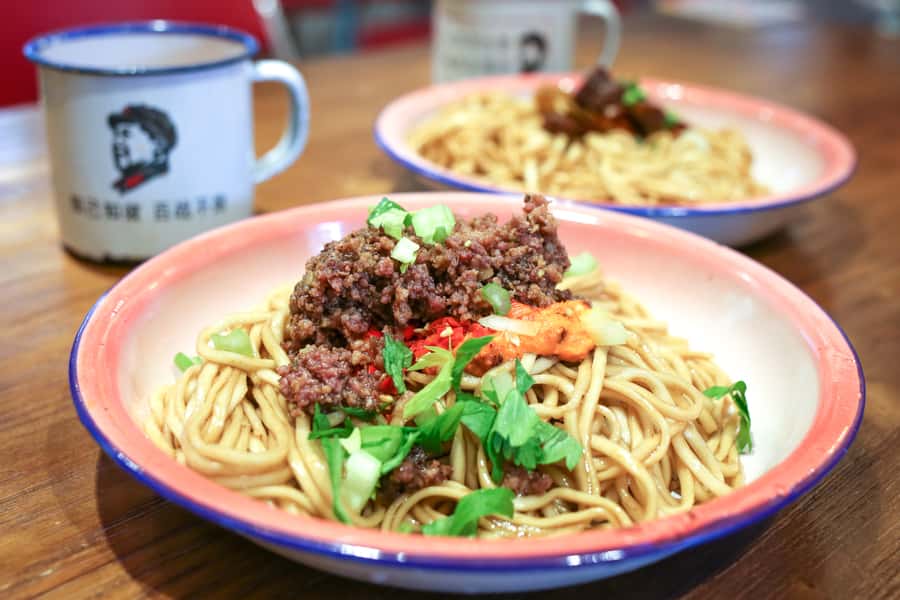
Sichuan cuisine is famous for spice, but it’s not just about pain. The good versions balance chili heat with aroma—garlic, peppercorn notes, and deep savory sauces that make you keep eating even after you think you’re done.
At this point in the tour, you’ll tackle Sichuan spicy specialties. The description highlights watching your noodles get sauced, which is a great moment because it makes the flavor process visible. You’re not guessing what’s in the bowl. You’re seeing how the sauce lands and how the noodles start taking on color and shine right in front of you.
This is also where your add-ons matter. The tour offers non-spicy or vegetarian options you can request via participant add-ons before checkout. The note to remember is simple: substitutions aren’t guaranteed for every dish, and same-day dietary requests can’t be promised. If spice or pork is an issue for you, handle it before you go and mention it clearly to your guide when you meet.
If you’re cooking your own spice tolerance for the night, here’s the practical way to do it: take small bites during the first spicy dish, sip soda or beer between bites, then decide how aggressive you want to be for the next plate. The tour includes plenty of drinks, so you don’t have to white-knuckle it.


Stops 3 and 4: how the tour builds variety without wasting your time
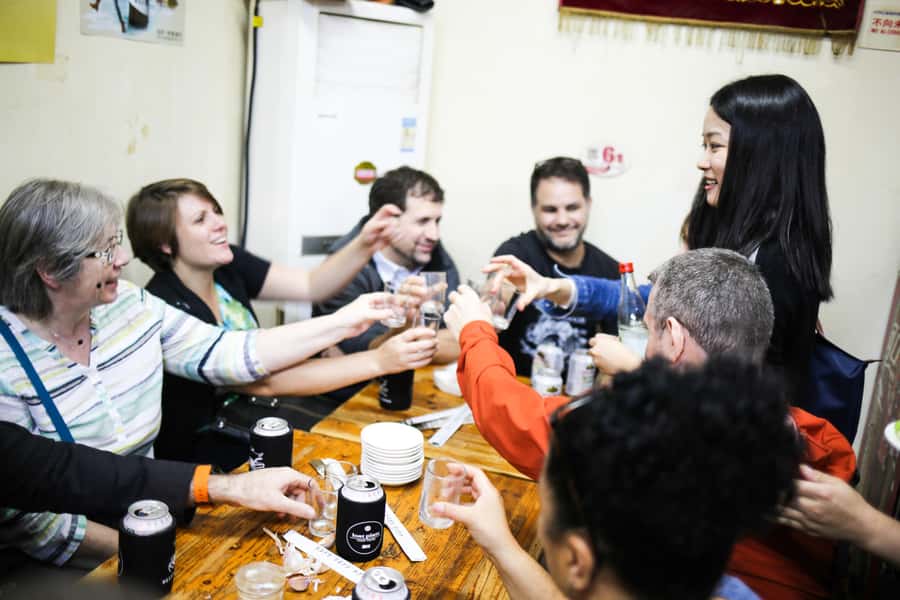
By the time you hit stops 3 and 4, the goal becomes variety. You’re moving between sit-down restaurants and street stalls, and you’re collecting that wide sense of Chengdu food—hot, shareable plates, plus quick bites that keep the night from dragging.
What I like about this structure is that it prevents the classic food-tour problem: too much of one style. Here, the tour keeps you guessing in a good way. You’ll be sampling more signatures from Chengdu’s restaurant and street culture, and the “unlimited food” setup means you’re not stuck worrying about whether you ordered the right thing.
Also, because your transport is handled by the guide and tuk-tuk, you can focus on eating and observing. You’re not trying to locate one tiny storefront while starving and getting lost. That alone is worth a lot in a city where street markets and side alleys can be hard to navigate after dark.
One caution: the portion sizes add up fast. Some dishes feel like they’re designed to share, and the tour is built for group dining. If you’re someone who gets full easily, go slow on your first few tastings so you can still enjoy the later stops.
Stop 5: the local bar with microbrews and daily wine choices
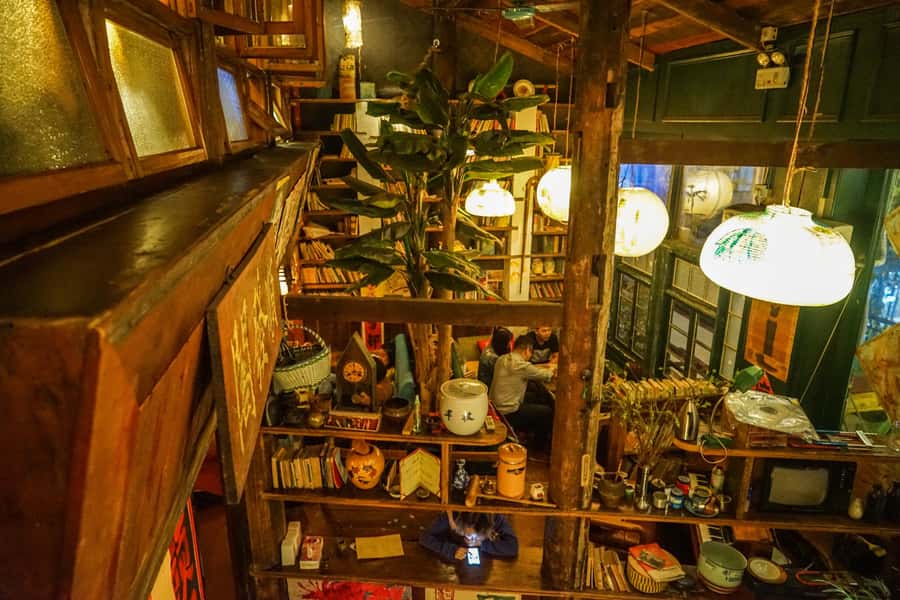
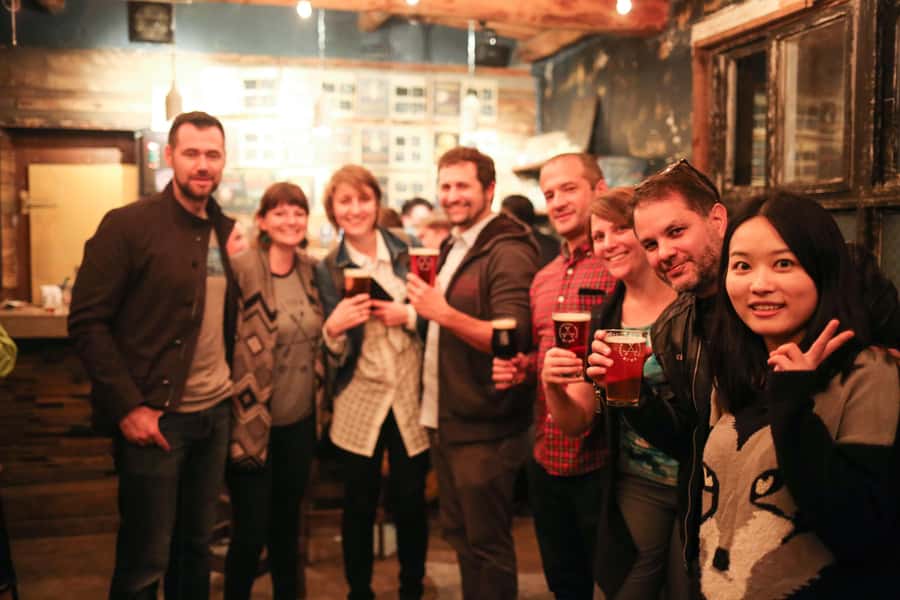
You finish at a favorite local bar, and this is a smart ending. Food tours can end with you eating your last bite in a loud restaurant and then dissolving into the night. Here, the last stop is meant to be a social landing pad where you can talk, decompress, and keep tasting without rushing.
Drink options depend on the day:
- Friday and Saturday: you can try local microbrewed beer
- Sunday to Thursday: you can try rice, plum, or sorghum wine
That day-by-day rotation is practical if you’re booking near a weekend—microbrewed beer fans get the bonus. If you’re not a beer person, the wine options give you a reason to stay for the atmosphere rather than thinking you need alcohol to enjoy the ending.
The biggest win is that the bar feels like part of local life. The description emphasizes drinking alongside locals, which usually means you’ll get a more genuine vibe than a tourist bar where everyone’s just posing.
Price and value: why $79 usually feels like a lot of food
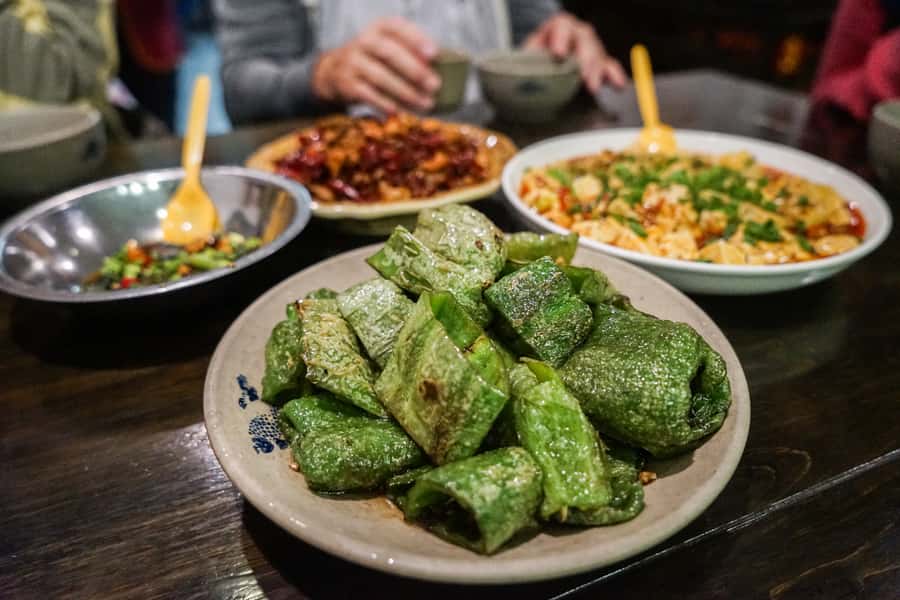
At $79 per person for about 3.5 hours, you’re paying for two things: access and included spending.
Access is the real deal. Getting into the specific local spots—the residential community dumpling stop and the secret pancake/snack locations—takes effort on your own. The guide removes the guesswork. You also don’t waste the night trying to translate menus and directions in real time.
Included spending is the second half of the value. You get unlimited food and drinks across five stops. Even if you skip a few drinks, the fact that unlimited beer and soda are part of the tuk-tuk ride and the meal stops keeps the experience from feeling like a strict tasting schedule.
And then there’s the spice factor. This tour is designed for people who want to try Sichuan properly, not just order something mild and safe. That means you’re getting the experience of Chengdu flavor as a system—heat, sauce, starch, and comfort—all in one night.
Who should book this Chengdu UNESCO food evening tour
Book it if you want:
- An easy win for first-time Chengdu nights, especially if you don’t have time to research food streets
- A guided way to try Sichuan’s spicy specialties with the option to request non-spicy or low-spicy add-ons
- A mix of dumplings, pancakes, noodles, and bar drinks instead of one long meal
- A small-group evening (max 12) where you can actually talk with the guide
I’d also call out guide quality based on the names that show up often: Fiona, Tom, Carol, and George are repeatedly connected to the same themes—friendly energy, keeping the group moving, and explaining food in a way you can remember while you’re eating.
Skip it if:
- You need wheelchair access or mobility support. The tour is not suitable for people with mobility impairments or wheelchair users.
- You’re traveling with large luggage (not allowed on this tour).
- You hate surprises in your meals. Even with options, substitutions aren’t guaranteed for every dish.
Final call: should you book or look elsewhere?
I’d book this if you’re in Chengdu for a short time and you want a real food-focused night with local logic: dumplings first, street snacks and stuffed pancakes next, noodles with sauce when the heat ramps up, then a bar finish that matches the day.
I’d think twice only if your diet needs very specific swaps, because the tour states substitutions aren’t available for every dish and same-day requests can’t be guaranteed. If you’re okay planning ahead and you like the idea of a tuk-tuk food run through central Chengdu, this is one of the most efficient ways to understand what the city eats after dark.
FAQ
How long is the Chengdu Hidden Dishes and Beers UNESCO Food Evening Tour?
It lasts about 3.5 hours.
How many food stops are included?
There are 5 stops, with food and drinks included at each.
Is beer included, or is it just food?
Beer and soda are included. The tour also includes unlimited food and drinks.
What kind of drinks are available at the final bar?
On Friday and Saturday you can try local microbrewed beer. From Sunday to Thursday you can try rice, plum, or sorghum wine.
Is the tour vegetarian-friendly?
Yes, it’s vegetarian-friendly, but substitutions are not available for every dish. Vegetarian-related add-ons need to be selected before checkout, and same-day requests can’t be guaranteed.
Can I request non-spicy or low-spicy options?
Yes. Non-spicy or low-spicy options can be requested by choosing the relevant add-ons before checkout.
What’s the meeting point?
Meet at Yushuang Road Subway Station, Exit C (street level). The guide is waiting upstairs outside the exit.
What should I bring?
Wear comfortable shoes.
Is luggage allowed?
No. Luggage or large bags are not allowed.
Is hotel pickup included?
No. Hotel pickup or drop-off is not included.
Is the tour suitable for wheelchair users?
No. It’s not suitable for people with mobility impairments or wheelchair users.