REVIEW · SHANGHAI
Shanghai: Natural Museum tickets with guide(optional)
Book on GetYourGuide →Operated by Chinatravelhelper · Bookable on GetYourGuide
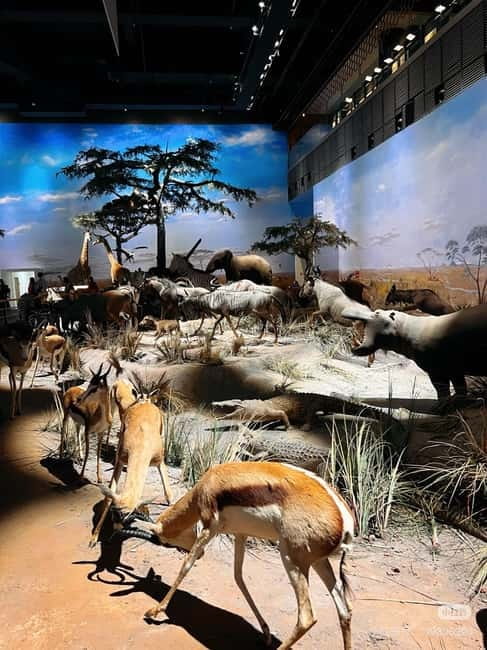
Nature comes with receipts here. The Shanghai Natural History Museum makes it easy to roam at your pace through 10 themed exhibition areas and catch show-style exhibits in 5 theaters. I love the scale of 11,000+ specimens and models from seven continents, and I love the clear theme of Nature · Humanity · Harmony tying it all together. One practical drawback: food and drinks are not allowed, so plan meals around your visit.
I also like that this is a real museum experience, not a rushed tour. You’re in Jing’an Sculpture Park at 510 West Beijing Road in Jing’an District, and the ticket includes an information service fee plus admission. You can keep it simple and just see what grabs you most, or add the English guide for context when you want it.
In This Review
- Key highlights you’ll actually use
- Where the Shanghai Natural History Museum Fits in Your Day
- 10 Themed Exhibition Areas: Your Best Self-Guided Route
- Mystery of Origins
- The Long River of Life
- Path of Evolution
- Earth Treasures
- Diverse Life
- Ecological Wonders
- Survival Wisdom
- Human and Nature Bond
- Shanghai Stories
- The Path to the Future
- Quick planning tip
- Five Theaters Plus the 300-Square-Meter Live Breeding Area
- The Exploration Center and Education Activities You Can Use
- Optional English Guide: When It’s Worth It and When It Isn’t
- Price and Value for a One-Day Museum Ticket
- Logistics That Matter on Arrival (No Guessing Needed)
- Who This Ticket Suits Best
- Should You Book This Shanghai Natural History Museum Ticket?
- FAQ
- Is an English guide included?
- How long is the museum visit?
- Where is the Shanghai Natural History Museum located?
- What do I need to bring?
- Can I bring food or drinks into the museum?
- What information do I need to send after booking?
Key highlights you’ll actually use
- 10 themed exhibition areas arranged to help you move from origins to the future
- 5 theaters for learning in a different format than the display halls
- Live breeding area (300 square meters) for up-close nature-in-action moments
- Exploration Center (1,200 square meters) and education activities like Nature Exploration Camp
- Small group cap (up to 5) if you choose the English guide
Where the Shanghai Natural History Museum Fits in Your Day
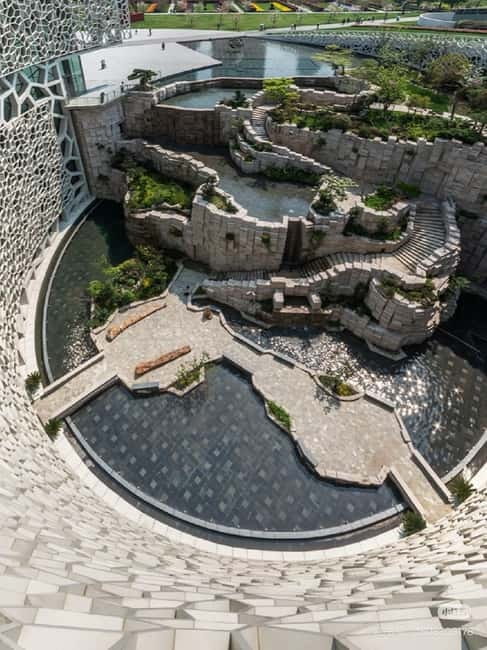
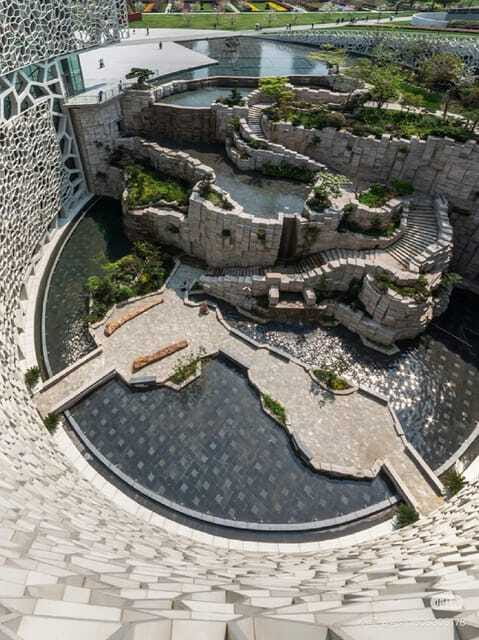
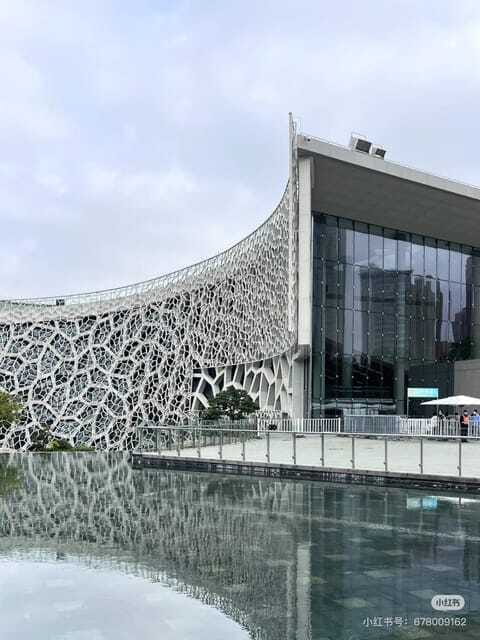
This museum is in a very convenient spot in Shanghai: 510 West Beijing Road, Jing’an District, inside Jing’an Sculpture Park. That matters because you can plan this as a full day outing without burning time on awkward transfers.
The museum is large on paper too—45,257 square meters building space, with 32,200 square meters for exhibition and education. Translation: you can’t see everything in ten minutes. Even if you’re not a “read every label” person, you’ll want a few hours to walk steadily through the exhibits and theaters.
It’s also themed in a way that helps your brain organize the visit. The focus is Nature · Humanity · Harmony, and many of the exhibition areas circle back to the same big idea: what nature does, what humans do, and how science helps us live more thoughtfully.
You can also read our reviews of more tours and experiences in Shanghai.


10 Themed Exhibition Areas: Your Best Self-Guided Route
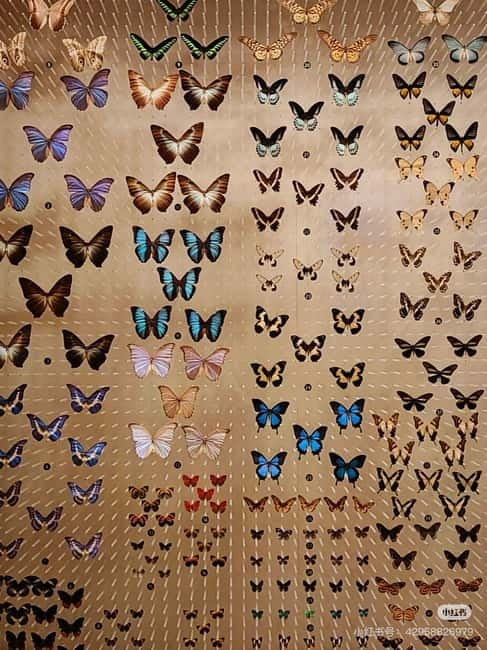
You’re walking into a museum with 10 themed exhibition areas. The good news is that you don’t need a “perfect” plan. Each area is meant to stand alone, but they also connect into a story about life, evolution, ecology, and the relationship between people and the natural world.
Here are the areas you’ll be able to see, with what they tend to offer you as a visitor:
Mystery of Origins
This one sets the stage. Think of it as the museum’s starting point—how life and the world may have gotten to where we are. If you like science explanations that don’t feel like a textbook, this area is a natural place to begin.
The Long River of Life
This continues the big-picture theme: life over time. It’s a good option when you want a calmer, more “concept” kind of learning stretch before you jump into more specific ecosystems and adaptations.
Path of Evolution
This area is ideal if you enjoy cause-and-effect thinking: how changes happen over long periods and how traits can spread. Even if your background knowledge is basic, the structure is set up for you to follow the logic.



Earth Treasures
This is where nature meets materials. If you’re the type who likes geology, resources, or how Earth’s components shape life, you’ll probably spend extra time here.
Diverse Life
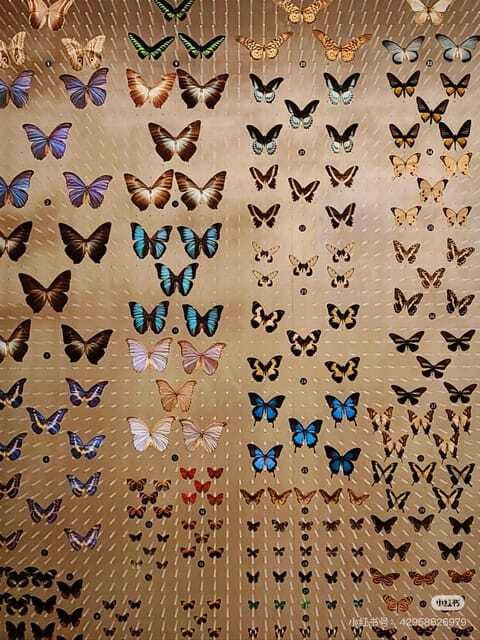
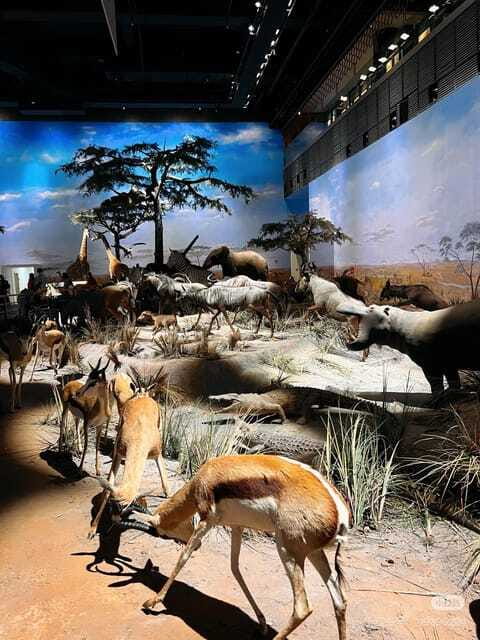
This area is about variety—species and forms across different regions. It’s a strong pick if you want visual variety and lots of specimens and models rather than one single storyline.
Ecological Wonders
Here the emphasis shifts from individual organisms to environments and interactions. This is a great “bridge” area between science and daily life, because it nudges you to think about ecosystems as living systems, not just a collection of animals.
Survival Wisdom
This one fits you if you enjoy adaptation and problem-solving in nature. You’ll get the sense that survival isn’t luck; it’s shaped by traits that help living things handle their environment.
Human and Nature Bond
This is the practical attention-getter. It connects people to nature more directly, which pairs nicely with Shanghai’s own modern context. This is also one of the best places to slow down and read.
Shanghai Stories
This area keeps the local thread. It helps you connect the museum’s global seven-continents material to where you are right now in Shanghai.
The Path to the Future
This wraps the story toward what comes next. If you like ending a museum visit with a sense of direction—what research can do and what choices matter—this is a satisfying finale.
Quick planning tip
I’d skim the exhibition area names first and pick your top 3. Then when you’re inside, let the rest fill in around those priorities. With a museum this size and a one-day window, this keeps you from feeling like you must do everything.
Five Theaters Plus the 300-Square-Meter Live Breeding Area
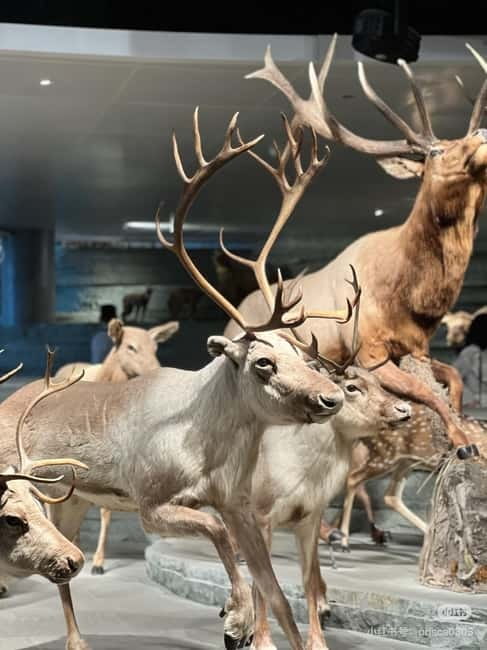
This museum doesn’t rely only on display cases. It also includes 5 theaters, which give learning a different rhythm than walking hall to hall.
If you’re deciding whether to rush the halls or slow down, I’d recommend building in time for at least some theater programming. The museum is clearly designed so that the storyline isn’t only through labels. The theaters help you reset your attention and keep the science moving in your head.
And then there’s the star for many people: the 300-square-meter live breeding area. Live areas change the emotional tone of a visit. Instead of learning only about nature in the abstract, you’re seeing it in action—another reason the visit feels more real.
If you’re traveling with kids, this live space can become a natural anchor point: a place where everyone’s attention converges. Even as an adult, it’s a good reminder that ecosystems are active systems, not museum dioramas.
The Exploration Center and Education Activities You Can Use
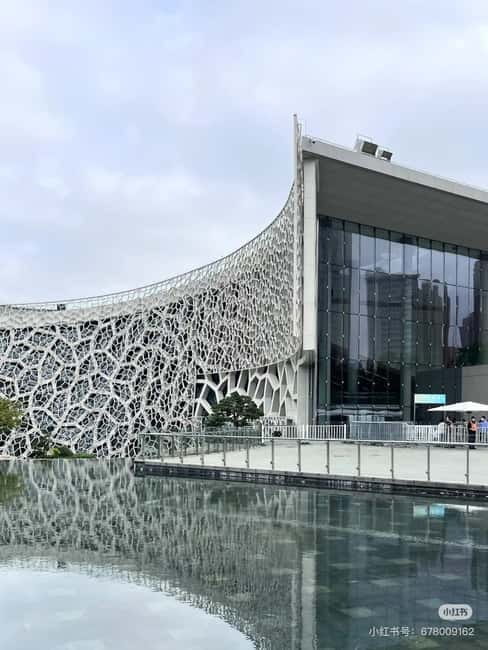
The museum also has a 1,200-square-meter Exploration Center. Even without a guided plan, an exploration space usually gives you room to interact with ideas rather than only observe them.
There are also education activities listed such as Nature Exploration Camp and Drawing Nature. Since the exact timing isn’t provided in your ticket details, you’ll want to treat these as bonus offerings. If you see something running when you arrive, it’s a nice way to add hands-on learning to your day.
One smart way to enjoy these sections is to choose one “active” moment (like an education activity) and one “deep reading” moment (like Human and Nature Bond). That balance keeps your visit from becoming either all scanning or all studying.
Optional English Guide: When It’s Worth It and When It Isn’t
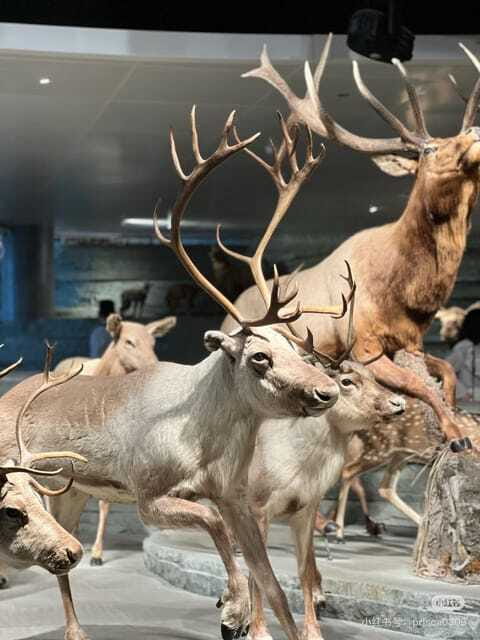
Your ticket setup includes admission, plus an English live tour guide optional experience. The group type is small, limited to 5 participants, which tends to make a guide feel more responsive and less like you’re in a moving crowd.
When I’d use the guide:
- You want quick context for the big science story (origins → evolution → ecology → future)
- You want help choosing which exhibits to prioritize so you don’t waste time
- You prefer a bit of structure but still want personal time to explore
When you might skip the guide:
- You enjoy reading labels and exploring independently
- You’re short on time and just want to walk the key areas at your pace
The best part is that the museum plan supports both approaches. You can keep the day flexible: follow the guide’s suggestion when you want direction, then return to self-guided wandering when something catches your eye.
Price and Value for a One-Day Museum Ticket
The price is $13 per person for a 1-day visit. It includes your admission ticket to the Shanghai Natural History Museum and an information service fee.
To judge value, I’d look at what you’re getting for that one price:
- A museum with 10 themed exhibition areas and 5 theaters
- Access to over 11,000 specimens and models from seven continents
- A live breeding area (300 square meters)
- Optional English guidance in a small group
For Shanghai, that’s the kind of museum pricing that makes it realistic to do even if you’re not a big “museum person.” If you’re already paying for transit and you want one strong cultural/science block during a trip, this ticket is a pretty tidy way to do it.
The biggest “value killer” risk is the food rule. Since food and drinks are not allowed, you’ll need to plan meals. That doesn’t change the museum ticket price, but it can affect your daily budget.
Logistics That Matter on Arrival (No Guessing Needed)
Before you go, plan for these on-the-ground realities:
- Bring passport or ID card. That’s required.
- No smoking, and no food or drinks are allowed inside.
- After purchase, you’ll need to send the provider your expected visit date, your full name exactly as on your passport (including capitalization), and your passport number by email.
You also have a backup path if you’re coming from mainland China: if you have a real-name registered mobile number, you can buy tickets on your own through the WeChat mini program.
Because this is a pre-booked ticket with valid 1 day and starting times depend on availability, I’d treat this as a “pick your day, then commit” activity. It’s not the kind of museum ticket you want to keep vague.
Who This Ticket Suits Best
This experience fits best if you want:
- A science museum with a clear theme and logical exhibit flow
- A day where you can choose your own pace
- Big displays plus real-life nature elements (the live breeding area)
It’s also a strong match for families and mixed-age groups, since the live area and theater formats help everyone stay interested without you needing to act like a science teacher.
If you only have an hour, this likely won’t feel satisfying. But if you have a full day block—this museum rewards time.
Should You Book This Shanghai Natural History Museum Ticket?
I’d book it if you want a low-cost, high-content museum day with options. The mix of 10 exhibition areas, 5 theaters, and a live breeding area gives you multiple ways to engage, and the small-group English guide option keeps it from turning into a totally solo experience.
Skip it or rethink if:
- You strongly dislike museums and only want “hands-on” activities (there’s plenty to see, but you’ll still be walking halls)
- You don’t want to manage food timing since food and drinks aren’t allowed
- You prefer strictly free-form, no-planning travel. This ticket needs your exact personal details sent after purchase.
If your goal is one solid day of nature + science in Shanghai, this is an easy yes.
FAQ
Is an English guide included?
The ticket is for admission, and an English live tour guide is optional. Your visit can also be done at your own pace.
How long is the museum visit?
The ticket is valid for 1 day.
Where is the Shanghai Natural History Museum located?
It’s at 510 West Beijing Road, Jing’an District, Shanghai, within Jing’an Sculpture Park.
What do I need to bring?
You should bring your passport or ID card.
Can I bring food or drinks into the museum?
No. Food and drinks are not allowed.
What information do I need to send after booking?
After purchasing, you need to email the provider your expected visit date, your full name matching your passport exactly, and your passport number.