REVIEW · SHANGHAI
Shanghai: The Marine Wonders at Shanghai Ocean Aquarium
Book on GetYourGuide →Operated by PANDA144 experience · Bookable on GetYourGuide
A hallway of water is waiting for you in Shanghai. The Shanghai Ocean Aquarium turns a ticket into a full day of up-close marine viewing, plus interactive conservation learning you can actually talk about after you leave.
I especially love the 155-meter underwater tunnel layout. It’s built for that slow, steady feeling as sea life passes all around you, not just in front of you. I also like the themed zones approach, with ecosystems shown from China and other ocean regions, so the visit feels like a tour through ocean habitats rather than random tanks.
One thing to consider: entry is single-use only. Once you exit, you can’t pop back in later, so you’ll want to plan your pace and breaks before you step out.
In This Review
- Key highlights I’d circle on your plan
- Entering the aquarium: why the underwater tunnel is the star
- The themed zones: how the visit stays interesting beyond the wow
- Conservation and sustainability exhibits: the learning that doesn’t feel preachy
- Live shows and interactive areas: where energy gets redirected
- A practical walkthrough of how your day can flow
- Start strong with the tunnel
- Then use the themed zones to keep momentum
- Add conservation interactions before your final push
- Finish with the higher-energy areas (shows and interactive zones)
- Price and value: is $38 worth it?
- The logistics you should not ignore before you go
- Who this aquarium suits best (and who might want a different plan)
- Clean, well-run, and family-focused: what the experience feels like in practice
- Photography tips: make the tunnel and zones work for your camera
- Should you book the Shanghai Ocean Aquarium Marine Wonders?
- FAQ
- How long is the Shanghai Ocean Aquarium Marine Wonders experience?
- What is included in the ticket?
- Is a meal included?
- What’s the price per person?
- Do I need a passport to enter?
- Can I bring pets or food and drinks?
- Can I re-enter after I exit the aquarium?
- What if I miss my morning entry slot?
Key highlights I’d circle on your plan

- 155-meter underwater tunnel with sharks, turtles, and sea creatures swimming from multiple angles
- Themed marine ecosystems (China and global) that make the animal lineup feel organized
- Interactive conservation and sustainability exhibits that add a real learning layer
- Live shows and hands-on areas that help keep kids engaged without making it feel like only-for-kids
- Family-friendly atmosphere with clear care for comfort and safety when traveling with children
- Skip-the-ticket-line entry helps you start exploring sooner
Entering the aquarium: why the underwater tunnel is the star
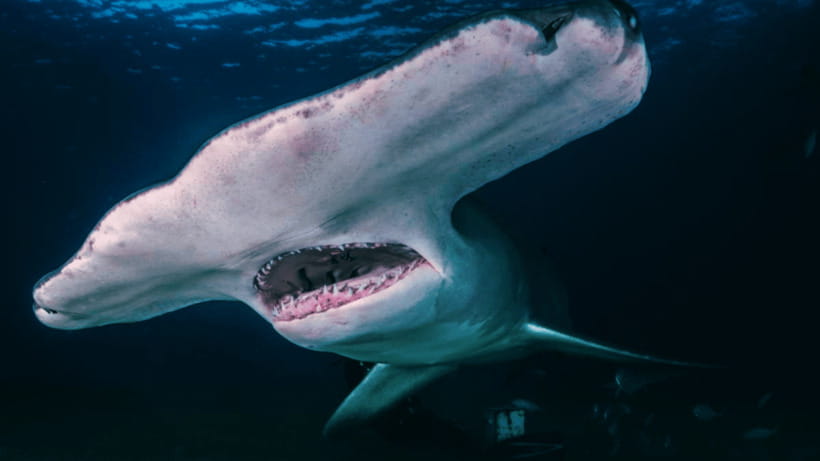
The Shanghai Ocean Aquarium centers everything around one main “wow” moment: the long underwater tunnel. At 155 meters, it’s the kind of space where you naturally slow down, because the view doesn’t stay the same for long. You start noticing how animals move through the water column—coming closer, crossing behind you, and slipping away.
You’ll see sharks, turtles, and lots of other sea creatures as you walk. The key detail is how the tunnel frames them. It’s not one side-on viewing window. The experience is set up so you can look around and feel like you’re sharing space with the animals, not just watching from a fixed spot.
If you’re visiting with kids, this tunnel is the easy sell. Even when they’ve stopped reading signs, they still track motion. That motion is your “story.” You don’t have to force attention; the aquarium does it with the layout.
You can also read our reviews of more tours and experiences in Shanghai.



The themed zones: how the visit stays interesting beyond the wow
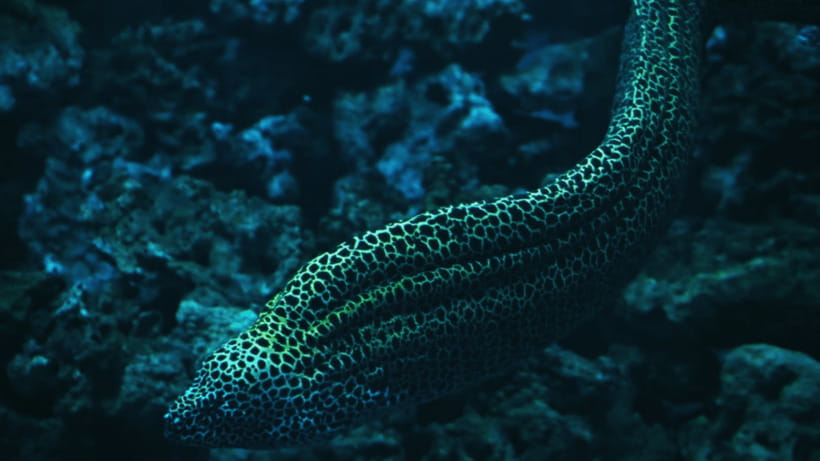
After you get your tunnel photos, you’ll want to keep moving, because the aquarium uses themed zones to keep the content from repeating. Instead of only showing single-species tanks, the setup represents marine ecosystems from China and other parts of the world.
That matters because it changes how you interpret what you’re seeing. With a theme, you can connect animals to habitat conditions—what lives together, what kinds of marine life belong in certain waters, and how ocean ecosystems differ. It’s the difference between seeing fish and understanding a system.
You might also notice the lineup shifts your focus. If you’re chasing jellyfish, coral-reef style animals, or deep-sea creatures, the zones give you a path to follow. In practice, it helps you avoid the “I saw one tank and now I’m tired” problem.
Conservation and sustainability exhibits: the learning that doesn’t feel preachy
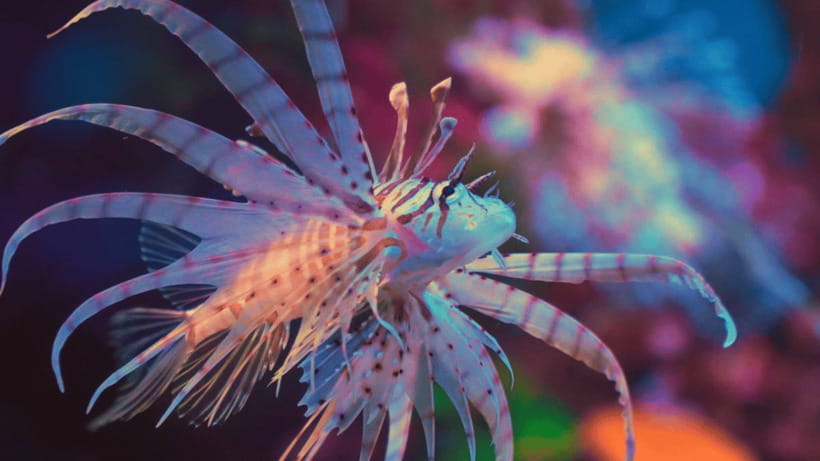
Not every aquarium does education well. This one mixes learning with play through interactive exhibits focused on ocean conservation and sustainability. The goal is simple: help you connect your curiosity about animals to real-world ocean protection.
What I like about this approach is that it gives you something to do when you’re not staring at fish. You can pause, interact, and read in small pieces. Then you carry that context back into the viewing areas—so you’re not just collecting images, you’re collecting ideas.
If you’re visiting as a family, this kind of conservation messaging is useful because kids can take away a theme for the day. You can talk about it on the walk back to your hotel—what they learned, what surprised them, and what they think oceans need.
Live shows and interactive areas: where energy gets redirected
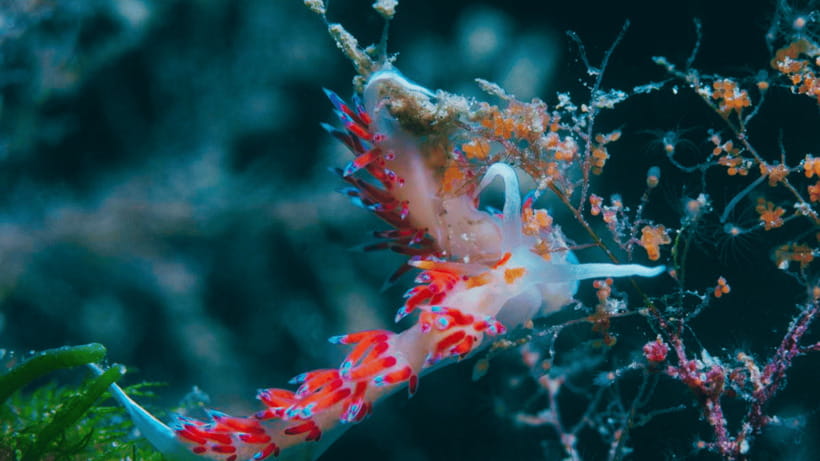
A common aquarium trap is energy burnout. Kids get bored, adults get restless, and everyone loses the thread. This experience helps prevent that with live shows and additional interactive zones.
In a one-day plan, those timed or activity-based moments act like reset buttons. They give you a reason to gather, watch, and then re-enter the “exploring” mode. Even if you’re not a big show person, these breaks help structure your day so you don’t spiral into aimless wandering.
A practical walkthrough of how your day can flow
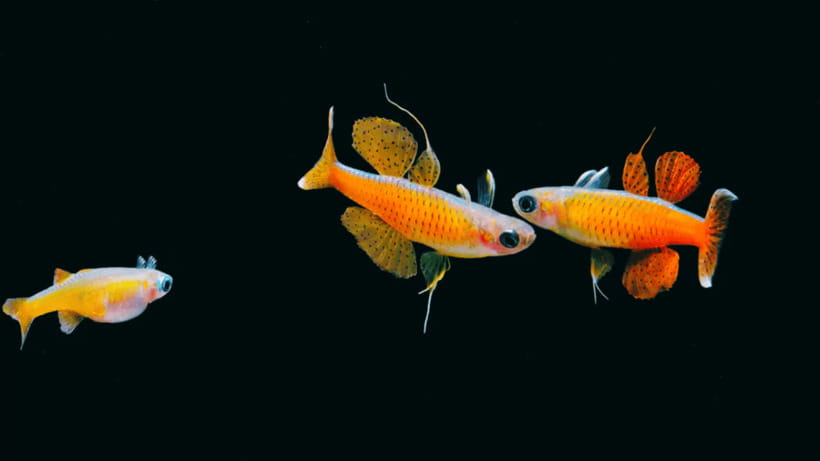
You don’t get a re-entry chance, so your day should run like a loop, not a series of detours. Here’s a practical way to think about the experience:






Start strong with the tunnel
I’d treat the underwater tunnel as your first “must-do.” You’ll be freshest then, and it’s the most likely to set the tone for the rest of your visit. Once you’ve had the tunnel moment, everything else becomes supporting material.
Then use the themed zones to keep momentum
After the tunnel, switch into “habitat mode.” Move through the China and global themed areas with a loose goal: pick a couple zones to linger in, and treat others as a faster scan. That stops you from trying to see everything equally and ending the day exhausted.
Add conservation interactions before your final push
Leave time for interactive conservation and sustainability exhibits. It’s easy to rush education when you’re chasing animals. If you plan these mid-visit, you’ll enjoy them more, and the lessons will stick better.
Finish with the higher-energy areas (shows and interactive zones)
Save the most active, “hands-on” or show-style moments for later in the day when your group needs a lift. Kids often handle the second half better when it has more motion and less reading.
Price and value: is $38 worth it?
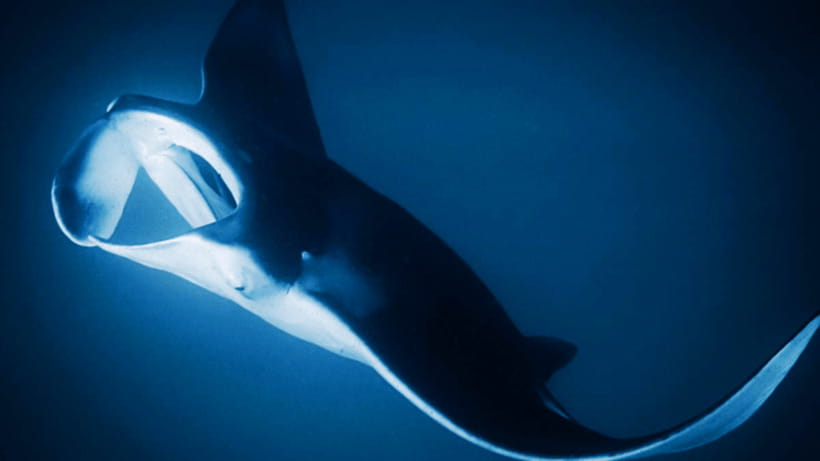
At $38 per person for a 1-day outing, this aquarium sits in the “serious day-trip” category. The value comes from what’s included: marine life exhibits, the long underwater tunnel, and educational programs and interactive zones.
For families, the math is usually simple: one ticket that covers a full outing is easier than piecing together separate activities. For adults, the value is in the structure—tunnel plus themed ecosystems plus conservation learning rather than only a collection of tanks.
Also, the fact that you can skip the ticket line helps. Time saved matters on day trips, and it makes the ticket feel more immediately useful.
Meals and souvenirs aren’t included, so budget for that. But the core experience includes the “big attractions” that justify spending a day here.
The logistics you should not ignore before you go
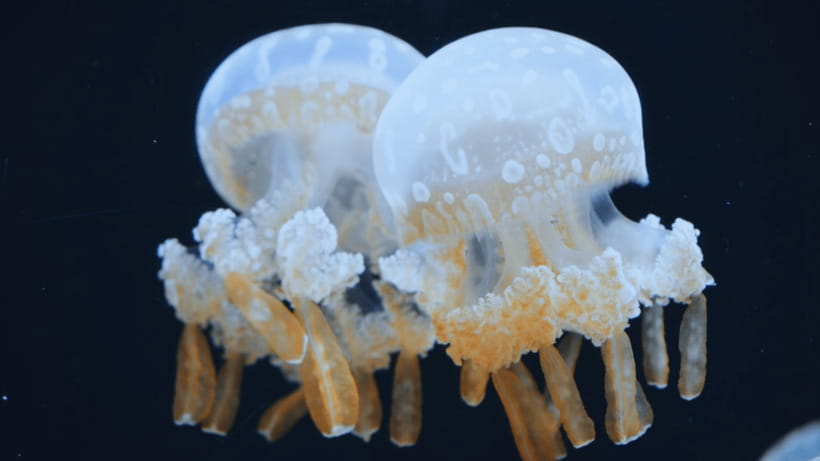
This isn’t the kind of activity where you want last-minute surprises.
First, you’re told that the Get Your Guide QR is not valid, and you should communicate through WhatsApp or email ([email protected]) or wait for their email. You also need to send your full name as it appears on your passport and your passport number to complete the booking. If those details aren’t received on time, the booking can be canceled, and a cancellation fee may apply.
Second, keep in mind entry is single-use only. You can’t exit and re-enter later, so plan restroom breaks and snacks accordingly. And there’s no re-entry once you exit the aquarium.
Third, you’ll need to bring a passport and you’ll likely want a camera. The rules also specify no pets, no smoking, and no food and drinks inside.
Finally, ticket entry is tied to the day’s slots. If you miss your morning slot, you may enter during the afternoon slot, but it’s still only once per day.
Who this aquarium suits best (and who might want a different plan)
This experience is strong for families. The layout works for kids because the tunnel keeps pulling them back in, and the interactive elements give them something to do besides stare. The experience is also a good fit for school-age travelers, because the conservation focus gives the day a purpose beyond fun.
Adults will enjoy it too—especially if you like observing animal behavior from different angles. The tunnel viewing helps you see how animals move and overlap in the same space, which is a different feeling than standing in front of a single tank.
If you’re the type of visitor who wants very quiet, slow galleries, you might find the aquarium’s family energy a bit more active than museums. But the flip side is that it’s usually lively in a good way—more playful, less stiff.
Clean, well-run, and family-focused: what the experience feels like in practice
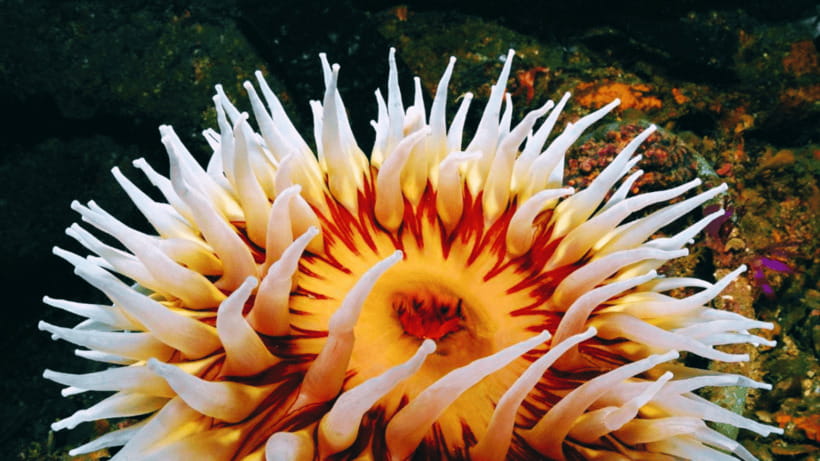
From the way the experience is described, what stands out most is how smooth it feels for families. People highlight excellent organization and a well-maintained, clean environment. That’s not a tiny detail—cleanliness makes animal viewing more pleasant, and it also helps when kids are moving around.
Another repeated theme is care. When traveling with an 11-year-old and a 4-year-old, for example, the experience was described as attentive and patient, with real concern for comfort and safety. That matters, because aquariums can be physically tricky for young kids—stairs, long walking paths, and crowded moments. Here, the support focus makes it easier to relax and enjoy the day.
Photography tips: make the tunnel and zones work for your camera
If you bring a camera, you’ll want a plan because the best photo moments happen in the tunnel and in the moments where animals cross your path. The tunnel viewing is your biggest photographic advantage: subjects move in front of you in a long, continuous scene.
For the themed zones, focus on variety rather than capturing everything. Try to get one or two anchor shots per zone, then spend the rest of the time observing in real life. You’ll enjoy the visit more that way—and your photos will look better because you’ll take fewer rushed images.
Should you book the Shanghai Ocean Aquarium Marine Wonders?
Book it if you want a one-day experience that combines a major visual attraction (the 155-meter tunnel) with organized ecosystems and real educational content. The price makes sense for a full outing, especially if you’re traveling with children and need a day that works on multiple levels.
Think twice if you’re the kind of visitor who hates fixed entry windows or who expects to leave and come back later, because re-entry isn’t allowed. If your schedule is flexible and you’re ready to plan your route inside the aquarium, this is the kind of day that’s likely to feel worth it from start to finish.
FAQ
How long is the Shanghai Ocean Aquarium Marine Wonders experience?
It’s valid for 1 day.
What is included in the ticket?
Included are marine life exhibits, the long underwater tunnel experience, and educational programs and interactive zones.
Is a meal included?
No. Meals and souvenirs are not included.
What’s the price per person?
The price is $38 per person.
Do I need a passport to enter?
Yes, you should bring a passport.
Can I bring pets or food and drinks?
No. Pets are not allowed, and food and drinks are not allowed.
Can I re-enter after I exit the aquarium?
No. Entry is single-use only, and re-entry is not allowed once you exit.
What if I miss my morning entry slot?
If you miss the morning slot, you may enter in the afternoon slot, but entry is allowed only once per day.
If you want, tell me your travel dates and whether you’re going with kids (and their ages). I’ll suggest a simple on-the-ground order to maximize tunnel time and keep the day moving.