REVIEW · SHANGHAI
Shanghai: Xintiandi, CCP Museum and French Concession Tour
Book on GetYourGuide →Operated by Shanghai Guided Tours · Bookable on GetYourGuide
Shanghai history comes with street-level drama. This 3-hour small-group walk strings together art lanes, colonial-era courts, and key Communist Party sites, all in one handy route.
I especially like how the guide makes the story human—explaining how the Former French Concession worked and how revolutionary leadership took shape. I also like the pacing: you move from creative side streets in Tianzifang to major landmarks without feeling lost in a long day.
One caution: it’s a lot of stops in 3 hours, so wear comfortable shoes and be ready for a brisk walking rhythm. If political history isn’t your thing, you might want to treat the CCP portions as context rather than the main event.
In This Review
- Key highlights you will actually feel
- Starting in Tianzifang: art, shops, and a quick orientation win
- Walking the Former French Concession: courts, rules, and why buildings matter
- Sinan Mansions: where Western villa rules shaped the skyline
- Zhou Enlai’s former residence: a French-style building with CCP connections
- Dr Sun Yat-sen’s home: revolutionary roots with many original elements
- Xintiandi: CCP formation and the first National Congress
- Price and logistics: is $60 for 3 hours worth it?
- Who this tour suits best (and who may prefer something else)
- Small-group feel: why the number of people matters
- Should you book the Shanghai Xintiandi, CCP Museum, and French Concession tour?
- FAQ
- How long is the tour?
- What is the group size?
- Where do I meet the guide?
- Is hotel pickup included?
- What languages are available for the live guide?
- Which neighborhoods and sites does the tour cover?
- Is food and drinks included?
- What should I bring?
- Can I cancel for a refund?
Key highlights you will actually feel
- Tianzifang lanes: a creative neighborhood you can wander through at a human pace
- Court history in the Former French Concession: stories about how UK, US, and France ran courts in Shanghai
- Sinan Mansions context: Western villa rules that shaped what you see today
- Zhou Enlai’s former residence: a French-style building tied to CCP delegate work
- Dr Sun Yat-sen’s preserved elements: a closer look at how a revolution icon is remembered
- Xintiandi and CCP origins: time in the exact places tied to the party’s early national congress
Starting in Tianzifang: art, shops, and a quick orientation win
Your tour begins at Tianzifang, in front of entrance number 3 of Tianzifang station (田子坊3号门). Your guide holds a GetYourGuide logo, and I strongly suggest you arrive about 15 minutes early so you can get oriented without rushing.
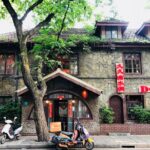
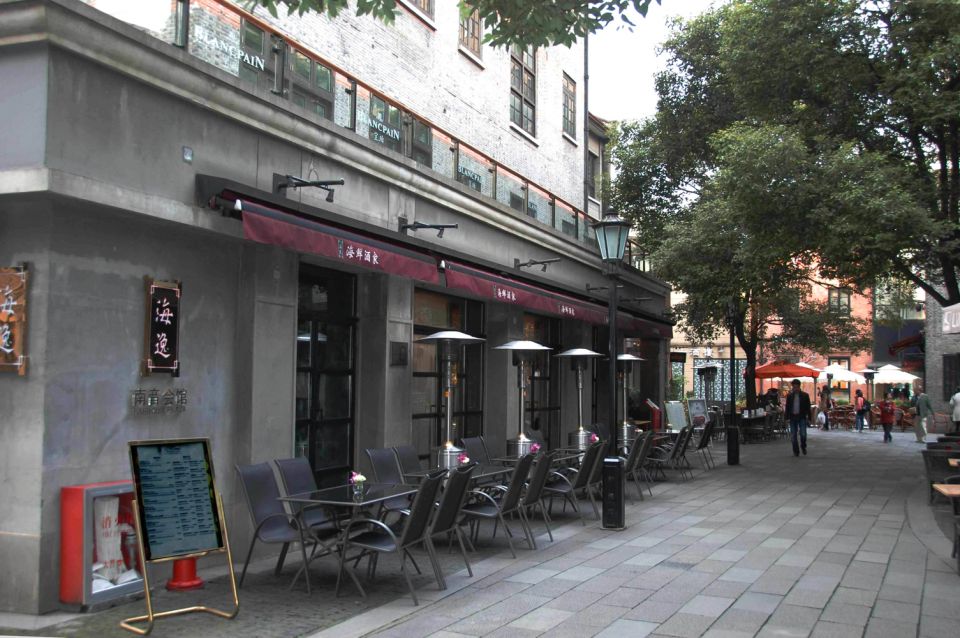
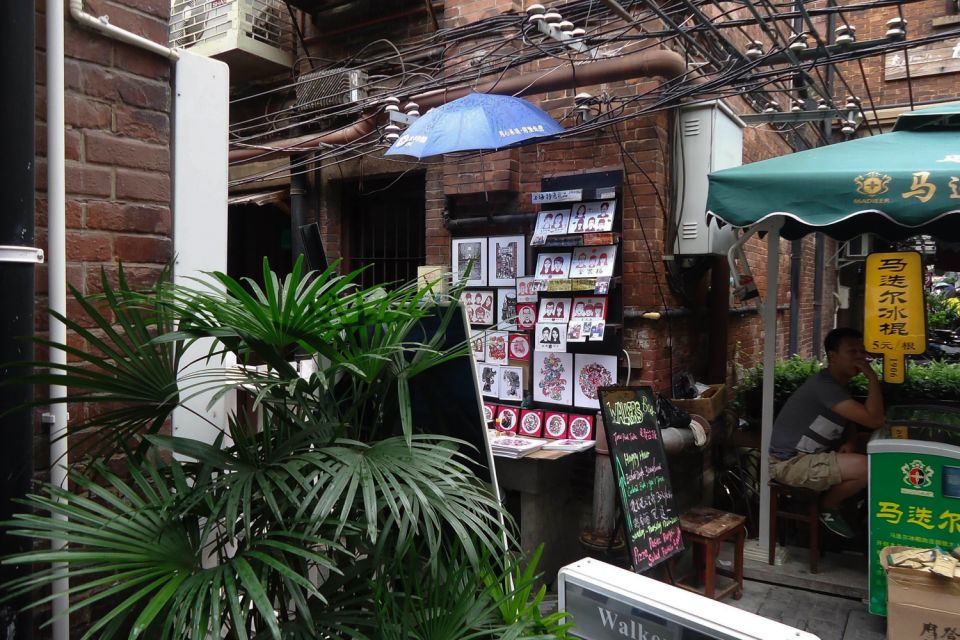
The first stretch is Tianzifang, a cozy neighborhood full of small, creative businesses. This is the kind of place where the streets are the attraction. Instead of a museum-style stop where you only look forward, you’ll get turns, alleys, storefronts, and the feeling that old Shanghai spaces keep getting repurposed.
This opening stop matters because it sets your visual baseline. You’ll see how Shanghai mixes old structures with modern commerce—then you’ll carry that pattern of thinking into the Former French Concession and the revolutionary sites later.
Practical tip: bring a face mask or protective covering, and expect some crowding. Tianzifang is the sort of place where you’ll want to step aside for photos.
You can also read our reviews of more tours and experiences in Shanghai.

Walking the Former French Concession: courts, rules, and why buildings matter
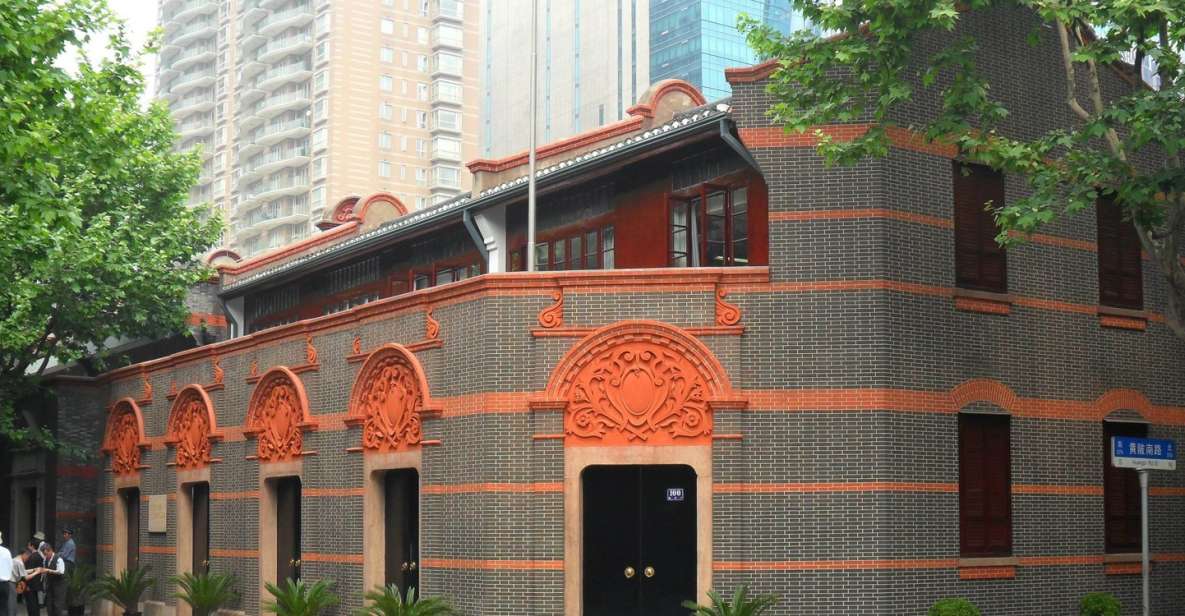
From Tianzifang, the route shifts into the Former French Concession, also called the FFC. Your guide walks you to an important building in the legal world of old Shanghai: the Shanghai Associated House Common Pleas.
Here’s what I like about this stop. You’re not just hearing political slogans. You’re learning how foreign powers functioned on the ground—specifically, how the UK, US, and France ran their courts in Shanghai. That detail changes how you read the neighborhood. Legal authority isn’t abstract when you can point to the structures tied to it.
As you move through this area, keep an eye out for architectural cues and street layout. The tour’s real value is in connecting those visible features to the invisible systems: jurisdiction, governance, and power.
Potential drawback: the subject can get technical, especially the court-and-authority angle. If you like history only when it connects to everyday life, ask the guide to explain how these systems affected locals. Guides like Roy and Tom are praised for being easy to talk with and for answering questions clearly, so you can steer the conversation.
Sinan Mansions: where Western villa rules shaped the skyline
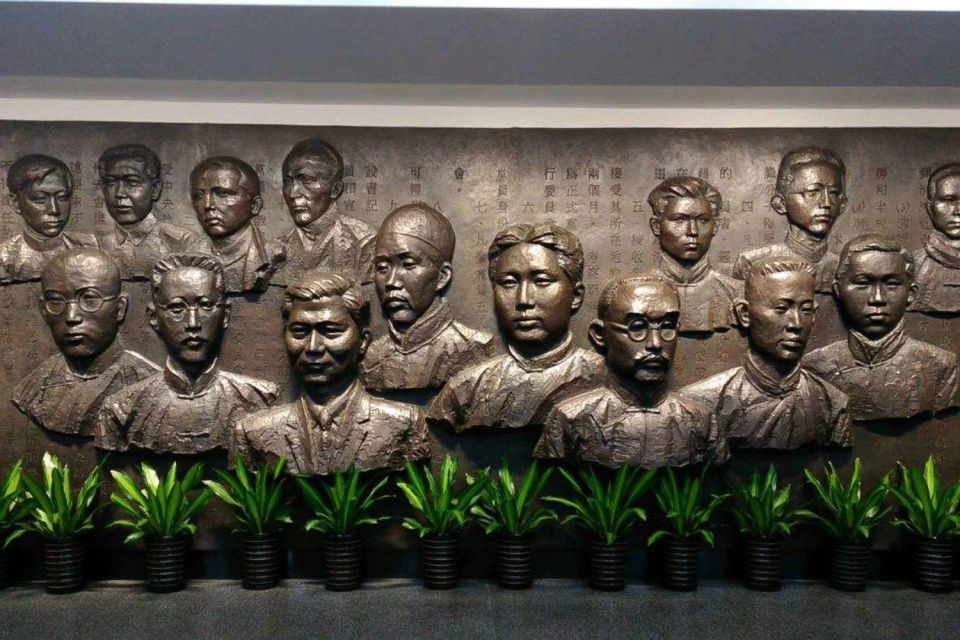
Next comes Sinan Mansions, an area where only Western villas were allowed to be built. That single detail is a “pay attention” moment. It tells you this wasn’t just an accidental architectural style—it was policy.
When you arrive, look beyond the facade. Think about what it means when a city draws boundaries around who gets to build, and where. The tour uses this place to help you see segregation and privilege as built environment, not just history on a page.
This is also a key transition point. The tour is moving from colonial legal and civic power into the early Communist era, and Sinan Mansions sits right in the middle of that contrast: strict Western planning patterns beside the emerging revolutionary story.
Zhou Enlai’s former residence: a French-style building with CCP connections
One of the most compelling stops is the former residence of Zhou Enlai, in a French-style building. The tour then points out that this building was used as the Shanghai Office of the Delegates of the Communist Party of China.
What I like here is how the guide connects architecture to strategy. A French-style residence may sound like atmosphere only, but the tour’s framing is practical: these spaces served real work. You’re learning that political movement isn’t only made in slogans—it’s organized in offices, housed in buildings, and staffed by people with daily responsibilities.
As you look at the site, try to picture the logistics. Where people met. How messages traveled. How influence grew in a city that already had powerful foreign structures and local institutions.
Consideration: this stop is clearly part of the party’s origin narrative, so it can feel emotionally heavier than the more neutral architectural sightseeing. If you prefer purely architectural tours, you may want to pace yourself and take short breaks between stops.
Dr Sun Yat-sen’s home: revolutionary roots with many original elements
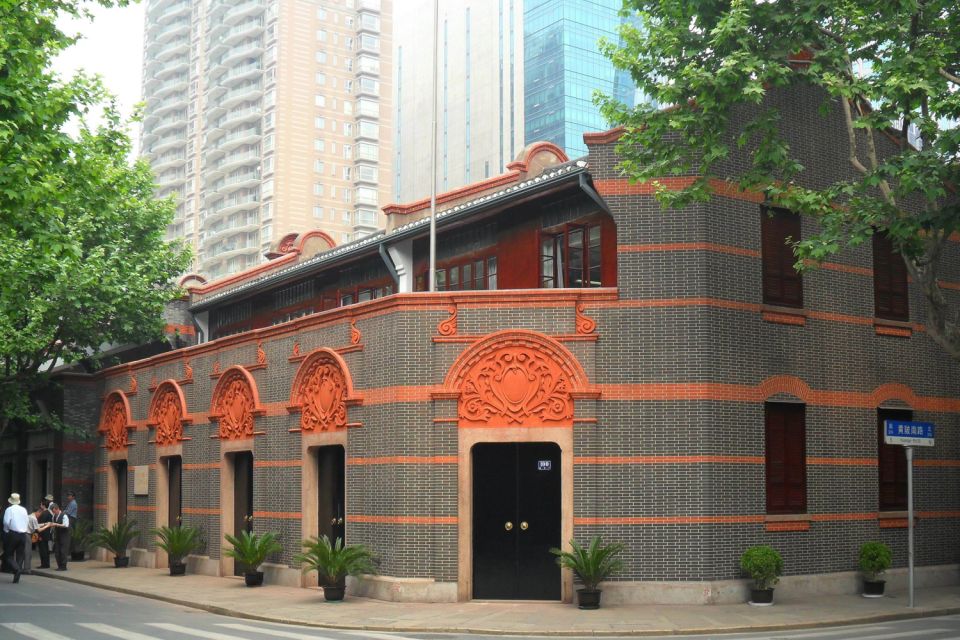
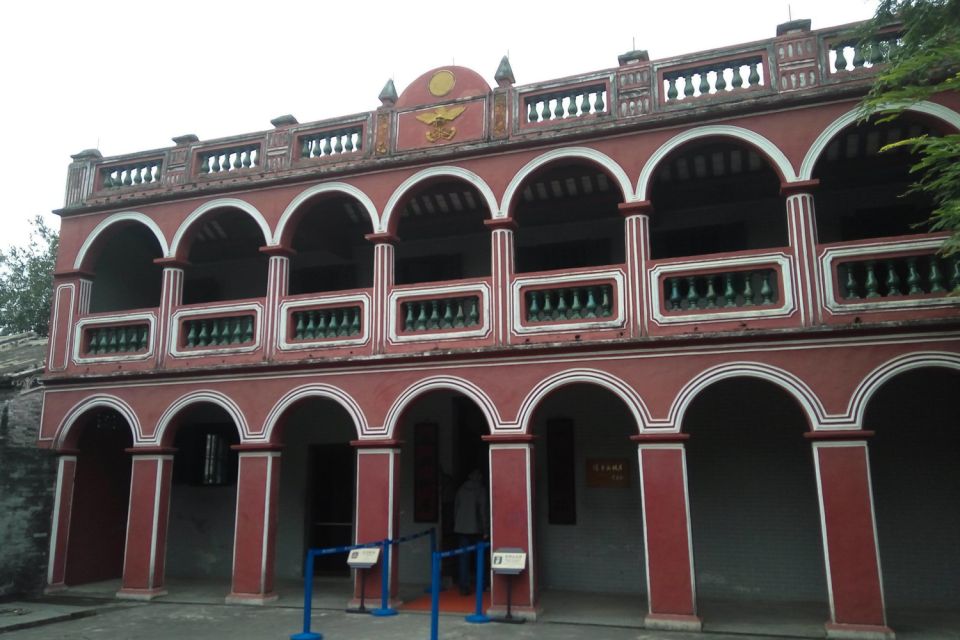
After Zhou Enlai’s residence, the tour visits Dr Sun Yat-sen’s former residence, where most elements remain untouched. This is a different kind of historical experience than the CCP focus at Xintiandi, because Sun is framed as a major influence on China’s revolution—and still one of the best-known figures in Chinese society.
I appreciate this stop because it broadens the story. Instead of treating the Communist Party as the only thread, you get a bigger view of revolutionary legacy in China. The tour also uses the preserved elements to keep you grounded in the physical setting, not just the biography.
If you like learning through specific places, this is a strong stop. Details that remain in place help you feel what time has done—and what it hasn’t managed to erase.



Xintiandi: CCP formation and the first National Congress
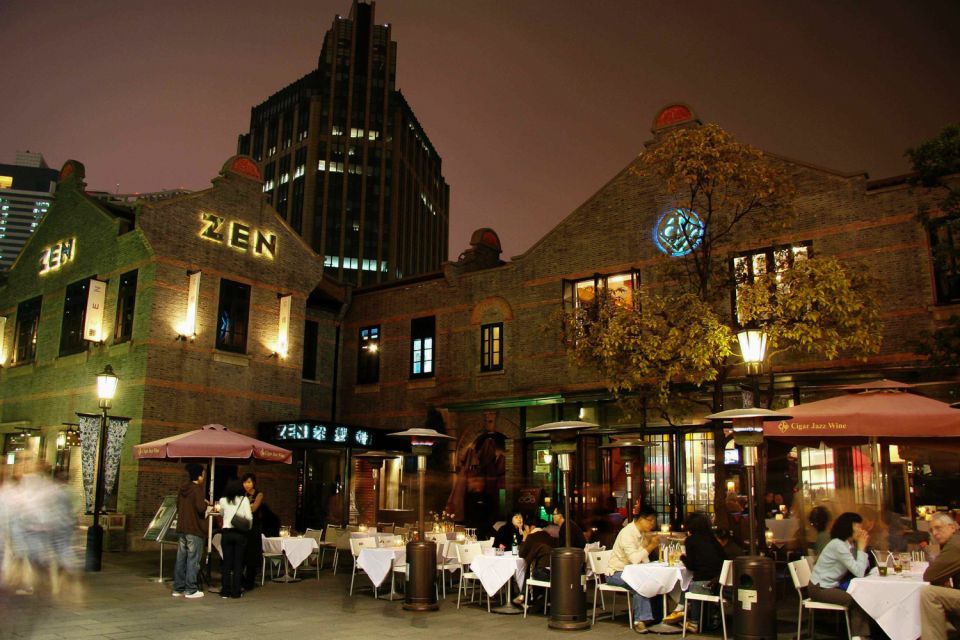
The tour finishes at Xintiandi, where the CCP was formed and where you’ll visit the site of the first National Congress of the CCP.
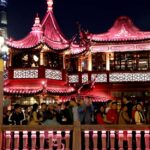
This is the climax for anyone who wants the “how did it all start” version of Shanghai history. Xintiandi today is known as a lively, renovated area, but the tour anchors it to a much earlier political beginning. That contrast is part of the point: cities change, and power networks change, but specific locations can hold stories that echo far beyond their current look.
The tour’s guidance helps you understand how early Communist leadership gained traction and came to power in China. If you’re the type who likes timelines, this is where the whole route starts to click: colonial governance in the French Concession era, Western-influenced planning in places like Sinan Mansions, and then the revolutionary organizing that leads to the party’s earliest national-level steps.
Practical tip: after the tour ends, you’ll get recommendations for eateries or bars in the surrounding area. Xintiandi is a good place to end because you can roll straight into dinner without another round of transit planning.
Price and logistics: is $60 for 3 hours worth it?
At about $60 per person for a 3-hour guided, small-group route (limited to 10 participants), this falls into the “good value if you want context” category.
Here’s why the price can make sense:
- You’re covering multiple significant sites without doing the planning yourself.
- You’re getting a professional guide in Chinese or English, with strong English mentioned in past experiences like Roy and Tom being praised for fluency and thorough explanations.
- The guide can answer questions on the spot, which is often where the real payoff happens on history days.
Here’s where you should be realistic:
- Food and drinks aren’t included, so factor in dinner costs after the walk.
- Hotel drop-off isn’t included, though pickup may be available if you select that option.
- It’s walking-focused. Even if it’s not a long-distance hike, it’s a focused 3-hour route with multiple stops.
If you like to understand what you’re seeing, a guided walk is usually cheaper than buying your own tickets, maps, and several hours of trial-and-error. If you’d rather wander freely with zero structure, you might not get full value.
Who this tour suits best (and who may prefer something else)
This tour is a good match if you want:
- A compact introduction to Shanghai’s layered past, from colonial governance to revolutionary origins
- A route that blends architecture, politics, and place-based storytelling
- A small group atmosphere where you can ask questions without feeling like you’re in a lecture hall
It may be less ideal if:
- You prefer spending most of your time in one neighborhood rather than moving every segment
- You don’t want political history as a major component of the itinerary
- You dislike walking among crowds and shopfronts (especially around Tianzifang and Xintiandi)
If you’re traveling with teenagers or friends who say history is boring, this tour can actually work—because it uses buildings and streets as the hook, not just dates.
Small-group feel: why the number of people matters
With a small group size (up to 10 participants), the tour can stay conversational. That’s a big deal on a history route. When you can ask why a specific building mattered or how a power system worked, the day stops being a checklist and starts becoming understanding.
This is also where the guide quality shines. Past feedback highlights fluent English and the ability to explain topics clearly and answer questions deeply, which is exactly what you want when the subject includes courts, jurisdiction, and party origins.
So if you’re the kind of person who keeps asking follow-up questions, you’ll likely feel comfortable here.
Should you book the Shanghai Xintiandi, CCP Museum, and French Concession tour?
I’d book this tour if you want a high-impact Shanghai afternoon that connects architecture to real political change. The route is well structured for first-timers and for repeat visitors who want the stories behind what they see.
Don’t book it if you want a mostly cultural tour with minimal politics, or if you hate walking between multiple central sites in a short time. Also, since food isn’t included, plan to eat before you start or to budget for dinner after you finish in Xintiandi.
If you like clarity, good guiding, and a route that makes the city feel logical, this one is a strong pick.
FAQ
How long is the tour?
The tour duration is 3 hours.
What is the group size?
It is a small-group tour limited to 10 participants.
Where do I meet the guide?
Meet in front of the entrance number 3 of Tianzifang station. The local address is 泰康路248弄田子坊3号门, and the guide will be holding a GetYourGuide logo. Arrive about 15 minutes early.
Is hotel pickup included?
Hotel pickup is included only if you select the hotel pickup option. Hotel drop-off is not included.
What languages are available for the live guide?
The live tour guide is available in Chinese and English.
Which neighborhoods and sites does the tour cover?
You will visit Tianzifang, the Former French Concession area (including the Shanghai Associated House Common Pleas), Sinan Mansions, the former residences of Zhou Enlai and Dr Sun Yat-sen, and Xintiandi, including the CCP-related site tied to the first National Congress.
Is food and drinks included?
No. Food and drinks are not included in the tour price.
What should I bring?
Bring a passport or ID card, comfortable shoes, and a face mask or protective covering.
Can I cancel for a refund?
You can cancel up to 24 hours in advance for a full refund.