REVIEW · SHANGHAI
Small-Group Shanghai’s Old City Walking Exploration
Book on Viator →Operated by Arcade Experiences · Bookable on Viator
Nanshi changes fast, so walk now. This Small-Group Shanghai Old City Walking Exploration takes you into Old Shanghai (Nanshi) and Laoximen while parts of the area are still there, before redevelopment reshapes the streets. You get a local, on-foot perspective on everyday life, architecture, and the forces that have pushed old neighborhoods out.
I especially love the chance to see the disappearing side of Shanghai up close. The first stop includes an area people describe as a Ghost City, where you can feel how quickly a neighborhood can empty out. My second favorite part is the food stop: you’ll sample a Shanghainese snack in a typical restaurant instead of just passing by storefronts.
One thing to consider: the tour ends near Confucius Temple, but you won’t go inside because it’s closed and under renovations. So go for the street-level context and the house views, not temple photos from inside.
In This Review
- Key highlights I’d circle before you book
- Old Town (Nanshi) and the Ghost City feeling you can’t get alone
- Longmen Cun (South Gate): Shikumen houses and the logic of everyday living
- Laoximen snack stop: a small meal that teaches you local Shanghai
- Ending around Laoximen and the Confucius Temple area (without entering)
- Walking with a small group (up to 10) and a guide with real Shanghai instincts
- Price and value: what $100 buys in time, snacks, and guidance
- Practical logistics that actually affect your morning
- Who should book this Old City walk—and who might not
- Should you book this tour?
- FAQ
- How long is the Old City Walking Exploration?
- What time does the tour start?
- How much does it cost?
- Where do we meet and where do we end?
- How big is the group?
- Is this tour ticket mobile?
- Does the tour include food?
- Can I request dietary accommodations?
- Will we visit Confucius Temple inside?
- Is the tour affected by weather?
Key highlights I’d circle before you book

- Small group size (max 10) makes it easier to ask questions and move at a relaxed pace
- Nanshi before redevelopment gives you a rare look at what’s being changed
- Shikumen houses at Longmen Cun (South Gate) explain Shanghai’s classic living style
- A real Shanghainese snack in Laoximen with options if you have food needs
- History tied to urban change (not just dates and plaques)
- Confucius Temple area ending without an interior visit, since it’s under renovations
Old Town (Nanshi) and the Ghost City feeling you can’t get alone
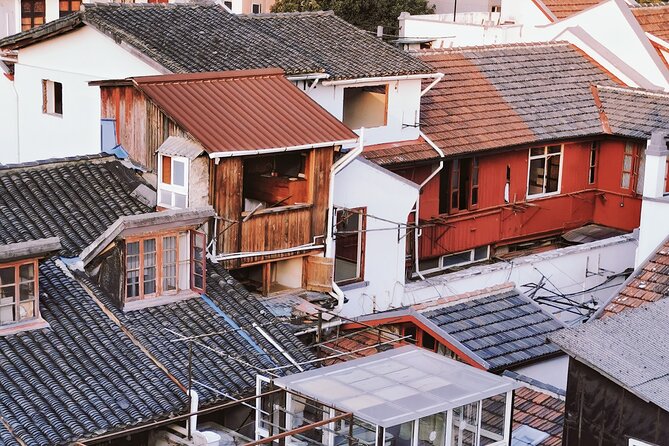
The tour starts at the Small South Gate area in Huangpu, and within the first hour you move into Nanshi, a part of Shanghai where redevelopment has been reshaping the urban fabric. The guide frames this as disappearing Shanghai, and you’ll see why the nickname Ghost City gets used. Some sections feel oddly quiet, like the city is holding its breath.
I like that the leader doesn’t treat this as a sad photo stop. You’ll get context about how Shanghai developed and why neighborhoods like this get emptied and rebuilt. Along the way, you also notice small details that a quick independent stroll often skips: the shape of streets, the way buildings sit next to each other, and what the neighborhood layout suggests about daily routines.
The big value here is timing. This is the kind of place where the interesting parts are not always permanent. If you only wander on your own, it’s easy to miss the meaning behind what you’re seeing.
You can also read our reviews of more tours and experiences in Shanghai.



Longmen Cun (South Gate): Shikumen houses and the logic of everyday living
Next you head to Longmen Cun (South Gate) for about 30 minutes. This is a lively neighborhood stop, and it’s a nice contrast to the quieter mood of the first segment. You’ll spend this time learning what makes Shanghai housing distinctive—especially the Shikumen houses.
The guide will explain how Shikumen homes work and what you should look for as you walk. That matters because these buildings aren’t just old shells. They reflect a practical way of living—how families used space, how entrances and lanes relate to street life, and how architecture supported the day-to-day rhythm of the community.
Even if you’re not an architecture nerd, this part helps you read the city like a story. You start to notice patterns: how entrances line up, how the street edges feel, and how the neighborhood’s design supports people moving through it. It’s the kind of lesson that makes the rest of Shanghai easier to understand, not harder.
Laoximen snack stop: a small meal that teaches you local Shanghai
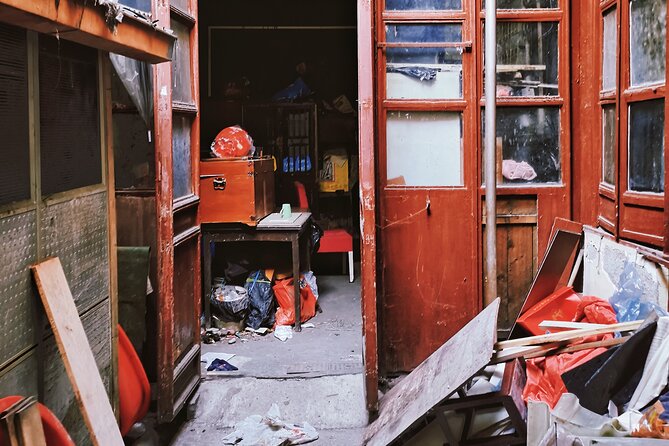
After Longmen Cun, the tour moves into Laoximen for a snack stop in a typical restaurant. It’s about 30 minutes. This is one of those parts that sounds simple until you realize why it works: you’re eating where the neighborhood life actually happens, not in a staged tourist setting.
The snack itself is the sort of Shanghainese bite that gives you a quick taste of local flavors and textures. The tour also tells you to let the operator know about special requirements regarding food. That’s practical, because it means the plan isn’t just guesswork.
I also like the pacing here. After a couple of stops focused on buildings and streets, you get a reset. You can ask questions too. If you’ve been trying to understand what you just saw, this is a good time to turn those impressions into clearer context.
One caution: this is a short stop. If you’re used to long sit-down meals, think snack break, not dinner.
Ending around Laoximen and the Confucius Temple area (without entering)
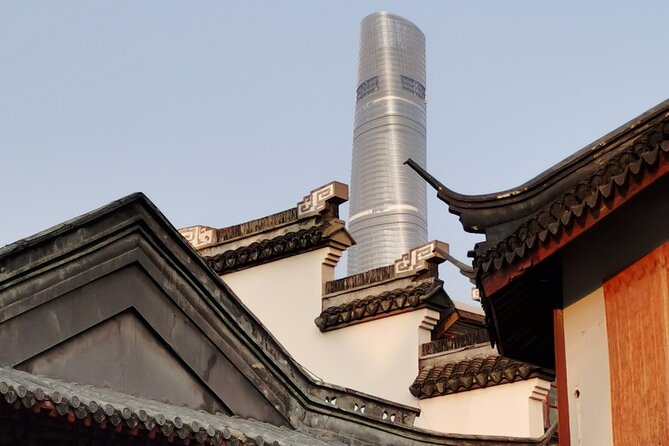
The last stretch is another about hour around the Confucius Temple area. Here’s the key detail: Confucius Temple is closed and under renovations, so you won’t go inside. Instead, the guide points out standout architecture and shows you the most beautiful house in the neighborhood, then explains what makes it special.
This ending still works because it puts the spotlight on everyday architecture rather than a landmark you may already see from the outside in other plans. You get the local reading of the space: what the house looks like, why it matters, and how it fits into the wider story of Laoximen and old-city life.
If you’re hoping for an interior temple visit, adjust your expectations. But if you enjoy street-level architecture and learning what to look at, you’ll likely leave with more than a handful of photos.
Walking with a small group (up to 10) and a guide with real Shanghai instincts
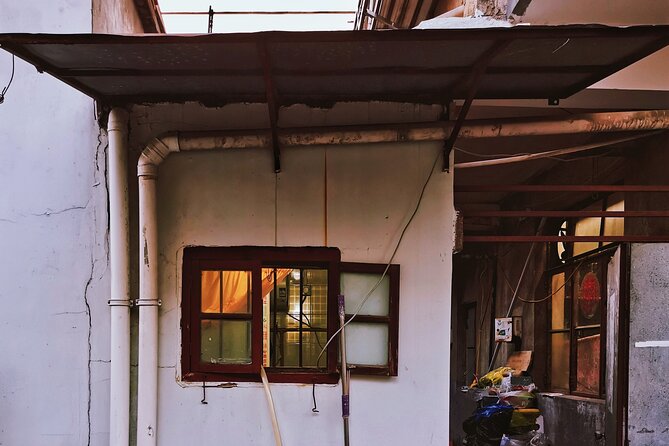
This tour caps at 10 travelers, which is a big deal for an old-city walking experience. You’re not stretched out into a long line where questions get lost. You can actually keep up, and the guide has a chance to respond to what people notice.
A lot of the praise in the tour’s feedback circles back to the guide experience. In particular, many people highlight a guide named Clarisse for her competence, preparation, humor, and love for Shanghai. Guides who live the story tend to make the facts stick, and these walks sound designed that way: ready answers, good pacing, and lots of small city details that connect to the bigger picture.
If you’re the type who enjoys asking why something looks the way it does—why a lane bends, why certain buildings survived longer than others—this format is ideal. The walk gives you the physical route, and the guide gives you the meaning.





Price and value: what $100 buys in time, snacks, and guidance
At about $100 for roughly 3 hours, this isn’t a cheap “wander and hope” outing. But you’re also not just buying a route.
Here’s what you’re getting that’s hard to replicate solo:
- A guided explanation of Nanshi redevelopment and the reasons certain areas are changing fast
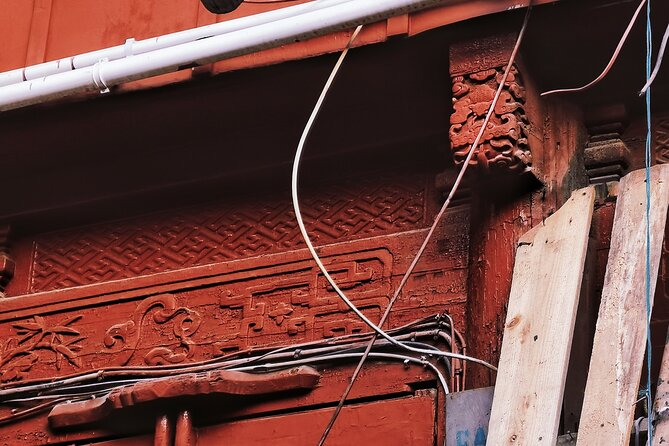
- Architecture focus, especially Shikumen houses in Longmen Cun
- A planned snack stop in Laoximen (with water and included snacks)
- Bottled water plus a gift bag, so you’re not juggling extra purchases mid-walk
- Small-group pacing that keeps questions possible
If you tried to do this on your own, you’d likely spend time figuring out where to stand, what to notice, and how to interpret what you see. The guide’s job is to compress that learning into a walk you can finish in one morning.
So think of the price as paying for context and access to the right streets at the right pace—not just for footsteps.
Practical logistics that actually affect your morning

This is a 9:00 am start, with confirmation at booking. You’ll meet at Small South Gate, Huangpu (200010) and end at Laoximen Metro Station, Exit 6 (200021). That end point is helpful because you can hop onto transit after the walk without needing extra backtracking.
You’ll also want to dress for walking. It’s outdoors, and the tour notes it requires good weather. If conditions are poor, the plan can be swapped to another date or you can get a full refund.
Other small but useful details: you get a mobile ticket, and the route is near public transportation. Service animals are allowed too.
My simple advice: wear comfy shoes with grip, and treat it like an exploration day, not a quick photo run.
Who should book this Old City walk—and who might not
You’ll probably love this if:
- You want a Shanghai plan that focuses on older neighborhoods, not only the skyline
- You care about the way cities change over time
- You like guided street-level learning (architecture, religion, beliefs, urbanization themes)
- You’d rather be in a max 10 group than a huge crowd
You might hesitate if:
- You’re hoping for a major inside-visit to Confucius Temple (you won’t enter it here)
- You strongly dislike walking or don’t enjoy outdoor tours in changeable weather
- You expect a hands-off tour where you just follow icons on a map
This is built for curious travelers who enjoy being guided through meaning, not just motion.
Should you book this tour?
If your goal is to understand Shanghai beyond famous districts, I’d book this. The standout reason is the focus on what’s disappearing in Nanshi and Laoximen, plus the Shikumen housing education. It’s one of those experiences where the value comes from the guide helping you see what you’d otherwise miss.
Book it especially if you like small groups and a guide who brings stories and practical context into the walk. Just go in knowing the Confucius Temple area is closed for interior visits, so your payoff is street-level architecture and neighborhood interpretation.
FAQ
How long is the Old City Walking Exploration?
The tour is about 3 hours long.
What time does the tour start?
The start time is 9:00 am.
How much does it cost?
The price is listed as $100.
Where do we meet and where do we end?
You start at Small South Gate, Huangpu, Shanghai (200010). You end at Laoximen Metro Station, Exit 6 (200021).
How big is the group?
The tour has a maximum of 10 travelers.
Is this tour ticket mobile?
Yes, it’s a mobile ticket.
Does the tour include food?
Yes. You’ll sample a Shanghainese snack in a typical restaurant, and snacks plus bottled water are included.
Can I request dietary accommodations?
You’re asked to let the team know if you have special requirements regarding food.
Will we visit Confucius Temple inside?
No. The Confucius Temple area is closed and under renovations, so there is no interior visit.
Is the tour affected by weather?
Yes. The tour requires good weather. If it’s canceled due to poor weather, you’ll be offered a different date or a full refund.