REVIEW · SUZHOU
Suzhou:Humble Administrator’s Garden Ticket for Adult
Book on GetYourGuide →Operated by Guangzhou Zhiwooyou Travel Agency Co., Ltd. · Bookable on GetYourGuide
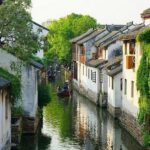
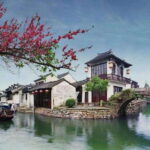
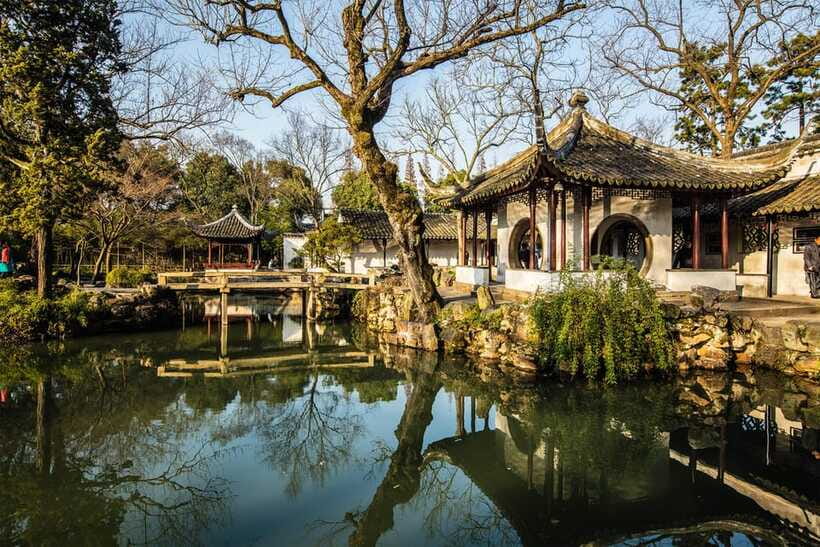
Lotus ponds. Quiet paths. One big garden. This ticket gets you into Humble Administrator’s Garden (Zhuozheng Garden), the UNESCO-listed classical garden that still looks like it was designed for slow thinking. I particularly like how the scenery shifts as you move—ponds, pavilions, and winding walkways feel planned, not crowded.
I also like the symbolism you can actually notice with your own eyes: rockeries that stand in for mountains, plus old trees that add age and mood to the whole place. One possible drawback: a few recent e-ticket QR codes have reportedly failed or been rejected at entry, so I’d treat your voucher as something to double-check before you line up.
In This Review
- Key things to know before you go
- Zhuozheng Garden basics: a Ming-era masterpiece in Gusu District
- The central section route: lotus ponds and winding views
- Eastern and western areas: three sections, three moods
- Rockeries and ancient trees: where the symbolism becomes visible
- Daytime vs night: Zhuozheng Wenya and planning your timing
- Price and value: what $22 gets you in the real world
- Ticket entry and QR reality: how to avoid a stressful start
- Who should book this garden ticket?
- Should you book Humble Administrator’s Garden?
- FAQ
- Where is Humble Administrator’s Garden located?
- How much does the adult ticket cost?
- How long is the experience valid?
- How do I enter—do I need a paper ticket?
- What do I need to bring?
- Do I need my passport ID to book?
- How big is the group?
- Is there a night experience at the garden?
Key things to know before you go
- UNESCO site and Suzhou classic: One of the most famous Ming-era classical gardens in town
- Over 52,000 square meters: Three major sections you can roam at your own pace
- Day and night options: Daytime gardens, plus an evening program called Zhuozheng Wenya (if offered on your dates)
- E-voucher verification: You’ll present an electronic voucher for direct entry checks
- Small group cap: Limited to 10 participants, which can mean less chaos than big-bus groups
- Passport required: Passport ID is needed to book, and you should bring your passport
Zhuozheng Garden basics: a Ming-era masterpiece in Gusu District
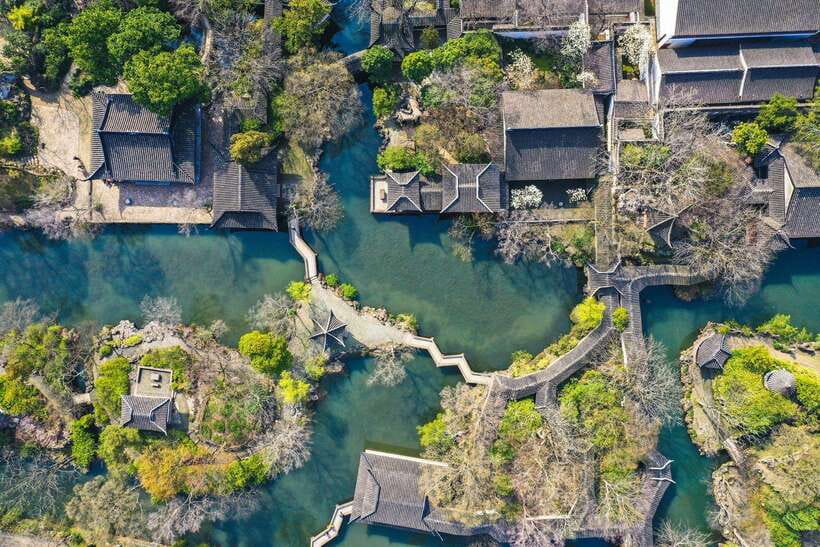
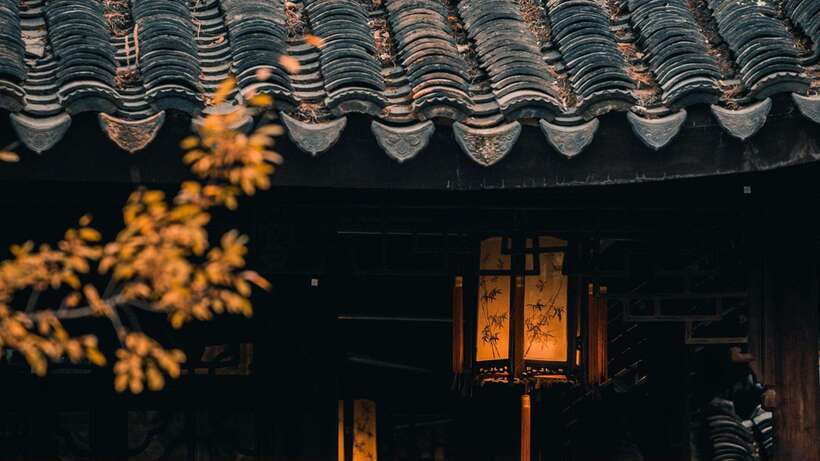
Humble Administrator’s Garden sits in Suzhou’s Gusu District at 178 Dongbei Street. It’s often listed as the largest of Suzhou’s nine classical gardens, and that size matters. Even if you only have part of a day, the garden’s scale makes it hard to feel rushed—there’s always another bend in the path, another view across water.
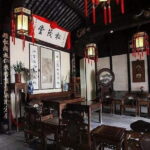
This is a Ming Dynasty build from the early 1500s era. The “Ming feel” is less about costumes and more about the balance of space: you see carefully shaped rock forms, layered planting, and architecture placed so the garden looks composed from many angles.
The ticket you’re buying is straight-up admission. You’re not paying for a lecture or a bus tour. What you are paying for is time in one of China’s better-known garden designs, where water, rocks, plants, and buildings work together like a visual poem.
You can also read our reviews of more tours and experiences in Suzhou.

The central section route: lotus ponds and winding views
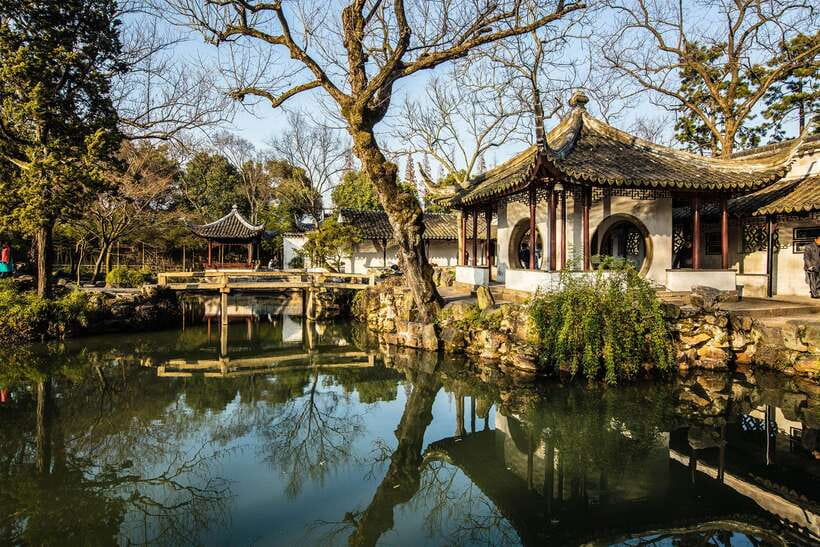
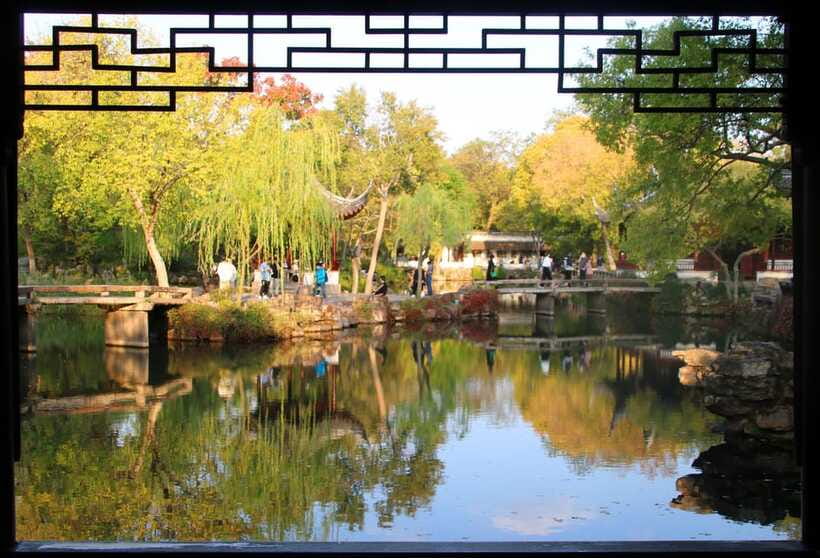
If you want the most famous part first, aim for the central section. It’s described as the best-known area of the garden, with winding pathways, lotus-filled ponds, and meticulously arranged pavilions. Translation for your feet: expect your best photos to come when you slow down at turns, not when you sprint between sights.
A standout is the Hall of Drifting Fragrance, which overlooks a serene pond lined with lotus flowers. Even when you’re not looking for lotus specifically, this is the kind of viewpoint that makes you understand why people call classical gardens “poetic.” The structure frames the water and plant life like a painting.
Another key spot is the Pavilion of Lotus. The idea here is simple: step into a vantage point and let the garden’s center water scene do the work. If you’re the type who likes views that feel “engineered but natural,” you’ll enjoy this.
For pacing, I’d suggest you don’t try to conquer every corridor of every building. Instead, pick two or three main viewpoints (like the hall and the pavilion), then walk the paths that connect them. The garden is designed so the route is part of the attraction.
Eastern and western areas: three sections, three moods
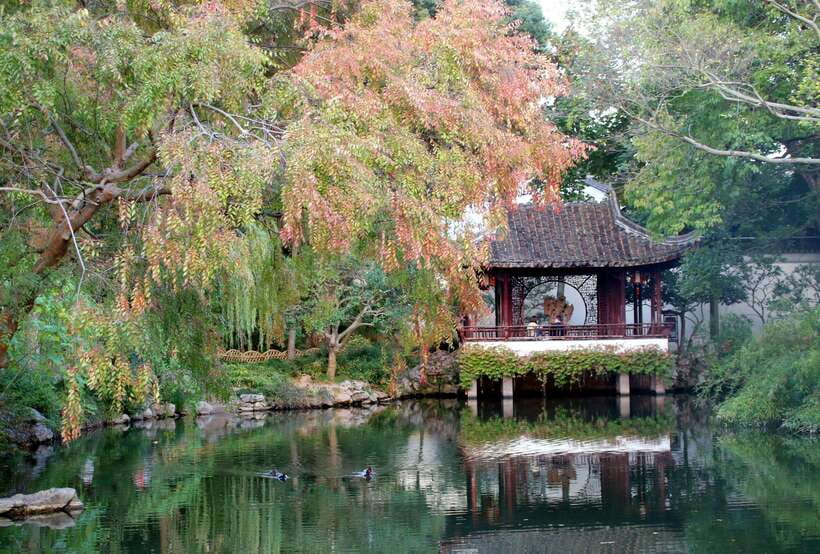
The garden covers more than 52,000 square meters and is divided into eastern, central, and western parts. Only the central section is singled out as the most famous, but that doesn’t mean the others are filler. It usually means you should plan your time like a buffet: start with what you most want, then use the rest to explore without pressure.
The practical move is to think in terms of mood changes. Different sections typically give you different angles on water, different densities of planting, and different arrangements of paths and structures. When you move across the whole site, you’re effectively seeing how Chinese garden designers used the same ingredients—rocks, plants, and architecture—to create different feelings.
If you arrive when the garden is busy, the eastern and western areas can be your “breather zones.” You’ll often find that while the central views attract more attention, the side routes let you reset your senses.
Rockeries and ancient trees: where the symbolism becomes visible
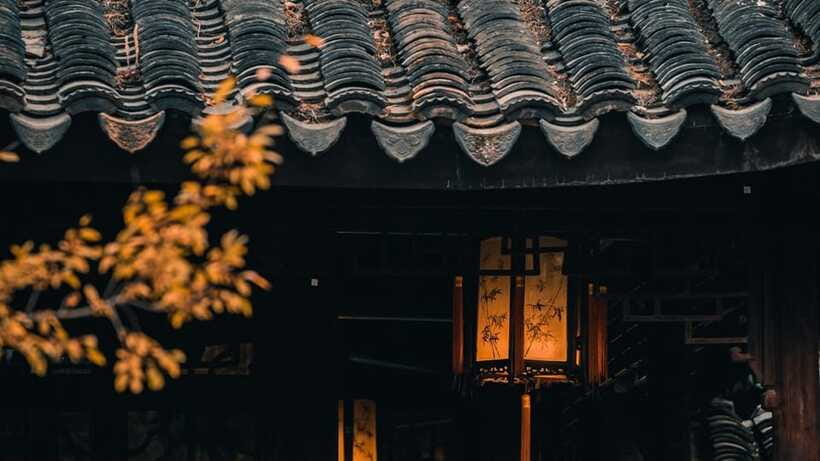
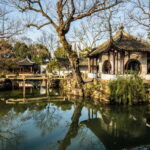
A lot of garden hype is hard to prove on site. Here, the symbolism is built right into the design. Look for the rockeries, which are described as symbolic of mountains. You’re not just looking at rocks—you’re looking at a miniature mountain world made to be seen from specific angles.
The garden also features ancient trees, and this matters more than you might think. Young trees look “pretty.” Old trees change the whole atmosphere. They add texture, shadow, and a sense that this place has been holding quiet for a long time.
What I like about these elements is that they give you something to notice even when you’re not chasing the big pond views. If you’re traveling with someone who doesn’t care about photography, rock forms and tree shapes can still keep attention on the garden.
Daytime vs night: Zhuozheng Wenya and planning your timing
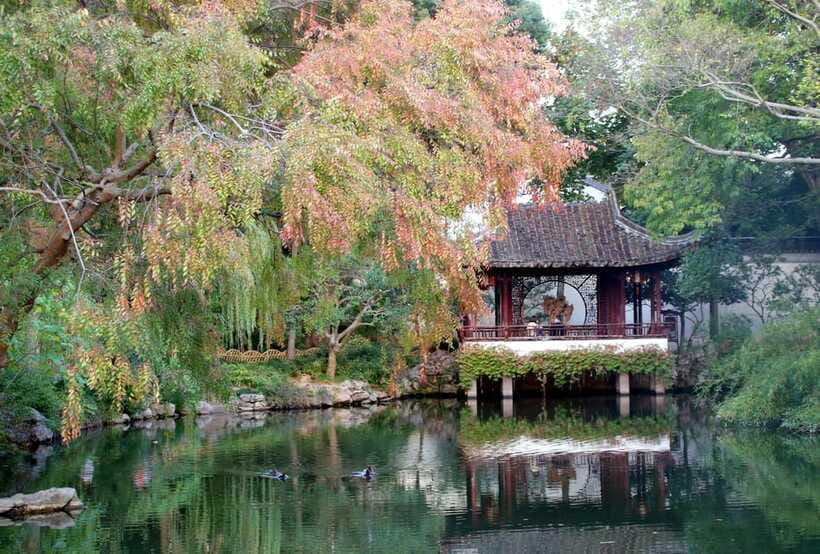
Suzhou’s classical gardens aren’t just daytime attractions. This one offers a different experience at night through something called Zhuozheng Wenya. The garden at night is described as using soft lighting and including cultural performances that bring the garden’s history to life.
Here’s how I’d plan it, without over-promising. If you’re buying standard admission for your day visit, you should treat night as a bonus option and check whether the night program is operating on your dates. The daytime experience is already strong: you get the interplay of light and shadow across pavilions, ponds, and pathways.
If you do go at night, expect the garden to feel slower and more atmospheric. Soft lighting can make details pop that daylight flattens, especially around water reflections and architectural edges.
The only caution is simple: if your schedule is tight, day alone is still completely worthwhile. Don’t force night if it risks turning into a rushed, late-day scramble.

Price and value: what $22 gets you in the real world
At about $22 per person, this is not a budget impulse buy if you’re thinking in terms of “how much entertainment per minute.” But if you think in terms of “how long can I stand and keep finding new views,” the value makes sense fast.
You’re paying for entry to a UNESCO World Heritage site that’s one of the best-known classical gardens in Suzhou, plus access to the whole garden layout across three main areas. That’s a long on-foot experience without needing extra add-ons.
Also, the booking is set up as a small group (limited to 10 participants). Even if your visit is self-guided, that usually means less mess at the start and a better chance of moving without constant shoulder-to-shoulder crowd pressure.
One more value note: this experience is built for people who enjoy calm observation. If you’re hoping for a high-energy, speaking-all-day guide with constant narration, admission to a garden will feel more quiet than exciting.
Ticket entry and QR reality: how to avoid a stressful start
The official way to use this ticket is straightforward: present your electronic voucher for direct verification at Zhuozheng Garden during opening hours. You also need your passport because passport ID is needed to book.
Now the part that can make or break your day: some recent bookings have reported QR issues—QR codes that were invalid or not working—resulting in people needing to purchase tickets on site. In those cases, the ticket was reported as cheaper when bought right there, and people mentioned AliPay and cash as payment options. They also mentioned no refund was handled in that situation.
So here’s your practical plan:
- Screenshot the voucher details so you’re not stuck with a loading screen.
- Make sure the QR is readable before you join any line.
- Bring your passport, not just a photo.
- If the QR fails, be ready for the possibility that you may need to buy entry again at the gate, rather than expecting a smooth correction.
It’s annoying, yes. But with a few minutes of preparation, you can prevent the day from starting with a headache.
Who should book this garden ticket?
Book this if you’re the kind of person who likes:
- Quiet walking with views that change every few minutes
- Garden design as an art form—water, rocks, plants, and pavilions working as one idea
- A mix of history and nature in a setting that doesn’t feel like a museum hallway
This also fits well if you’re visiting Suzhou and want a top “anchor” activity that doesn’t require complicated logistics. You can build the rest of your day around it.
Skip it if you need guided commentary for everything you see, or if your idea of a garden is more about rides and fast-paced attractions than slow, architectural scenes.
Should you book Humble Administrator’s Garden?
Yes, I think it’s worth booking if you want a real classical garden experience and you’re comfortable walking and looking. The core value is strong: Ming-era design, lotus ponds, symbolic rockeries, and iconic viewpoints like the Hall of Drifting Fragrance and the Pavilion of Lotus.
The only reason I’d hesitate is logistics risk around e-voucher QR entry, especially if you’re the type who hates last-minute problem solving. If you can double-check your QR and arrive with your passport, that risk drops a lot.
If you want one “main event” in Suzhou that’s genuinely about atmosphere and design, this is a solid choice.
FAQ
Where is Humble Administrator’s Garden located?
It’s at 178 Dongbei Street, Gusu District, Suzhou.
How much does the adult ticket cost?
The price listed is $22 per person.
How long is the experience valid?
The ticket is valid for 1 day, during the garden’s operating hours.
How do I enter—do I need a paper ticket?
You can use an electronic voucher. Present it for direct verification at the garden.
What do I need to bring?
Bring your passport.
Do I need my passport ID to book?
Yes. Passport ID is needed to book.
How big is the group?
It’s listed as a small group, limited to 10 participants.
Is there a night experience at the garden?
The garden offers a night option called Zhuozheng Wenya, with soft lighting and cultural performances.
If you want, tell me your travel dates and whether you’re aiming for daytime only or also considering the night program, and I’ll help you set a smart order for your visit.