REVIEW · BEIJING
16-Day Private China Essence Tour with Yangtze River Cruise
Book on Viator →Operated by Travel China Guide · Bookable on Viator
That first Great Wall view hits fast. This 16-day private China trip stitches together Beijing, Xi’an, Guilin/Yangshuo, Chengdu, and Shanghai, with a 5-star Yangtze River cruise in the middle so the pace has a built-in breather. I love how much is actually included—English-speaking guides, most major entrance tickets, and nonstop logistics handled by driver and guide. You’ll also get a very “real China” mix, from imperial sites to local alleys and markets. One thing to consider: you’ll spend real time in transit between cities (high-speed trains, domestic flights, and cruise days), so this works best if you like movement as part of the adventure.
I’ve seen this company’s guides praised for being prepared and personable—names like Candy (Beijing) and Jeffrey (Shanghai) come up with details like extra care for the group and small thoughtful touches. With pickup offered and a mobile ticket, you’re not stuck figuring out the basics on your own. If you want a trip that feels organized but not robotic, this is a strong fit.
In This Review
- Key highlights you’ll feel on the ground
- Beijing start: Tiananmen, the Forbidden City, and three holy stops
- Mutianyu Great Wall and Hutong rickshaw time
- High-speed to Xi’an: Terracotta Warriors and the Qin discovery story
- Xi’an beyond the Army: City Wall rides, Mosque views, and Han tomb secrets
- Guilin and Yangshuo: Li River calm, elephant-shaped views, and hill panoramas
- Chengdu: pandas first, then alley life and archaeological finds
- Chongqing and the Yangtze: boarding the ship and easing into the river pace
- Wu Gorge and Shennong Stream: sampan side trip and gorge views
- Yichang and the Three Gorges Dam, then straight into Shanghai
- Shanghai essentials: planning hall, Yu Garden lunch, Huangpu cruise, the Bund, and Tianzifang
- Price and value: what $4,269 buys you (and what to watch)
- Should you book this 16-day China Essence tour?
- FAQ
- Is this tour private or shared?
- Does the tour include hotel and cruise accommodations?
- What transportation is included between cities?
- Are pickup and transfers included?
- Are major entrance tickets included?
- What meals are included during the tour?
- Where does the tour start and when?
- What if I’m traveling solo?
Key highlights you’ll feel on the ground
- Mutianyu Great Wall with round-trip cable car—less slog, bigger views
- Forbidden City + Temple of Heaven + Lama Temple in a smooth, guided day order
- Terracotta Warriors plus a hands-on mini clay warrior making session
- Li River to Yangshuo with a cruise day that actually slows you down
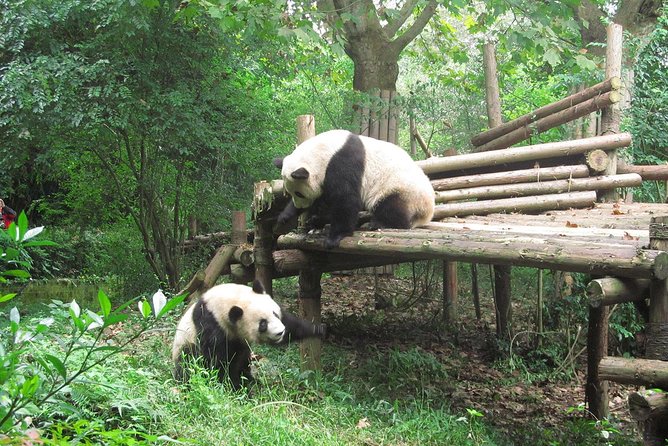
- Giant pandas at the breeding base early in the morning for better activity
- Yangtze cruise with optional side trips like Shennong Stream by sampan
Beijing start: Tiananmen, the Forbidden City, and three holy stops
Your tour kicks off with a guide meeting you at Beijing Capital Airport (Shunyi) after luggage claim and customs, then a comfortable ride to the hotel with help checking in. That first day is intentionally light. It’s a smart move because jet lag is real, and Beijing is big.
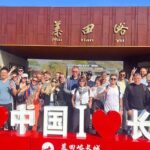
The next morning begins at Tiananmen Square. You’ll get time for photos of Tiananmen Tower plus landmarks like the Monument to People’s Heroes and the Memorial Hall of Chairman Mao. It’s one of those places that feels political and historical at the same time. Even if you only half-understand the context, the scale does the teaching for you.
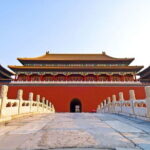
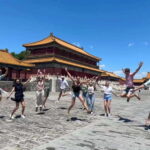
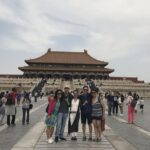
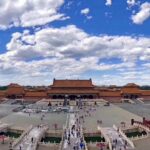
From there, you step into the Forbidden City (Palace Museum). This isn’t just walking halls for the sake of photos. Your guide helps connect what you see to how emperors ran administration and lived day to day. You’ll also have an a la carte lunch included (valued at CNY150 per person), which matters because Beijing walking can drain you fast.
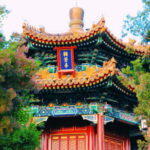
Then comes a trio that balances imperial power with spiritual life. You’ll visit Lama Temple (Yonghegong)—an imperial-era lamasery with Han, Mongolian, and Tibetan architectural influences—followed by Temple of Heaven, where emperors worshipped the heavens for good harvests. Together, these stops give you a fuller picture of how rulers justified authority: politics on one side, ceremony and cosmology on the other.
My practical tip: wear shoes you can walk in for 60–90 minutes without thinking. Beijing days can stack up, and you’ll want the energy for the Forbidden City courtyards and the temple grounds.
You can also read our reviews of more tours and experiences in Beijing.
Mutianyu Great Wall and Hutong rickshaw time
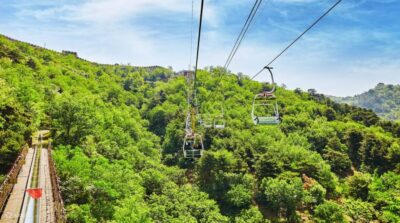
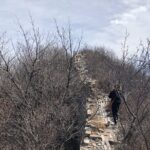
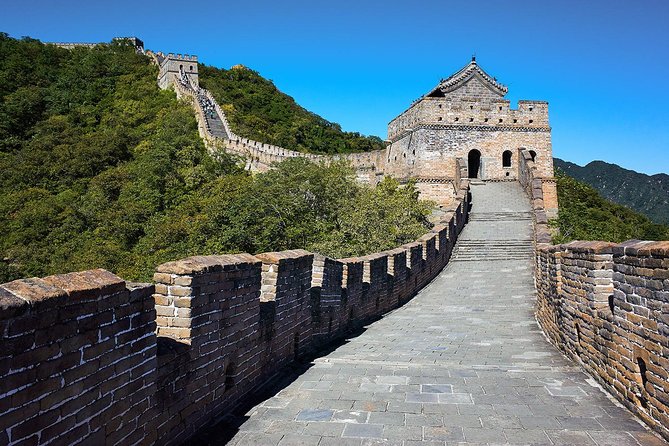
The Mutianyu Great Wall segment is where many first-timers realize the Great Wall isn’t one single wall—it’s a system of sections, viewpoints, and moods. You’ll go by cable car both ways, which makes a big difference. Less time hauling yourself up, more time enjoying the stretch of wall disappearing into the hills.
From the wall, you’ll get a short photo stop at the Bird’s Nest (National Stadium) on the way back. It’s brief, and that’s okay. It keeps the day moving toward what’s more “Beijing on the street.”
Next you’ll ride through hutongs on a rickshaw. This is one of those experiences that feels simple, but it’s also where you learn the layout of a historic neighborhood: narrow lanes, courtyard living, and the way people have adapted old space for daily life. Your guide may even arrange a chance to visit a local family, which can be the difference between scenery and connection.
Possible drawback: days like this can feel busy. You’ll be outside, then inside, then outside again. If you get motion sick, plan a slower pace and keep water handy—two bottled waters per person per day are included, which helps.
High-speed to Xi’an: Terracotta Warriors and the Qin discovery story
After Beijing, you’ll head to Xi’an by high-speed train. That part is comfortable and fast, and you’ll get a real “landmark-to-landmark” rhythm instead of spending the day stuck at airports.
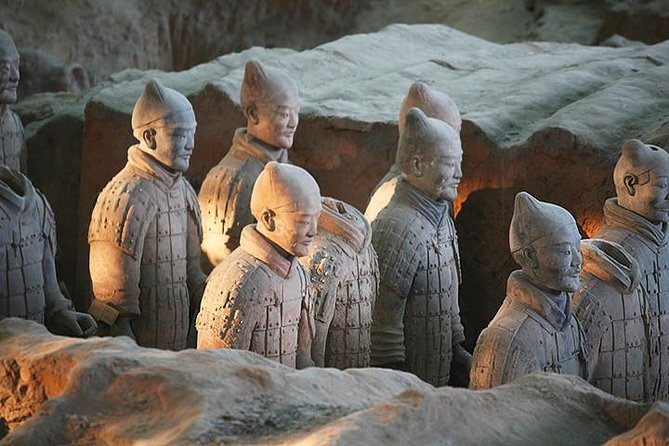
In Xi’an, the star is the Museum of Qin Terra-cotta Warriors and Horses. You’ll see the excavated pits with warrior figures and ancient weapons, plus a look at the home of the first discoverer. One of my favorite details here is the hands-on activity: you’ll make a mini clay warrior with help from a local artisan. It turns the experience from purely visual into something you can take home.
You’ll also visit the Shaanxi History Museum, a building designed to echo Tang-era architecture. Inside, you’ll see relics and artifacts that trace development across different eras. It’s not a “repeat” of the Terracotta Army. It gives the surrounding context so the figures don’t feel isolated.
Value note: Terracotta Army tickets and major museum entries are included in this plan, and that matters because independent scheduling can become a ticket-and-line puzzle. Here, your guide keeps the flow.
Xi’an beyond the Army: City Wall rides, Mosque views, and Han tomb secrets
Xi’an’s next day leans into different cultures. You start with the Xi’an City Wall area, then move to the wall itself. It’s one of the most intact urban fortification systems in China. The plan includes time to enjoy the wall and even cycle if you choose—bike rental isn’t included, but it’s a nice option if you want a different angle on the old city.
Then you shift to the Xi’an Mosque, one of the largest and best-preserved Islam mosques in China. You’ll appreciate how Chinese classical architectural style blends with religious design elements. After that you’ll have time in the Muslim Quarter—perfect for halal snacks and souvenirs if that’s your style.
In the afternoon, you’ll drive to the Han Yang Ling Museum (Yangling Mausoleum of the Han Dynasty). You can even go underground and look at unearthed mausoleum areas through a glass floor. It feels scientific and eerie in the best way—like you’re seeing history through protective framing.
Tip if you’re picky about food: the Muslim Quarter is your chance to self-guide. The tour offers time and freedom, but that also means you’ll want to choose carefully based on what looks clean and busy.
Guilin and Yangshuo: Li River calm, elephant-shaped views, and hill panoramas
Then you fly to Guilin (one-way economy airfare is included), and the mood changes. After a city-heavy start, you get a day that’s mostly scenery and slow movement.
The highlight is cruising the Li River down toward Yangshuo. You’ll have onboard lunch, but you’ll be happier if you pack a few snacks in case the box meal doesn’t hit your taste. That’s not a complaint—just practical. River days can make hunger timing tricky.
In Yangshuo, you’ll get a short countryside ride by bicycle or car (your day includes time to explore the surrounding area). This is the “postcard China” part, but with enough structure that you’re not wandering aimlessly.
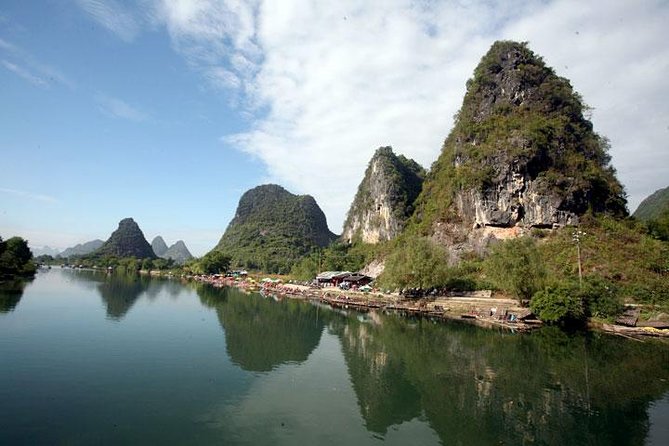
Later, you’ll head back toward Guilin and visit Xianggong Mountain for a high-view perspective of the Li River. After that, you’ll stop at Elephant Trunk Hill, named for its resemblance to an elephant drinking from the river. Both are quick photo-and-view stops, but they help you connect the river’s shapes to the land around it.
Best way to enjoy this section: bring a light layer. River cruising can feel cool at times, and if you’re sensitive to temperature changes, it helps.
Chengdu: pandas first, then alley life and archaeological finds
Next stop is Chengdu, reached by morning flight. You’ll be met at arrivals and transferred to the hotel so you can keep the day from turning into transportation admin.
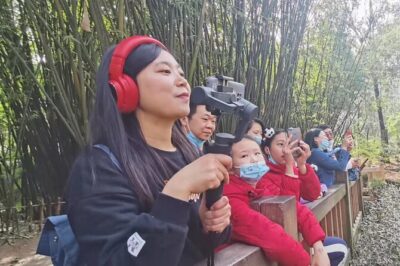
The panda day is scheduled early at the Giant Panda Breeding Research Base. You’ll go with the knowledge that pandas are more active in the morning around feeding time. It’s a smart scheduling choice because it increases the odds of seeing natural panda behavior instead of mostly sleepy statues.
After the pandas, you’ll spend time in Kuanzhai Alley. This is a calmer, local-food-and-strolling area, and it gives you a feel for architectural style and that slower everyday rhythm.
You’ll also visit the Jinsha Site Museum, which protects and displays finds from about 3,000 years ago. It’s another reminder that Chengdu wasn’t always just a modern city. Then you’ll get a community experience at Xiaojiahe Community Residents’ Committee and visit a local vegetable market. That part is less about “see a landmark” and more about watching how life runs.
One consideration: the market/community time is meant to be leisurely, but it may not match your comfort level if you dislike crowded, informal spaces. You can follow your guide’s recommendations on what to eat and where to stand.
Chongqing and the Yangtze: boarding the ship and easing into the river pace
The tour shifts into long-distance mode with a bullet train from Chengdu to Chongqing. On arrival, you’ll visit Ci Qi Kou Village and try local food on your own at lunch time (your own expense for lunch). Then you’ll board the Yangtze River cruise ship.
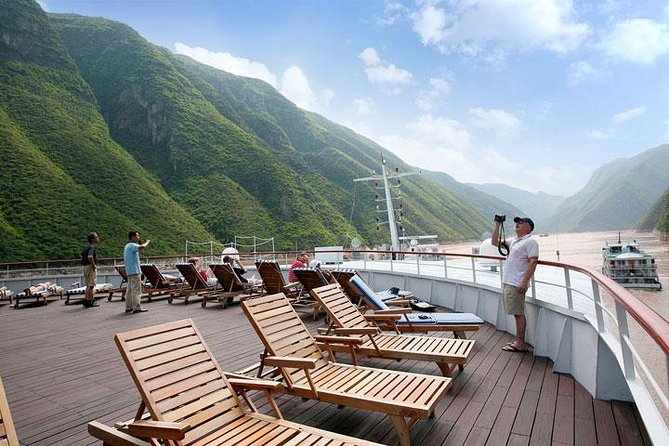
This is where the trip becomes more restful. You’re not just visiting—you’re living on the river. When the ship departs Chongqing, you can relax, use the sundeck, and join onboard cultural programs. There’s also a Captain’s Welcome Party, which adds a social energy on a day that could otherwise feel like “sit and watch water.”
Then you’ll stop at Fengdu County and visit the Shuangguishan National Forest Park for a leisurely walk. The schedule also leaves you free time on the ship, which is important. After a week of heavy sightseeing, you’ll want an afternoon where nothing is urgently planned.
Cruise reality check: even when excursions are scheduled, river travel has its own pace. If you’re the type who loves tight schedules, you might feel like there’s downtime. For most people, though, that downtime is the point.
Wu Gorge and Shennong Stream: sampan side trip and gorge views
As the ship sails through Wu Gorge, you’ll transfer to a sampan for a side trip along Shennong Stream. This is where the cruise becomes more than a moving hotel. The side excursion lasts about 3 to 4 hours, and it’s focused on natural beauty plus the Tujia flavor and boat-related culture, along with historical relics.
This segment is one of the best uses of cruise time because it doesn’t feel like a random add-on. It gives you a different boat experience than the main ship—smaller, closer, and more intimate with the waterway.
My advice: if you get motion sensitive, plan for it. River days can be smooth, but the smaller boats can feel more like rocking than gliding.
Yichang and the Three Gorges Dam, then straight into Shanghai
You disembark in Yichang, pack up, and handle checkout. Before heading to Shanghai, you’ll do an excursion to the Three Gorges Dam. This is the kind of engineering site where scale hits you fast. It’s not just a photo stop; it’s a chance to understand how modern China reshaped the river system.
After the dam visit, you’ll be transferred to the Three Gorges Tourist Center and then taken to Yichang East Railway Station for a high-speed train to Shanghai. Your Shanghai guide meets you at the station and transfers you to the hotel.
This is a long travel day, but it keeps you from losing hours to hotel check-ins and complicated commuting.
Shanghai essentials: planning hall, Yu Garden lunch, Huangpu cruise, the Bund, and Tianzifang
Shanghai days have a different energy than Beijing or Xi’an. It’s faster, taller, and more international in vibe, but you still get classic landmarks.
You start at the Shanghai Urban Planning Exhibition Hall. It’s a model-and-history setup that helps you understand how the city looked in the past and how it’s expected to change. Even if you don’t memorize facts, it helps you read the skyline later.
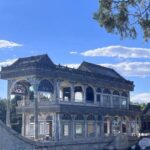
Then you visit Yu Garden (Yuyuan), including the Nine Zigzag Bridge and the mid-lake pavilion. A lunch is included here at a local famous restaurant (valued at CNY150 per person). That lunch is part of the value, because it saves time choosing while you’re in a busy area.
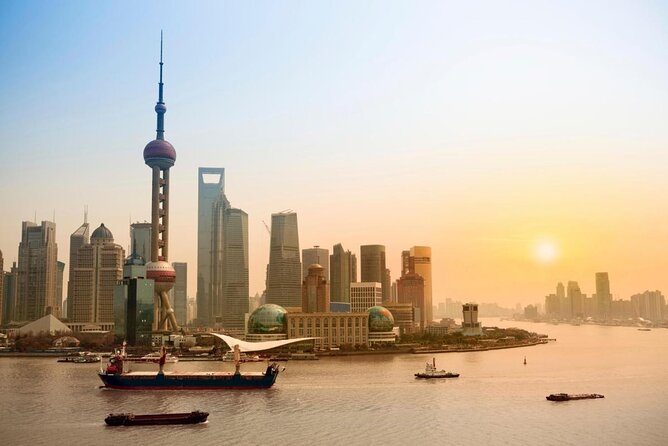
Next comes a one-hour cruise on the Huangpu River—often called the mother river of Shanghai. It gives you a clean overview of how the city presents itself: old, new, and everything in between.
You’ll also spend free time along the Bund. This is where you’ll see the classic riverfront views everyone talks about. Finally, you’ll head to Tianzifang for relaxed walking before returning to the hotel.
Small practical tip: bring a phone charger or portable battery. You’ll take photos. Shanghai’s lighting and skyline views are hard to ignore.
Price and value: what $4,269 buys you (and what to watch)
At $4,269 per person for a 16-day private tour, you’re paying for two things: multi-city transportation and guided pacing. The plan includes twin-sharing hotel and cruise accommodation, plus one-way internal flights (Xi’an to Guilin, Guilin to Chengdu) and high-speed trains (Beijing to Xi’an, Chengdu to Chongqing, Yichang to Shanghai). That alone usually costs a chunk even before you consider guides, drivers, and entrance fees.
It also includes most major activities through the included admission tickets marked on the schedule, plus selected meals: 15 breakfasts, 6 lunches, and 3 dinners. You’ll also get two bottled waters per person per day and an air-conditioned vehicle throughout.
Here’s what to watch so you’re not surprised:
- This is a structured private tour, not a “sit by the hotel” vacation. Expect frequent movement and early starts.
- Some stops are marked free time or photo stops, and at least one photo stop (Bird’s Nest) is not included for admission.
- A solo traveler should know there’s a compulsory single room supplement available on request, because the accommodation is based on twin-sharing.
Who should book this? If you want a big first-time China sweep but hate planning details, this is a strong match. It also works well for couples and small groups who want private guide attention without sacrificing the big-ticket sights.
Should you book this 16-day China Essence tour?
Yes, if you want a trip that’s big but still organized. You’ll see a lot of top sites—Great Wall at Mutianyu, Forbidden City, Terracotta Army, Li River and Yangshuo, pandas, and Shanghai’s signature neighborhoods—while the Yangtze cruise adds downtime so the itinerary doesn’t feel like a nonstop museum crawl.
If you dislike travel days, this might feel like too much. But if you like moving through regions and you’re okay with early starts and train/flight transfers, the balance here is decent: sightseeing-heavy cities up front, then a mid-trip river reset.
One last smart question to ask yourself: do you like guided structure? If the answer is yes, this tour can feel like a smooth, high-efficiency route through China’s best-known highlights—without losing room for you to breathe.
FAQ
Is this tour private or shared?
This is a private tour. Only your group participates.
Does the tour include hotel and cruise accommodations?
Yes. It includes hotel/cruise ship accommodation based on twin-sharing rooms.
What transportation is included between cities?
It includes one-way high-speed train fares for Beijing to Xi’an, Chengdu to Chongqing, and Yichang to Shanghai, plus one-way economy airfare from Xi’an to Guilin and Guilin to Chengdu.
Are pickup and transfers included?
Pickup is offered, and guides and drivers handle transfers between the major parts of the journey.
Are major entrance tickets included?
Many admissions are included on the schedule (for example, Forbidden City and specific temples and museums). A few items are marked free or not included, so it’s best to confirm any specific sites you care about.
What meals are included during the tour?
The package includes 15 breakfasts, 6 lunches, and 3 dinners, plus two bottled waters per person per day.
Where does the tour start and when?
It starts at Capital Airport Shunyi, Beijing 101300 China, with a start time of 9:00 am.
What if I’m traveling solo?
Single room accommodation is not part of the default twin-sharing setup. A single room supplement is compulsory and available on request.