REVIEW · BEIJING
China Golden Triangle Cities & Yangtze River Cruise
Book on Viator →Operated by Travel China Guide · Bookable on Viator
One river cruise ties it all together. This tour links Beijing’s top sights, Xi’an’s must-see ancient world, a 3-night Yangtze River cruise with gorge scenery and a Three Gorges Dam stop, then finishes with classic Shanghai. It’s built for travelers who want big-name landmarks handled for them, with guides along the way.
I love the pairing of major sites with real context. In Beijing, you cover Forbidden City scale and palace culture, then move on to Mutianyu on the Great Wall for that long, dramatic wall view. I also love that the cruise includes on-ship programming like the safety/rhythm briefing and a Captain’s Welcome Party, so the days don’t feel like nonstop sightseeing.
The main drawback to consider is the handoff points. If your arrival timing or communication is slightly off, you can end up waiting; one Beijing handover issue was linked to a guide not meeting on arrival, even though the company was responsive afterward. Also, you’re traveling by train and flight between regions, so expect long travel days.
In This Review
- Key Things to Know Before You Go
- Beijing Handoff to Tiananmen and the Forbidden City
- What to watch for
- Mutianyu Great Wall, Bird’s Nest Photos, and Hutongs on Foot
- A good rhythm for Beijing
- Summer Palace, Then High-Speed Train to Xi’an
- Terracotta Warriors Plus a Clay-Making Break
- Practical note
- Xi’an City Wall, Great Mosque, and the Muslim Quarter at Snack Speed
- Chongqing Fly-In, Panda Stop, and Boarding the Yangtze Cruise
- Why this matters
- Shuanggui Mountain Excursion and Captain’s Welcome on the River
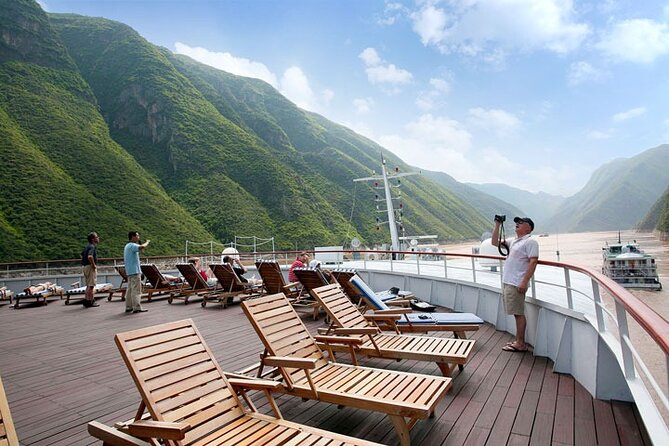
- Qutang, Wu, and Xiling Gorge Days With Real Boat Time
- What you should pack for gorge days
- Three Gorges Dam Excursion, Then Train to Shanghai
- Shanghai Museum, Yu Garden, Huangpu River, The Bund, and Tianzifang
- Best way to do the Bund time
- Final Day in Shanghai: Airport Send-Off
- Price and Value: What $3,139 Really Buys You
- Food, Comfort, and How to Make the Day Less Exhausting
- The Lhasa Question: Confirm What You’re Actually Getting
- Who This Tour Fits Best
- Should You Book This China Golden Triangle Plus Yangtze Cruise?
- FAQ
- What cities does this itinerary include?
- Are airport pickups included?
- How do you travel between Beijing, Xi’an, and Shanghai?
- What is included with the Yangtze River cruise?
- Are meals included during the tour?
- Does the Great Wall visit include transportation?
- How are rooms handled?
- Is the tour refundable if I cancel?
Key Things to Know Before You Go
- Mutianyu Great Wall is the ticket here, with cable car round-trip arranged and optional extra thrills if you want them
- Yangtze cruise includes full board, plus excursions like Shuanggui Mountain and gorge boat time
- Three Gorges Dam excursion is a standout, with a logistics moment to pack and check out before leaving the ship
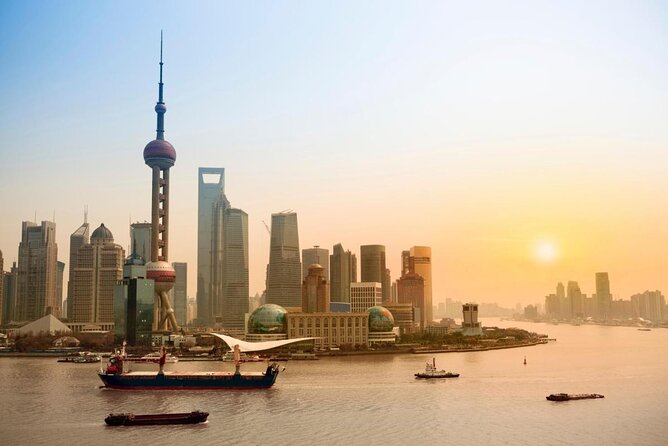
- Shanghai hits the icons: Shanghai Museum, Yu Garden, the Bund, Huangpu River cruise, and Tianzifang
- You get city-to-city transport support via high-speed trains plus a flight to Chongqing
- Twin-share rooms mean this is best if you’re comfortable sharing space to keep costs down
Beijing Handoff to Tiananmen and the Forbidden City
Day 1 is mostly about getting set up. You arrive at Beijing Airport, and you’re met by a guide holding a sign with your name. The driver helps with hotel check-in, then you’re free to rest or manage your own evening plans.
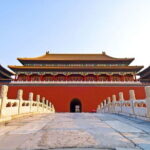
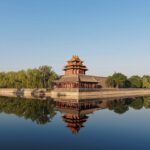
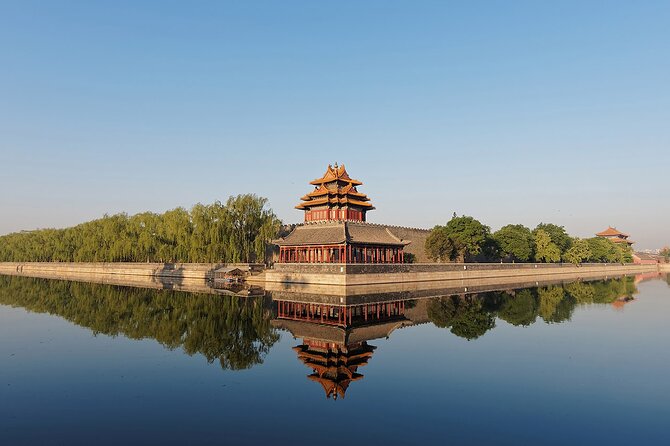
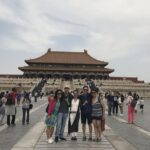
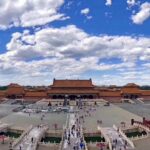
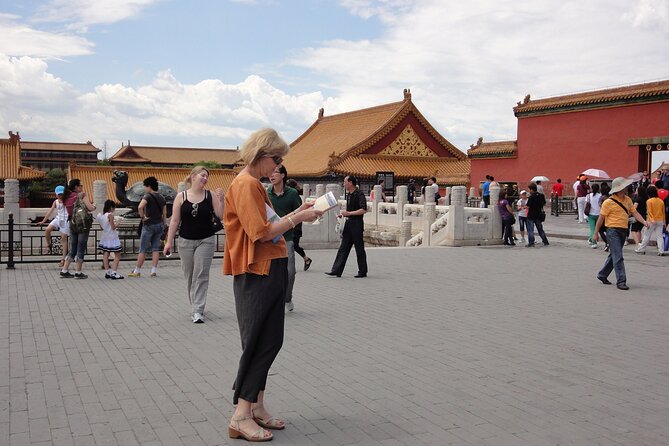
Day 2 is where Beijing starts stacking up fast, and that’s good—because the tour covers the high-impact crowd magnets early. You start at Tiananmen Square (a 30-minute stop), then go into the Forbidden City (at least 2 hours are needed here, and the tour gives you about the right amount of time to take it in). The Palace Museum is huge, and the real value of a guided visit is knowing what’s worth slowing down for and what you can skim without missing the point.
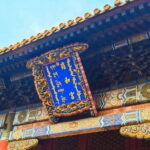
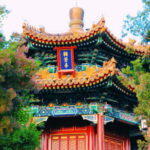
You also get a very practical lunch arrangement. It’s an a la carte lunch at a well-known local restaurant (valued at CNY150 and included). After that, the tour spreads you across Beijing’s spiritual and architectural mix: Lama Temple (Yonghegong) in the afternoon and then Temple of Heaven. Lama Temple is a blend of Han, Mongolian, and Tibetan influences, and Temple of Heaven connects you to imperial worship traditions, not just scenic architecture.
You can also read our reviews of more tours and experiences in Beijing.
What to watch for
Forbidden City days can feel like a stamina test because there’s a lot of walking and lots of gates/paths. Wear shoes you can move in for hours. If you’re the type who needs quiet breaks, plan to take short pauses on shaded stretches rather than trying to power through every courtyard.
Mutianyu Great Wall, Bird’s Nest Photos, and Hutongs on Foot
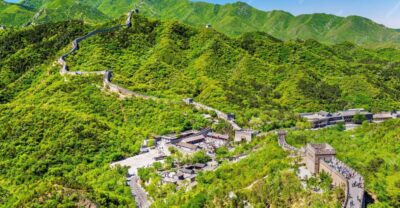
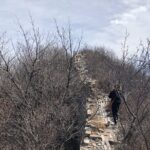
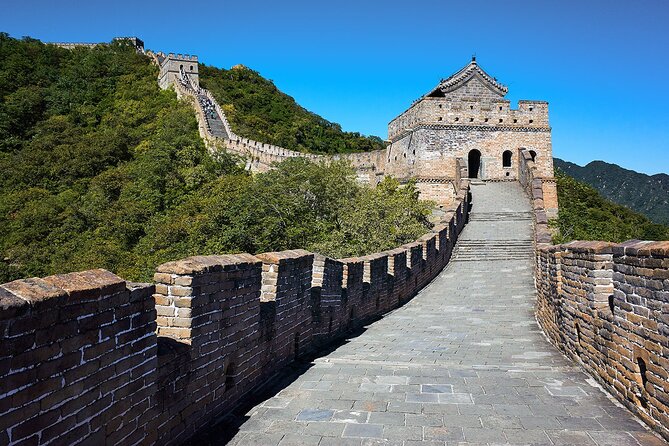
Day 3 is a classic Great Wall day, but with a specific twist: the stop is Mutianyu, not the most overcrowded sections. The round-trip cable car is arranged, which matters because it reduces the “logistics tax” so you can spend your energy on the views.
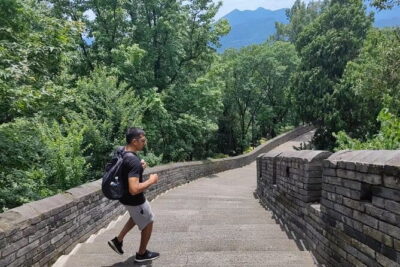
Standing on the wall here gives you that memorable sense of scale—wall stretching and climbing away in both directions. The tour also notes optional extra choices like a chairlift up and a toboggan down. If you want that, make the call based on your comfort level; it’s the kind of add-on that can feel fun and a bit demanding in the same hour.
After the wall, you stop briefly for photos at the Niaochao National Stadium (Bird’s Nest). It’s short—think quick snapshots rather than a full visit—then you head into Beijing’s older lanes for a hutong rickshaw tour. The rickshaw piece is a nice way to slow down. You’ll also have a chance to visit a local family, which helps turn the area from generic “old streets” into actual lived neighborhood texture.
A good rhythm for Beijing
This day is paced so you’re not stuck doing one massive site after another back-to-back. Great Wall first (when your legs are freshest), then neighborhood walking, then you’re ready to recover. It’s a smart order.
Summer Palace, Then High-Speed Train to Xi’an
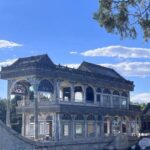
Day 4 starts with the Summer Palace, a royal summer retreat. It’s a big complex with enough to feel like a whole day if you let it. You get about two hours, which is just enough for the main highlights and a sense of why emperors came here for leisure and cooling-off.
Then it’s off to Xi’an. You drive to the railway station and take a high-speed train. Arrival is followed by a hotel transfer with a local guide for Xi’an. This is one of those moments where “tour logistics” becomes “real value”: you’re not left to figure out stations, luggage handling, or timing across cities.
Terracotta Warriors Plus a Clay-Making Break
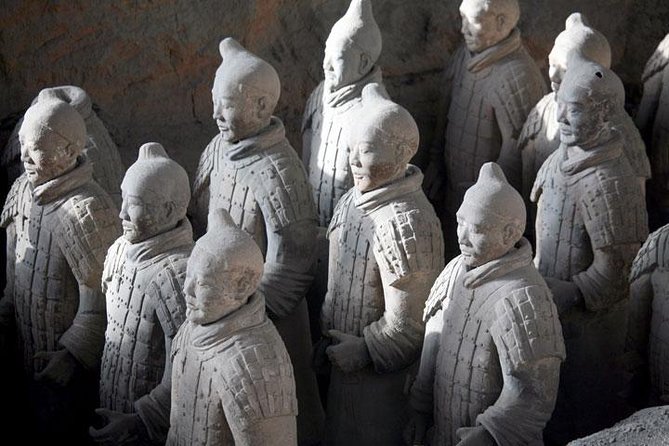
Day 5 is pure Xi’an energy. The Museum of Qin Terracotta Warriors and Horses is the first big stop, and the tour keeps it thoughtful by going beyond just looking. You see the pottery generals, soldiers with saddled horses, and kneeling archers. Then there’s a family visit tied to the story of the first discoverer, and you even make a mini clay warrior with a local artisan.
That hands-on bit is small, but it’s genuinely useful. It turns a static museum visit into something you remember with your hands, not just your camera roll. After that, you move to Big Wild Goose Pagoda, a Tang Dynasty monument connected to Buddhist scripture storage. You wrap the day with free time at Grand Tang Dynasty Ever Bright City, a pedestrian area where you can encounter traditional-dressed performances and street energy without being locked into a scripted show.
Practical note
If you want photos in the best light, plan your pace around crowd flow at the Warriors museum. It can get busy, and you’ll be happier if you accept that not every angle will be empty.
Xi’an City Wall, Great Mosque, and the Muslim Quarter at Snack Speed
Day 6 starts with the Xi’an City Wall. The tour takes you to the park area and then up to the wall for walking time. There’s also a bicycle option, but bike rental is at your expense, so keep that in mind if you want the faster loop.
After that, you visit the Great Mosque of Xi’an, known for blending Chinese and Islamic styles. It’s one of those places where architecture does the explaining. Then you go to the Muslim Quarter for an hour of strolling and snacks. This is one of the best parts of the itinerary if you like to nibble your way through cities. It’s also a good place to slow down after big-ticket landmarks and just watch daily life.
Finally, you end at the Shaanxi History Museum, covering thousands of years of Chinese history and ancient cultures. This museum stop helps make the earlier “big artifacts” feel connected, not random.
Chongqing Fly-In, Panda Stop, and Boarding the Yangtze Cruise
Day 7 is your transition day from western China to the river. You head to the airport, fly to Chongqing, and meet a local guide for a short orientation. The tour includes a brief stop to see pandas and then Ciqikou Village, an ancient village with Ming and Qing-era folk houses and local snacks.
Then comes the moment you’ve booked the tour for: you transfer to the cruise ship. When the ship departs, your Yangtze River cruise begins in earnest.
Why this matters
A cruise day can either feel like you’re “stuck on a boat” or like you’re getting something you can’t recreate on land. Here you get both: enough onboard structure to keep your time organized, plus excursions timed to scenery moments. You’re not just floating; you’re building a story around the river.
Shuanggui Mountain Excursion and Captain’s Welcome on the River
Day 8 starts with a Safety, Orientation & River Briefing, which is more important than it sounds. You learn the geography and river lore, so when you’re later seeing gorges, it clicks into place rather than being random dramatic scenery.
After lunch, you disembark for an excursion to the Chongqing Shuanggui Mountain National Forest Park. Around 18:00, you get a Captain’s Welcome Party with Chinese folk dancing and music. Even if you’re not trying to perform, it’s fun to join in for a few minutes and watch how tourists and locals mix on these river boats.
Qutang, Wu, and Xiling Gorge Days With Real Boat Time
Day 9 is gorge day, and it’s scheduled in a way that gives you both viewpoints and water-level perspective. You begin the passage with Qutang Gorge, described as the shortest and grandest. Then you pass Wu Gorge, with its lofty and misty peaks. You continue through the western sections of Xiling Gorge.
At some point you disembark for the Shennv Stream excursion. This includes natural scenery and an exciting boat ride along the crystal stream. The tour specifies a small motor boat, plus close-up moments with mossy rocks, plants, and precious animals (as you’re close to the water and edges). It’s not a museum-style experience. You’re there for movement.
What you should pack for gorge days
Even if the weather is warm, river excursions can feel cooler when you’re on the water. Keep a light layer handy.
Three Gorges Dam Excursion, Then Train to Shanghai
Day 10 is the “big switch” day. You disembark for the Three Gorges Dam Project excursion. Before you leave, you pack your luggage and complete check-out procedures. That checkpoint matters because it sets your day’s flow; you’ll want your essentials easily reachable so you’re not hunting for things after moving off the ship.
After the dam stop, you head toward Shanghai via high-speed train. The itinerary says the cruise company drives you to the Three Gorges Tourist Center in Yichang, where a local guide escorts you to the station, and then you ride to Shanghai and check into your hotel.
Shanghai Museum, Yu Garden, Huangpu River, The Bund, and Tianzifang
Day 11 is one of the most balanced “Shanghai classics” days on any China itinerary. You start at the Shanghai Museum, described as one of the four largest museums in China and focused on artworks from ancient times. It’s the kind of visit that helps you see the city as more than modern skylines.
Then it’s to Yu Garden (Yuyuan) and the nearby traditional bazaar. The garden’s famous Nine Zigzag Bridge and its elegant mid-lake pavilion give you the postcard shapes, but the real win is that it’s not just one photo spot—it’s a structured walk through traditional design.
Around noon you get an included farewell lunch at a nice restaurant (a la carte, valued at CNY150). After that, you take a one-hour Huangpu River cruise, described as Shanghai’s mother river. It’s a great reset, especially after hours walking in gardens and museum halls.
You also have time for the Bund on your own, plus a stop at Tianzifang, a cultural street with artsy stores, bars, and restaurants. That last evening zone is ideal for shopping souvenirs you actually want, not random tourist clutter.
Best way to do the Bund time
Treat the Bund as a choose-your-own-adventure stretch: walk a bit, then sit and watch. You’re on a schedule, but you don’t need to cram every meter of promenade.
Final Day in Shanghai: Airport Send-Off
Day 12 stays simple. Your guide and driver meet you at the hotel at the appointed time and see you off to the airport.
This last day is a relief because you’re not trying to cram in one more major museum or monument. It lets you end the trip with an easy transition, which is how you want to finish a fast China sweep.
Price and Value: What $3,139 Really Buys You
At $3,139 per person, this isn’t a budget tour. But it also isn’t just “tickets and buses.” You’re paying for the parts that normally turn independent travel stressful: hotel logistics with twin-sharing rooms, included entrance fees for the big sites, a professional guide plus an experienced driver, air-conditioned vehicle, and a full chain of intercity transport (high-speed train legs and a flight).
You also get meaningful value through what’s included in the cruise. The itinerary states Yangtze River cruise with full board, plus breakfasts, dinners, and lunches listed across the trip. You also get two bottled waters per person per day, which sounds small until you’re traveling day after day.
Where the price could feel heavy is if you’re the kind of traveler who prefers lots of unstructured time. This tour is structured on purpose. It tries to keep you from wasting half a day figuring things out.
So the “value test” for you is simple: do you want your big China landmarks handled with planning and timing, or do you want to build your own route and accept the added friction?
Food, Comfort, and How to Make the Day Less Exhausting
The tour includes multiple included meals, including a la carte lunches in Beijing and Xi’an and the Shanghai farewell lunch, plus several dinners. That matters because good meal planning can save you from long searches after intense sightseeing days.
Comfort-wise, you’re in guided tours with an air-conditioned vehicle for most transfers, which is a real plus in hot or crowded conditions. Still, you’ll be walking a lot at major sites like the Forbidden City, museums, and the city wall. Plan for that like it’s part of the package.
The Lhasa Question: Confirm What You’re Actually Getting
The tour overview mentions Beijing, Xi’an, Lhasa, and Shanghai, but the day-by-day schedule you have here runs Beijing → Xi’an → Chongqing/Yangtze → Shanghai. Before you book, ask for confirmation of your exact routing and dates for the Lhasa portion (if it’s included in your specific package). It’s the only way to avoid surprises.
Who This Tour Fits Best
This works well for you if:
- You’re doing China for the first time and want a strong start-to-finish route
- You like guides who handle crowd navigation and timing at big-ticket sites
- You want the Yangtze experience without organizing the logistics yourself
- You’re comfortable with a small group and sharing hotel rooms
It may not fit as well if:
- You hate travel days and prefer one region per trip
- You need lots of free time every day to wander completely on your own
- You’re sensitive to arrival handoff issues and don’t like uncertainty at airports
Should You Book This China Golden Triangle Plus Yangtze Cruise?
If your goal is to check the biggest boxes and still get real experiences (like hutong rickshaws, a hands-on clay workshop, gorge boat time, and Shanghai river views), this tour is a strong pick. The biggest strengths are the structure and the way the cruise day actually feels like part of the itinerary, not just a transportation method.
I’d book it if you want a guided route with major sites and the cruise handled end-to-end. I’d pause and confirm details—especially around Lhasa timing and any tight arrival handoffs—if you’re easily stressed by schedule edges. Either way, you’ll come away with a China story that’s more than photos.
FAQ
What cities does this itinerary include?
It includes Beijing, Xi’an, Chongqing (for the cruise), and Shanghai. The tour overview also mentions Lhasa, so you should confirm whether Lhasa is included in your exact departure dates.
Are airport pickups included?
The tour notes pickup is offered, and it starts at Beijing Capital Airport Shunyi with a specified start time. You’ll be met at the airport on arrival.
How do you travel between Beijing, Xi’an, and Shanghai?
You take a high-speed train from Beijing to Xi’an, a flight from Xi’an to Chongqing, and then a high-speed train from Yichang to Shanghai after the Three Gorges Dam excursion.
What is included with the Yangtze River cruise?
The cruise is described as having full board, plus breakfasts and several meals listed throughout the itinerary. It also includes cruise excursions such as Shuanggui Mountain, Shennong Stream, and the Three Gorges Dam stop.
Are meals included during the tour?
Yes. The itinerary lists multiple included breakfasts, dinners, and lunches, including set meals in Beijing, Xi’an, and Shanghai, along with full-board cruising during the Yangtze portion.
Does the Great Wall visit include transportation?
Yes. The Mutianyu Great Wall visit includes round-trip cable car arrangements. The tour also mentions other options like chairlift/toboggan if you choose them.
How are rooms handled?
Accommodations are provided with twin-sharing rooms, along with a cruise cabin for the Yangtze portion.
Is the tour refundable if I cancel?
No. The experience is non-refundable and cannot be changed for any reason, and the amount paid is not refunded if you cancel or amend.
If you tell me your travel month and your comfort level with long travel days, I can help you decide if this pacing will feel enjoyable or exhausting for your style.