REVIEW · BEIJING
Lama Temple Entry Ticket
Book on GetYourGuide →Operated by China Tour Guide · Bookable on GetYourGuide
Tickets here are name-locked, not random. This Lama Temple entry ticket service is interesting because it’s built to help you avoid ticket queues and reduce the chance of sold-out entry times, then send you an e-ticket after you share your details. I like that it’s tied to passport real names, which matches how access control works on-site, and that it’s clearly meant to get you inside faster once you arrive. One downside to plan around: you’ll need to submit every traveler’s passport name and number and select an approximate entry slot (morning or afternoon), so last-minute changes can be a headache.
Once you’re in, the temple delivers on the spectacle: five main halls rising one above the next, clockwise turning prayer wheels, multicolored tilework, stone lion statues, and (deep inside) the largest wooden Buddha in the world. You can also buy and burn joss sticks on-site to worship, which adds a very real, lived-in feel to the visit. If you’re hoping for a casual walk-and-go with no paperwork, this one will feel a bit strict.
In This Review
- Key highlights you’ll actually care about
- Lama Temple in Four Hours: What You’ll See Beyond the Ticket
- Entrance Tickets and the Passport Real-Name System (Why This Feels Strict)
- Price and Value: Is $19 Worth It for Lama Temple?
- Getting There: Temple of Heaven Entrance as Your Meeting Spot
- Inside the Complex: Prayer Wheels, Worship, and Hall-by-Hall Flow
- The clockwise prayer wheels
- The hall sequence and the rising sightlines
- Multicolored tiles and lion statues
- The largest wooden Buddha deeper in
- Joss sticks: a worship moment you can participate in
- What to Bring and How to Avoid the Common Friction Points
- Language and On-Site Support: Chinese Instructions to Plan For
- Who This Fits Best (And Who Might Feel It’s Too Much)
- Should You Book This Lama Temple Ticket Service?
- FAQ
- FAQ
- Where is the meeting point for this activity?
- What is included in the price?
- What is not included?
- Do I need a passport?
- Is this ticket based on real names?
- What entry time options are available?
- How long is the sightseeing at the temple?
- Do I skip the ticket line?
- Is there Chinese language support?
- Is it refundable if plans change?
Key highlights you’ll actually care about

- Real-name, passport-based e-ticket means fewer mismatches at entry
- Queue and sell-out avoidance is the main purpose of the booking service
- 4 hours of temple time is a realistic on-site pace for most people
- Five main halls + prayer wheels keep the visit visually packed
- Joss stick worship is part of the experience if you want that cultural moment
- Chinese-language live support is mentioned, so plan for Chinese instructions
Lama Temple in Four Hours: What You’ll See Beyond the Ticket

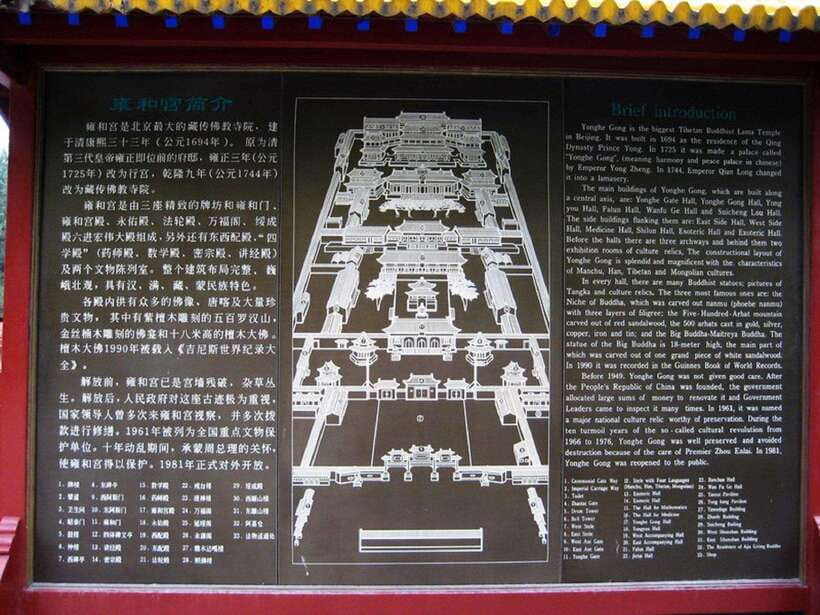
The Lama Temple experience is less about one “photo stop” and more about moving upward through a layered sacred complex. In practical terms, you’ll be walking between major areas inside the grounds, and the architecture is designed so each section feels bigger than the one before.
Here’s what to expect when you arrive and start exploring:
- Five main halls: Each hall rises above the one before it. That vertical arrangement matters because it changes how you take in the details—you don’t just look forward, you keep lifting your eyes.
- Clockwise changing prayer wheels: These are a focal point in the flow of the visit. You’ll see people engaging with them as part of worship, and it’s one of those moments where watching how others move through the ritual helps you understand the space.
- Multicolored tiles and lion statues: These details make the halls feel ornate and old-school. The lion statues in particular help you notice craftsmanship around doorways and key corners rather than only at the center of each room.
- A very famous wooden Buddha inside: The largest wooden Buddha in the world is described as being deep within the complex. That tells you the most “wow” interior moment likely requires patience and a slower pace once you get farther in.
Even if your schedule is tight, this temple is the type of place where you’ll keep finding new visual clues. You might plan for about four hours, but it’s also the sort of site where staying longer can be tempting if you’re the kind of visitor who reads plaques and slows down for craftsmanship.
You can also read our reviews of more tours and experiences in Beijing.


Entrance Tickets and the Passport Real-Name System (Why This Feels Strict)

This ticket isn’t a simple “show up and scan” deal. The system uses a real name approach tied to passports, which is common for major religious sites in China, especially when entry slots are controlled.
What this means for you:
- You’ll need to provide each visitor’s passport name and passport number.
- You’ll also need to choose an approximate entry time window: morning or afternoon.
- After you send your details, you receive an e-ticket.
That all sounds bureaucratic—because it is—but there’s a real logic behind it. When access is controlled by time slots and identity, wrong spelling or mismatched numbers can cause entry problems. Booking with the correct passport data is one way to lower the chance of friction when you get there.
A key practical point: you should treat your passport info like it’s filling in airline forms. Copy it exactly. Don’t “guess” spelling. Don’t mix up letters that look similar. If your name has hyphens, spaces, or unusual characters, use the passport version.
And yes, this matters enough that it showed up in a real downside in one negative booking experience: the e-ticket didn’t work as expected, forcing the person to purchase new tickets and re-join queues. That doesn’t mean this service is always broken, but it does mean you should arrive prepared and keep a little buffer time.
Price and Value: Is $19 Worth It for Lama Temple?
At about $19 per person, you’re not paying for a full guided tour package with transport and meals. You’re paying for the thing that’s hard to do on your own last minute: securing admission using the controlled system, and helping you avoid the worst queue scenarios and sold-out entry times.
So the value question is really simple:
- If you want to reduce uncertainty and time wasted at the entrance, the booking helps.
- If you’re traveling extremely flexibly and don’t mind lines, you may feel like it’s paying for convenience.
- If you’re the type who dislikes “paperwork time” (collecting passport details, selecting a time window), you might feel the trade-off isn’t worth it.
The best way to think about it: $19 is buying you a smoother entry attempt. It doesn’t replace the on-site experience. You’ll still do all the walking, reading, worship etiquette, and exploring yourself once you arrive.
Also watch the included-versus-not-included details. The package clearly includes entrance tickets, while tour, tour guide, and meals are listed as not included. At the same time, the activity description mentions a Chinese live tour guide. That mismatch is worth flagging. Before you go, make sure you understand what help you’ll actually have on the ground—especially if you’re expecting guided storytelling versus just a ticket handoff.
Getting There: Temple of Heaven Entrance as Your Meeting Spot
Your meeting point is listed as the Temple of Heaven Entrance (also tied to Tian Tan Park / 天坛公园). That’s important because it tells you how this day is structured: you’re not starting at the Lama Temple gates.
What’s not included:
- Hotel pickup and drop-off
- Meals
- Any transport details in the package description
So plan like an independent traveler for getting yourself to the meeting point. Use maps, give yourself time, and keep your passport easily accessible. This is one of those days where you don’t want to be fishing for your document while staff are waiting or entry staff are scanning your information.
A small, realistic tip: if you can, arrive at the meeting point before your chosen entry-window timing so you aren’t stressed when you need to confirm details or get directed.
Inside the Complex: Prayer Wheels, Worship, and Hall-by-Hall Flow
Lama Temple is designed to feel like you’re climbing into devotion. The experience is not just about architecture—it’s about how people use the space.
Here’s how the major elements shape your visit:






The clockwise prayer wheels
The prayer wheels are called out specifically as turning in a clockwise direction as part of worship. Even if you don’t know the ritual meaning, you’ll quickly see what people are doing, and you can follow the flow respectfully. This is also where you’ll notice that the temple isn’t a museum-only setting. People come to pray, not just pose.
The hall sequence and the rising sightlines
With five main halls stacked upward, your route naturally creates a repeating pattern: you look up, you enter, you reset your focus, and you look up again. That’s why four hours can work so well. The space does part of the “guide work” for you by leading your attention.
Multicolored tiles and lion statues
These details are easiest to appreciate when you slow down. Don’t rush past the ornamentation in search of the next building. If you take a minute for the tile colors and stone figures around key edges, the temple starts to feel less like a checklist and more like a crafted environment.
The largest wooden Buddha deeper in
The largest wooden Buddha in the world is described as being deep within the complex. That typically means you’ll earn the biggest interior moment by continuing past the initial highlights. If you have limited energy, don’t spend it all on the first courtyard areas. Save some for the deeper route so you don’t feel disappointed when you reach the end and realize you skipped the payoff.
Joss sticks: a worship moment you can participate in
Visitors are encouraged to purchase and burn joss sticks on-site. If you’re open to joining that tradition, it can be one of the most memorable cultural interactions of the day. If you’d rather not participate, you can still enjoy the symbolism and atmosphere while keeping your comfort level in mind.
What to Bring and How to Avoid the Common Friction Points

Based on the rules for this entry system, your biggest “don’t get stuck” item is simple:
- Bring your passport.
You also want your submitted passenger details to match your passport exactly. This is where small errors can turn into big problems.
Here’s a practical checklist that keeps you moving:
- Confirm your passport name and number are spelled exactly as on the document.
- Choose your approximate entry time window as honestly as you can.
- Keep your passport within reach when you meet and approach the entry areas.
- Keep the e-ticket info accessible on your phone or printed out, just in case.
One negative booking experience highlighted that e-ticket problems can happen. In that situation, the visitor had to buy new tickets and queue again. You can’t guarantee zero errors in any system, but you can reduce your risk by being careful with the exact identity details and keeping your documents ready.
Language and On-Site Support: Chinese Instructions to Plan For
The activity info lists Chinese as the language for any live guide support. That means you should be ready for a day where explanations may come in Chinese and rely on basic direction or gestures.
If you’re not comfortable with Chinese, you can still enjoy the site—religious spaces tend to be visually informative. But plan to be more hands-on with navigation. Have your route ideas clear before you reach the complex.
Also, since tour guide inclusion is listed ambiguously (entrance tickets included, tour guide listed separately as not included), treat the “guide” piece as a bonus rather than the foundation of your experience.
Who This Fits Best (And Who Might Feel It’s Too Much)
This ticket service is a strong fit for people who:
- Want to avoid long ticket queues
- Prefer not to deal with entry being sold out at the last minute
- Are comfortable following a real-name passport process
- Like religious sites where you can observe worship in action
It might feel less ideal if you:
- Dislike providing passport details in advance
- Need highly flexible timing and can’t commit to morning vs afternoon
- Expect a full guided tour with transport, meals, and rich explanations (since the package is centered on entry)
Wheelchair accessibility is mentioned, which is helpful if you need barrier-aware routes and clear entry access planning.
Should You Book This Lama Temple Ticket Service?

If your priority is smooth entry and you want to spend your energy on the temple itself, I’d say it’s worth booking. The price is modest, and the whole point is to reduce the two big frustrations at popular sites: lines and sold-out time slots. With the real-name e-ticket system, you’re also more likely to have a straightforward scan-and-go moment if your passport details are exact.
On the other hand, if you’re the kind of traveler who hates planning around morning or afternoon windows, or you know you might change your schedule last minute, the strict passport-and-time approach could irritate you. In that case, you might want to weigh the savings in stress against the effort of providing identity details and committing to an entry slot.
FAQ
FAQ
Where is the meeting point for this activity?
The meeting point is the Temple of Heaven Entrance.
What is included in the price?
It includes entrance tickets to Lama Temple.
What is not included?
Tour, tour guide, hotel pickup and drop-off, and meals are listed as not included.
Do I need a passport?
Yes. A passport is required.
Is this ticket based on real names?
Yes. Tickets are booked under a real name system, and you need to provide each person’s passport number and name.
What entry time options are available?
You need to choose an approximate entry time: morning or afternoon.
How long is the sightseeing at the temple?
The sightseeing time is listed as 4 hours.
Do I skip the ticket line?
The service description states skip the ticket line.
Is there Chinese language support?
Chinese is listed as the language, and a live tour guide (Chinese) is mentioned in the activity details.
Is it refundable if plans change?
Free cancellation is listed as available up to 24 hours in advance for a full refund.