You can’t wing this triangle of cities. This 8-day private tour strings together Beijing, Xi’an, and Shanghai with a smart mix of train, plane, and private car so you spend less time coordinating and more time sightseeing. I like that it wraps major sights—Great Wall, Forbidden City, Terracotta Warriors, and the Bund—into one sequence with an English-speaking guide and included entry tickets.
Two things I really appreciate: the pacing feels practical (you’re not constantly changing hotels and guides), and the tour uses private transfers so you’re not herding yourself through stations with a phone full of screenshots. The only real drawback to plan for is that it’s still a packed itinerary with a few optional add-ons inside attractions (like cable car or biking the city wall), plus you’ll want to budget for gratuities and personal expenses.
If you’re the type who wants the big “wow” moments without losing a day to logistics, this fits. And if you care about service details, the positive feedback you’ll hear often points to counselors and guides like Grace Chen, Sophia Liu, Maria, and Amy Fang—people who helped keep plans tight, safe, and on track.
In This Review
- Key highlights worth your attention
- A private route through Beijing, Xi’an, and Shanghai
- Day 1: Beijing airport pickup and a true reset day
- Day 2: Tiananmen Square, Forbidden City, and Hutong lanes
- Day 3: Temple of Heaven and Mutianyu Great Wall with smart options
- Day 4: Summer Palace plus the Beijing-to-Xi’an high-speed shift
- Day 5: Terracotta Warriors, city walls, and Xi’an’s Muslim Quarter food streets
- Day 6: Shaanxi History Museum and Big Wild Goose Pagoda
- Day 7: Shanghai Urban Planning Hall, Yu Garden, Xintiandi, and the Bund
- Day 8: Hotel-to-airport escort and an easy finish
- Price and inclusions: what you really get for $1,462.71
- Guide names, service quality, and why it matters
- Practical tips that will make your days smoother
- Should you book this Beijing, Xi’an, and Shanghai private tour?
- FAQ
- What cities are included in this private tour?
- Is this tour private, or are you joining a larger group?
- How do you travel between Beijing, Xi’an, and Shanghai?
- What’s included for meals and entry tickets?
- What costs are not included?
- How does pickup work on arrival in Beijing and on the last day in Shanghai?
- When will I get pickup information and what details do I need to provide?
- Are train and flight seat assignments known in advance?
- How physically demanding is the tour?
- What is the cancellation refund window?
Key highlights worth your attention
- Private, English-speaking guides for the days you land on the “must-see” sites
- Mutianyu Great Wall option with cable car if hiking isn’t your thing
- Terracotta Warriors (Pit 1–3 + exhibition) handled with a guide, not just a ticket and a map
- 4-star hotels with breakfast for 7 nights plus most lunches included
- Shanghai at street level: Yuyuan Garden, Yu Market, Xintiandi, then the Bund
- Smooth intercity travel via 2nd-class bullet train (Beijing to Xi’an) plus a flight (Xi’an to Shanghai)
A private route through Beijing, Xi’an, and Shanghai
Trying to plan China’s big three cities alone can turn into a part-time job. Distances are long, tickets sell fast, and schedules don’t care about your vacation mood. This tour tackles that by combining private transfers with guided visits and pre-arranged transport between cities.
What makes the plan feel valuable is the structure: you’re not bouncing between random “one-off” day tours. Instead, you get a continuous thread from Beijing’s imperial sites, to Xi’an’s dynastic history, then into Shanghai’s modern skyline and old market streets.
You can also read our reviews of more tours and experiences in Beijing.
Day 1: Beijing airport pickup and a true reset day
Your first move is simple: you land, and a driver picks you up at Beijing Capital International Airport based on your flight schedule. Then you’re transferred to your Beijing hotel for check-in, and the rest of the day is yours.
That free time matters more than it sounds. Long flights can hit hard, and the city’s huge. Use the evening to eat something close to your hotel, then get a good night’s sleep for the sightseeing sprint starting the next morning.
Day 2: Tiananmen Square, Forbidden City, and Hutong lanes
Day 2 is where Beijing starts feeling like the Beijing people imagine. You begin at Tiananmen Square, the political heart of the city and a massive public space used for big events over the last century-plus. It’s also a useful orientation point, because it puts you in the center of the action.
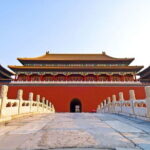
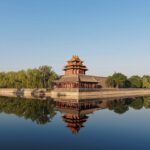
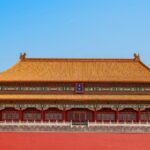
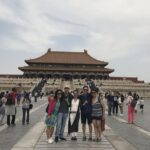
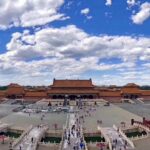
Then comes the highlight for many first-timers: the Forbidden City (Palace Museum). You get guided context for one of the world’s largest and best-preserved palace complexes, built of wood and used by emperors from the Ming and Qing dynasties. The time allotment is generous enough that you’re not just rushing from one gate to another.
After palace grandeur, you shift to everyday Beijing with a Hutong tour—a look at traditional alley neighborhoods and local life. If you want to explore by rickshaw, you’ll have the opportunity to do that. The practical win here is that you see two different “Beijings” on the same day: the official history and the lived-in city.
Watch-outs: this is a day with a lot of walking and standing, so comfortable shoes are not optional.
Day 3: Temple of Heaven and Mutianyu Great Wall with smart options
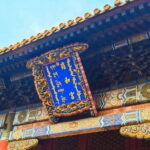
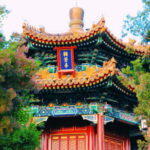
Day 3 balances spirituality, scenery, and the iconic wall. First up is the Temple of Heaven, where emperors historically prayed for peace and good harvests. It’s more than a pretty complex—going with a guide helps you understand the purpose behind the layout.
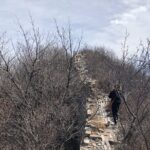
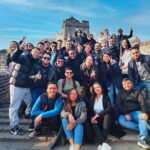
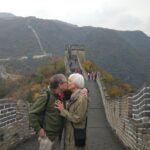
Then you’re headed to Mutianyu Great Wall, widely viewed as one of the most scenic sections. What I like here is the way the tour frames it: this wall stretch is known for being heavily covered by vegetation in many seasons. You also get an important flexibility detail—cable car is optional if hiking is too much.
On the ride back toward the city, you stop for an outer look at Bird’s Nest and Water Cube. You’re not lingering there, but it gives you the visual reference point most people want, without consuming the whole day.
Tip for you: if you choose the cable car option, you’ll likely enjoy the view more than the steep stretches. The goal is the wall, not a solo endurance contest.
Day 4: Summer Palace plus the Beijing-to-Xi’an high-speed shift
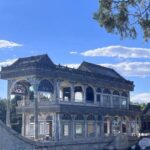
Day 4 starts with a palace garden moment at the Summer Palace. It’s described as China’s largest and most completely preserved imperial garden, covering about 290 hectares. Even if you’re not an architecture nerd, the setting helps you picture court life beyond just throne rooms.
After lunch, you shift from slow beauty to fast transit: you go to Beijing West Railway Station and take a high-speed train to Xi’an. When you arrive, a local driver meets you and transfers you to your Xi’an hotel in the downtown area.
This is a smart trade. You avoid losing half a day to messy station logistics, and you keep your energy for the sights that come immediately after in Xi’an.
Day 5: Terracotta Warriors, city walls, and Xi’an’s Muslim Quarter food streets
Xi’an’s big day is all about turning history into something you can actually see. You start with the Museum of Qin Terra-cotta Warriors and Horses. You’ll go with your guide and see Pit 1 (the largest), Pit 2, Pit 3, plus the exhibition hall of chariots and horses.
This museum often gets compared to the Eighth Wonder of the World, and the key reason is simple: the sculpture level is astonishing. Going as a group with a guide helps you notice things you’d miss if you just walked through with audio on.
After that heavy hit, you continue with the Xi’an Ancient City Wall. You get entry and time to experience one of the most preserved and largest city walls in China, built for military defense. There’s an optional bike ride on the wall, but the rental fee is on your own.
The day ends with local neighborhood flavor: an outer look at Bell Tower & Drum Tower Square, then a visit to Muslim Quarter, known for its street food. This is where Xi’an shifts from official history to something you can snack your way through.
Practical note: this is a day where you’ll want cash or an easy way to pay for street bites, since the tour only covers what’s included and you’ll likely want extras.
Day 6: Shaanxi History Museum and Big Wild Goose Pagoda
Day 6 keeps the “real story of the region” vibe. You visit Shaanxi History Museum, one of the biggest museums in China and a strong collection for Shaanxi’s heritage. The tour highlights that the museum’s relics are at national level in both quantity and quality, and that Xi’an served as a capital for more than 13 dynasties.
From artifacts and exhibits, you shift to a classic Tang-era spiritual landmark at Big Wild Goose Pagoda (Dayanta). The pagoda is tied to preserving scriptures and figures brought back from India during the Tang Dynasty, and there’s also a garden area around it where you can take a walk.
After lunch, you fly to Shanghai in the afternoon. When you arrive, a local driver transfers you to your downtown Shanghai hotel.
I like this structure because it avoids wasting your morning. You’re still sightseeing in Xi’an, then you move to Shanghai without dragging the day through extra transit steps.
Day 7: Shanghai Urban Planning Hall, Yu Garden, Xintiandi, and the Bund
Shanghai day is a mix of big-picture storytelling and hands-on city wandering. You start at the Shanghai Urban Planning Exhibition Hall, themed around city, people, environment, and development. You’ll get a guided perspective on how the city has changed and where it’s going, which helps when you look at the skyline afterward.
Then you head to Yu Garden (Yuyuan), finished in 1577 during the Ming Dynasty. This is a garden built for family comfort and tranquility, so it gives you a calmer pace after a museum morning. After the garden, you wander the Yuyuan Market, where you can find traditional crafts and local snacks. You’re also encouraged to haggle for better pricing, which is part of the experience here.
Next comes Xintiandi, a lively leisure area built from restored Shikumen houses with shops and bars. Even if you don’t plan to drink, it’s a useful stop because it shows another side of Shanghai’s character: old structures repurposed for modern life.
Finally, you end at the Bund, the iconic riverside stretch along the Huangpu River with a lineup of buildings in different architectural styles. It’s a classic photo location, but the best value is the contrast—this is Shanghai history in one long wall of facades.
Smart move for you: pace yourself. Shanghai can feel like a long walk even when you’re not moving far, because the city spreads and the sights are layered.
Day 8: Hotel-to-airport escort and an easy finish
On your last day, the driver meets you in the hotel lobby at the confirmed time and escorts you to the airport. It’s straightforward, and that matters when your schedule is ending and you still need to clear travel time.
Use the morning for one last bite near your hotel or to grab any small souvenirs you postponed. Then you’re out.
Price and inclusions: what you really get for $1,462.71
At about $1,462.71 per person for this 8-day private tour, the cost makes sense only if you look at what’s folded in. This tour isn’t just a guide and some attraction tickets.
Your package includes:
- 7 nights of 4-star accommodation with daily breakfast
- Private transfers in air-conditioned vehicles with licensed drivers
- Entrance fees for the attractions listed in the schedule
- An English-speaking tour guide during land tours
- Bottled water
- Most lunches, plus breakfast throughout
- Intercity transport: 2nd-class bullet train Beijing–Xi’an and an economy flight Xi’an–Shanghai
So you’re paying for less uncertainty. Instead of hunting down tickets, figuring out rail station transfers, and trying to time entry fees yourself, you’re buying a workflow. That’s especially valuable with China’s scale.
Where you should still plan extra money:
- Gratuities to guide and driver (not included)
- Personal expenses
- Optional add-ons inside attractions like cable car on the Great Wall or bike rentals on the city wall
If you’re someone who likes to keep things simple and predictable, this pricing structure can feel fair. If you like customizing every stop and timing it yourself, a DIY plan could cost less—but it also costs time and mental energy.
Guide names, service quality, and why it matters
The strongest praise across the feedback is about people, not just sightseeing. The tour’s private nature means your guide can explain context at the right speed, and your driver can handle transfers without you constantly switching plans.
The reviews specifically highlight contacts like Grace Chen, Sophia Liu, Maria, and Amy Fang for responsiveness and keeping trips organized. One review also notes that the team delivered a Muslim-friendly private tour when requested—so if that matters for you, it’s worth raising during planning so the guide can tailor meal and itinerary choices.
Even if you’re not trying to optimize every detail, this is the real value of a private tour: it reduces friction. You spend your energy on places like the Forbidden City and the Terracotta Warriors, not on finding the right entrance while your legs are already tired.
Practical tips that will make your days smoother
A few details from the tour info help you travel smarter:
- Wear comfortable shoes. There’s a lot of walking across palaces, markets, and the wall area.
- Have moderate fitness. The plan includes major sites like the Great Wall, which may involve stairs and uneven terrain. Cable car is listed as optional on Mutianyu.
- Expect some free-time wandering styles. For example, Yu Market is built for you to browse and snack at your pace.
- Bring patience for optional experiences. A bike rental on the Xi’an city wall and a cable car on Mutianyu are both described as add-ons where you pay yourself.
- If you have dietary needs, there is a vegetarian option available—tell the provider at booking.
Also, the tour notes a practical communications rhythm: you’re contacted at least one day ahead of travel day by email with pickup info, and the guide may call or leave a message the night before tour about pickup time. That’s helpful when you’re arriving in a new city.
Should you book this Beijing, Xi’an, and Shanghai private tour?
Book it if you want major sights with minimal logistics stress. This route works well for first-timers who want the Great Wall, Forbidden City, Terracotta Warriors, and the Bund without turning the trip into a spreadsheet project.
Don’t book it (or at least manage expectations) if you’re the type who hates structured schedules. This itinerary is busy, and even though it’s private, it still hits a lot of big-ticket stops each day.
Before you decide, ask yourself these two questions:
- Do I want private guides and included entrance tickets so I can relax into the day?
- Am I okay paying for convenience in exchange for less planning work and smoother transfers?
If you answered yes, this tour is a strong value play. It’s built for people who want big China memories, delivered in a clean sequence from Beijing to Xi’an to Shanghai.
FAQ
What cities are included in this private tour?
The tour covers Beijing, Xi’an, and Shanghai, with a total duration of about 8 days (7 nights).
Is this tour private, or are you joining a larger group?
It’s a private tour/activity, meaning only your group participates.
How do you travel between Beijing, Xi’an, and Shanghai?
You take a 2nd-class bullet train from Beijing to Xi’an, then an economy flight from Xi’an to Shanghai. Private transfers by licensed driver handle the land transportation.
What’s included for meals and entry tickets?
The tour includes 7 nights of 4-star accommodation with daily breakfast. Entrance fees are included for the attractions listed in the itinerary, and most lunches are included as well.
What costs are not included?
Personal expenses are not included, and gratuities to the guide and driver are not included. Optional activities inside attractions (such as cable car or bike rental) are also not included.
How does pickup work on arrival in Beijing and on the last day in Shanghai?
On Day 1, a driver picks you up at Beijing Capital International Airport based on your flight schedule and transfers you to your hotel. On Day 8, a driver meets you in your hotel lobby at the confirmed time and escorts you to the airport.
When will I get pickup information and what details do I need to provide?
You’ll be contacted at least one day ahead of the travel day via email with pickup information, and the guide may call or leave a message the night before about pickup time. You also need the passport name, number, expiry, and country for all participants when booking.
Are train and flight seat assignments known in advance?
Seats on the flight and train will not be known in advance of the performance date.
How physically demanding is the tour?
The tour notes that travelers should have a moderate physical fitness level, and it includes walking and visits to sites like the Great Wall.
What is the cancellation refund window?
You can cancel up to 6 days in advance for a full refund. Cancel 2–6 full days before for a 50% refund, and cancel less than 2 full days before for no refund. Cut-off times are based on local time.