REVIEW · SHANGHAI
3-Hour Private Tour to Jewish Ghetto and Shanghai Bund
Book on Viator →Operated by Sunny Private Tours · Bookable on Viator
Shanghai’s Jewish story is easy to miss.
This private tour strings together the Jewish Refugees Museum (Ohel Moishe Synagogue) with the alleyways of the former ghetto area, then finishes on the Bund waterfront where British-Jewish Sassoon family heritage still shows in the architecture. I like that it’s designed for one tight narrative, not random stops.
Two things I’d pick out right away: you get hotel pickup (downtown) plus comfortable transfers in a private vehicle, and the whole route is built for a clear, chronological walk through how Jewish communities in Shanghai formed and changed over time. You’ll also be in good pacing—museum first, then the walking parts that help you picture what the streets were like.
One consideration: this is a walking tour with museum time, so if you’re short on mobility or your hotel is outside the downtown pickup area, you may need to meet nearer the center.
In This Review
- Key things to know before you go
- Entering the Story: A Private Walk Through Shanghai’s Forgotten Community
- Price and What Your $90 Actually Buys
- How the Timing Works: 2.5 to 3 Hours That Fit Real Days
- Stop 1: Shanghai Jewish Refugees Museum (Ohel Moishe Synagogue)
- Stop 2: Jewish Ghetto Streets, Stone Gate Houses, and the JDC Center
- Stop 3: The Bund (Wai Tan) and the Peace Hotel Sassoon Legacy
- What the Guides Do That Changes Everything
- Pickup, Transport, and Why Downtown Matters
- Walking Style: How to Dress and How Much Effort to Expect
- Where This Tour Fits Best (and Where It Doesn’t)
- One Balanced Take: What You’ll Gain Most
- Should You Book This Jewish Ghetto and Bund Private Tour?
- FAQ
- How long is the 3-Hour Private Tour to the Jewish Ghetto and Shanghai Bund?
- What does the tour cost?
- Is hotel pickup included?
- What stops are included on the route?
- Are museum or site admissions included?
- What kind of transportation will you use?
- What’s the cancellation policy?
Key things to know before you go
- Small, private format: only your group participates, with an English-speaking guide
- Museum admission included: you’ll visit the Jewish Refugees Museum (Ohel Moishe Synagogue)
- A tight, story-led route: Jewish district sites plus the Bund’s British-Jewish art-deco heritage
- Downtown hotel pickup: handled for downtown hotels; outside areas get a downtown meeting point
- Comfort-first transport: premium Uber for 1–4 people, mini van for larger groups
- All-weather operation: you’ll still go, so dress for rain or heat
Entering the Story: A Private Walk Through Shanghai’s Forgotten Community
If you’ve only seen Shanghai as neon and modern skyline, this tour gives you a different angle. You’re walking through a chapter that many people never learn in the usual city overview: how Jewish refugees and immigrant communities lived, worked, and left marks across parts of Shanghai—then how that story intersects with the city’s older international neighborhoods.
This is also the kind of experience that works because it’s small-scale. You’re not juggling multiple groups or racing between photo stops. You’re getting a guided, coherent storyline that makes the places feel connected instead of like scattered sightseeing pins.
You can also read our reviews of more tours and experiences in Shanghai.



Price and What Your $90 Actually Buys
At $90 per person, the value depends on two things: the private format and what’s included. You’re paying for an English-speaking guide, private service, downtown hotel pickup, and local transportation between stops in a private vehicle. You’re also not paying separately for the Jewish ghetto-related entrance fees, and the Jewish Refugees Museum visit has admission included.
That combination matters in Shanghai, where “cheap group tours” can turn into extra walking, extra waiting, or you paying for museum tickets on top. If you want a focused historical outing without the hassle, this price starts to look fair—especially for couples or small groups (where the premium Uber option applies).
How the Timing Works: 2.5 to 3 Hours That Fit Real Days
The tour runs about 2 hours 30 minutes to 3 hours. That’s long enough to get meaning from the museum and still manageable for the rest of your day. Morning or afternoon departures are both offered, so you can match it to your energy level and the weather.
Practical tip: if you’re trying to stack major sights in one day, keep this tour near the middle of your schedule. You’ll want the museum time to land while you still have mental space for details, and the walking segments work best before you’re worn out.
Stop 1: Shanghai Jewish Refugees Museum (Ohel Moishe Synagogue)
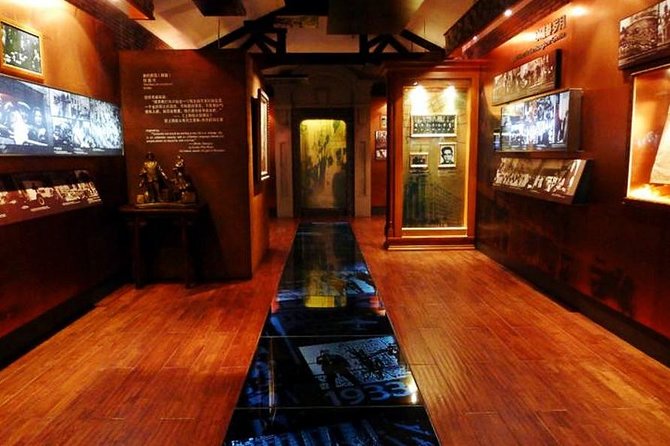
The tour starts at the Jewish Refugees Museum, housed at the Ohel Moishe Synagogue. The museum is where the story gets grounded. Instead of just pointing at buildings, you’re looking at photographs, films, and personal items that help you picture people’s daily lives and the wider context of why Shanghai became a refuge.
This stop lasts about 1 hour 20 minutes, which is a sweet spot for a museum visit on a guided walking tour. Long enough to understand the timeline, short enough that you won’t feel stuck. In the experience you’ll be taking part in, the guide usually uses simple explanations that keep the narrative clear, even when the subject matter is heavy.
What I like about this first stop: it trains your eye. After the museum, the stone gate houses, alleyways, and “Little Vienna” references on the street level make more sense. You’ll read the city like a map of lives, not just architecture.
One thing to consider: the museum experience is indoors, so if you’re sensitive to crowds or you prefer maximum time to wander freely, you’ll still have a guided structure. You can still absorb at your own pace, but the visit isn’t designed as a self-guided meander.
Stop 2: Jewish Ghetto Streets, Stone Gate Houses, and the JDC Center
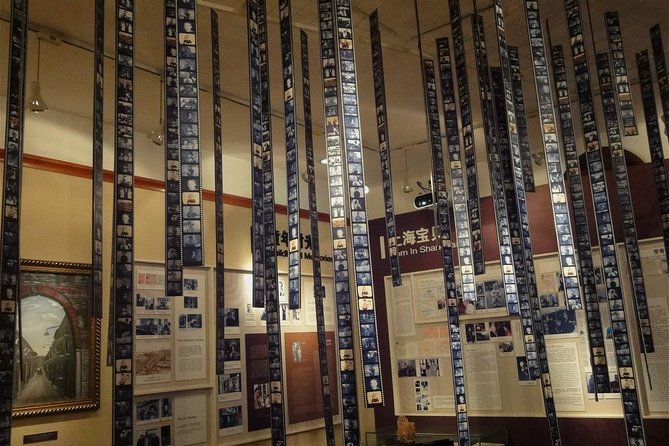
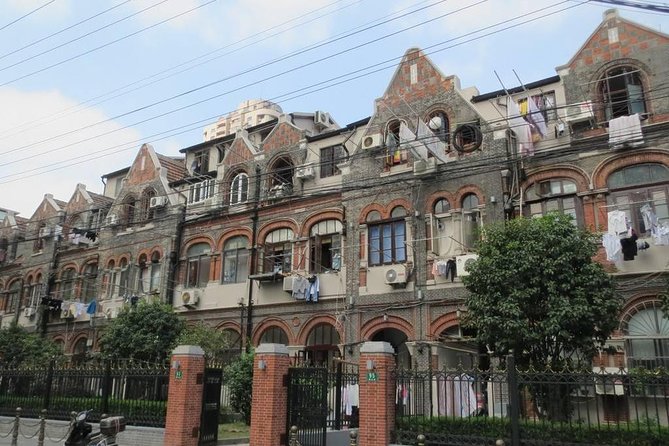
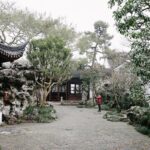
Next comes the walk through what’s often described as the Jewish Ghetto area—focusing on the old “Jewish park,” the old JDC center, and the historic stone gate houses. This is where the tour shifts from documents to place.
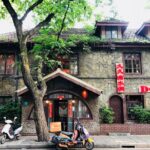
You’ll spend about 1 hour here, with a guided look at old stone gate houses that once sheltered thousands of refugees, plus back streets that help you understand the layout of daily life. The best part is that you’re not just staring at facades; you’re being guided to notice how streets, building shapes, and tight alleys create the feeling of “how people lived.”
This stop also helps you compare with the rest of Shanghai. You’ll likely notice the contrast between this European-influenced Jewish quarter area and surrounding Chinese architectural styles—so the neighborhood starts to feel like a real world with its own texture, not a theme-park set.
Admission at this part is free, so you’re not stacking extra tickets. Just show up ready to walk and listen.
Possible drawback here: you’re dealing with urban sidewalks and uneven street sections. If you prefer step-by-step accessibility planning, it’s worth messaging ahead with your guide (especially if you have mobility needs), because you’ll spend most of this portion on your feet.





Stop 3: The Bund (Wai Tan) and the Peace Hotel Sassoon Legacy
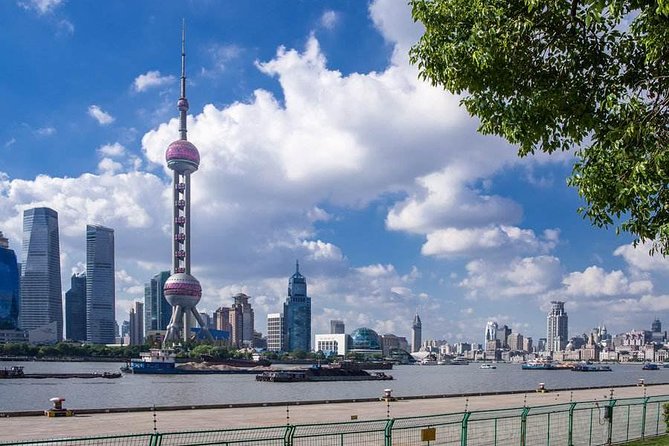
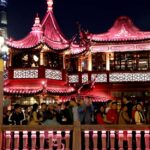
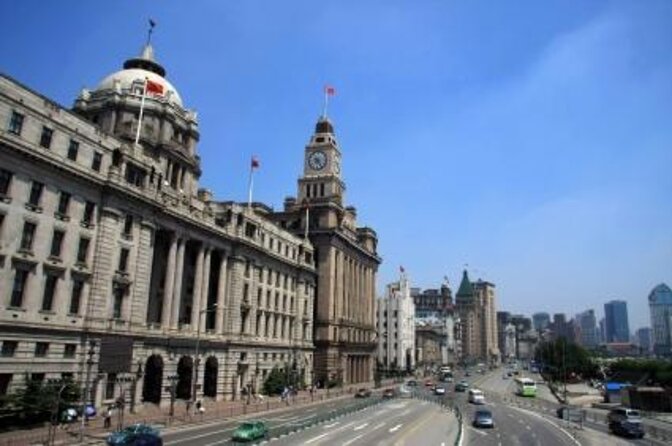
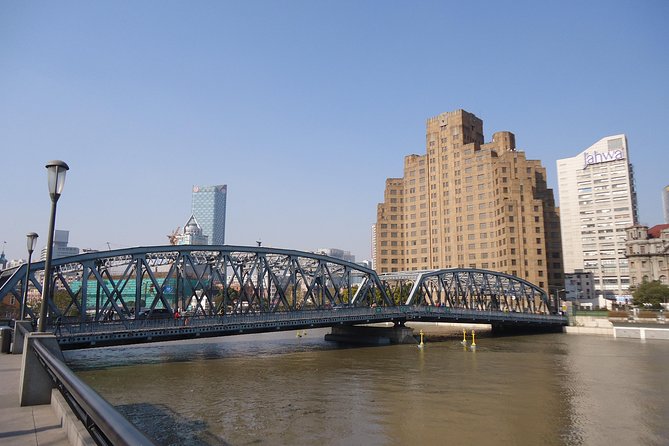
The tour finishes on the Bund (Wai Tan), where the story pulls into Shanghai’s global trading past. Your Bund walk includes a stop around the Peace Hotel area, with its connection to the Sassoon family—British Jewish heritage that helped shape the city’s international-era presence.
This segment lasts about 50 minutes, and it’s a strong capstone. The ghetto portion teaches the human scale of refugee life. The Bund portion shows you the city’s older layers: international commerce, colonial-era architecture, and the Art Deco character that still lines the waterfront.
If you love architectural details, this ending works well. You’ll likely look differently at the Bund after the first two stops. Instead of seeing it as just a scenic promenade, you’ll start understanding it as a stage where different communities and historical forces met.
Admission here is free, so you’re not paying more—just taking in the views and the context.
What the Guides Do That Changes Everything
The guide quality is a huge part of why this tour consistently lands at a top rating. When a guide is strong, you get more than facts. You get a timeline you can follow, plus explanations that make Shanghai feel logical instead of chaotic.
In this tour’s guide style, names like Lea, Sunny, Annie, Mason, Robert, Aron, and Ruby come up for a reason: they’re often described as prepared, clear in plain English, and good at connecting the museum story to what you’re seeing outside. Some guides also tailor pacing so you’re not rushed in the museum, and you can slow down to focus on photographs or artifacts that catch your attention.
Even if your guide isn’t one of those names, aim for the same approach: ask questions, and don’t be shy about saying you want the story explained in chronological order. That’s the method that tends to click best for first-time visitors learning this part of Jewish Shanghai.
Pickup, Transport, and Why Downtown Matters
This tour includes hotel pickup for hotels located in downtown Shanghai. If your hotel sits outside the downtown area (for example, areas like Jiading, Songjiang, Qingpu, parts of Pudong such as Jinqiao, Chuansha, and more remote zones), pickup doesn’t automatically cover it. In that case, your guide will provide instructions to reach a downtown meeting point.
That detail matters for two reasons. First, you’ll save time. Second, you’ll avoid a long commute that eats into your sightseeing hours.
For transportation, the tour uses:
- Premium Uber for parties of 1–4 people
- Air-conditioned mini van for parties over 4
The private vehicle choice is part of the “value math.” If you’re splitting a private tour across two or three people, the pickup and ride stop being perks and become the practical backbone that keeps the day smooth.
Walking Style: How to Dress and How Much Effort to Expect
This is a walking tour with museum time. The itinerary is structured for comfort: museum first, then neighborhood streets, then the Bund. Still, you should plan for real city walking.
Also note that it operates in all weather conditions. That means you should dress for rain or heat, not for an ideal-weather fantasy. Comfortable shoes matter here more than anything flashy. If you’re thinking of wearing something pretty but impractical, wear the practical pair.
If you’re someone who gets tired from urban walking, build in a little buffer after the tour. A good guide can pace the group, but you’ll still cover a route designed for seeing multiple locations close enough to be walked between.
Where This Tour Fits Best (and Where It Doesn’t)
This tour is a great fit if you:
- Want a history-driven Shanghai experience with human stories and real places
- Like guided context that helps you interpret what you’re seeing
- Are curious about how Shanghai connected to global events, especially around refugee life
- Prefer private tours where you can ask questions and move at your pace
It may not be your best pick if you:
- Only want “must-see” modern Shanghai highlights and don’t care about neighborhood history
- Are unable to do walking segments, even short ones
- Are staying far outside downtown and would rather avoid meeting-point logistics
One Balanced Take: What You’ll Gain Most
The strongest promise of this experience is the connection between museum storytelling and street-level geography. The museum helps you understand the timeline and the lived experience. The ghetto-area walk puts those ideas onto stone gate houses, old centers, and alleyways. Then the Bund ending gives you the city-scale view—international connections made visible in architecture and waterfront streets.
If you’re the type who likes your history with places attached, this is the sort of tour that pays off quickly. You’ll leave with more than photos. You’ll have a mental map of how Shanghai’s international chapter looked and why it mattered.
Should You Book This Jewish Ghetto and Bund Private Tour?
I’d book it if you want a guided, private way to see a side of Shanghai that most visitors miss. The combination of museum admission, hotel pickup in downtown, and a focused 2.5–3 hour route makes it easy to justify—even at $90 per person.
Book with confidence if you’re comfortable walking and you can do a museum + neighborhood route in one sitting. If your hotel is outside downtown or you prefer strictly self-guided plans, message ahead about the best meeting setup so you don’t lose time.
FAQ
How long is the 3-Hour Private Tour to the Jewish Ghetto and Shanghai Bund?
The tour runs about 2 hours 30 minutes to 3 hours.
What does the tour cost?
It’s $90.00 per person.
Is hotel pickup included?
Yes, hotel pickup is offered for hotels located in downtown Shanghai. If your hotel is not downtown, your guide will give instructions to meet near the downtown area.
What stops are included on the route?
You’ll visit the Jewish Refugees Museum (Ohel Moishe Synagogue), then sites in the Jewish Ghetto area such as the old Jewish park and old JDC center, and finish at the Bund area (including the Peace Hotel area).
Are museum or site admissions included?
Admission ticket for the Jewish Refugees Museum is included. The Jewish Ghetto entrance fee is included, and the Bund stop is listed as free.
What kind of transportation will you use?
For 1–4 people, it uses a local premium Uber. For more than 4 people, it provides an air-conditioned mini van.
What’s the cancellation policy?
You can cancel for a full refund if you cancel up to 24 hours in advance of the experience start time. Changes within 24 hours can’t be accepted.