REVIEW · HONG KONG SAR
Hong Kong Food Tour: Sham Shui Po District
Book on Viator →Operated by Hong Kong Foodie Tour · Bookable on Viator
Sham Shui Po tastes like real Hong Kong. This small-group food walk sends you into backstreets and markets in old Kowloon, where a local guide connects what you’re eating to how the neighborhood became what it is today. With a max of eight people, it stays relaxed, and you’ll hit a smart mix of Sham Shui Po classics and market stops like Apliu Street.
I especially love how personal the tour feels. The group stays tiny, and the guide—often Carrie, Jamie, Fiona, or Yammy—keeps things moving without rushing your questions. I also love the hands-on food moments, including dim sum made right in front of you, plus tastings from small vendors and family-run spots where you can actually see the work behind the meals.
My main consideration: you walk. There’s a moderate amount of walking on neighborhood streets, so plan for comfy shoes and expect to be on your feet for the full morning window. If you’re hoping for a mostly seated tour, this one won’t match that vibe.
In This Review
- Key Highlights You’ll Feel Immediately
- Where Sham Shui Po Wins: Real Kowloon, Real Eating
- Price and Value: What You’re Really Paying For
- Getting Started at 220 Apliu Street (and Ending Near the MTR)
- Stop 1: Sham Shui Po Food Trail With Six Tastings
- What you should expect at the tastings
- The pacing reality check
- Why Dim Sum Moments Feel Different Here
- Stop 2: Apliu Street Market for Gadgets and Travel Fixes
- Breakfast and Brunch Included: Eating Enough to Start Your Day
- Small-Group Guides: Carrie, Jamie, Fiona, and Yammy
- What to Bring (and What to Expect When You Walk)
- Who This Tour Is Best For (and Who It Isn’t)
- Should You Book the Sham Shui Po Food Tour?
- FAQ
- What is the duration of the Hong Kong Food Tour in Sham Shui Po?
- What’s included in the price?
- Is there a small group size?
- Where does the tour start and end?
- Can the tour accommodate kids?
- What if my plans change or the weather is bad?
Key Highlights You’ll Feel Immediately
- Tiny group (max 8) keeps the pace calm and your questions welcome
- Six tasting locations built for sweet-and-savory Hong Kong favorites
- On-site cooking moments like dim sum made by hand
- Apliu Street Market stop for bargain gadgets and travel adaptors
- Food plus a local context tying neighborhood history to what people eat today
- English-speaking guide with water and support to make the morning simple
Where Sham Shui Po Wins: Real Kowloon, Real Eating
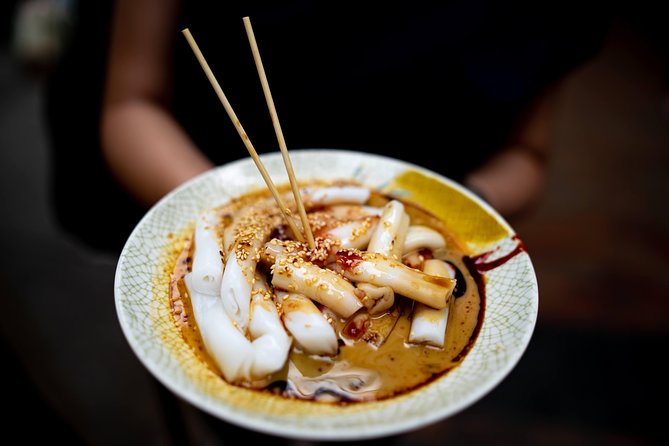
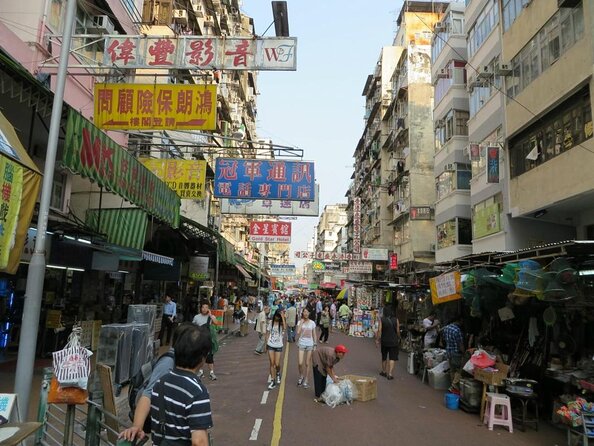
Sham Shui Po is one of those parts of Hong Kong that doesn’t try to perform for tourists. It’s older Kowloon energy: markets, everyday errands, and local food that’s built for daily life, not for photos. That matters, because the whole point of this tour is to show you how food culture forms where people actually live and work.
What makes this experience work is the combo of food and neighborhood stories. You don’t just get a list of dishes; you get the why behind them—how this historic area shaped what shows up on menus and in street stalls now. Even if you only know a few Cantonese dishes, the guide helps you connect the dots while you’re still hungry, not after.
And because the tour is a small group, you don’t get swallowed by a crowd. I like that you can hear explanations, ask questions, and take a second look when something interesting catches your eye.
You can also read our reviews of more tours and experiences in Hong Kong SAR.

Price and Value: What You’re Really Paying For
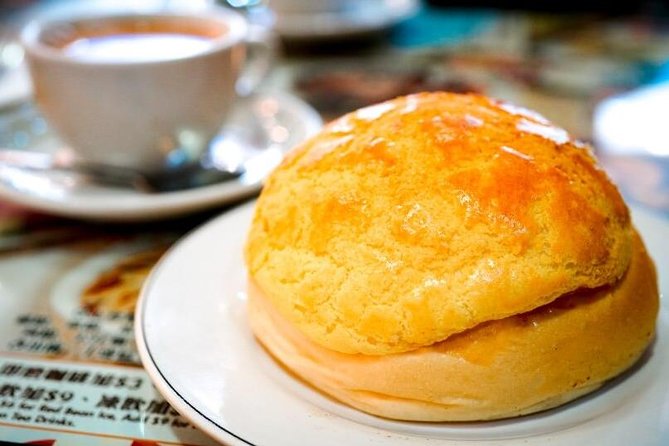
The price is $107.76 per person, and the tour runs about 3.5 hours with a morning start at 9:00 am. On paper, it’s not the cheapest thing you’ll buy in Hong Kong—but the value comes from what’s included.
You get food tastings, bottled water, and both breakfast and brunch are listed as included. That’s the big deal. When a food tour covers actual meal time (not just tiny bites), you’re saving yourself the hassle of figuring out where to eat and what to order in an unfamiliar neighborhood.
You also get a professional English-speaking guide and a structured walking route into areas most visitors don’t find alone. That kind of local direction is hard to replace on your own unless you already know the area well.
So here’s how I’d frame the cost: you’re paying for (1) guided access to well-chosen local spots and (2) enough food to actually start your day the right way. If you like guided food walks, this price can feel fair pretty fast.
Getting Started at 220 Apliu Street (and Ending Near the MTR)
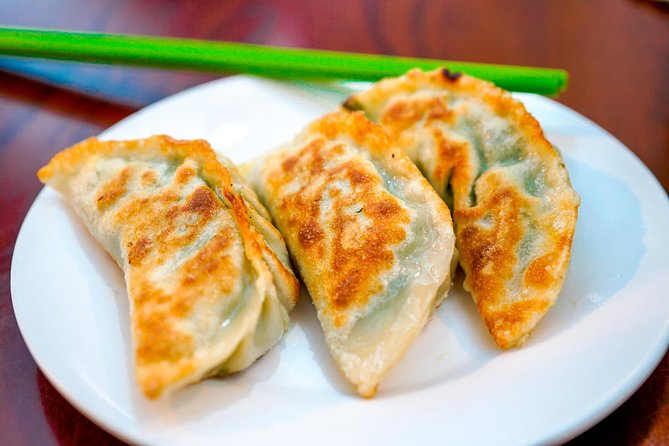
The tour meets at 220 Apliu Street in Sham Shui Po. You’ll also see it described as meeting near Sham Shui Po MTR station, which is helpful because it means you’re not trying to decipher a remote street with no transit nearby.
The end point is Fuk Wing Street, and the guide can bring you back to Sham Shui Po MTR station after the tour ends. That’s a nice safety net. It means you can go from eating to exploring without feeling stranded.
You’ll use a mobile ticket, and confirmation is typically sent within 48 hours, based on availability. The tour is designed for a smooth morning: you meet, walk, taste, and then you’re released back into transit-friendly territory.
One more practical note: the tour asks you to advise dietary requirements when booking. If you have allergies or strong preferences, do that early so the guide can plan tastings that work for you.
Stop 1: Sham Shui Po Food Trail With Six Tastings
Most of the action happens in Sham Shui Po. You start at the neighborhood’s MTR area, then walk on foot through backstreets for a food trail that takes you to six tasting locations. These are a mix of local eateries and specialty shops, aimed at Cantonese favorites—both sweet and savory.
This is where the tour feels most like a guided neighborhood walk instead of just a meal-hopping circuit. Between tastings, the guide points out iconic landmarks and shares context about Kowloon’s culture and history—specifically how this area shaped food traditions.
What you should expect at the tastings
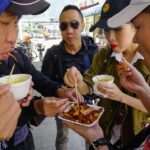
From the descriptions and feedback tied to this tour, you can expect more than pre-packaged snacks. Many stops are the type where food is made on-site or prepared fresh for the moment you arrive. In several experiences, people highlight dim sum and watching chefs work in real time—so you’re not just eating, you’re also learning.
That hands-on factor is a big quality signal. If a place is cooking something right there, you’re getting fresher flavors and a better sense of technique. You’ll also get a clearer idea of what a dish should taste like when it’s at its best, not after it’s been sitting under a heat lamp.




The pacing reality check
The tour includes a moderate amount of walking. That’s not a dealbreaker, but it does affect how you should plan your day. You’re not doing a slow stroll with stops every five minutes. It’s more like steady morning walking plus planned tastings, which is why comfy shoes are non-negotiable.
Why Dim Sum Moments Feel Different Here
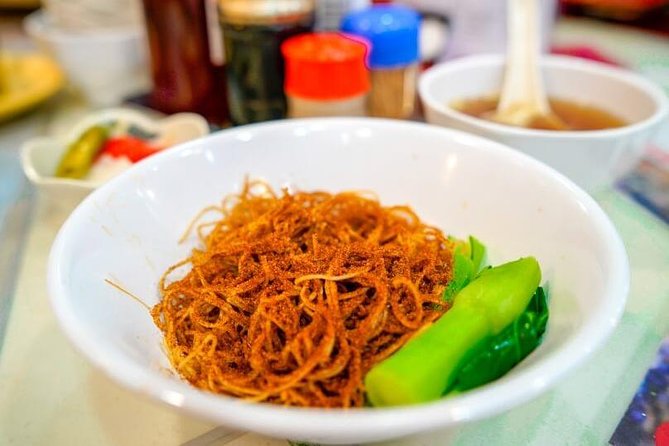
Dim sum shows up in a lot of Hong Kong travel plans. The difference on this tour is timing and setting. The experience is built around local spots where the food is made fresh, and multiple guide-led accounts mention seeing dim sum made by hand and arriving around the moment items are freshly produced.
That timing detail matters. Dim sum changes quickly: texture, temperature, even how the wrapper behaves. If you hit a place at the wrong time, you can end up with food that tastes fine but doesn’t show you the dish at its peak.
You’re also getting cultural context while you eat. The guide ties the food to the neighborhood’s past and present life, so you’re more likely to understand why certain items are common here in Sham Shui Po and what people expect as everyday Cantonese comfort food.
And if you enjoy the show-but-still-eat aspect of travel, this stop delivers. It’s food plus observation, and it turns meals into learning moments without killing the fun.
Stop 2: Apliu Street Market for Gadgets and Travel Fixes
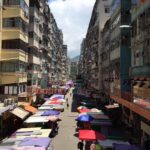
After the tastings, you shift gears to Apliu Street Market. This is a different kind of Hong Kong experience—less about eating and more about buying and browsing.
You’ll walk the market with your guide, who points out where you’ll find the cheapest gadget-style goods and travel adaptors. That’s genuinely useful if you forgot a charger, want a cheap adapter, or you’re planning to tinker with your own electronics while you’re in the city.
You’ll also be shown lesser-known finds in the market area. The point isn’t to buy everything. It’s to understand what Apliu Street is and how locals use it—like a practical side of Hong Kong that most visitors skip because it doesn’t look like a tourist attraction from far away.
Breakfast and Brunch Included: Eating Enough to Start Your Day
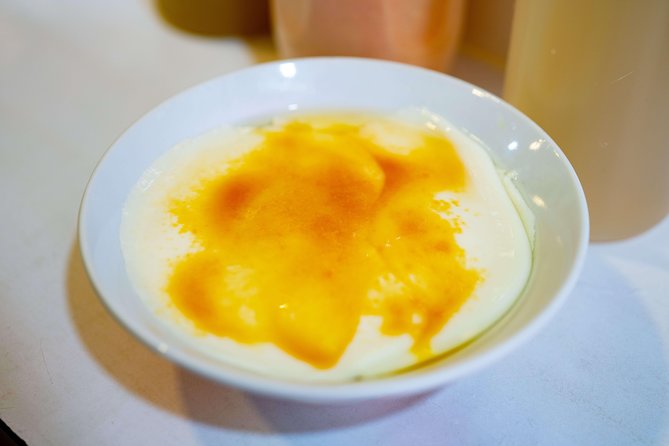
One of the smartest parts of this tour is that breakfast and brunch are included (not just light bites). That changes how you should schedule your day. You’ll leave full, not hungry, and you won’t need to hunt for lunch right away afterward.
In real terms, this helps you avoid the classic Hong Kong travel problem: you’re so busy chasing famous places that your meals turn into random choices or late snacks. Here, the guide handles the where and what, and the tastings are structured across the walk.
Also, bottled water is included. That sounds simple, but it matters on a walking morning in a city that can feel hot or humid depending on when you go.
Small-Group Guides: Carrie, Jamie, Fiona, and Yammy
The guides mentioned in experiences linked to this tour stand out for one reason: they’re part educator, part host, and part pacing manager. People repeatedly emphasize that the guide makes the walk relaxed and fun, and that you can ask questions without feeling rushed.
Names that show up include Carrie, Jamie, Fiona, and Yammy—and the consistent thread is the ability to connect food to local life. Some accounts also highlight that guides help you experience tastings at the right moment, like when a place is opening or a new batch is coming out.
If you’re the type who likes talking to your guide—about customs, food habits, or what locals do in daily life—this tour is a good match. If you’re more quiet, that’s fine too. The small group size makes it easier for the guide to read the room.
One extra practical perk worth noting: at least one account mentions receiving a brochure with addresses and foods listed. That’s useful if you want to revisit a place later on your own after the morning ends.
What to Bring (and What to Expect When You Walk)
This is a walking food tour, so plan for the physical side:
- Comfortable shoes you can wear for steady walking
- Clothing that works for local weather when you visit
- Any dietary notes you need to communicate ahead of time
Also, this tour is listed as having a moderate fitness level requirement. If you’re generally okay walking around cities for a couple of hours, you should be fine. But if you have mobility limits, you’ll want to think carefully.
The good news is that the tour is structured and guided. It’s not you wandering and hoping you find the right street food. You’re led step-by-step through the neighborhood, and you end back near transit.
Who This Tour Is Best For (and Who It Isn’t)
This tour is a great fit if you want:
- A local-food focus without being trapped in the most touristy corridors
- A guide-led explanation of how neighborhood life shapes food
- A morning outing that includes real eating time—breakfast and brunch
- The chance to see food made on-site, especially dim sum
It’s less ideal if you:
- Don’t like walking or struggle with moderate foot travel
- Want a short, low-movement tasting experience
- Have strict dietary needs but didn’t communicate them at booking
If you’re visiting Hong Kong for the first time and want one “daily-life” neighborhood experience, this is also a strong candidate. Sham Shui Po is not the glossy version of the city. It’s the lived-in version, and that’s exactly what makes food feel authentic here.
Should You Book the Sham Shui Po Food Tour?
I’d book it if you’re chasing Hong Kong that feels like real life—markets, everyday Cantonese favorites, and food you can’t easily reproduce at home. The small group size helps a lot, and the focus on fresh, on-site cooking moments makes the tastings feel special instead of generic.
You might skip it if your priority is famous skyline views and iconic postcard spots. This tour is about the neighborhood and the plates, not about rooftops and big monuments.
If you can handle a moderate walking morning and you’re excited to eat breakfast-style food plus brunch while learning how Kowloon’s past connects to today, this tour is a smart way to spend your time in Hong Kong.
FAQ
What is the duration of the Hong Kong Food Tour in Sham Shui Po?
It’s about 3 hours 30 minutes (approximately), with the main morning activity spread across a walking food route plus an additional market stop.
What’s included in the price?
The experience includes food tastings, a professional English-speaking guide, bottled water, breakfast, and brunch. Beverages are only included if they’re listed in the itinerary.
Is there a small group size?
Yes. The tour has a maximum of 8 travelers, which is part of why it stays relaxed and personal.
Where does the tour start and end?
The meeting point is 220 Apliu Street, Sham Shui Po, and the tour ends at Fuk Wing Street in Sham Shui Po. The guide can bring you back to Sham Shui Po MTR station after the tour ends.
Can the tour accommodate kids?
Children 14 and under must be accompanied by an adult. Children under 5 are free, as long as they do not require an additional tasting.
What if my plans change or the weather is bad?
This experience is non-refundable and cannot be changed. It requires good weather; if it’s canceled due to poor weather, you’ll be offered a different date or a full refund.