REVIEW · SHANGHAI
4-Hr Shanghai Tour: Food, Culture, Sightseeing, Cycling, Ferry
Book on Viator →Operated by iTour Shanghai · Bookable on Viator
Shanghai hits pause on this 4-hour route. This tour strings together big skyline views, a nostalgic ferry crossing, temple calm, and neighborhood food stops, with time for a real tea ceremony and etiquette lesson. I love the mix of cycling and walking because it keeps energy steady in a city that can feel like it never slows down. One catch: the Shanghai Tower stop is optional, and the observation-deck ticket (CN¥180) is not included.
For $93 per person, you’re not just buying sights. You’re getting a private English-speaking guide, transport support (bike/ferry/subway), entry to Xiahai Temple, plus tea and snack time that feels like part of daily life rather than a rushed tasting menu.
In This Review
- Key highlights you should know before you go
- A 4-Hour Circuit of Lujiazui, the Huangpu, and North Bund
- Price and what you truly get for $93
- Stop 1: Shanghai Tower in Lujiazui (optional, but popular)
- Stop 2: Huangpu River ferry for a familiar skyline feel
- Stop 3: Xiahai Temple, where Mazu is part of the story
- Stop 4: Raffles City Mall and City Mart snacks in a preserved setting
- Stop 5: North Bund tea time and local etiquette you can actually use
- Stop 6: Hongkou café pause near iconic landmarks
- Cycling with shared urban bikes: comfort, timing, and heat
- Who this tour suits best (and who should think twice)
- Should you book this 4-hour Shanghai tour?
- FAQ
- How long is the Shanghai tour?
- Where does the tour start and where does it end?
- Is admission to Shanghai Tower included?
- Which stops include admission tickets?
- What food and drinks are included?
- What is included in the tea ceremony?
- Do I ride a bike and take a ferry?
- Is this tour private?
- What if the weather is bad?
- Can children or service animals join?
Key highlights you should know before you go
- Lujiazui skyline time with an optional Shanghai Tower view: You can grab the tallest-city-feel from the observation deck if you want it.
- Huangpu River ferry ride for a more nostalgic skyline perspective: Construction cranes and cranes-on-new-build vibes share the view with the old city feel.
- Xiahai Temple as a calm, cultural break: Traditional architecture and the Sea Goddess (Mazu) connection make it more than a photo stop.
- City Mart snack tasting inside a preserved/managed heritage setting: You get to try signatures tied to older Shanghai neighborhood life.
- Ethnic tea ceremony focused on etiquette, not just tea: You’ll learn how locals drink, talk, and behave around tea.
- Hongkou café pause near iconic sights: A short stop that changes the mood without overloading your schedule.
A 4-Hour Circuit of Lujiazui, the Huangpu, and North Bund
This is a compact Shanghai tour that mixes modern and older parts of the city without forcing you into a full-day marathon. The route is built around movement: you ride shared bikes for stretches, walk for viewpoints, then shift to public transport for the ferry and temple/market stops.
You get the skyline story up front in Lujiazui, then you slide into a river perspective on the Huangpu River. After that, the pace softens with a temple visit and tea time, before you end with more city texture in North Bund and Hongkou. The whole thing is designed so you’re never stuck staring at the same street corner for too long.
If you like tours that feel like a plan, not a checklist, this format works well. It also helps that the experience is private, so you can keep questions focused and adjust the rhythm to your comfort.
You can also read our reviews of more tours and experiences in Shanghai.
Price and what you truly get for $93
$93 per person is a fair price for a guided, multi-mode route. What matters is what’s included: you get a private English-speaking guide, support for bike/ferry/subway transport, entry to Xiahai Temple, and an ethnic tea ceremony with bites and sips plus one bottled water per person.
The only big “budget note” is the Shanghai Tower admission. That stop is optional, and the CN¥180 observation-deck ticket is not included. If you’re the type who wants that top-of-the-city skyline shot, budget extra. If you’d rather save your money, you can still enjoy the Lujiazui area views and keep going.
Another small value win: you get a mobile ticket. That reduces last-minute fuss and keeps the schedule smoother when you’re hopping between transport modes.
Stop 1: Shanghai Tower in Lujiazui (optional, but popular)
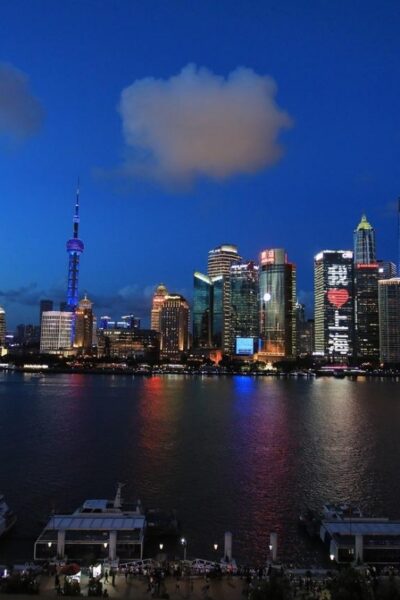
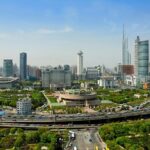
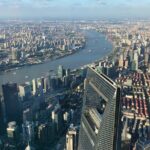
The tour starts with a Shanghai Tower observation-deck chance. From there, the metropolis does what it always does well: it turns buildings into a layered panorama, especially in Lujiazui where the skyline clusters tight.
The stop is listed as one hour, and the key detail is that admission is not included. So you’ll want to decide early. If you’re paying extra for a view, you’ll get the most out of it by treating this as your “big skyline” moment and then letting the rest of the tour shift from height to culture and food.
The benefit of this optional setup is control. You can take the full spectacle when you want it, or skip the ticket and still keep the day on track for ferry, temple, and tea.
Stop 2: Huangpu River ferry for a familiar skyline feel
Next comes the Huangpu River ferry ride, and this is where the tour turns from “city look” to “city atmosphere.” A commuter-style ferry gives you a more personal view of Shanghai than an observation deck does.
You’ll see skyline cranes and construction signals perched above newer hotels and office buildings. That matters because Shanghai’s story is partly growth, and the ferry perspective shows the contrast in one glance: the present pushing upward while the city still keeps its older rhythms.
The ferry ticket is included, and the time on the water is about 45 minutes. That’s a sweet length: long enough to settle into the view, short enough that you don’t feel stuck on transport.
Practical tip: bring yourself a calm mindset for this leg. It’s not a high-speed thrill ride; it’s a slow-moving postcard with real life around you.
Stop 3: Xiahai Temple, where Mazu is part of the story
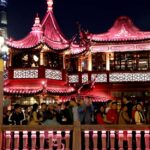
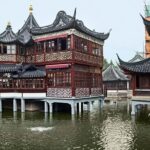
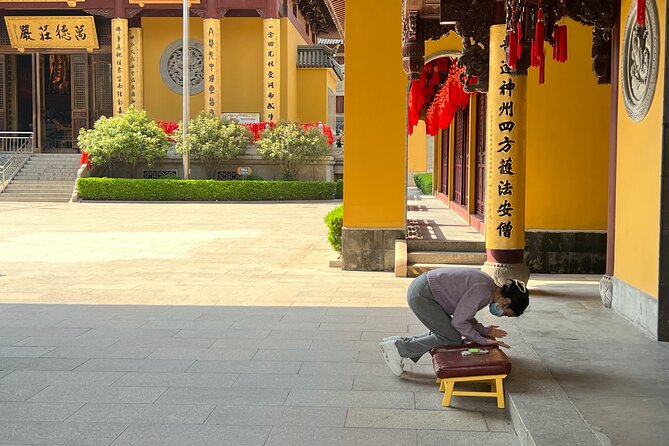
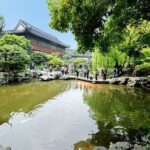
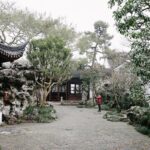
Then the tour moves to Xiahai Temple, also known as the Temple of the Sea. Here, the focus shifts from skyline engineering to tradition and belief.
You’ll spend about 35 minutes, and entry is included. The temple connects to Mazu, the Chinese sea goddess believed to protect fishermen and sailors. Even if you’re not deeply religious, the architecture and the symbolism give the visit weight.
This stop works because it creates contrast. After the ferry view of a modern city in motion, the temple feels like a pause button. It’s one of those moments where your brain stops scanning for photos and starts noticing textures.
Possible drawback: temple time can involve walking on site paths and moving through crowded areas depending on the day. The good news is the stop is short, so you’re not committing to hours of indoor/exterior moving.


Stop 4: Raffles City Mall and City Mart snacks in a preserved setting
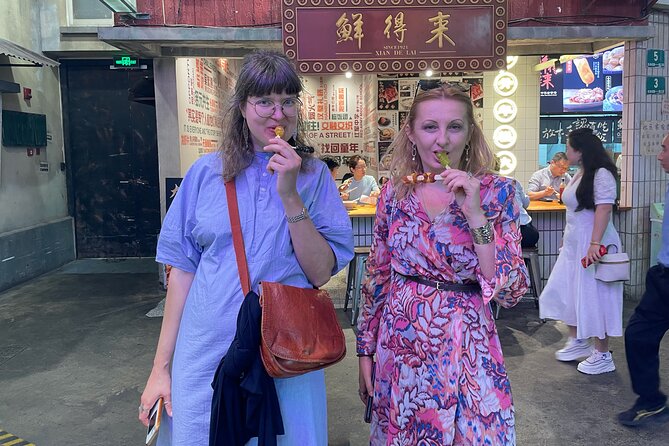
After temple calm, you’ll head to Raffles City Mall area for a neighborhood food experience tied to City Mart. The tour frames this as heritage protection, meaning remaining historic homes and shops are kept as part of the city’s story rather than erased.
Within that setting, you’ll taste signature snacks at City Mart. Expect this to feel more like a Shanghai neighborhood food moment than a formal restaurant stop. That’s also where the “late 20th century Shanghai neighborhood life” angle comes in, since the experience is meant to connect you with how people actually ate and socialized.
The time here is about 45 minutes. That gives you enough space to try a few bites without rushing your chewing time, which is what you want on a food stop during an active walking-and-riding day.
One consideration: since food is part of the flow, go easy on your breakfast or earlier snacks. The tour info advises you not to eat excessively before starting, and that makes sense when you’re also doing tea and bites later.
Stop 5: North Bund tea time and local etiquette you can actually use
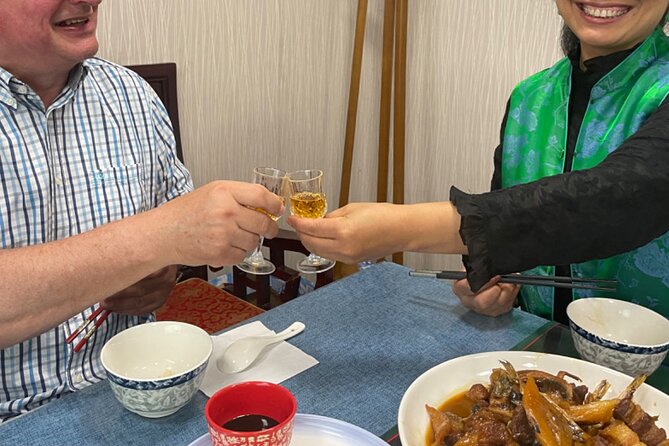
The day’s mood shifts again at North Bund, where tea isn’t just a drink, it’s a social system. Tea consumption is described as supporting things like immune system, metabolism, and digestive health in traditional practice, but the bigger takeaway for you is the etiquette lesson.
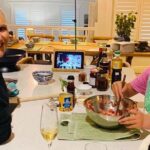
You’ll spend about 35 minutes in this tea segment, and the experience includes admission for this stop. You’ll also get a cup of tea as part of the ethnic tea ceremony, described as happening in friendship with locals. The point is to get up close to the etiquette and customs of ethnic tea culture, which is where the experience feels different from a typical tea shop visit.
If you’re the type who likes learning how people behave in daily settings, this is a highlight. It gives you something to take home beyond photos: small social cues, timing, and how tea gets offered and received.
Practical tip: tea can be a warming comfort in cool weather and a gentle break in heat. Either way, it’s a nice reset after the last transport leg.
Stop 6: Hongkou café pause near iconic landmarks
The tour ends with a short Hongkou café stop for about 20 minutes. This is one of the best “breather” moments in a packed schedule because it doesn’t demand a long commitment.
The concept here is simple: you’ll get a reason to step off the most obvious routes and see the city from a calmer, more human angle. The café setting near iconic landmarks offers a view you can feel rather than just photograph.
It’s free entry for this stop. That matters because it keeps your spending predictable and helps you focus on the experience instead of ticket arithmetic.
If you want a tour that finishes with a softer landing instead of an abrupt sprint to the next thing, this café stop does the job.
Cycling with shared urban bikes: comfort, timing, and heat
Cycling is a core part of this experience, and the bikes are urban shared bikes. That’s great for keeping the route moving, especially between skyline areas and river access points, but it also means you should think about your own comfort level.
The info specifically says to choose thoughtfully if you have any concerns. So if you’re worried about balance, traffic flow, or getting the bike handle right, consider whether this format matches your comfort.
Timing also matters. The guide won’t wait more than 10 minutes after the scheduled start. That’s not about being strict; it’s about keeping the bike/ferry rhythm working for everyone.
Also, the tour notes that it works best with good weather and may be altered due to poor weather or location inaccessibility. That’s another reason to plan around the day’s forecast if you can.
On hot days, the value of this itinerary is that it alternates modes. You’re not just stuck biking continuously. Walking breaks and short transit legs can help you pace yourself without feeling like you’re melting in the seat.
Who this tour suits best (and who should think twice)
This fits best if you want a “real Shanghai mix” in a short time: skyline viewpoints, water travel, temple culture, neighborhood snacks, and tea etiquette. It’s also ideal if you like learning from a guide in English and having a plan that keeps moving.
It may be less ideal if you strongly prefer only one type of sightseeing. This tour gives you modern views and traditional stops in the same block of time, plus bikes and transport. If you want only museums, or only walking, you might feel split.
Also consider the optional Shanghai Tower ticket. If you don’t care about the observation deck, you can save money by skipping it. If you do care, budget the CN¥180 and decide based on what photo memories you want most.
Finally, the tour is set for most participants, but it requires good weather. If your trip is tied to rainy forecasts, it’s worth keeping flexibility.
Should you book this 4-hour Shanghai tour?
Yes, you should book it if you want maximum variety without overthinking the schedule. You’ll get a strong Shanghai sampler: Lujiazui skyline, a meaningful Huangpu River ferry moment, Xiahai Temple calm, snack time at City Mart, and a tea ceremony that teaches etiquette rather than just serving tea.
You might skip or modify your expectations if you don’t want cycling or if you’re budget-sensitive about optional attractions, especially the Shanghai Tower admission. Still, even with the optional part handled, the rest of the tour covers enough ground that you’ll likely feel you used your time well.
If you’re traveling as a group and want your own guide attention, the private format is a big plus. Just arrive on time, and plan to eat lightly before you start so the food and tea fit comfortably into the day.
FAQ
How long is the Shanghai tour?
The tour is about 4 hours.
Where does the tour start and where does it end?
It starts at Lujiazui Metro Station (陆家嘴地铁站, Pudong) and ends in Hongkou near North Bund (邮政编码 200086).
Is admission to Shanghai Tower included?
No. The Shanghai Tower stop is optional, and the admission fee for the observation deck is CN¥180 per person. The ticket is not included.
Which stops include admission tickets?
Xiahai Temple includes an entry ticket. The Huangpu River ferry includes a ticket. Other listed stops include admissions as noted for each segment (for example, North Bund tea time includes admission), but only Shanghai Tower is explicitly marked as not included.
What food and drinks are included?
You’ll have bites & sips during the tea experience, plus one bottled water per person.
What is included in the tea ceremony?
The tour includes an ethnic tea ceremony where you’ll have tea with locals and learn about etiquette and customs related to ethnic tea culture.
Do I ride a bike and take a ferry?
Yes. The tour includes bike transport using urban shared bikes and includes a ferry ride across the Huangpu River.
Is this tour private?
Yes. It’s a private tour/activity, so only your group participates.
What if the weather is bad?
The tour requires good weather. If it’s canceled due to poor weather, you’ll be offered a different date or a full refund.
Can children or service animals join?
Service animals are allowed. For participants under 16, a parent or guardian must accompany them.