REVIEW · KUNMING
8-Day Private Yunnan Tour to Kunming, Dali, Lijiang and Shangri-La
Book on Viator →Operated by Travel China Guide · Bookable on Viator
Karst rocks set the tone for Yunnan. This private 8-day route strings together Kunming, Dali, Lijiang, and Shangri-La with old towns, wet markets, and Tibetan Buddhist stops—so you get variety without constantly re-planning.
I especially like the pace: you move by private, air-conditioned transport where it makes sense, then use a high-speed train for the big jump from Kunming to Dali.
One thing to keep in mind: Shangri-La sits at high altitude, so plan for cool weather and a slower day once you’re up around Potatso’s elevations.
In This Review
- Key highlights at a glance
- Kunming arrival: airport pickup, Golden Temple, and Green Lake Park
- Zhuanxin wet market and Stone Forest: sensory local life plus karst rock magic
- Dali by high-speed train: Ancient City, Three Pagodas, and Erhai lake walks
- Xizhou Bai traditional houses to Lijiang Old Town nights
- Baisha murals, Dr. Joseph Rock’s former residence, Jade Spring Park, and Dongba culture
- Lijiang to Shangri-La: Yangtze bend, Stone Drum Town, and Tiger Leaping Gorge transfer
- Songzanlin Temple and Potatso National Park: Tibetan rituals and Shudu Lake altitude
- What the $1,529 price gets you in real terms
- Who this tour suits best (and who should adjust expectations)
- Should you book this 8-day Yunnan private tour?
- FAQ
- What cities are covered in this 8-day private Yunnan tour?
- When does the tour start and when will I be picked up?
- Is this tour private, or will I share it with strangers?
- What is included in the price?
- What is not included?
- Do I get entrance tickets for the attractions?
- How does the Kunming to Dali transfer work?
- Is bottled water provided?
- What is the refund policy if I cancel?
Key highlights at a glance
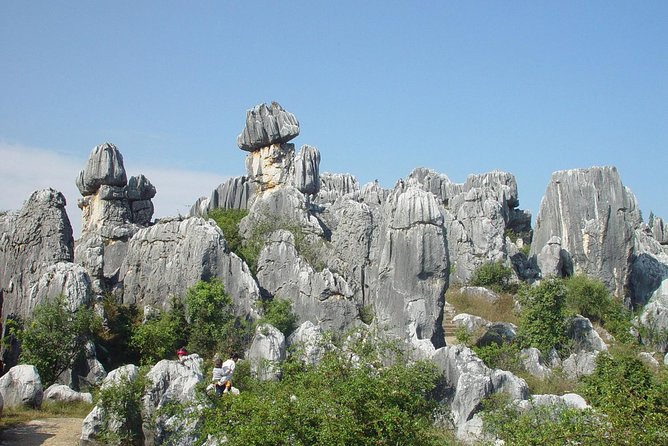
- Stone Forest in Kunming: Karst rock formations shaped like animals and plants, with admission included
- Dali’s Three Pagodas facing Erhai Lake: a photo-friendly combo of temple architecture and lakeside walking
- Xizhou Bai houses and tie-dye at Zhoucheng Village: hands-on culture stops beyond the main streets
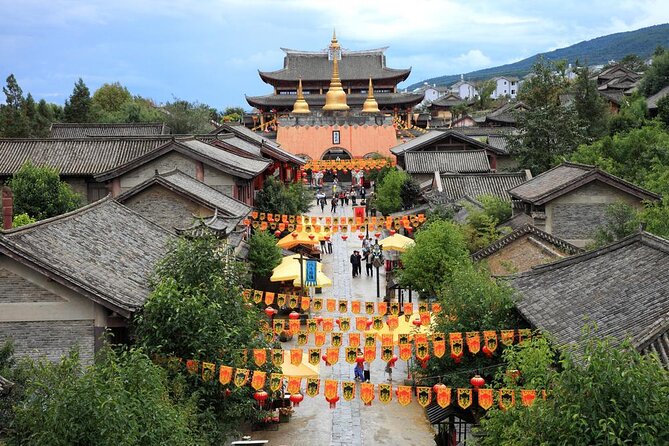
- Lijiang Old Town at night: bluestone lanes and red lantern evenings
- Songzanlin Temple and Potatso National Park: Tibetan religious sights plus Shudu Lake at over 3,700 meters
Kunming arrival: airport pickup, Golden Temple, and Green Lake Park
Your trip starts the moment you land at Kunming Changshui International Airport. A guide meets you in the arrival hall and escorts you to a downtown hotel for check-in, so you’re not stuck figuring out transport after travel.
Kunming’s first big “wow” stop is the Golden Temple, a Taoist site on Mingfeng Hill. It’s about 400 years old and known for bronze structures that catch the light—plus the temple sits in a scenic setting, so the walk up is part of the experience. Admission is included here, which matters because it removes one more small decision from your first day.
Then you finish with an easy local break at Green Lake Park (West Gate). This is a low-pressure way to get your bearings: stroll a bit, watch daily life, and enjoy the lake area’s calm rhythm. Admission is free, which is nice when you want one day that doesn’t feel like a checklist.
You can also read our reviews of more tours and experiences in Kunming.
Zhuanxin wet market and Stone Forest: sensory local life plus karst rock magic

The morning starts at Zhuanxin Wet Market, described as Kunming’s largest marketplace. This is the kind of place where you can understand daily life fast—people coming in to buy produce, meats, and staples, day after day. It’s free to enter, so you can take your time without worrying about adding costs.
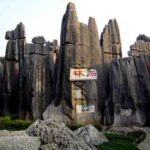
After that comes the famous Stone Forest Scenic Area, built around classic karst landforms. You’re looking at rock shapes that suggest animals and plants, and the terrain creates natural “frames” for photos from different angles. Admission is included, and the time you get (about two hours) is long enough to wander without turning the day into a marathon.
Practical note: Stone Forest is best when you’re ready to walk at a steady pace. If you’re the type who likes to stop often for photos, this stop is a good fit because you won’t feel rushed to check a box and leave.
Dali by high-speed train: Ancient City, Three Pagodas, and Erhai lake walks
From Kunming, the trip uses a high-speed train to get you to Dali quickly (around two hours), then your Dali-based team handles the pickup and hotel escort on arrival. This is a smart way to protect your energy in a tour like this, where you’re packing in major regions.
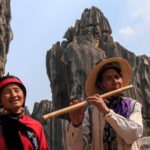
In Dali, you begin with Dali Ancient City, a place tied to the Ming Dynasty dating back to 1382. The appeal here is less about monuments and more about street life: markets, everyday commerce, and people moving around in traditional-style clothing. Admission is included, and the stop gives you enough time to soak in the mood without feeling trapped in a single photo spot.
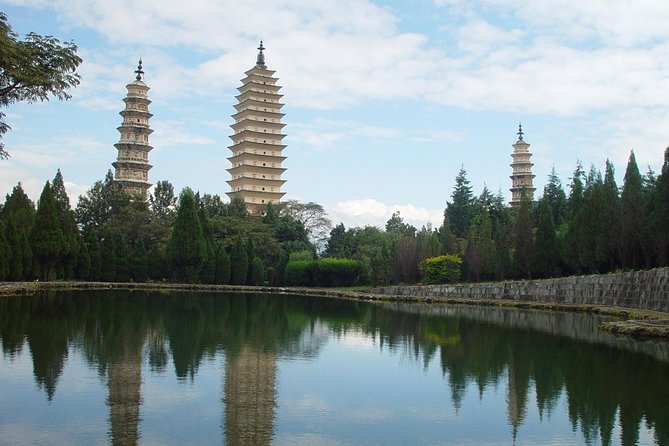
Next are the Chongsheng Three Pagodas, set in Chongsheng Temple and facing Erhai Lake. These pagodas are around 1,800 years old, and the view of temple architecture against the lake gives you a strong sense of why Dali became a crossroads for culture and religion. Admission is included, and the pacing (about 1.5 hours) keeps it from dragging.
You then shift into lighter mode with a walk along Erhai Lake’s ecological corridor. If you want to add movement, the guide can help arrange bicycle rental at your own cost and point you toward a good route. Admission is free here, so you can decide how active you want to be.
One more practical thought: Erhai’s lakeside walking tends to feel better when you treat it like a stroll, not a workout. You’re here to enjoy the views and reset between busy sightseeing days.
Xizhou Bai traditional houses to Lijiang Old Town nights
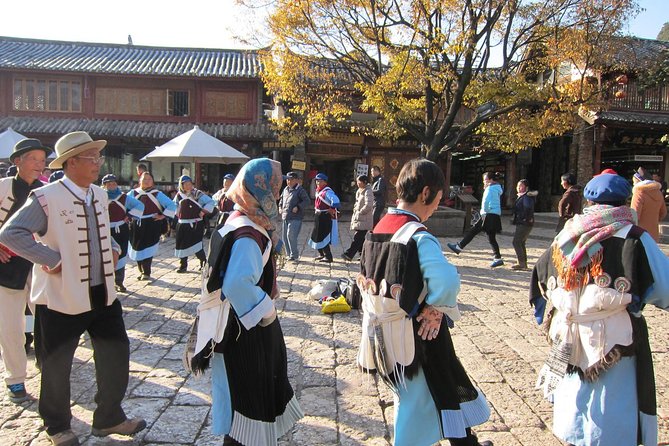
Day four is one of the most rewarding “culture stop” combinations on the whole trip. You leave Dali for about a three-hour drive toward Lijiang, but you don’t just sit in the car until arrival.
First is Ancient Architecture of Bai Nationality in Xizhou. You’ll see traditional Bai houses with distinctive layouts, built with wood and stone carvings and painted details on lime-powdered walls. Xizhou is positioned as a strong place to see well-preserved examples, and admission is included for this stop.
Then you go to Zhoucheng Village for hand-made tie-dyeing in a local home. This is a small-scale, hands-on style stop that feels more personal than a shop. Admission is included, and the hour you get is usually enough to watch, ask questions, and pick up something thoughtful if you want a souvenir that’s tied to a process.
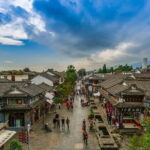
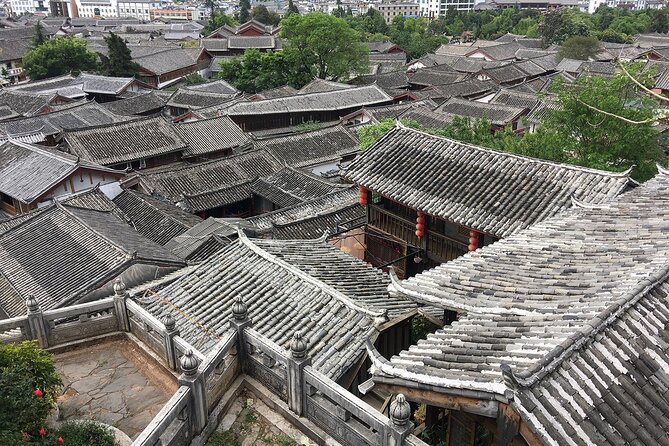
In the afternoon, you arrive in Lijiang and check in inside the Old Town area. After a short rest, you head to Square Street in Lijiang Old Town, with bluestone paving and lots of small bars and restaurants. The big moment is evening: red lanterns light up and the lane energy changes—lively, but still walkable.
Admission is included for the Old Town stop in this day plan, so you can focus on wandering rather than tracking tickets.
Baisha murals, Dr. Joseph Rock’s former residence, Jade Spring Park, and Dongba culture
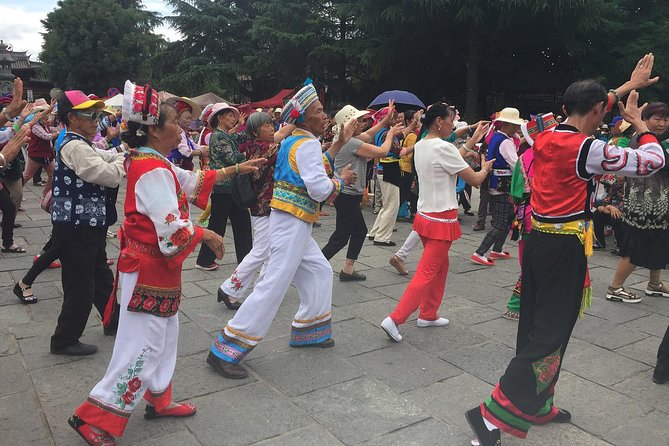
Day five leans into Naxi culture and the art you can actually see up close. You start in Baisha Village, where you visit a local Naxi family first. That’s where you learn about daily habits and customs in a way that doesn’t require a long lecture.
Then you see the Baisha Murals, which blend Han, Tibet, and Naxi influences. The effect is like reading daily life through art—how people lived, worked, and believed. Admission is free for the mural portion as listed, which is a great “value” detail: you’re getting cultural content without added ticket costs.
Next you head to Yuhu Village for the Former Residence of Dr. Joseph Rock, located at the foot of Jade Dragon Snow Mountain. This gives you a different angle on the area: not just local culture, but also how outside scholarship intersected with regional life.
Then you step into nature and monuments at Black Dragon Pool Park, also called Jade Spring Park. Admission is included, and the park is described as large, with scenic views and ancient monuments.
You finish with the Dongba Cultural Museum, focused on Dongba culture preserved by the Naxi people. If you want a structured way to understand what you saw around Baisha and Lijiang, this museum works well. Admission is included, and the timing (about 1.5 hours) keeps you from feeling like you’re stuck indoors all day.
Lijiang to Shangri-La: Yangtze bend, Stone Drum Town, and Tiger Leaping Gorge transfer
On day six, you move from Lijiang to Shangri-La (Zhongdian), and the route includes several photo-worthy stops without making the day feel only like transit.
Along the way you visit the First Bend of the Yangtze River and Stone Drum Town. These are included stops, and they break up the drive so you’re not arriving tired with only a blur of scenery. Admission is free for those listed segments, which again helps keep the day simple on costs.
A key operational detail: your Lijiang guide says goodbye, then the driver escorts you to Tiger Leaping Gorge, where a Shangri-La guide greets you. That guide handoff is useful because it reduces confusion when you change regions and start thinking in a different cultural pace.
You end the day checking into your Shangri-La hotel. This is also where altitude becomes part of your plan. Even if you don’t feel it immediately, Potatso later is over 3,700 meters, so don’t schedule anything too intense after arrival.
Songzanlin Temple and Potatso National Park: Tibetan rituals and Shudu Lake altitude
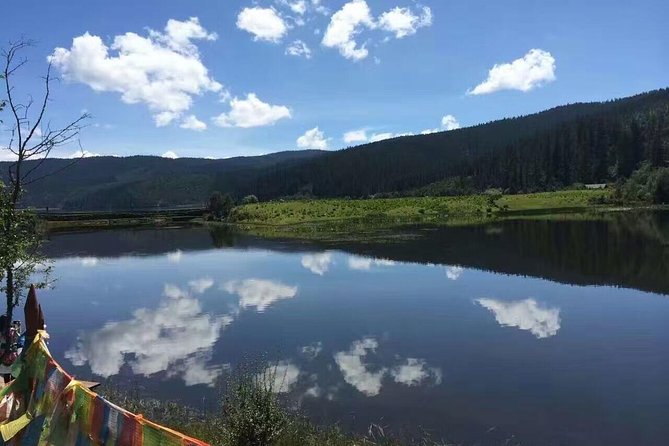
Day seven is your “big religious site plus big nature day” pairing, done in a way that’s organized enough to feel calm.
First is Songzanlin Scenic Area, home to the biggest Tibetan Buddhist temple in Yunnan. It’s described as collecting elite Tibetan religious culture, and the architecture is compared to Potala Palace in Lhasa in layout and look. Admission is included, and the stop lasts about two hours—enough time to understand the site and take in details without feeling rushed.
Then you head to Potatso National Park, where you focus on Shudu Lake. Shudu Lake is identified as one of the largest plateau lakes in Shangri-La, at an altitude of over 3,700 meters (12,140 feet), and it’s described as the most beautiful part of Potatso. Admission is included, and the time here is about three hours.
This is the day where you should treat the pace like a gentle climb. Even if you feel okay, you’ll likely catch yourself walking slower and breathing a bit more carefully.
You also visit a local Tibetan family to see daily lifestyle. Admission is included for this portion, and it adds a human connection that makes the nature day feel less like scenery-only sightseeing.
What the $1,529 price gets you in real terms
At $1,529 per person for roughly eight days, the value comes from what’s bundled in rather than just the headline cost.
What you do get included:
- Twin-sharing accommodation based on the itinerary
- Two bottled waters per person, per day
- Private air-conditioned vehicle transport (within the route)
- A professional private tour guide
- Entrance fees to the tourist sites listed
- Breakfast for 7 days
Also included as a practical convenience: a mobile ticket, plus pickup is offered.
What’s not included:
- China visa fee
- International airfare
- Peak season surcharge for public holidays, July, August, and similar busy periods
One subtle but important value factor: because entrance tickets are included, you’re less likely to lose time arguing at ticket counters or hunting for exact hours. The trip’s structure is designed to keep your sightseeing flow moving.
Who this tour suits best (and who should adjust expectations)
This tour fits you best if you want a private, structured route across four major Yunnan regions and you like cultural stops mixed with scenery breaks. It’s especially good if you travel with family or a small group and prefer a guide who can explain what you’re seeing and where to spend time.
It’s also a strong match if you like the blend of styles: Taoist Golden Temple in Kunming, Bai and Naxi cultural stops around Dali and Lijiang, then Tibetan Buddhist focus in Shangri-La. You’re not stuck in one type of attraction.
If you’re expecting maximum free time in each destination, you might want to plan for a bit less wandering than an all-day independent trip. The day structure is tight by design, and walking is part of almost every stop—so comfortable shoes really matter.
Should you book this 8-day Yunnan private tour?
I’d book it if you want an efficient way to cover Kunming, Dali, Lijiang, and Shangri-La with included entrance fees, private guiding, and a route that doesn’t waste hours on logistics. It’s a good choice for people who want culture plus major sights—without spending vacation time managing tickets and transport.
I might skip or customize it if you’re highly altitude-sensitive or you’re the kind of person who wants long, unstructured days in one place. In that case, you’d probably be happier slowing down and choosing fewer regions.
If you do book, bring warm layers for Shangri-La days, go at a comfortable pace at over-3,700-meter Potatso, and keep your schedule flexible for weather.
FAQ
What cities are covered in this 8-day private Yunnan tour?
It covers Kunming, Dali, Lijiang, and Shangri-La (Zhongdian).
When does the tour start and when will I be picked up?
The start time is 9:00 am. On arrival in Kunming, your guide meets you in the arrival hall and escorts you to your downtown hotel.
Is this tour private, or will I share it with strangers?
This is a private tour/activity and only your group participates. A minimum of 2 people per booking is required.
What is included in the price?
Included items are twin-sharing accommodation, two bottled waters per person per day, private air-conditioned vehicle transport, a professional private tour guide, entrance fees to the listed sites, and breakfast for 7 days.
What is not included?
Not included are the China visa fee, international airfares, and any peak season surcharge (public holidays, July & August, etc.).
Do I get entrance tickets for the attractions?
Yes. Entrance fees to tourist sites are included across the tour’s listed stops.
How does the Kunming to Dali transfer work?
You’ll be transferred to the railway station and then take a high-speed train to Dali, which takes around 2 hours. Your Dali guide picks you up on arrival.
Is bottled water provided?
Yes. You get two bottled waters per person per day.
What is the refund policy if I cancel?
The experience is non-refundable and cannot be changed for any reason. If you cancel or amend, the amount you paid is not refunded.