REVIEW · BEIJING
Beijing: Top Michelin Vegetarian Restaurant Reservation
Book on GetYourGuide →Operated by PANDA HAPPY JOURNEY IN CHINA · Bookable on GetYourGuide
Your Beijing dinner has a healthier heartbeat. You’re booking a timed meal at Jing Zhaoyin, a top Michelin-star vegetarian restaurant steps from major sights like Tiananmen Square and the Forbidden City.
I love the clear cooking style: dishes made to be low in oil, fat, sugar, and salt, but still full of flavor. I also like the ingredient focus on mushrooms, soy products, vegetables, and whole grains, built around sustainable, health-first choices.
One thing to consider: the menu philosophy leans light and plant-forward. If you come craving rich, meat-heavy comfort food, the experience may feel more subtle than you expect.
In This Review
- Key highlights at Jing Zhaoyin (Beijing)
- Jing Zhaoyin, right by Beijing’s big icons
- Why this Michelin vegetarian restaurant feels different
- Chef Gary’s approach: sustainability, nutrition, and craft
- What you’ll actually eat: mushrooms, soy, vegetables, whole grains
- Low-oil cooking that still feels satisfying
- The restaurant philosophy: wild, organic, and green natural foods
- How the 2-hour reservation experience works in real life
- Location advantages near Tiananmen Square and the Forbidden City
- Price and value: reservation cost versus your meal budget
- Who this reservation suits best (and who should skip)
- What about service quality and the vibe?
- Should you book this Michelin vegetarian reservation?
- FAQ
- How long is the Jing Zhaoyin reservation experience?
- What is included in the reservation service?
- Where is the restaurant located in Beijing?
- What should I budget for dining at Jing Zhaoyin?
- Is the restaurant wheelchair accessible?
- Are there any rules about smoking?
- Booking quick-check
Key highlights at Jing Zhaoyin (Beijing)
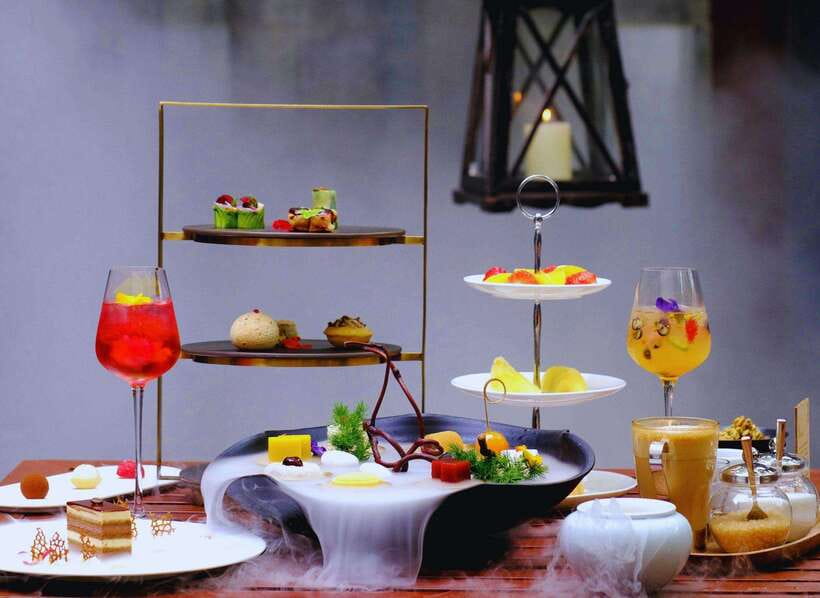
- Michelin pedigree with a Green Star streak: Three Stars plus a sustained Michelin Green Star win for four consecutive years
- Low-oil, low-salt cooking focused on fiber and natural ingredients
- Chef Gary’s plant-based science meets Beijing roots
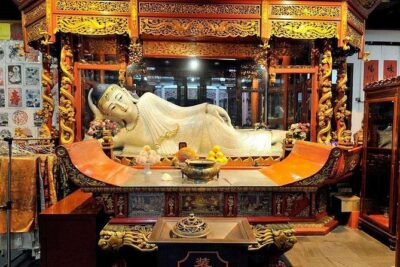
- Central Beijing location near Tiananmen Square, the Forbidden City, and Yonghe Temple
- Small group feel (up to 10 people) that keeps things calm and controlled
Jing Zhaoyin, right by Beijing’s big icons
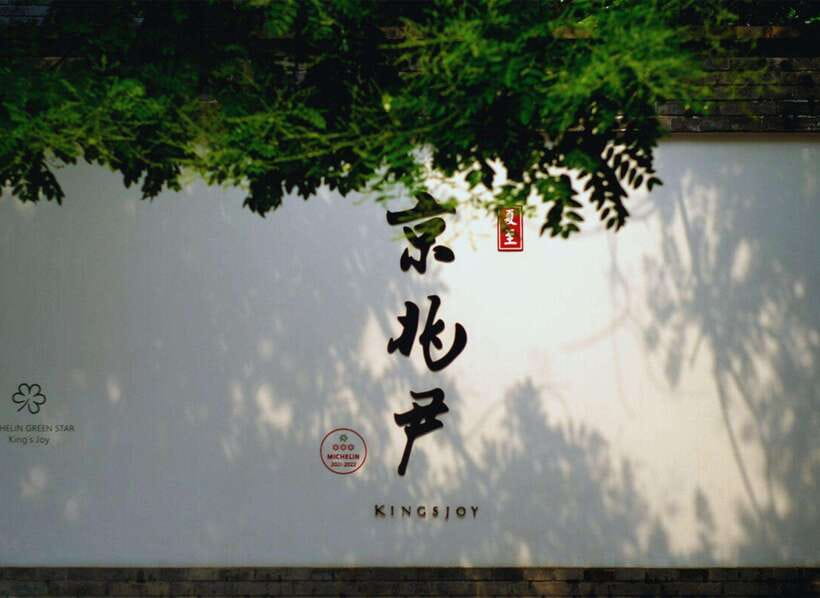
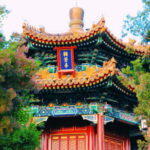
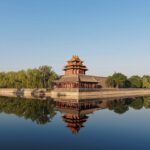
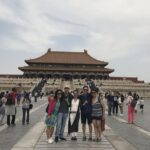
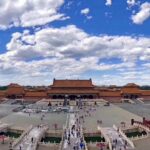
Jing Zhaoyin is the kind of place you book when you want Beijing without the usual noise and logistics headaches. It’s very close to Tiananmen Square, the Forbidden City, and Yonghe Temple, so you’re not hopping across town.
This matters because it turns a single meal into an easy, low-stress plan. You can fit it into a day already built around landmark sightseeing, and still have time to breathe after.
You can also read our reviews of more tours and experiences in Beijing.


Why this Michelin vegetarian restaurant feels different
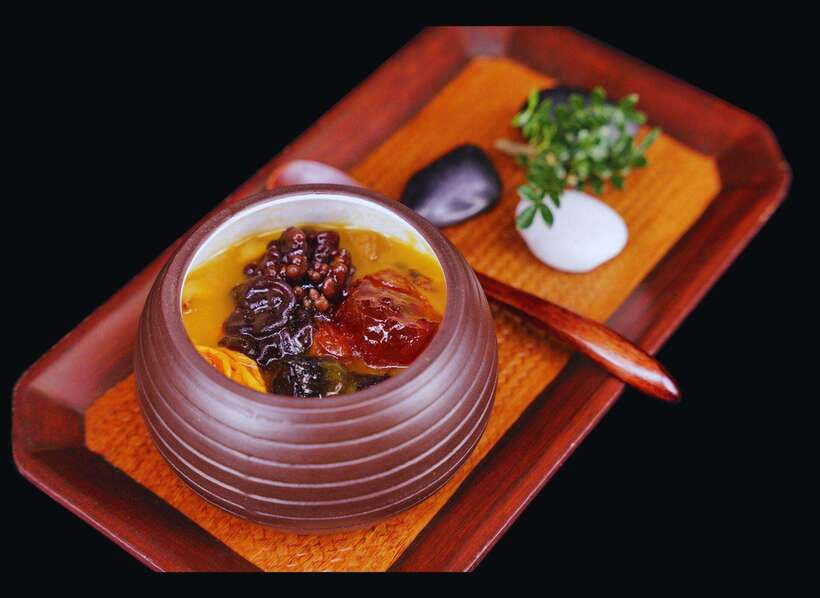
This restaurant isn’t just “vegetarian-friendly.” It’s a serious restaurant with serious recognition. In the 2024 Beijing Michelin Guide (released October 12, 2023), Jing Zhaoyin was awarded Michelin Three Stars, and it kept its Michelin Green Star status for a fourth straight year. That combination is rare: top-level cooking plus an explicit sustainability and health angle.
It has also been featured in a Harvard Business Review case study. That’s a hint that the restaurant’s approach isn’t random. It’s a system: how they choose ingredients, how they cook, and how they present plant-based food as something that deserves attention, not just a substitute.
Chef Gary’s approach: sustainability, nutrition, and craft
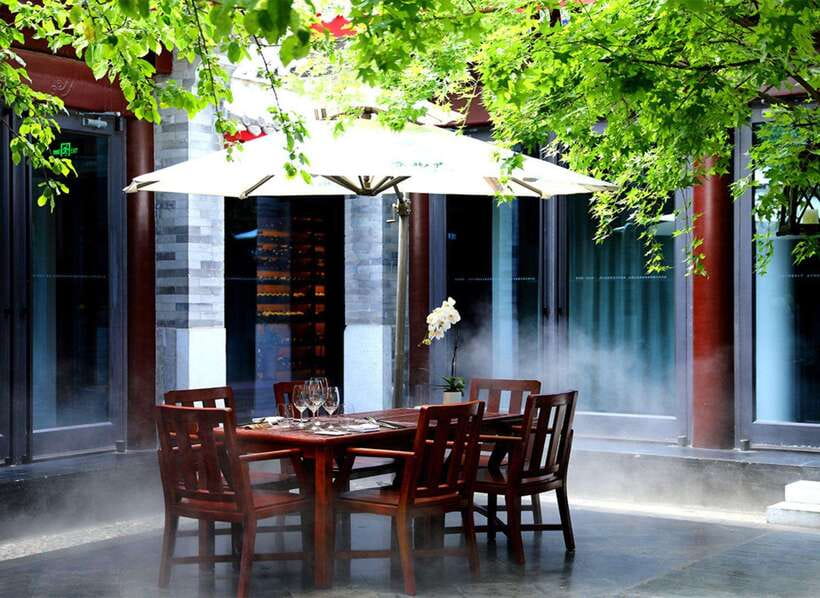
The head chef, Gary, is tied to Beijing through his family roots, and his cooking is shaped by that same influence. He’s also trained in business and food-adjacent science, including a bachelor’s degree from the Rotman School of Management (University of Toronto), an MBA from Glion Institute of Higher Education (Switzerland), and credentials like WSET Level 2 certification and nutritional science background from Cornell University (Department of Plant Sciences).
For you, that matters because the food isn’t only about being healthy. It’s about being intentional. When a chef understands ingredients, nutrition, and how to build consistency at scale, the dishes can stay precise even when they’re plant-based and complex.
What you’ll actually eat: mushrooms, soy, vegetables, whole grains
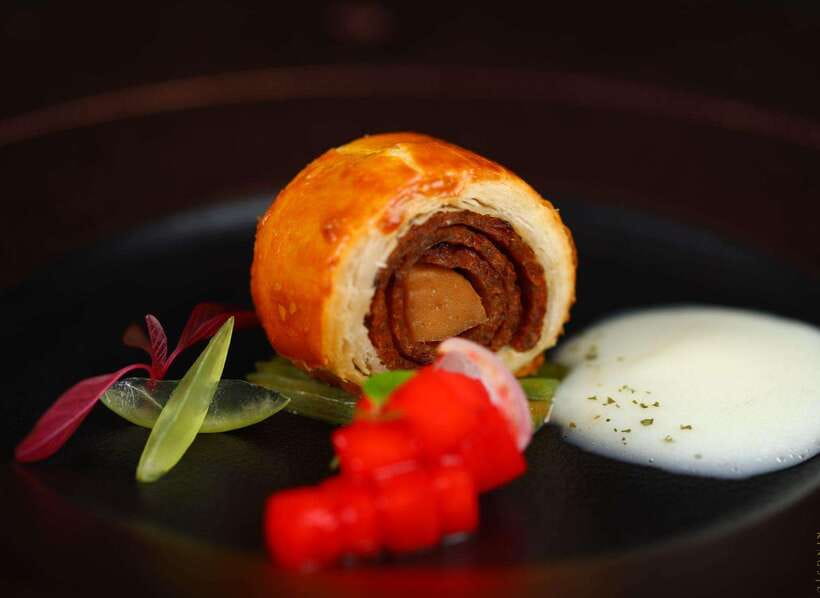
Jing Zhaoyin’s menu centers on plant ingredients you can recognize, but not always in the same way you’d see elsewhere. Expect a mix that highlights:
- Mushrooms (a core ingredient here)
- Soy products (for texture and depth)
- Vegetables
- Whole grains
This is more than a basic vegetarian checklist. The restaurant’s philosophy is built around “Joy, Harmony, and Slow Food with Precious Vegetables,” with an emphasis on original, pure, healthy dishes. The key idea is that “plant-based” shouldn’t mean “simpler.” It means the flavor has to be engineered differently.
If you like food that changes your expectations—where mushrooms taste deep, soy tastes rounded, and vegetables feel like the main character—this is the right direction.
Low-oil cooking that still feels satisfying
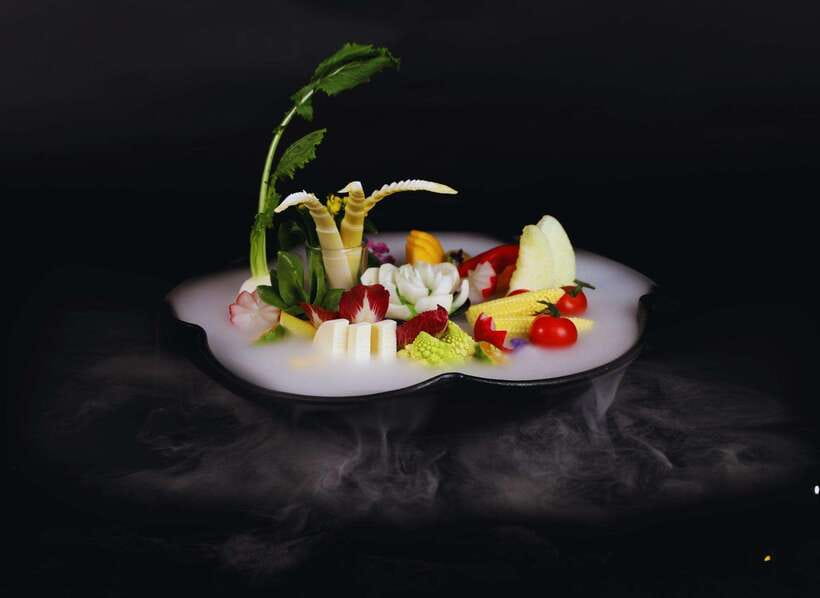
One of the most useful parts of this experience is the restaurant’s method: cooking that’s low in oil, fat, sugar, and salt, with a higher focus on fiber, and no artificial additives.
That sounds like a health slogan until you connect it to real dining. Less oil can mean fewer heavy mouth-coating flavors, so the chef has to rely more on natural ingredient character, balance, and technique. In practice, you’re likely to notice food that tastes clean and structured instead of greasy or overly seasoned.
Here’s the practical takeaway: if you want a dinner that won’t leave you sluggish, weighed down, or craving a second round of snacks, this style helps. It’s also a good choice if you’re trying to eat lighter while staying in Beijing’s busy rhythm.



The restaurant philosophy: wild, organic, and green natural foods
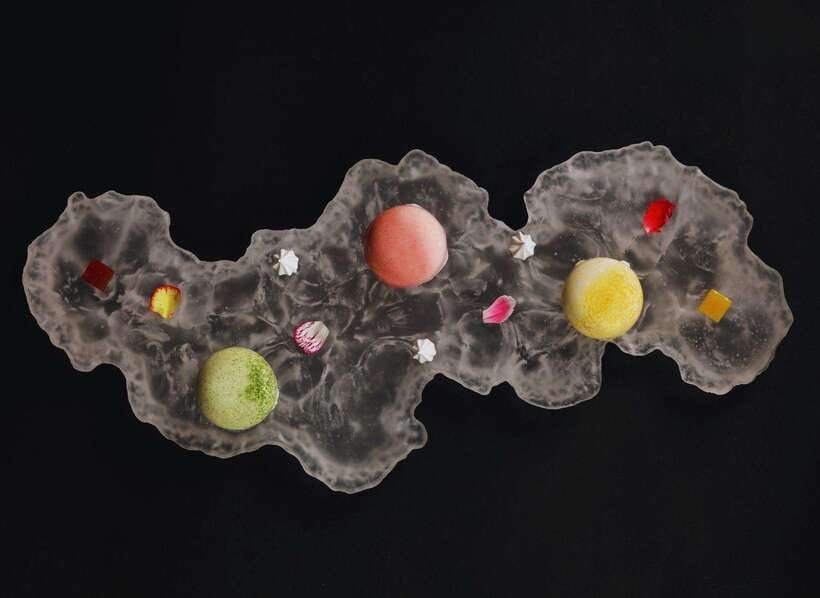
Jing Zhaoyin carefully selects plant-based ingredients, with priorities like wild, organic, and green natural foods. The restaurant frames its cuisine around nature and authenticity, and it uses cooking practices aimed at natural, healthy results.
So the experience is partly about the meal, and partly about the logic behind it. You’re not just ordering dishes; you’re participating in a philosophy that treats vegetables and grains as something worth careful attention.
How the 2-hour reservation experience works in real life
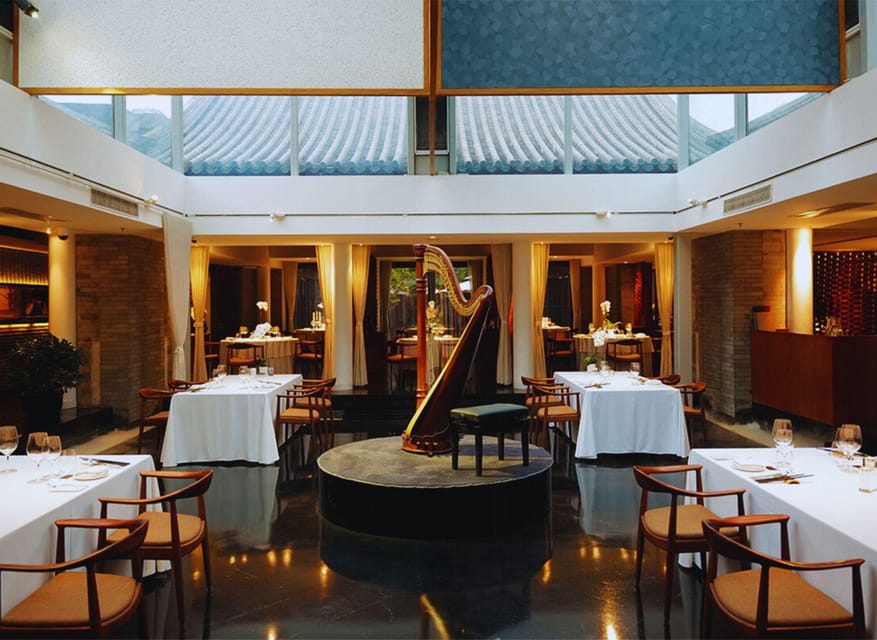
Your booking is for a timed visit—lunch, dinner, or afternoon tea—within a 2-hour window. The point of the reservation service is simple: you arrive at the reserved time and avoid the usual waiting. For a popular restaurant near major sights, that alone is a big win.
Because it’s a small group (limited to 10 participants), the vibe tends to feel managed rather than chaotic. You can focus on your meal instead of coordinating with a large crowd.
A smart move: plan your day so you arrive a little early. With the restaurant’s central location, you can do quick sightseeing first, then slide into dinner without rushing.
Location advantages near Tiananmen Square and the Forbidden City
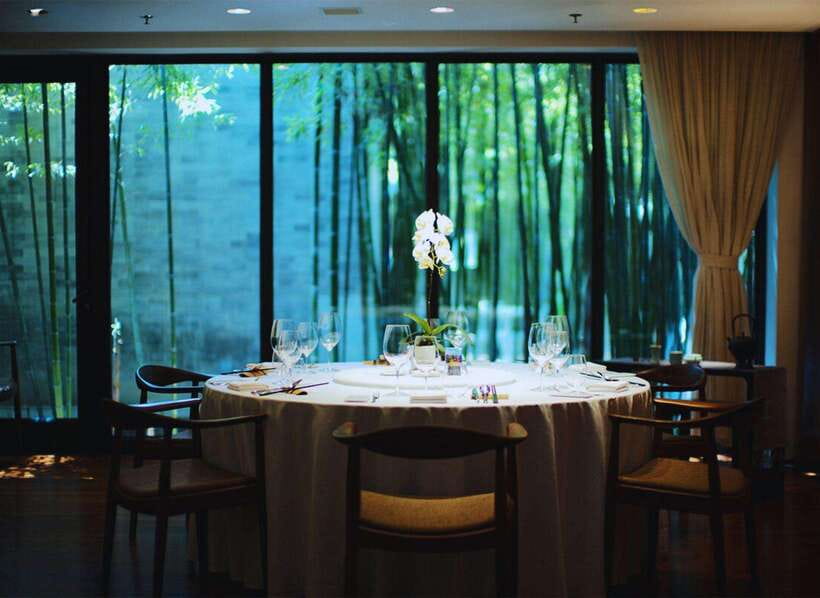
This restaurant sits in a part of Beijing where “nearby” really means nearby. Tiananmen Square, the Forbidden City, and Yonghe Temple are all close, so you can turn one day into a tight loop: landmark first, vegetarian Michelin meal next, then keep moving.
Practical tip: because the area gets busy, a reservation meal can act like a reset button. You get a calm indoor pause with serious food, then step back out to the streets when you’re ready.
Price and value: reservation cost versus your meal budget
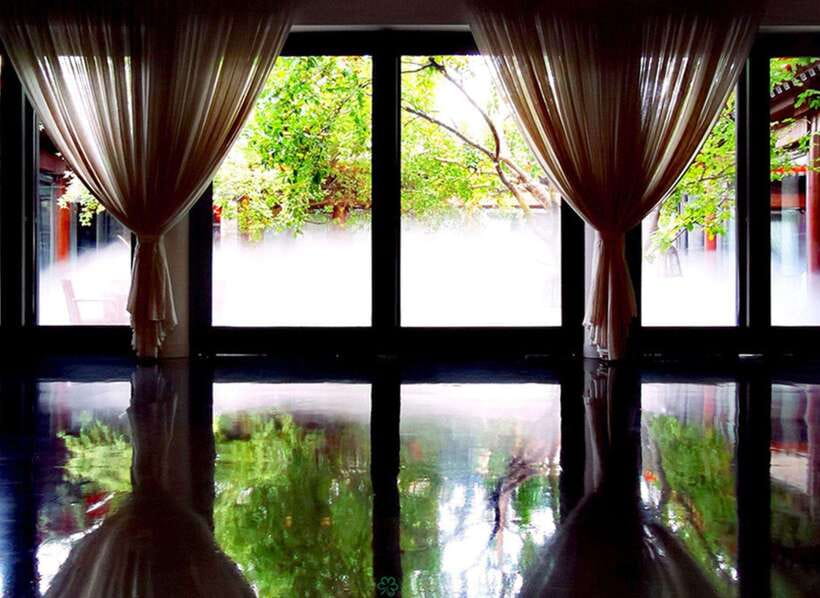
The activity price is listed as $7 per person, but there’s also an average spending figure of around 1200 RMB per person for the meal. That difference is important. In other words, you’re paying for the reservation service, and you should expect your actual dining spend to be on the higher side.
Is it worth it? For me, the value case depends on what you want most from your Beijing trip:
- If you’re chasing a high-end Michelin dining experience with a strong health and sustainability angle, the meal budget fits the category.
- If you want a cheap vegetarian meal, this is not the place. This is a premium approach to plant-based cooking.
What you’re buying here is access and time savings, plus the chance to eat at a restaurant with Michelin-level standards and a documented commitment to sustainability. If that matches your travel style, the reservation fee is small compared to the overall dining experience.
Who this reservation suits best (and who should skip)
This is a great fit if you:
- want a vegetarian meal with Michelin-level credibility
- care about cooking that’s lower in oil, fat, sugar, and salt
- like ingredient-driven cuisine, especially mushrooms, soy, vegetables, and whole grains
- want a meal that works well near Tiananmen Square and the Forbidden City
It may be less ideal if you:
- only want classic meat-focused Chinese dishes
- expect a fast, casual dinner with simple flavors
- want a budget meal rather than a premium dining experience
What about service quality and the vibe?
From the overall reputation and the consistent praise you’ll hear about the place, the service is part of the story. People talk about the experience as a polished “wonderful night” type of meal, not a stressful, rushed process.
That’s what you should look for: careful pacing, attentive staff, and food that lands with confidence. When a restaurant has both Michelin Stars and a Green Star profile, it usually means they treat the whole dining experience like a system, not just the kitchen.
Should you book this Michelin vegetarian reservation?
I’d book it if you want a meaningful Beijing meal that’s vegetarian, high-end, and thoughtfully made. The combination of Michelin Three Stars, a sustained Green Star streak, and a chef with both business training and nutritional science credentials is a strong signal that you’ll get more than “healthy food.”
I’d skip it if you’re hunting for the cheapest meal possible or you prefer richer, meat-centric flavors above all. But if you’re open to plant-based cooking that’s designed with precision, this is one of the most satisfying ways to experience Beijing from the inside out—through ingredients, technique, and care.
FAQ
How long is the Jing Zhaoyin reservation experience?
It lasts about 2 hours.
What is included in the reservation service?
You get a reservation service for lunch, dinner, or afternoon tea.
Where is the restaurant located in Beijing?
It’s very close to Tiananmen Square, the Forbidden City, and Yonghe Temple.
What should I budget for dining at Jing Zhaoyin?
The reservation service has a listed price, but average spending at the restaurant is around 1200 RMB per person.
Is the restaurant wheelchair accessible?
Yes, it is wheelchair accessible.
Are there any rules about smoking?
Smoking is not allowed.
Booking quick-check
If you want a high-quality vegetarian Michelin meal with an ingredient-first style and easy access near central landmarks, this reservation is a solid choice. Just make sure your budget matches the likely meal spend, and go in ready for a lighter, vegetable-forward style that aims to be low in oil, fat, sugar, and salt.