REVIEW · SHANGHAI
Afternoon Tea and Dessert Tour on the Huaihai Road in Shanghai
Book on Viator →Operated by Shanghai Foodie · Bookable on Viator
Shanghai treats tea like a sport. This small-group walk ties Huaihai Road snacks to a proper tea ceremony, then finishes with Cantonese cold desserts—about as “Shanghai afternoon” as it gets, without feeling like a museum stop.
I like that you get hands-on tasting built into every phase: comparing mooncakes at two pastry shops, then sampling several tea styles during the ceremony. I also like the pacing—about 3 hours total—so you can walk, sit, taste, and still have energy left for the rest of your day.
One thing to consider: it’s dessert-focused, with multiple sweet tastings and tea, so if you’re not into sugary foods (or prefer savory), you may feel a little full before the final stop.
In This Review
- Key highlights that make this tour worth your time
- Why Huaihai Road makes the perfect tea-and-dessert route
- Mooncakes at two pastry shops: tasting like you know what to ask
- What to watch for
- The tea house ceremony: etiquette you can actually use
- Tea types and what the guide helps you notice
- Etiquette that makes the experience feel respectful
- Practical note
- Cantonese cold desserts: where the afternoon cools down
- How to eat smart at the end
- Price and timing: what you’re really paying for
- Getting the most out of it (without overdoing it)
- Who should book this tour—and who might skip it
- Should you book this afternoon tea and dessert tour on Huaihai Road?
- FAQ
- How long is the afternoon tea and dessert tour?
- What does the tour cost?
- Where do I meet the guide?
- What time does the tour start?
- How many people are in each group?
- What food and drinks are included?
- What teas are sampled during the ceremony?
- Is there hotel pickup or drop-off?
- Is the ticket digital?
- What if I need to cancel?
Key highlights that make this tour worth your time
- Two mooncake tastings so you can compare fillings and learn why they show up around Mid-Autumn Festival
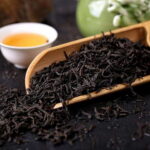
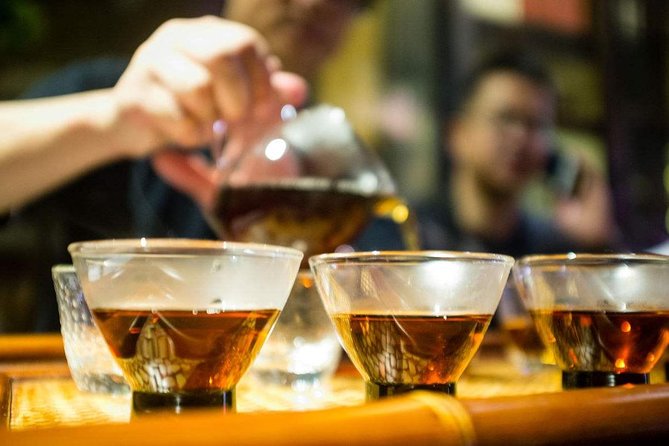
- A guided tea ceremony with specific tea types like pu-erh, ginseng oolong, jasmine, and black tea from Fujian
- Teaware + water temperature lessons (cup size matters, and so does how hot the water is)
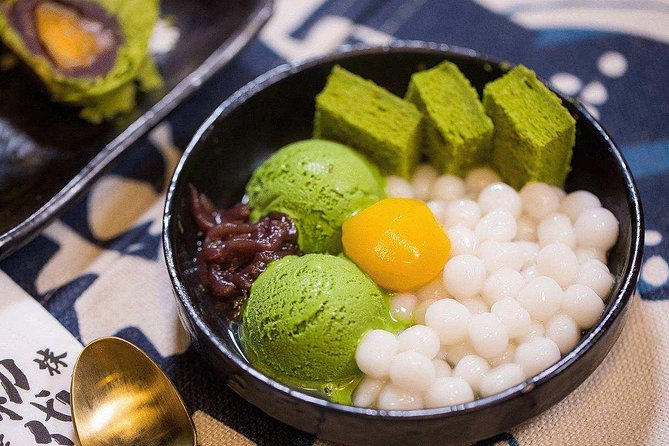
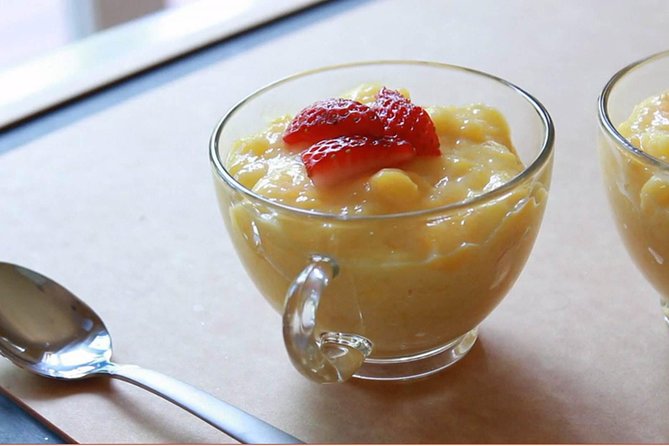
- Cantonese cold desserts at the end: milk pudding with purple sticky rice, plus mousse cake and fruit-based sweets
- Small group size (max 10 per booking), which usually means less waiting and more attention from the guide
Why Huaihai Road makes the perfect tea-and-dessert route
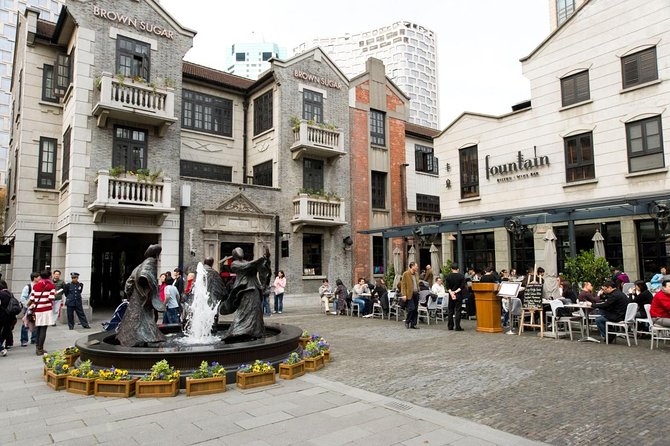
Huaihai Road is a classic Shanghai shopping-and-dining strip, and it’s a smart choice for this kind of tour. You’re not stuck in one building. You walk, you snack, you reset with tea, then you finish at a dessert spot close enough to keep the afternoon flowing.
The tour meets at 333 Huai Hai Zhong Lu, Huangpu District at 2:00pm, which is convenient if you’re already in town and don’t want to start your day too early. You’ll end in the French Concession area (Xuhui District)—useful if you want to tack on a stroll afterward without having to figure out a new transit plan.
This isn’t a “drive-by photos” experience. It’s designed around food and ritual, so the movement between stops matters. You’ll walk the busy street vibe, then step into quieter spaces for the tea and sweets.
You can also read our reviews of more tours and experiences in Shanghai.


Mooncakes at two pastry shops: tasting like you know what to ask
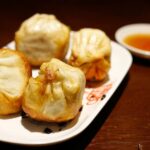
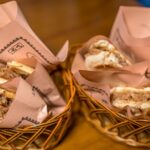
The afternoon starts with mooncakes, one of the most recognizable Chinese pastries. Here’s the key: you don’t just get one piece. You sample at two local pastry shops, which lets you notice differences in flavor and filling.
What you learn along the way is practical. Mooncakes are typically round (family reunion symbolism), and the pastry itself often works best with tea—so tasting mooncakes without the tea context can feel incomplete. This tour ties those two together, which is why it feels more educational than a simple snack run.
Expect savory and sweet styles. You’ll also hear how mooncakes are usually served and why they’re most popular during the Mid-Autumn Festival. That festival detail isn’t trivia fluff. It gives you a reason for the seasonal surge, and it helps you understand why mooncakes keep showing up in shops even when you’re not actively looking for them.
What to watch for
If you have a sweet tooth, this is the fun part. If you don’t, focus on taking small bites and saving your appetite for the later tea-and-dessert segments. Mooncakes can be rich, and this tour stacks multiple tastings.
The tea house ceremony: etiquette you can actually use
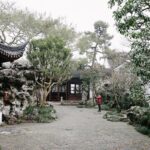
The middle of the tour is the real learning moment: a classic tea ceremony in a tea house near the dessert shops. This is where the tour shifts from “eat” to “understand how to taste.”
You’ll hear about tea culture and how it grew over time, including how it gained attention in the west during the 1800s. Then you get into the methods, not just the story.
Tea types and what the guide helps you notice
You’ll taste varieties such as:
- pu-erh
- ginseng oolong
- jasmine
- black tea from Fujian
The guide also explains something you can take home with you: the roles of differently sized cups and water temperature for different teas. That matters because tea flavor can change a lot depending on how it’s brewed. Even if you’re not turning into a tea expert by the end, you’ll come away with an easy mental model: the vessel and the water heat affect taste.



Etiquette that makes the experience feel respectful
You’ll learn traditional tea drinking etiquette too. That’s not just for ceremony aesthetics. It helps you understand why people handle cups and tea the way they do, and it turns the tasting into an “observe then follow along” experience rather than awkward guessing.
If you get a guide like Jim (one guest specifically called out his passion and information), you’re likely to get clear explanations and a more “hands-on” vibe. The tour format supports that kind of teaching: you’re tasting while you’re learning.
Practical note
Tea can be strong and earthy—especially with pu-erh. Take sips slowly. Don’t chug. Let your taste buds reset between different teas, since the tour moves from one style to the next.
Cantonese cold desserts: where the afternoon cools down
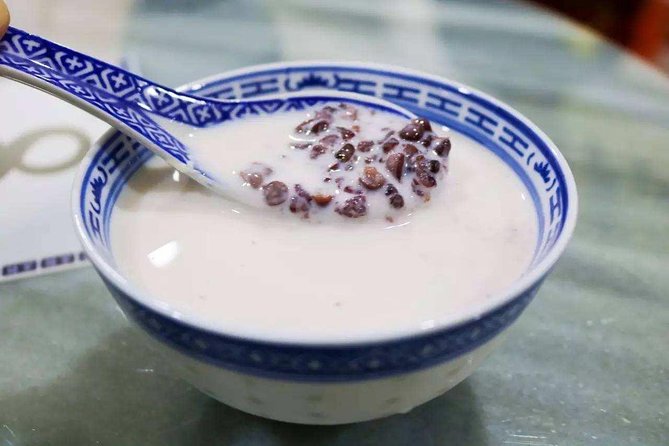
After the tea house, you head to a Cantonese dessert restaurant for the final stop. This section is all about cold sweets—exactly what you want after tea and mooncakes.
You’ll sample options such as:
- milk pudding with purple sticky rice
- mousse cake (served as a jellied style)
- papaya
- mango purée
- almond tofu
- and other cold dessert flavors that can include items like sago
This is the part where the tour’s logic clicks. Tea primes your palate, and then the desserts give you texture and contrast—creamy, silky, fruity, and chilled. It’s a smart pairing because not every tea tour finishes with food that actually balances the flavors.
How to eat smart at the end
You’ll likely be tempted to “finish everything.” I’d resist that urge. With multiple tastings, the best results come from pacing:
- Start with something creamy (like milk pudding) to smooth out tea aftertaste.
- Then switch to a fruitier option (mango or papaya).
- Save the more unique textures (like almond tofu or the mousse-style pudding) for last so you’re still paying attention.
Price and timing: what you’re really paying for
At $82 per person for about 3 hours, this tour is priced like a guided tasting experience—not like a standalone food crawl.
Here’s what that money covers, in plain terms:
- a local guide
- desserts plus afternoon tea/tea ceremony
- guided tasting and explanation at each stop
When you compare it to buying everything on your own, the value isn’t just the food. It’s the “how” and the “why”—especially around tea varieties, water temperature, and cup size. Those details are exactly the kind of thing that’s hard to figure out alone in a shop.
It also runs as a small group: up to 10 people per booking (and a stated maximum of 15 total). That matters because it keeps the experience from feeling like a conveyor belt. You can actually hear the explanations and move at a human pace.
One more real-world detail: the tour is booked in advance fairly often (around 29 days on average). If your dates are fixed, don’t wait for the last minute.
Getting the most out of it (without overdoing it)
This tour includes a lot of tasting in a short window, so your success depends on how you show up.
Wear comfortable walking shoes. The route involves walking along Huaihai Road and moving between stops. This isn’t long-distance trekking, but it is steady.
Dress for all weather. The tour operates in all weather conditions. Shanghai afternoons can shift fast, so plan like you’ll be outside part of the time.
Think about timing your day. Since the tour ends near the French Concession, it can pair nicely with a later stroll or dinner in that neighborhood—no huge logistical leap required.
And if you have dietary needs, mention them during booking. The tour specifically asks you to advise specific dietary requirements at the time of reservation, so that the guide can plan with what they’re serving.
Who should book this tour—and who might skip it
This is a strong match if you:
- want tea culture explained in a practical way
- enjoy dessert tasting with a guided structure
- like walking through central Shanghai neighborhoods without committing to a half-day or full-day tour
It’s also a good choice if you want a small-group format. The cap of 10 per booking keeps it friendlier and more attentive.
You might skip it if:
- you don’t like sweet foods much
- you prefer your tea without a ceremony format
- you’re not interested in learning how cup size and water temperature affect tea
Should you book this afternoon tea and dessert tour on Huaihai Road?
Yes—if your idea of a great Shanghai afternoon includes both learning and eating. The tour’s value is in the pairing: mooncakes that come with tea context, a ceremony with specific teas and brewing variables, and a finish of Cantonese cold desserts that isn’t just an afterthought.
If you’re the type who likes to wander food streets but also wants someone to guide your taste buds, this one makes sense. Just go in hungry (but not ravenous), pace your sips and bites, and you’ll leave with more than just sugar on your tongue.
FAQ
How long is the afternoon tea and dessert tour?
It runs for about 3 hours.
What does the tour cost?
The price is $82.00 per person.
Where do I meet the guide?
You meet at 333 Huai Hai Zhong Lu, Huangpu District, Shanghai.
What time does the tour start?
The tour starts at 2:00pm.
How many people are in each group?
The tour has a maximum of 10 people per booking and a stated maximum of 15 travelers.
What food and drinks are included?
You’ll get desserts and an afternoon tea/tea ceremony, plus food samples that include mooncakes and Cantonese cold sweets.
What teas are sampled during the ceremony?
You’ll taste teas including pu-erh, ginseng oolong, jasmine, and black tea from Fujian.
Is there hotel pickup or drop-off?
No. Hotel pickup and drop-off are not included.
Is the ticket digital?
Yes, it uses a mobile ticket.
What if I need to cancel?
You can cancel for a full refund up to 24 hours before the experience starts. After that time, the amount paid is not refunded.
or-ticket-only-400x225.jpg)