REVIEW · TIANJIN
Beijing: Dumpling-Making Class with wet Market visit
Book on GetYourGuide →Operated by Catherine Lu's Tour · Bookable on GetYourGuide
Dumplings start at the market. This hands-on Beijing experience pairs a guided wet market visit with cooking in a local family home, so you see ingredients, then turn them into dumplings (and more). It’s private or small-group, and the focus is food plus everyday life, not tourist shopping.
Two things I especially like are the market context (you learn what Chinese kitchens actually buy and why) and the teaching style in the home kitchen, where you practice folding dumplings and choose from several classic dishes. Depending on the guide, you may get especially clear explanations—names like May, Sonia, and Peter show up in past guest experiences.
One drawback to consider: the total time can be shorter than the listed 5 hours if the group moves quickly, so plan a bit of breathing room afterward. Also note that if you have food allergies, this isn’t suitable based on the tour info.
In This Review
- Key Highlights You’ll Care About
- A Wet Market Primer Before You Touch the Dough
- Getting Picked Up: Hotel Transfer vs Subway Meet-Up
- The Local Family Home Kitchen: Where Dumpling Skills Click
- Choosing Your Dishes: More Than Dumplings
- Lunch or Dinner with Tea: Food Is the Conversation
- Timing, Pacing, and the Realistic 5-Hour Plan
- Price and Value: Why $50 Can Be a Good Deal
- What to Bring (and What to Skip)
- Who This Dumpling-Making Class Is Best For
- Should You Book This Beijing Wet Market and Dumpling Class?
- FAQ
- How long is the dumpling-making experience?
- Where do I meet the guide?
- Is the tour private or group-based?
- What do we cook during the class?
- Is lunch or dinner included?
- Can I bring my own ingredients?
- Is this suitable for people with food allergies?
Key Highlights You’ll Care About
- Wet market “ingredient education” that turns what you see into what you cook
- Hands-on dumpling folding practice with a local family at home
- Tea tasting and table chat for a real feel of daily life in Beijing
- Choose your second (and sometimes third) dish options like Kung Pao Chicken
- Hotel pickup and drop-off or subway meet-up, with private transportation
A Wet Market Primer Before You Touch the Dough
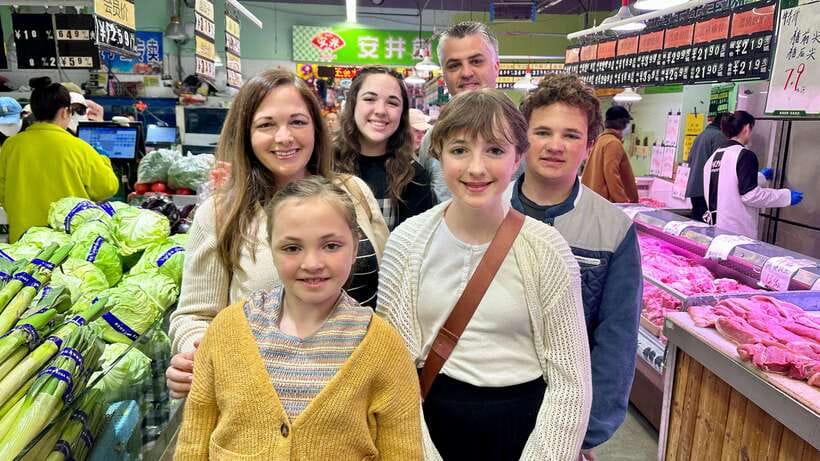
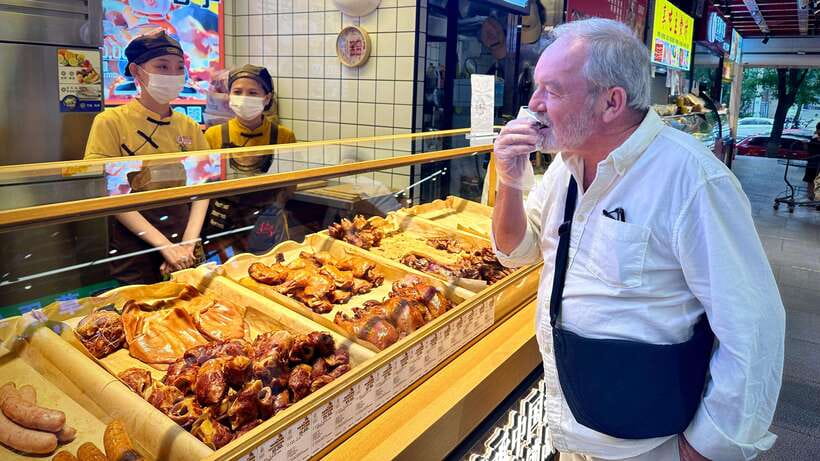
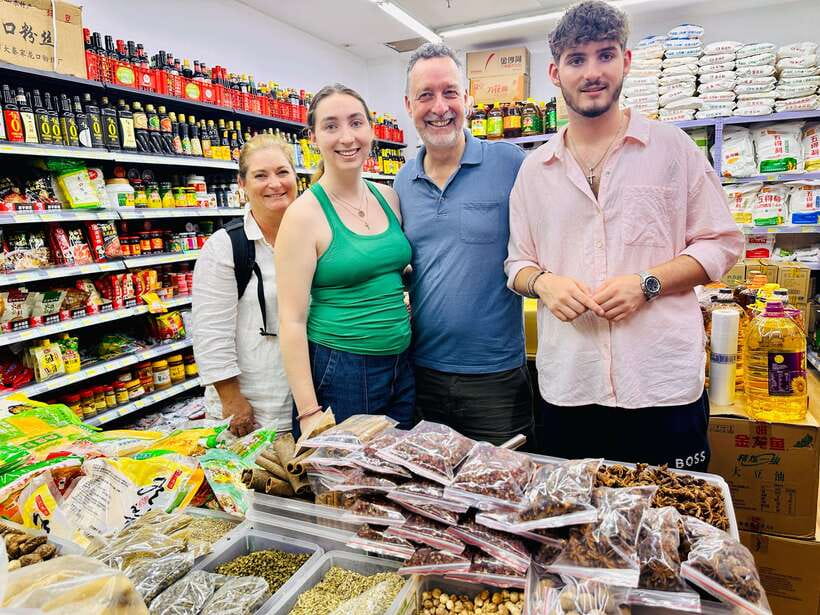
The best part of this tour starts before anyone grabs a dumpling wrapper. You head out with your English-speaking guide to a local wet market, where you’ll see the supply chain of Chinese cooking in real time: produce stacked by freshness, seafood and meats displayed for quick sale, and the spices and flavorings that shape sauces and fillings.
This isn’t about taking photos (though you’ll likely want to). It’s about understanding what ingredients mean to Chinese home cooks. In the market, you get explanations about how items are used, not just what they look like. If you’ve ever wondered why dumplings taste different depending on who makes them, this step answers some of that: flavor comes from choices—ginger, garlic, the right cut, the right seasoning balance, and the freshness of what goes in.
I also like how the market experience helps your cooking class feel less random. When you know what you’re shopping for—fruits, spices, and pantry staples—you’re more likely to recognize them later on the table. One standout mentioned in past experiences: fruit teas, including lychee-based options. That’s a small clue that the tour isn’t only focused on dumplings; it’s teaching a whole flavor world.
Practical note: wet markets can be a sensory shock—smells, noise, and crowds are normal. Wear comfortable clothes and be ready to stand and walk a bit.
You can also read our reviews of more tours and experiences in Tianjin.

Getting Picked Up: Hotel Transfer vs Subway Meet-Up
Logistics matter on food tours, because you want your energy saved for the cooking. This one offers hotel pickup and drop-off, with private transportation included. If you’re staying downtown, this is the easiest path: you meet your driver, then head straight to the market and onward to the family home.
If pickup isn’t what you want, there’s also a subway meeting point: Subway line 10 at Shaoyaoju stop, exit A. That can work well if you’re already using the subway for other parts of your day.
Either way, the key value here is reducing friction. You don’t want to spend your limited Beijing time figuring out directions while other people are already tasting tea and learning fillings. Private transfer also keeps the experience feeling more like going with a friend than joining a timed cattle line.
The Local Family Home Kitchen: Where Dumpling Skills Click
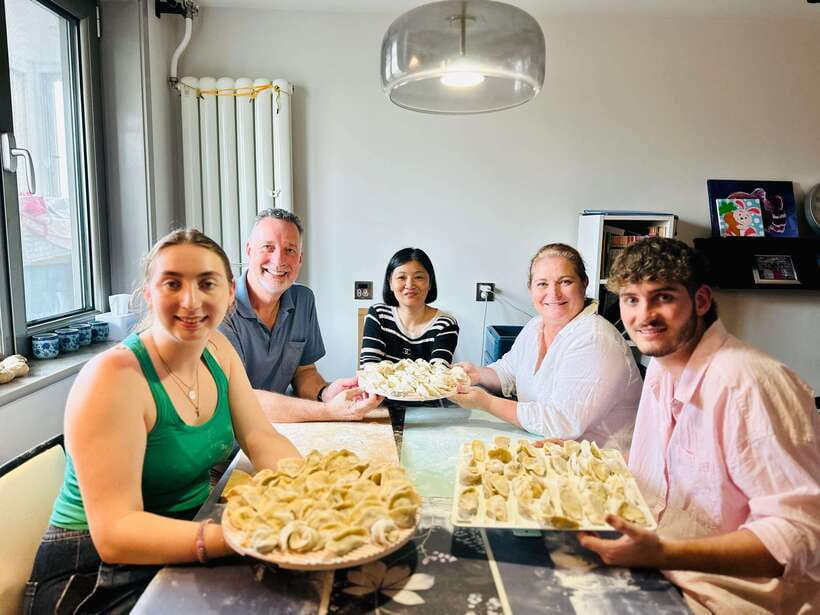
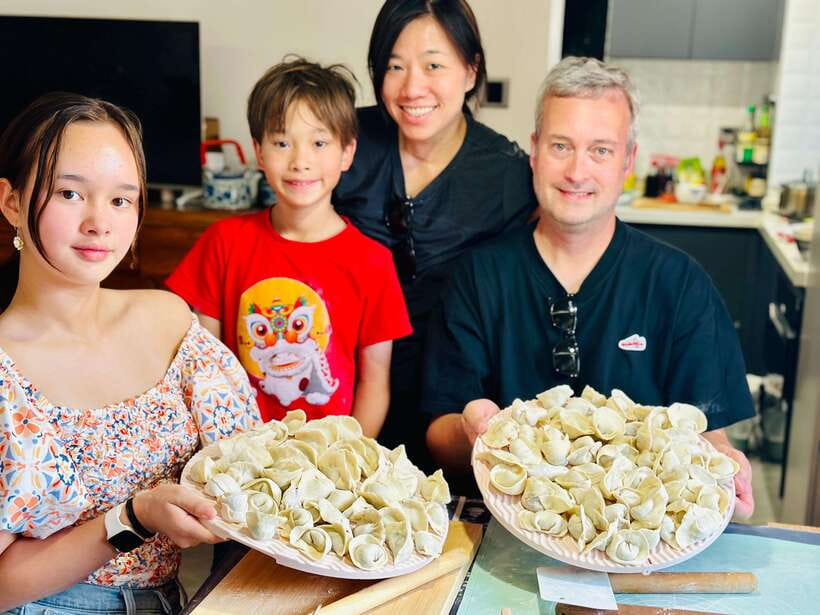
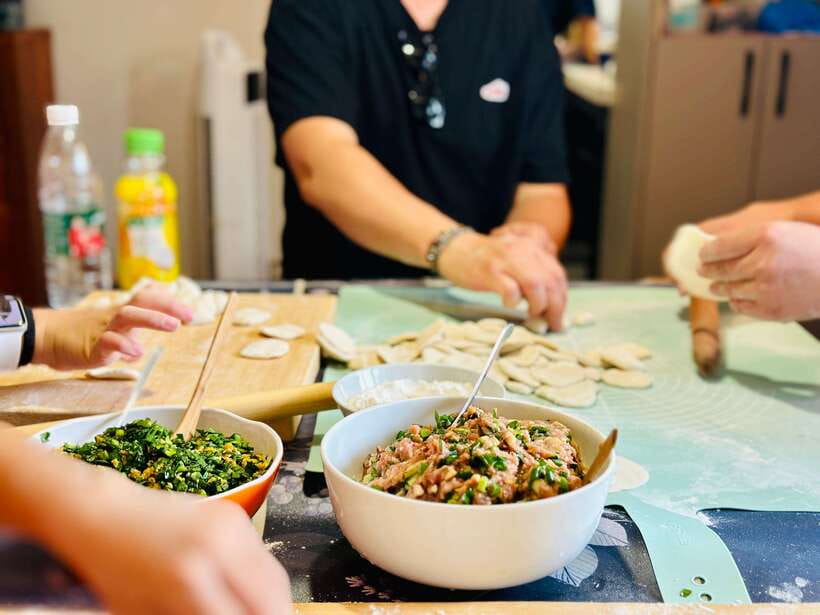
After the market, you go to the family’s home—this is the heart of why the experience works. You’re not just cooking in a studio with a demo; you’re stepping into a real kitchen routine, meeting the people who eat this food every day.
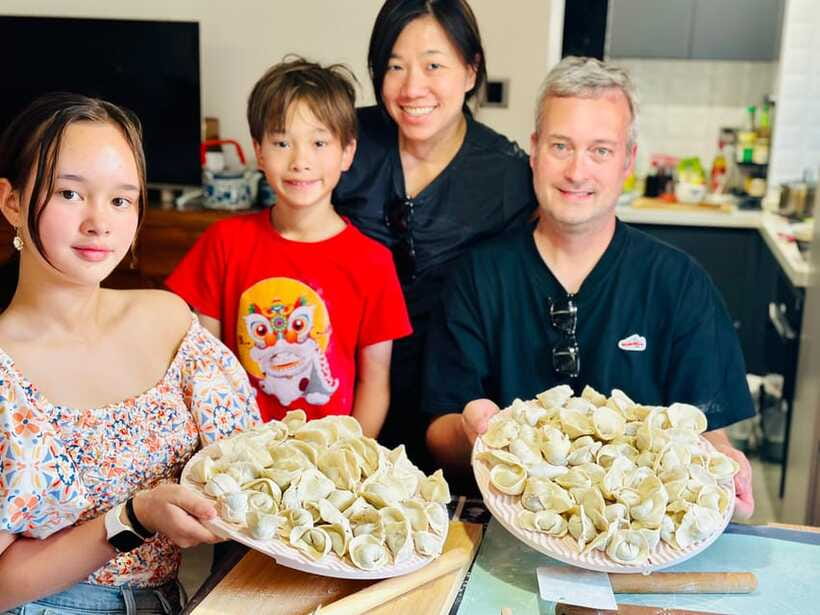
At the start, you learn what goes into dumpling fillings and how wrappers are prepared and handled. Then you move into the fun part: filling and folding. You practice forming dumplings with guidance from your hosts, which matters because dumplings are as much technique as ingredients.
Why this step is so valuable: dumplings are forgiving, but consistent results come from small habits—how you distribute filling, how much pressure you use, and how you seal the edges so they don’t open. You also get the chance to ask questions in the moment, rather than memorizing a recipe you’ll never use again.
Past guests highlighted that the dumpling teacher and hosts can be engaging and informative—guides named May and Sonia have been praised for explanations and humor. Even if you don’t get the same guide, the structure is the same: you learn, practice, and then eat what you make.
Choosing Your Dishes: More Than Dumplings
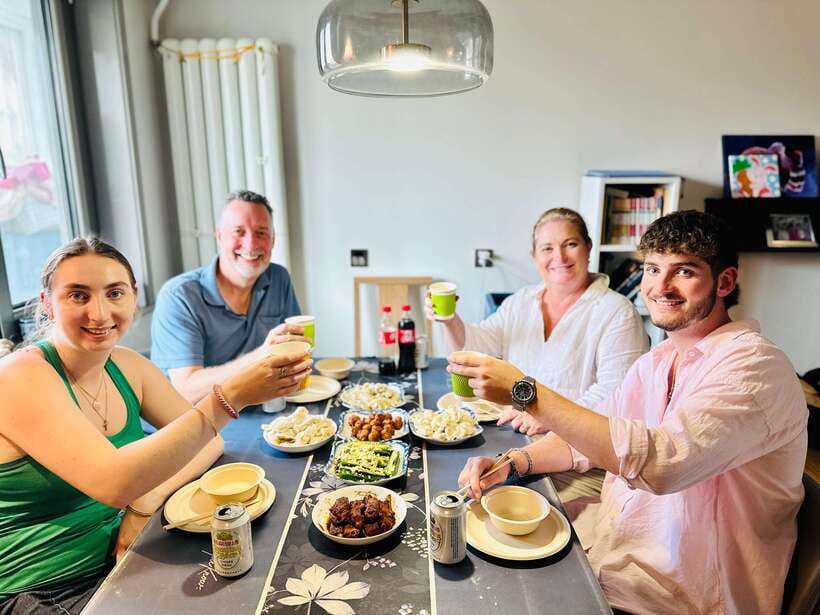
This is not only a dumpling class. You’ll make dumplings, then you can choose additional dishes. Options listed include Kung Pao Chicken, Sour Sweet Pork, scrambled egg with tomato, sauteed soy sauce cabbage, and green bean pork.
That choice is a real quality-of-experience feature. If dumplings aren’t your thing, or if you want variety in the lunch/dinner table, you get to steer the menu. And if you are a spice-and-sauce person, Kung Pao Chicken is a strong pick to pair with dumplings because it teaches a different flavor approach than a simple dumpling filling.
The practical upside of cooking multiple items in one session is that you get a better sense of how Chinese meals are assembled. Dumplings can be the star, but they also sit alongside other dishes—stir-fries, egg-based comfort food, and vegetable plates—so you experience balance in one meal.
Dietary note: you should advise any dietary requirements at booking, but the tour data also states it’s not suitable for people with food allergies.
Lunch or Dinner with Tea: Food Is the Conversation
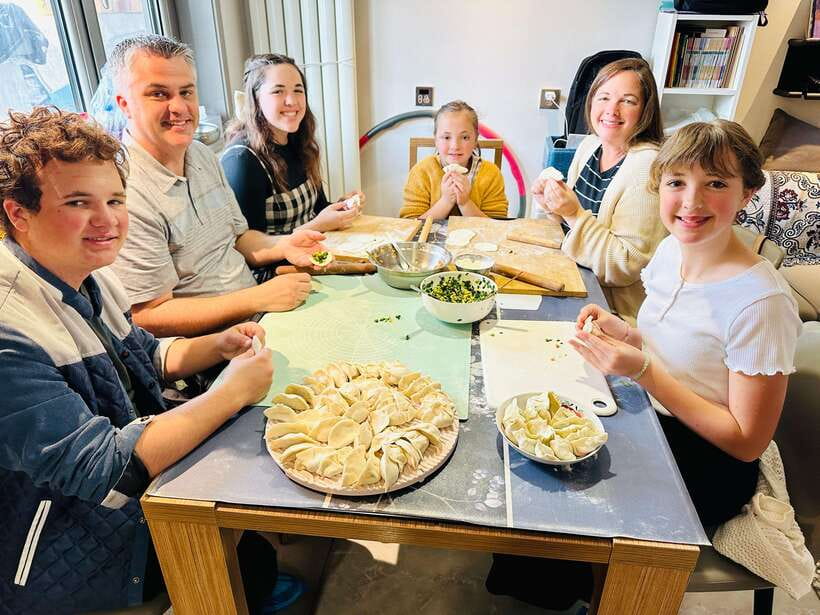
After cooking, the tour shifts from hands-on technique to enjoying the results. You’ll share a meal with your hosts, often framed as lunch or dinner depending on timing. This part is more than eating; it’s where the culture becomes human and specific.
You’ll drink tea and chat—talking about the ingredients you saw at the market, the dishes you cooked, and everyday life. In some experiences, guests really enjoyed the tea segment, mentioning fruit teas such as lychee blends. Tea works as a bridge: it’s familiar enough to everyone, but it still reveals preferences in sourcing and flavor.
What I like about this setup is that you’re not just observing. You’re eating what you learned, which makes the information stick. Also, tea time naturally slows the pace. After folding dumplings for a while, you get a chance to reset, ask extra questions, and enjoy the calm of being in someone’s home.
One consideration: you may not be able to move quickly during the home meal portion. If you’re the type who likes to keep tight control of your schedule, build some slack into your afternoon or evening.


Timing, Pacing, and the Realistic 5-Hour Plan
The activity is listed at about 5 hours, and you’ll see starting times based on availability. That said, one important planning point: the pace can vary. In practice, some experiences may run closer to 3 hours if the group is small and everything moves smoothly.
So here’s my advice: treat it as a half-day experience and schedule your next activity with buffer time. Don’t book something that requires you to be elsewhere at an exact minute after pickup.
Also remember: this isn’t only cooking. It includes a guided market visit, transport, cooking instruction, and a meal. If you arrive with a rested mindset, you’ll get more out of it—especially the dumpling folding practice and the tea explanations.
Price and Value: Why $50 Can Be a Good Deal
At $50 per person for a roughly half-day experience, the value comes from three bundled elements:
- Market tour + ingredient education
You’re paying for a guide to translate what you see in the wet market into cooking relevance.
- Private transportation (including hotel pickup/drop-off when chosen)
Local travel logistics can be expensive in time and stress. Having transport included is part of what makes this feel smooth.
- Hands-on cooking with a local family + a meal
This isn’t a quick tasting. You learn technique and eat what you make, plus you’ll be part of a tea-and-chat moment.
If you compare this against paying separately for a market guide, a cooking class, and a meal, the bundle can feel fair. The only caution is to match your expectations to the stated timing. If you’re trying to squeeze in tight plans, the potential for shorter-than-expected runtime can be either a blessing (more free time) or a disappointment (if you planned the rest of your day).
What to Bring (and What to Skip)
The tour info is clear on what helps you enjoy the session.
Bring:
- Comfortable clothes, because you’ll be walking in a market and working in a kitchen space.
- Ingredients if the operator requests them. (If you’re unsure, contact the provider before you go.)
Not allowed:
- Smoking.
A small practical tip: if you’re sensitive to strong smells common in wet markets, wear a light layer and consider a small bag for personal items.
Who This Dumpling-Making Class Is Best For
This experience fits best if you want more than a cooking show. You’ll likely enjoy it if you:
- like food with context (ingredients first, cooking second)
- enjoy learning technique you can repeat at home
- want a cultural exchange that happens naturally around tea and a meal
- prefer private or small groups, where you can ask questions while folding and cooking
It may not be the best fit if:
- you have food allergies (not suitable per the tour info)
- you need a strictly wheelchair-accessible option—because the activity page lists “wheelchair accessible,” but the important information section says not wheelchair accessible, you should confirm directly before booking
- you want a fast, on-the-go tour with lots of sightseeing between stops
Should You Book This Beijing Wet Market and Dumpling Class?
I’d book it if your ideal Beijing day includes hands-on cooking, market exploration, and a real meal in someone’s home. The structure is practical: see ingredients, learn technique, then eat together. The market visit and tea tasting are not just add-ons; they’re the context that makes the cooking feel meaningful.
I’d think twice if you’re very schedule-driven, have serious dietary constraints, or you’re unsure about mobility support. If you fit the first group, though, this is exactly the type of experience that makes Beijing feel personal instead of transactional.
If you do book, plan your day with buffer time, wear comfortable shoes, and be ready to ask lots of questions while you’re making dumplings.
FAQ
How long is the dumpling-making experience?
It’s listed as about 5 hours, but the actual pace can vary depending on how the day runs.
Where do I meet the guide?
You can meet at the subway line 10 at Shaoyaoju stop, exit A. Hotel pickup is also offered as an option.
Is the tour private or group-based?
You can choose private or small groups. The experience includes a live English-speaking guide.
What do we cook during the class?
You’ll make dumplings and then you can choose additional dishes such as Kung Pao Chicken, Sour Sweet Pork, scrambled egg with tomato, sauteed soy sauce cabbage, or green bean pork.
Is lunch or dinner included?
Yes. The tour includes lunch or dinner with local dishes, along with tea drinking.
Can I bring my own ingredients?
The tour information says to bring ingredients, but if you’re unsure what’s expected, it’s smart to check with the provider before your day.
Is this suitable for people with food allergies?
No. The tour data states it is not suitable for people with food allergies.