REVIEW · SHENZHEN
Historia and Entertain Tour of the Youngest City of China
Book on GetYourGuide →Operated by Timo XU · Bookable on GetYourGuide
Shenzhen’s origin is right on the border. This Luohu Port to Hua Qiang route turns a fast city hop into a clear story about why Shenzhen grew so fast, and why that matters today. I especially like Timo Xu’s English conversation style with maps and visual aids, plus the built-in stop for local food. One thing to consider: at $40 for only 2 hours, it’s a story-first tour, not a long checklist of major landmarks.
You’ll meet at the Starbucks in Futian and get moved around efficiently with transportation included, so you can focus on learning instead of figuring logistics out. The tour is limited to 7 people, which keeps it chatty and flexible, but it also means there’s no room for slow, wandering detours if you want a more free-form evening.
In This Review
- Key things you’ll notice on this Shenzhen history-and-entertain tour
- Why Shenzhen’s story starts at Luohu Port
- Luohu and Futian’s “only 40 years” transformation
- Hua Qiang District: where street corners feel like market value
- The small-group format makes the history feel personal
- The short hike and the city-axis view
- Shenzhen’s links to Hong Kong and Beijing
- Food on the way: snack stop, local flavor, and timing
- Price and what $40 buys in 2 hours
- Meeting point in Futian: where to start without stress
- Who this Shenzhen tour fits best
- Should you book this Luohu-to-Hua Qiang history-and-entertain tour?
- FAQ
- How long is the tour?
- What’s the group size?
- Is the tour given in English?
- Where is the meeting point?
- Is food included in the price?
- What’s included in the tour price?
- Can I get a refund if I cancel?
Key things you’ll notice on this Shenzhen history-and-entertain tour
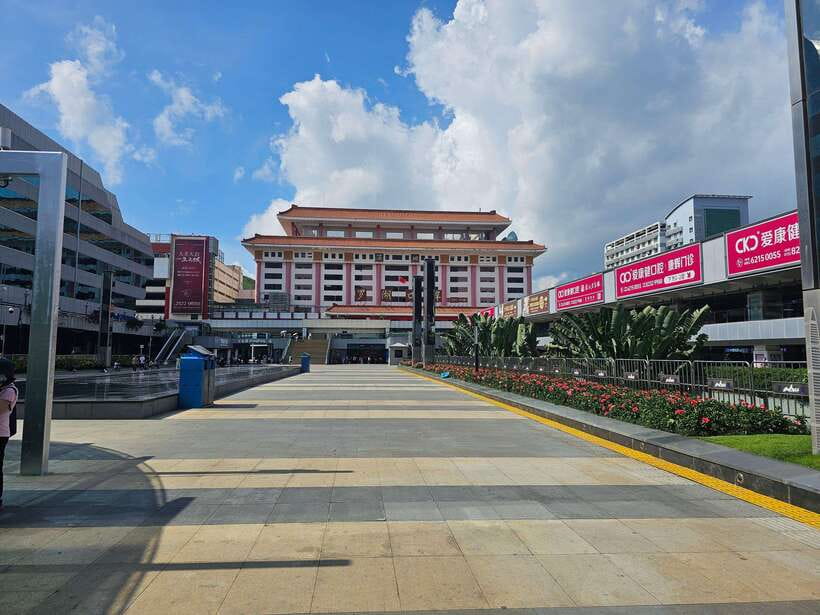
- Luohu Port context in plain terms: one of China’s only two land ports, and the start-point for Shenzhen’s modern story
- Hua Qiang District street-level economics: how a tiny area can reflect huge money and fast change
- City-axis views from a hill: short hike for perspective on how Shenzhen is laid out
- Stories that connect Shenzhen to Hong Kong and Beijing: useful for understanding the political today
- A guide who talks and explains: Timo uses maps/visuals and keeps the tone friendly and human
- Food is a snack stop, not the whole plan: you’ll likely grab something local along the way
Why Shenzhen’s story starts at Luohu Port
Luohu Port is a strong opening because it forces you to think beyond neon skylines. This is where you can feel the “hinge” of Shenzhen’s location: the tour frames Luohu as part of why Shenzhen could grow so quickly once the world was closer at the border. And it’s not just geography trivia. When you understand why border access mattered, modern Shenzhen starts to make sense in a way that photos alone can’t do.
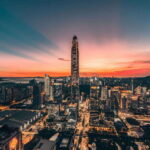
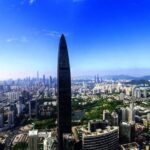
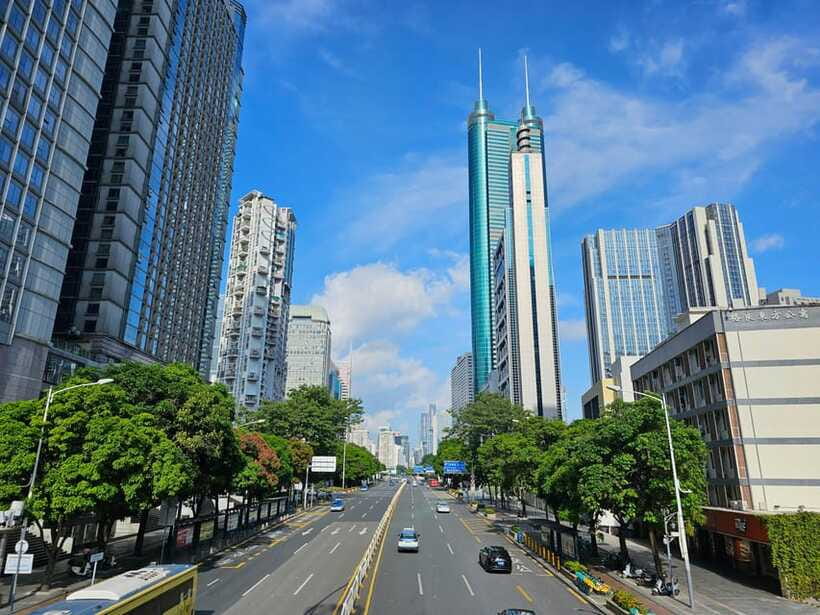
The tour also promises skyline time, and that’s where the history gets visual. You’ll see buildings that once shocked people across China, then pair those images with what was changing underneath. If you like your city sightseeing with context—why things happened, not only what you can photograph—this first stretch sets the tone.
Practical take: if you’re the type who likes to read a little, ask questions, and connect dots, you’ll enjoy the pacing here. If you’re hoping for a tightly packed “see 15 famous spots” tour, you might feel the story takes up space that a landmark-chasing itinerary would fill.
You can also read our reviews of more tours and experiences in Shenzhen.

Luohu and Futian’s “only 40 years” transformation
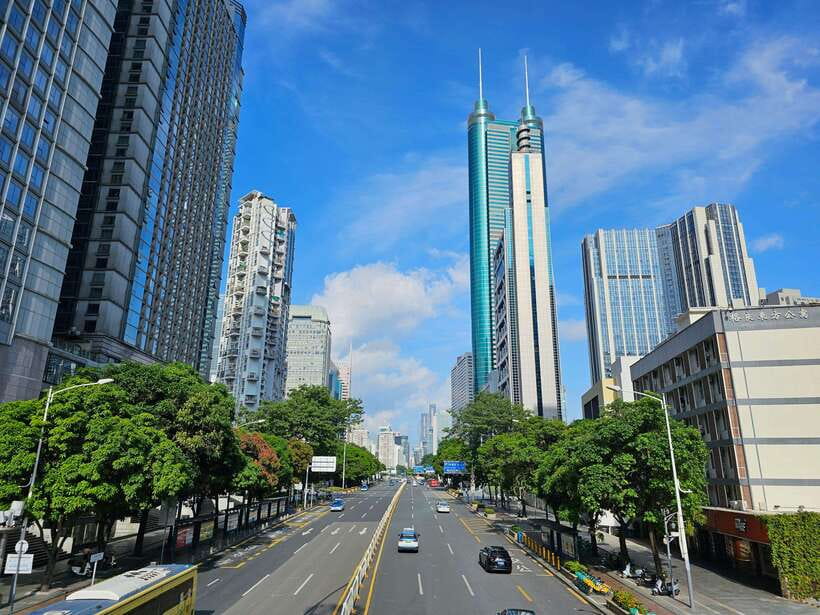
The tour’s theme is simple but powerful: Shenzhen’s growth is measured in decades, not centuries. The guide uses examples around the Luohu and Futian areas to make that believable—places that feel fully urban now were wild fields and lakes not that long ago. This is the kind of detail that changes how you look at a city you thought you already understood.
A clever part of the approach is how it mixes big-city development with everyday scale. You’re not just told Shenzhen became a global phenomenon—you’re walked through the steps that made the change possible and the people who shaped it.
What you’ll learn to notice:
- how “young city” development shows up in building density and street energy
- how border access and commerce interact with politics
- why the same place can look totally different depending on what year you use as your starting point
Hua Qiang District: where street corners feel like market value
Hua Qiang District is the second big reason this tour works. It’s famous enough that you’ll know the name, but the tour gives you a different angle: it connects the district to entrepreneurship, companies, and the daily reality of how value gets created block by block.
Instead of treating Hua Qiang as a place to shop for the sake of shopping, the tour frames it as an ecosystem. You’ll wander through streets where the guide explains why this area became so important, and you’ll hear traces of companies and famous figures tied to Shenzhen’s climb.
Here’s the best payoff: you start seeing the district as a story about risk, speed, and opportunity. That’s useful even if you don’t plan to buy anything, because it changes the way you interpret what you’re seeing.
Possible drawback: if you want only calm, museum-style explanations with no street walking, this part can feel busier. The hill view comes later to reset the energy, but Hua Qiang is still street-level and active.
The small-group format makes the history feel personal
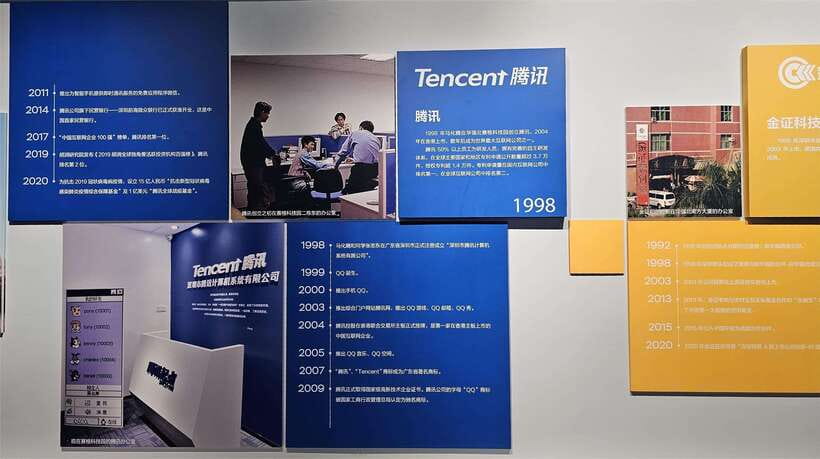
This tour is limited to 7 participants, which matters more than you might think. You get a guide who can keep conversations going and still connect them back to the city’s story. I like that the guide’s style is more “chat with structure” than “lecture with slides.”
Timo Xu’s background also shows in the way he explains. He’s lived and worked in Hong Kong and Shenzhen for years, and that comes through when he talks about what changed and why it mattered. He also includes his own perspective, using maps and visuals to help the timeline and geography click.
The reviews-style feedback you can expect from this kind of guide experience is straightforward: the tour tends to feel welcoming, human, and responsive. People who prefer talking over rapid sightseeing usually do well here.
The short hike and the city-axis view
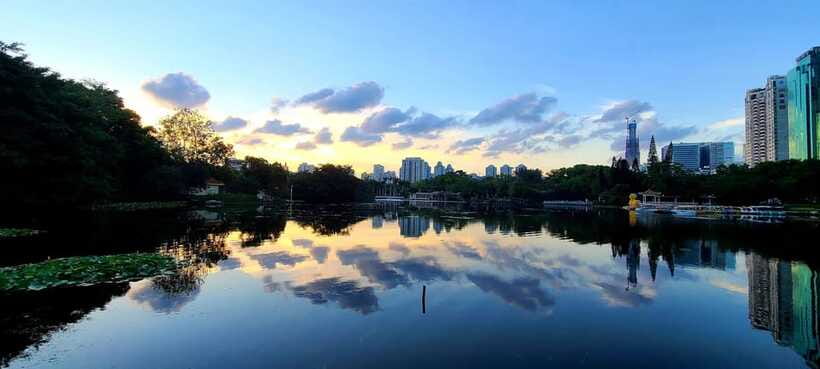
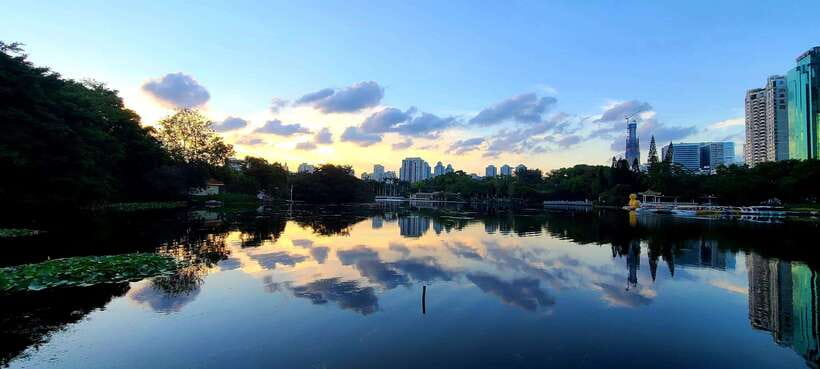
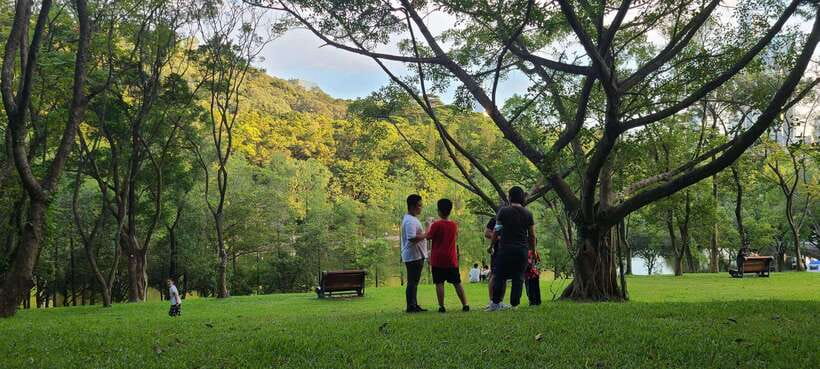
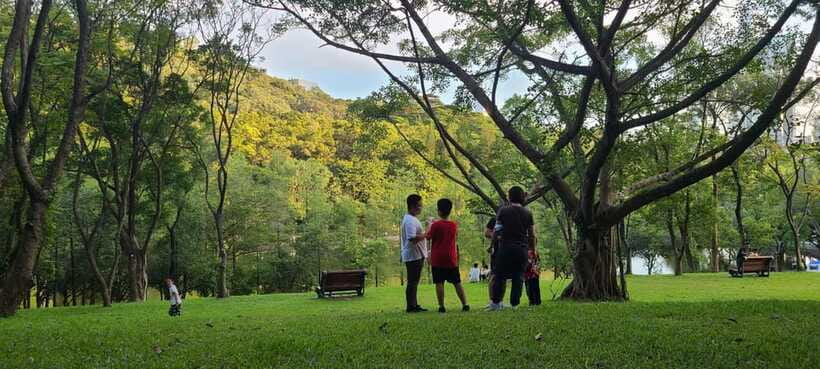
At some point you’ll hike on a park and hill that isn’t described as very high. The point is not a workout; it’s a view. Getting up higher lets you understand the layout and the “axis” concept the guide explains. Urban planning details can sound abstract, so this stop is smart because you can see the structure with your own eyes.
From that bird’s-eye perspective, Shenzhen’s growth pattern becomes easier to grasp. You’ll also get a better sense of how the different areas you’ve been walking through relate to each other. It’s the kind of viewpoint that turns random routes into a connected map in your head.
Tip for you: wear comfortable shoes. Even if the hill is short, it’s still a hill, and you’ll appreciate not thinking about your feet during the explanation.


Shenzhen’s links to Hong Kong and Beijing
One of the tour’s selling points is the way it connects Shenzhen to the broader political and regional story. You’ll discuss the connections between Shenzhen and Hong Kong, and also how Beijing fits into the picture. The goal isn’t to argue politics—it’s to help you understand the “why” behind what you’re seeing today.
This section is valuable because Shenzhen often feels like it belongs to business, tech, and global trade. But the tour keeps tying the story back to governance and relationships. If you’ve ever wondered why a border city can feel different from the rest of the country, this is where you get the framework.
And because it’s explained during real-world walking, it sticks. You’re not studying a report in a quiet room. You’re placing today’s skyline into a regional context.
Food on the way: snack stop, local flavor, and timing
Food is included? Not exactly. The tour doesn’t list a meal as part of the package. But the plan does include a stop for a delicious snack in traditional and local restaurants, and that timing depends on weather and time.
This is a good compromise. A 2-hour tour is short, so trying to include a full sit-down meal would slow everything down. Instead, you get the chance to taste something local without turning the tour into a food tour that eats the schedule.
How to plan:
- come ready for a snack, not dinner
- bring water if you get thirsty easily
- if you have strong dietary restrictions, you’ll want to check with the guide on the day since the exact restaurant can depend on conditions
Price and what $40 buys in 2 hours
The price is $40 per person for 2 hours, small-group (up to 7), and it includes the guide, transportation fees, and a list of recommendations for restaurants plus some bar/cocktail and live music suggestions.
Is it expensive? It might feel that way if your idea of value is “more sights, more time, more photos.” One cautionary note echoed in the general feedback for this kind of tour is that the tour is story-heavy and the visible footprint is limited by time.
But here’s the value logic I see: you’re paying for interpretation. Luohu Port and Hua Qiang are places you can walk through on your own, but the tour’s real product is meaning—history, connections, and the way the city developed “only 40 years” into something global.
Also, transportation fees and the guide’s time are part of the package, so you aren’t spending extra money just to reach the stops efficiently.
Meeting point in Futian: where to start without stress
You’ll meet at Starbucks Cafe (China Bank Garden), No. 1006, Fuzhong 1st Road, Futian District. In Chinese: 深圳市福田区 福中一路1006号 星巴克(中银花园店).
This is a practical setup because it’s an easy-to-recognize chain meeting point in an area with lots of signs and transit options. If you like to arrive early and settle in before a tour starts, aim to get there a bit ahead so the first storytelling moments don’t feel rushed.
Who this Shenzhen tour fits best
This experience fits best if you want Shenzhen explained with a human voice and real-world context.
You’ll likely enjoy it if you:
- like history and city planning ideas, but in an easy walking format
- want to understand why Shenzhen grew so quickly, not just what it looks like
- prefer conversation and questions over nonstop photo stops
- want local food as a bonus, not the main goal
It’s less ideal if you:
- only want landmark sightseeing with minimal talking
- expect food to be a full included meal
- want a long itinerary with lots of time per stop
Should you book this Luohu-to-Hua Qiang history-and-entertain tour?
If your goal is a fast, meaningful first look at Shenzhen, I’d say yes. The combination of Luohu Port origin context, Hua Qiang district street economics, and a city-axis viewpoint makes the 2 hours feel purposeful. Plus, the English guide style—friendly conversation, maps/visuals, and clear connections to Hong Kong and Beijing—turns the trip into something you can carry with you after you leave.
Book it especially if you’re the kind of traveler who likes learning the “why” behind the “what.” If you’re strictly after shopping or long sightseeing blocks, you might feel shortchanged. In that case, you’d likely want a different format.
FAQ
How long is the tour?
The tour lasts 2 hours.
What’s the group size?
It’s a small group limited to 7 participants.
Is the tour given in English?
Yes, the live tour guide speaks English.
Where is the meeting point?
You meet at Starbucks Cafe (China Bank Garden), No. 1006, Fuzhong 1st Road, Futian District (深圳市福田区 福中一路1006号 星巴克(中银花园店)).
Is food included in the price?
Food is not included. The plan includes a snack stop in traditional/local restaurants depending on weather and time.
What’s included in the tour price?
The price includes the guide, transportation fees, and a list of carefully-researched recommendations for restaurants plus some best bars, cocktails, and live music venues.
Can I get a refund if I cancel?
Yes. You can cancel up to 24 hours in advance for a full refund.