REVIEW · BEIJING
Beijing: Lama Temple (Locals’ top temple) Entry E-Ticket
Book on GetYourGuide →Operated by Hua Hua Explore China · Bookable on GetYourGuide
Praying at a temple locals actually use.
This Lama Temple e-ticket helps you get in quickly and start exploring right away, with an English textual and visual guide that keeps you moving in the right direction.
I especially like how practical the visit rules are. You’ll know what to do at the incense stand, including the customary offer of three sticks and the proper posture (palms together, thumbs tucked inside). I also like the visit flow: start in the main hall, then continue to the side halls, so you’re not wandering around guessing. One possible downside: there’s no live tour guide and no audio guide, so if you want spoken storytelling, you’ll need to read the provided guide carefully on-site.
In This Review
- Key things that make this ticket experience work
- Lama Temple (Yonghe Temple) in plain terms: what you’ll be looking at
- How the e-ticket process works (and why it saves energy)
- Entering Yonghe Temple correctly: threshold, clothing, and incense basics
- Your on-site route: main hall first, then the side halls
- What the English textual and visual guide adds (when you’re self-guided)
- Price and value: is $13 a smart trade in Beijing?
- Who this Lama Temple e-ticket is best for
- Practical tips so your 2 hours feel satisfying
- Should you book this Lama Temple e-ticket?
- FAQ
- How long is the Lama Temple visit?
- Do I need to meet anyone after booking?
- What details do I need to provide after I book?
- Where do I use the ticket to enter?
- What’s included with the ticket?
- Is a live tour guide included?
- Is there an audio guide?
- What do I need to bring for entry?
- What should I wear?
- Is it wheelchair accessible?
- Can I cancel for a full refund?
Key things that make this ticket experience work
-entry-e-ticket-1.jpg)
- E-ticket entry without a meetup: use what they send you to enter Yonghe Temple directly
- Fast, line-skipping access: designed to help you avoid ticket-line hassle
- Clear temple etiquette: threshold rule, dress guidance, and incense steps are spelled out
- A self-guided English companion: textual + visual guide covers how to make sense of what you’re seeing
- Built for an easy 2-hour visit: enough time to follow the main worship route without rushing
Lama Temple (Yonghe Temple) in plain terms: what you’ll be looking at
-entry-e-ticket-2.jpg)
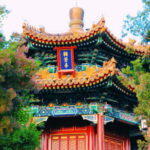
Lama Temple—also called Yonghe Temple—is one of Beijing’s best-known Tibetan Buddhist landmarks. It’s famous for being well preserved, and it’s also famous for how many big details it packs into one place.
The site started as a royal residence in the 17th century, then later became a monastery. That change matters when you’re looking at the buildings: you can feel that it was built to impress, not just to function. Expect intricate carvings and a calm mood once you’re inside, even though you’re still in a major city.
One standout fact to keep in your mind while you walk: the temple is home to an 18-meter Maitreya Buddha carved from a single piece of sandalwood. That’s the kind of detail that turns a quick glance into a slower look, because you’re not just viewing a statue—you’re seeing something that was essentially built as one massive work.
You can also read our reviews of more tours and experiences in Beijing.


How the e-ticket process works (and why it saves energy)
-entry-e-ticket.jpg)
This is an e-ticket, not a meet-up tour. After you place your order, you send your passport details—your passport name and passport number—by email or WhatsApp. Once the reservation is confirmed, you get the tickets and visiting documents by email.
Then you simply enter using what you receive. No waiting for a person. No checking in at a counter with your phone at 20 minutes to spare. For a temple visit where the biggest friction is usually getting in, that difference is huge.
Also, this helps you plan around the real world. The experience runs about 2 hours, and you should check availability for starting times, so you can choose a slot that fits your day’s rhythm. If you’re also visiting other sights in central Beijing, shaving off friction at the gate makes the whole day feel calmer.
Entering Yonghe Temple correctly: threshold, clothing, and incense basics
-entry-e-ticket-4.jpg)
The visit guidelines here are specific, which is a good sign. It means you won’t be guessing how locals expect visitors to behave.
Start with dress. You’re asked to dress appropriately and avoid overly revealing clothing. It’s simple, but it makes a difference in comfort and in how smooth your visit feels once you’re among worshippers.
Next is the threshold rule. When entering the temple, don’t step on the threshold. Instead, step over it. It’s the kind of instruction that sounds small until you’re standing there in a crowded doorway and you realize you don’t have time to figure it out. Having the rule in advance saves you from that awkward moment.
Then comes the incense. It’s customary to offer three sticks of incense, and the guide explains the posture: palms together with thumbs tucked inside. If you do it the same way as the guide suggests, you’ll feel more confident even if you’re not sure what the ritual means on a personal level.
Finally, follow the recommended route. The flow is: worship in the main hall first, then visit the other side halls. That sequence helps you experience the site as it’s meant to be experienced, rather than circling around based on where the crowds are.
Your on-site route: main hall first, then the side halls
-entry-e-ticket-5.jpg)
The whole visit is built around a straightforward plan. It’s not a “race to the next photo spot.” It’s a guided-by-guidelines route that helps you cover what matters.
In the main hall, your focus is worship and attention. This is where you’ll feel the devotional purpose of the space. If you’re the type who likes to understand what you’re looking at before you look too long, use this moment to read what your English text-and-visual guide is pointing you toward.
After that, you move to the side halls. This part is great if you want slower exploring. You’ll typically notice more carved details and statues as you move away from the main worship focus. Since your route is already planned, you can focus on what you see instead of where you should go next.
One practical note: because the experience is designed for around 2 hours, your best strategy is to follow the flow but leave breathing room. Temples like this can feel “busy” in the way any popular sight does, so plan for pauses where you can just watch the atmosphere settle.
What the English textual and visual guide adds (when you’re self-guided)
-entry-e-ticket-6.jpg)
You’re not getting a live guide or audio guide here. Instead, you receive an English textual and visual guide. That can actually be a smart choice if you want control over pace.
Think of the guide as your on-site translator and wayfinding partner. It supports the visit guidelines—like incense posture, the door threshold rule, and the suggested worship sequence—so you’re not stuck relying on instinct alone.
It also helps you notice details you might otherwise miss. With a temple like Lama Temple, the “story” is told through architecture, carvings, and placement of religious imagery. A visual guide helps your brain connect the statue or hall you’re standing in with what it means, even if you’re not carrying a rulebook in your head.
If you’re the kind of traveler who likes to ask a million questions, this format won’t fully replace that. But if you prefer an independent visit where you can spend extra time where you’re curious, it fits well.






Price and value: is $13 a smart trade in Beijing?
-entry-e-ticket-7.jpg)
At $13 per person, you’re paying for two big things: ticket access plus a structured self-guided experience. The value isn’t just the cost. It’s what that cost helps you avoid—mainly the time and stress of line waiting and the uncertainty of how to navigate temple etiquette.
This also includes wheelchair accessibility, which is an important value factor. Even though you’re self-guided, the “can I get in and move through the site” side is part of the deal.
Compare it to a more expensive format with a live guide: you won’t get spoken narration here. But you do get practical instructions and a guide you can use at your speed. For many visitors, that’s the better trade. You’re not paying for someone else’s timing. You’re paying for your own visit to feel smoother and more respectful.
Who this Lama Temple e-ticket is best for
This experience tends to fit well if you:
- Want quick, direct entry without arranging a meet-up
- Prefer to read your way through religious and cultural sites at your own pace
- Like having clear temple etiquette instructions so you can behave correctly without stressing
- Have limited time and want a focused plan for about 2 hours
It may be less ideal if you strongly prefer a live guide to explain symbolism step-by-step while you’re walking. Since there’s no audio and no live guide included, your experience will lean more on reading the provided English guide and following the route.
Practical tips so your 2 hours feel satisfying
-entry-e-ticket-8.jpg)
A temple visit goes smoother when you treat it like a focused experience, not a checklist. Here’s how to make the most of your 2-hour slot with what you already have.
First, keep your expectations realistic. Even with fast entry, you’re still walking through an active spiritual site. Build in small pauses so you can actually look at carvings and statues without feeling rushed.
Second, do the etiquette steps early in your visit. Once you’ve offered incense and followed the main hall worship flow, you’ll feel less “out of sync” for the side halls.
Third, use the guide like a companion, not a homework assignment. Glance at a section, look around, then move on. That keeps the guide useful instead of heavy.
Lastly, pack basics that match the rules given. Bring your passport or ID card, and dress appropriately. Those are the main “don’t get stuck” items.
Should you book this Lama Temple e-ticket?
-entry-e-ticket-9.jpg)
If you want an easy, respectful visit to Lama Temple with line-skipping and a clear self-guided plan, I think this is a solid booking. For the price, you’re getting exactly what you need to avoid the two common problems: slow entry and confusion about basic temple behavior.
Book it if you’re comfortable exploring on your own and you’re happy using an English text-and-visual guide instead of a live or audio guide. Skip it if you need spoken interpretation or you expect a guide to walk you through every cultural detail in real time.
If your top priority is smooth access and a well-structured 2-hour temple route, this fits that goal neatly.
FAQ
How long is the Lama Temple visit?
The duration is about 2 hours. Starting times depend on availability.
Do I need to meet anyone after booking?
No. After your reservation is confirmed, you enter using the e-ticket and visiting documents sent to you by email.
What details do I need to provide after I book?
You’ll need to provide your passport name and passport number by email or WhatsApp.
Where do I use the ticket to enter?
You use the ticket they send you to enter Yonghe Temple directly for your visit.
What’s included with the ticket?
Included are an entry ticket to Lama Temple and an English textual and visual guide for the visit.
Is a live tour guide included?
No. A live tour guide is not included.
Is there an audio guide?
No. An audio guide is not included.
What do I need to bring for entry?
Bring your passport or ID card.
What should I wear?
Dress appropriately and avoid overly revealing clothing.
Is it wheelchair accessible?
Yes, the experience is wheelchair accessible.
Can I cancel for a full refund?
Yes. Free cancellation is available up to 24 hours in advance for a full refund.