REVIEW · BEIJING
Beijing: Lama Temple and Old Hutong Half-Day Tour (2:30 PM)
Book on GetYourGuide →Operated by Beijing Mubus · Bookable on GetYourGuide
One temple, one lane, two sides of Beijing. This half-day walk pairs the calm awe of Lama Temple with the street-level character of Wudaoying Hutong, starting right at Yonghegong Station. I especially love the scale of the 18-meter Buddha statue carved from a single sandalwood tree, and I like how the tour ends in Wudaoying so you can keep wandering shops and cafes afterward.
The main thing to watch is the meeting spot: Exit C at Yonghegong Station is close to other exits, and it’s easy to lose sight of the group if you arrive late or you’re traveling at peak time.
If you want a fast, meaningful taste of Beijing without turning it into a whole-day logistics project, this is a solid format. Bring comfortable shoes, keep things respectful inside the temple, and plan for a good amount of walking in a compact 2.5-hour window.
In This Review
- Key highlights to expect
- Getting There Like a Local: Yonghegong Station Exit C
- Lama Temple’s 18-Meter Sandalwood Buddha: What to Look For
- A small reality check
- Temple Courtesy and Practical Timing Inside
- Wudaoying Hutong After Dark Energy: Trendy Lanes, Shops, and Courtyards
- Snack time tip
- How the 2.5-Hour Pace Works (and Who It Fits)
- Price and Value: What $33 Buys You in Beijing
- Guide Quality: Why the Stories Matter Here
- Who Should Book This Lama Temple and Hutong Half-Day?
- Should you book the tour?
- FAQ
- Where do I meet the guide?
- What time does the tour run?
- How long is the tour?
- What’s included in the price?
- Is the guide English-speaking?
- What should I bring?
- Is smoking allowed?
- Is the tour suitable for wheelchair users?
Key highlights to expect
- 18-meter sandalwood Buddha at Lama Temple: A statue you can’t really appreciate from a distance.
- Incense-filled temple atmosphere: You’ll get that quiet, spiritual sensory feel right when you enter.
- Wudaoying Hutong after the temple: A trendy-but-classic lane for photos, snacks, and browsing.
- English-speaking guidance: Clear storytelling about what you’re seeing and why it matters.
- Flexible pacing with the guide: In at least one case, a guide stayed later to give more hutong time.
- Tour ends in Wudaoying Hutong: You’re not trapped on a schedule once the guided portion is done.
Getting There Like a Local: Yonghegong Station Exit C
This tour starts at Yonghegong Station (Subway Line 2), Exit C. That’s good news because Line 2 is one of the easiest lines to use for navigating Beijing, and you’re meeting the guide in a spot that’s pretty straightforward for most first-timers.
The practical trick: arrive a few minutes early and make sure you’re at Exit C specifically. The area has multiple exits close together, and finding the exact group can take longer than you’d expect if you show up right at start time. I’d also take a quick screenshot of the meeting point text so you can confirm you’re standing at the right side of the station.
You’ll be on your feet for most of the time, so comfortable shoes aren’t optional. This is the kind of tour where your feet do the sightseeing.
You can also read our reviews of more tours and experiences in Beijing.

Lama Temple’s 18-Meter Sandalwood Buddha: What to Look For
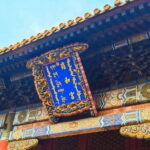
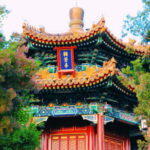
Lama Temple is one of Beijing’s most revered Tibetan Buddhist temples, and you’ll feel that immediately once you step inside. The air often carries the scent of incense, and the buildings and halls give you that “slow down” vibe—no sprinting required.
The star is the 18-meter Buddha statue, carved from a single sandalwood tree. That detail matters because it changes how you see the statue. Instead of thinking only about size, you’re also thinking about the craftsmanship implied by one massive piece of wood. It’s the kind of thing where your brain keeps measuring it after you’ve already looked once.
Your English-speaking guide explains the temple’s spiritual significance and points out what to notice. I love tours like this because you’re not left to guess. You get context while you’re still standing in the space, which makes the whole experience stick.
A small reality check
The Lama Temple portion is about highlights. If you’re the type who wants to study every hall for hours, you’ll probably want a longer independent visit later. But for a half-day, the balance is the point: you get the essentials and then head out to the hutong streets.
Temple Courtesy and Practical Timing Inside
Inside the temple area, keep it simple: walk calmly, follow your guide’s cues, and respect the space. The rules you need to know are minimal but important—no smoking is stated, and it’s a safe assumption that you’ll want to act like a guest in a living religious site.
Because you’ll smell incense and move through indoor and outdoor sections, wear shoes you can trust. Also, don’t plan to run off for snacks during the temple portion. This tour is designed so the temple visit and hutong walk flow together without you losing time.
One nice advantage: if you’re more interested in the hutong than the temple, the guide may be able to adjust your time. In one example, a guide named Julie stayed with the group later so people could spend more time exploring the old lane—up to 5:30 PM in that case. That tells me this tour can flex, as long as you communicate what you want.
Wudaoying Hutong After Dark Energy: Trendy Lanes, Shops, and Courtyards
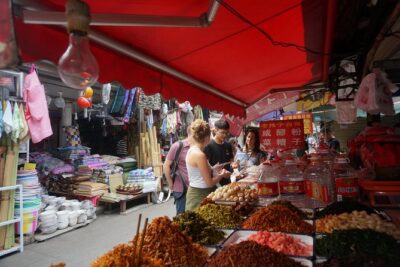
After Lama Temple, you’ll head into Wudaoying Hutong—a lane that blends traditional Beijing character with modern style. Think quirky cafes, boutique shops, and those little side courtyards you don’t notice unless you slow down and look.
This is where the tour changes gear. Inside the temple, you’re absorbing big spiritual meaning. In the hutong, you’re seeing everyday Beijing: street-level life, storefronts, small-scale spaces, and the kind of details you’d miss if you only ride in taxis.
You’ll have time to stroll and take photos, and the tour is set up so you can keep going on your own after the guided portion ends. That matters because it turns the half-day into an afternoon of momentum rather than a quick stamp-and-go.
Snack time tip
The tour ends in Wudaoying Hutong, and your guide’s pacing leaves you room to grab local snacks and dishes on your own. If you’re deciding between a dessert crawl or a quick bite, I’d pick based on your walking comfort—hutong streets are fun, but they’re also not the place for a full backpack scavenger hunt.
How the 2.5-Hour Pace Works (and Who It Fits)
The duration is 2.5 hours, and that short window changes who this tour is best for.
It’s ideal if:
- You’re short on time and want both temple culture and a hutong walk
- You like having a guide provide context while you’re still there
- You enjoy contrast—big religious art in the morning part of your day, then regular neighborhood life after
It’s less ideal if:
- You want a long, deep temple study
- You hate walking and tight schedules
- You need wheelchair access, because this tour is not suitable for wheelchair users
The pace can feel efficient—almost like two mini-experiences instead of one long one. But that’s the point. Beijing can eat your whole day if you let it, so this format acts like a smart sampler. You leave with clear highlights and still have time to roam.
Price and Value: What $33 Buys You in Beijing
The price is $33 per person, and the value is mostly about what’s included. Your ticket to Lama Temple is included, and you get an English-speaking tour guide for the full time.
That combination is what makes the tour feel fair. If you tried to DIY both parts—figuring out where to meet, arranging a temple visit, and then getting meaningful context while you walk a hutong—your time would stretch fast, even if you didn’t pay extra cash.
So this is a good choice when you want:
- Less planning work
- More interpretation of what you’re seeing
- A reliable start point at Yonghegong Station Exit C
Also, this is the kind of activity where flexibility helps. The tour offers free cancellation up to 24 hours in advance and a reserve now, pay later option, which is handy if your Beijing schedule is still being reshuffled by weather or jet lag.
Guide Quality: Why the Stories Matter Here
At Lama Temple, the building is impressive, but the meaning is what turns impressive into memorable. A guide’s job is to connect what you’re seeing—incense, architecture, and especially that enormous statue—to the spiritual significance behind it.
From the guide examples shared with this provider, you can get an English experience that feels smooth and friendly. Names that have shown up include Yang, Julie, and Lisa, and the common thread is clear storytelling and an upbeat approach. One guide (Julie) also showed flexibility by staying later to fit the group’s interests better.
That matters because this tour isn’t only about collecting sights. It’s about understanding why Lama Temple is important and then shifting into the more playful hutong atmosphere afterward.
Who Should Book This Lama Temple and Hutong Half-Day?
Book it if you:
- Want a short, high-impact Beijing day
- Like Tibetan Buddhist temple highlights plus hutong street wandering
- Prefer an English guide over trying to piece everything together solo
- Want to end in Wudaoying Hutong, then keep exploring at your own pace
Skip it if:
- You need wheelchair access (not suitable)
- You dislike walking or short tours
- You’re coming only for a very specific, deep-temple experience and don’t want a half-day format
Should you book the tour?
Yes, if your goal is a smart half-day pairing: see Lama Temple’s headline features—especially the 18-meter sandalwood Buddha—and then get out into Wudaoying Hutong for a more human, street-level side of Beijing.
No, if you’re hoping for a long, slow temple immersion or you need mobility-friendly access. In those cases, you’d be better off planning a longer, more tailored visit.
FAQ
Where do I meet the guide?
You meet at Yonghegong Station, Subway Line 2, Exit C.
What time does the tour run?
This experience is listed as a 2:30 PM tour, and other starting times may be available depending on availability.
How long is the tour?
The duration is 2.5 hours.
What’s included in the price?
The price includes the Lama Temple entrance ticket and an English-speaking tour guide.
Is the guide English-speaking?
Yes, the tour provides an English live guide.
What should I bring?
Bring comfortable shoes.
Is smoking allowed?
No, smoking is not allowed.
Is the tour suitable for wheelchair users?
No, it is not suitable for wheelchair users.