REVIEW · BEIJING
Beijing Liyuan Theater Peking Opera Ticket Booking
Book on Viator →Operated by Travel China Guide · Bookable on Viator
Peking Opera moves at human-speed drama. In about an hour at Beijing’s Liyuan Theater, I like that you get English translations to follow the plot, and you also get a real look at performers as they put on their makeup. It turns a sitting-and-watching night into something more hands-on than you’d expect.
I’d also highlight the upstairs ticket option: it includes snacks, so you’re not starting the show hungry. And the venue is wheelchair accessible, which matters because live performance is better when you can actually settle in comfortably.
The main drawback to keep in mind is value and service expectations. A $30 price can feel steep if you’re hoping for a polished, smooth night—especially around the snack/tea side of things, where some visitors found it underwhelming or needed follow-up.
In This Review
- Key things to know before you go
- Liyuan Theater ticket choice: upstairs vs downstairs (and your comfort level)
- Your evening starts at Jianguo Hotel Qianmen-Beijing at 7:30 pm
- What happens before the opera: makeup, costumes, and craft
- The show itself: what you’ll actually see in an hour
- English translations: your best friend if you don’t know the genre
- Snacks and tea: included, but don’t expect a full meal upgrade
- Price and value: is $30 worth it for a one-hour opera?
- Getting the most out of a short night in the theater
- Who should book this Peking Opera ticket?
- Should you book the Beijing Liyuan Theater Peking Opera ticket?
- FAQ
- How long is the Beijing Liyuan Theater Peking Opera show?
- What time do I need to meet?
- Where is the ticket redemption/meeting point?
- Are English translations provided during the performance?
- Do I get snacks with my ticket?
- Is there free cancellation?
Key things to know before you go
- English translations are provided, so you can track the story even if you’re new to Peking Opera.
- Makeup time is part of the experience, not just a pre-show blur.
- Upstairs tickets include snacks, which is handy on a night out.
- Downstairs vs upstairs gives you a choice in how you want the evening to feel.
- Wheelchair accessible venue helps you plan without extra guesswork.
- You meet at Jianguo Hotel Qianmen-Beijing close to public transportation at 7:30 pm.
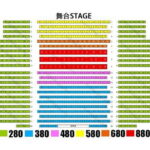
Liyuan Theater ticket choice: upstairs vs downstairs (and your comfort level)
This experience gives you two ticket types: upstairs and downstairs. That sounds simple, but it’s worth choosing with your own priorities in mind.
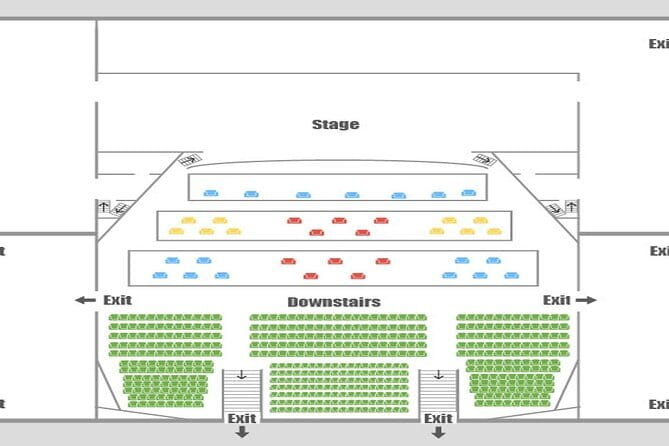
The upstairs option comes with snacks. If you’re the type who hates arriving at a show already tired or snack-empty, that alone can make the extra benefit feel worth it. The snack setup is included with the upstairs tickets, so you don’t have to hunt for food mid-show.
Downstairs is the alternative, and you may prefer it if you’d rather keep things straightforward. Just know the show is only about an hour long, so your time inside the theater is focused. You’ll want the seat/section choice that helps you relax for that exact window.
Also consider your comfort. This show is for people who want live performance details—the kind where you notice gestures, costumes, and vocal style. If you’re sensitive to stairs or crowding, lean toward the ticket and section that best fits how you like to move around during a short night out. The venue is wheelchair accessible, which is a strong plus when planning where you’ll actually spend your time.
You can also read our reviews of more tours and experiences in Beijing.

Your evening starts at Jianguo Hotel Qianmen-Beijing at 7:30 pm
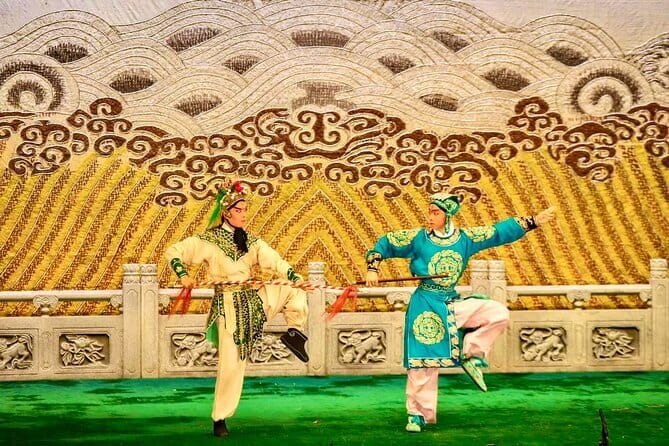
Your starting point is the Jianguo Hotel Qianmen-Beijing, at 175 Yong An Lu, in Xicheng District. The start time is 7:30 pm.
You don’t get hotel pickup or drop-off as part of this setup, so plan to make your way to the meeting area on your own. The good news: it’s described as being near public transportation, so you’re not committing to a complicated route or long taxi rides.
When you arrive, show your name at the reception to find your reservation. This is the kind of small step that can save time if you do it right away, instead of wandering around wondering where your ticket is supposed to be.
From there, the group heads to the Liyuan Theater area for the performance. Because the show time is short, arriving on time is more important here than it would be for a half-day activity.
What happens before the opera: makeup, costumes, and craft
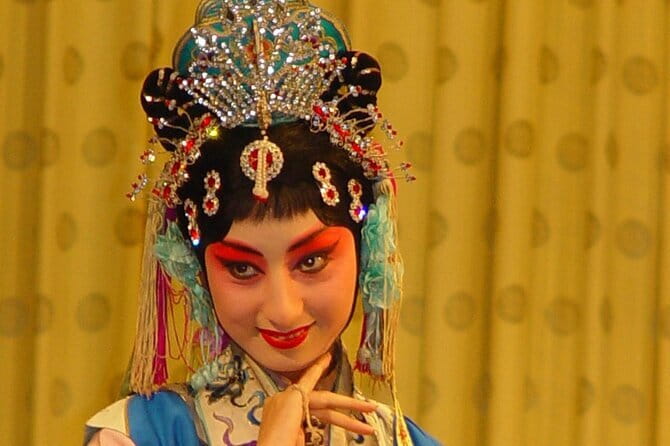
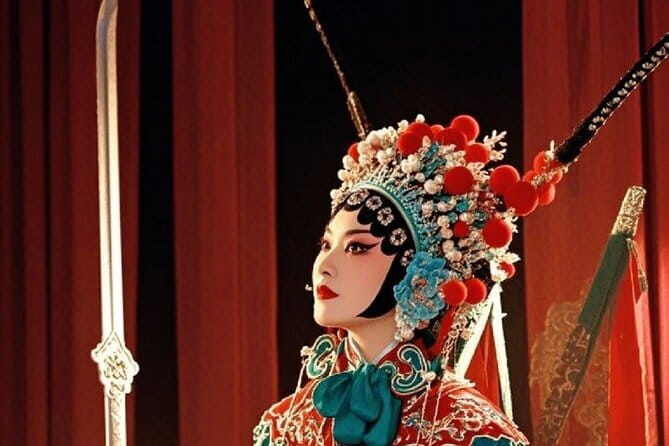
The biggest early hook is that you get to watch performers put on their makeup. This isn’t just cosmetic. In Peking Opera, the face design helps communicate character types quickly—so seeing it happen makes the performance land better when the singing and acting start.
You’ll see performers transitioning from everyday bodies into stage-ready roles. Even if you don’t speak Chinese, you can read the change: eyes sharpen, lines appear, and the face becomes part of the storytelling system. It’s also the point where you start noticing how deliberate everything is—hands, posture, and timing.
You’ll then settle in and watch the show itself. It runs about an hour, which keeps it from dragging. The structure of Peking Opera combines multiple performance forms, including singing, reciting, acting, and acrobatic fighting. That mix is part of why it feels so intense even when you only have a short evening: your attention constantly gets pulled to new skills.
This is also why the makeup sequence is a smart inclusion. For a lot of visitors, the opera can feel like a swirl of stylized acting if you only see the final form. Here, you get the behind-the-scenes transformation, which makes the performance easier to appreciate.
The show itself: what you’ll actually see in an hour
Expect a traditional Peking Opera performance built around storytelling and character expression. The repertoire is drawn from Chinese historical stories, mythological legends, and literary classics. Translation helps, but even without it, you’ll still recognize the dramatic rhythm: a clear sense of conflict, emotion shifts, and physical storytelling.
What stood out most in feedback patterns (and what you’ll likely notice too) is how physical the show can be. Along with acting and vocal performance, there are acrobatic fight moments. If you’re the type who likes stage spectacle, this is the part that tends to win people over quickly. Even when the full plot is hard to follow, the physical skill is obvious.
The show also uses costumes with bright colors and detailed patterns. Costumes aren’t just decoration here—they support the character style and help you track who’s who. When you combine vivid costume design with the makeup, the result is theatrical clarity even for first-timers.
And yes: you’ll be watching singing and reciting, not just dialogue. Peking Opera is its own vocal world, with stylized delivery that can sound unusual at first. The value of English translations is that they give you something to hold onto while your ear adjusts.
English translations: your best friend if you don’t know the genre
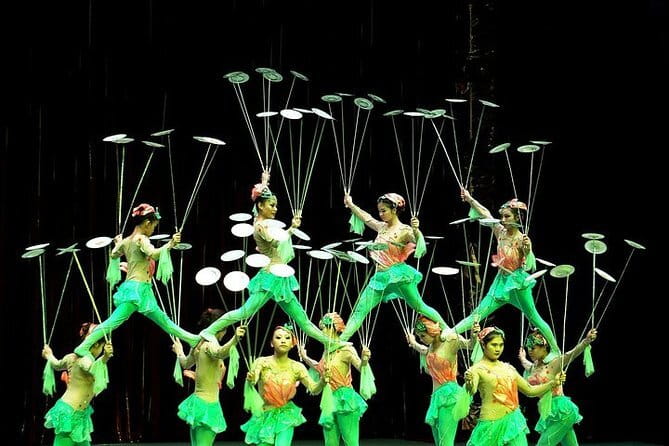
English translations are provided, which is a big deal for first-timers. Peking Opera has a formal, stylized way of telling stories, and plot details matter.
With translation support, you can follow what’s happening instead of only watching body language and costumes. That makes the experience feel less like a mystery performance and more like a story you can actually track.
If you’re thinking, I don’t know Peking Opera at all, that’s fine. The combination of translation + visible physical action gives you multiple ways to understand what’s going on:
- the translated story thread
- the performers’ gestures and acting
- the dramatic pacing of songs and scenes
- the acrobatic moments that signal high stakes
One practical note: translations don’t magically turn everything into plain modern drama. You’ll still be experiencing a traditional art form with its own language. But having the translation support means you’re not stuck guessing what every scene is about.


Snacks and tea: included, but don’t expect a full meal upgrade
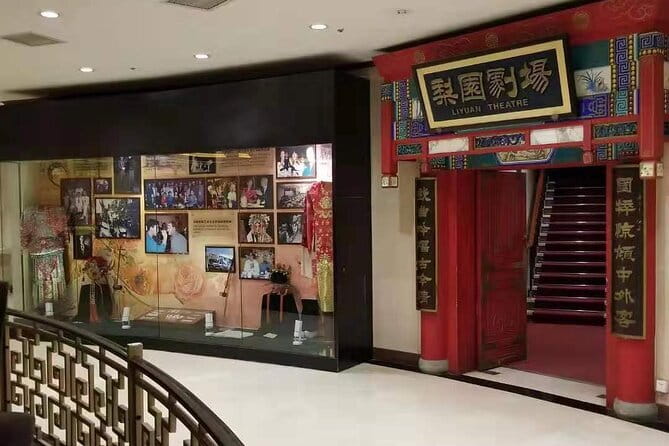
Upstairs ticket holders get snacks. That’s useful on a night out, and it’s also part of why the upstairs option can feel like better value.
That said, manage expectations about how food service will feel. Some visitors found the snack setup less satisfying than they hoped, and tea service in particular wasn’t always smooth without follow-up. So if you’re picky about what you’re eating or you specifically want tea to arrive quickly, don’t sit back on the assumption that it will happen automatically.
Treat snacks as a light add-on, not a guaranteed satisfying meal replacement. If you want a fuller dinner, eat before you go and use the included snacks to top off. This keeps the evening focused on the show, not on wondering whether the refreshments match your ideal.
Price and value: is $30 worth it for a one-hour opera?
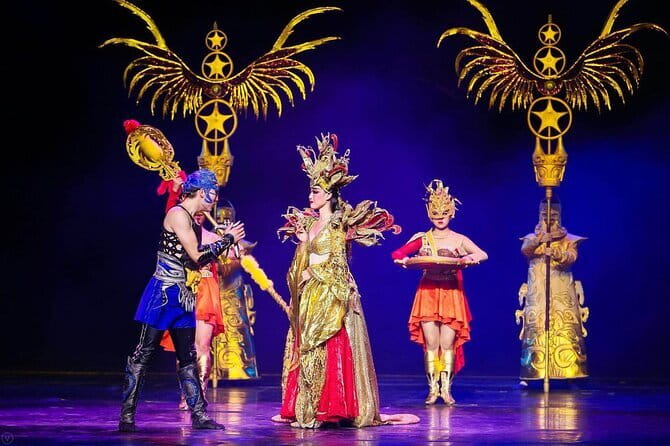
The price is $30.00 per person, with the average booking time about 21 days in advance. It’s a straightforward ticket cost, and the core inclusion is the opera ticket at Liyuan Theater.
What you get for that money is not only admission. You get a structured evening that includes:
- the show itself (about an hour)
- makeup viewing (a rare and memorable part)
- English translations
- snack inclusion with upstairs tickets
- wheelchair accessibility at the venue
When I look at value, I weigh two things: the quality of what you’re experiencing and how easy it is to enjoy. Here, translations and makeup viewing push this beyond a basic theater ticket. Those are the kinds of details that help you understand and appreciate what you’re seeing.
But the price can still feel high if you focus only on the ticket and ignore the added experience pieces. And if you’re the type who expects crisp, well-managed service around snacks, you might feel disappointed.
My practical advice: decide what you’re paying for. If your goal is a cultural night with translation help and makeup craft, $30 for a one-hour show can make sense. If your priority is a top-tier service experience and a standout refreshment setup, you may want to lower expectations or consider spending on dinner separately.
Getting the most out of a short night in the theater
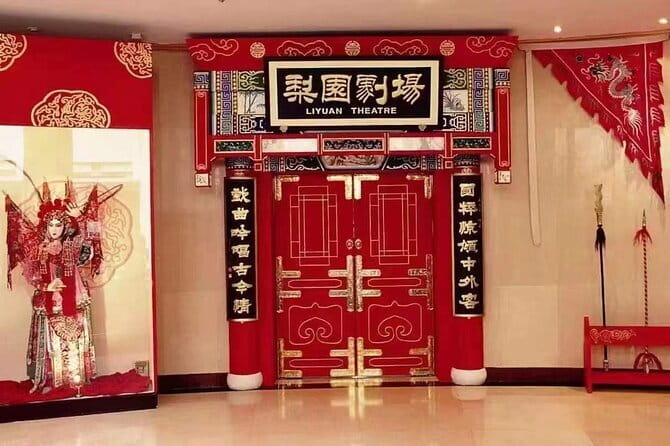
Because the performance is about an hour long, your “prep work” matters more than usual. You don’t have time to drift in, get oriented slowly, or wait around for someone to figure out what your seat is.
Here’s what I’d do to make it smooth:
- Arrive a little early at the Jianguo Hotel Qianmen-Beijing reception so your name check is quick.
- Plan to stay present during the makeup portion. This is where you learn the visual language of the characters.
- If you’re not familiar with Chinese historical or myth-based storytelling, don’t worry. Use the English translations as your anchor, and let acrobatics do some of the work for you.
- With snacks, treat them as a bonus. If you want a full meal, handle food before you go.
Also, keep in mind that this is live performance in a traditional style. You’re going to notice stylized gestures and vocal patterns that don’t aim to sound like everyday speech. That’s not a flaw—it’s the point. If you show up ready for performance art, you’ll enjoy it more.
Who should book this Peking Opera ticket?
This is a great fit if you want a classic Beijing cultural experience that doesn’t demand hours of time. In just about one hour, you’ll see music, drama, and physical action—plus the makeup process that helps you connect the visuals to the characters.
You’ll probably like it if you:
- want English support to follow the story
- enjoy costume and performance craft
- like watching skilled performers in a tight time window
- appreciate traditional theater even if you’re new to it
You might think twice if:
- your top priority is excellent snack and tea service
- you dislike any chance of needing follow-up for refreshments
- you’re expecting a fully modern entertainment experience with smooth, hotel-style pacing
The show’s strength is the performance itself and the translation/makeup add-ons. The area that may frustrate people is the refreshment side of the evening, so plan accordingly.
Should you book the Beijing Liyuan Theater Peking Opera ticket?
If you want an accessible, translation-supported introduction to Peking Opera, I’d say yes—book it. The combination of English translations and watching performers apply their makeup gives you more understanding than you’d get from a standard theater ticket alone. And because the show is about an hour, it’s easy to fit into a Beijing itinerary.
Go ahead and choose the upstairs option if you care about having snacks included and you want that extra comfort detail baked in. Choose the downstairs option if you’d rather keep it simple and focused on the performance.
Just keep expectations practical: this is a theater show first, and the snack side may not feel like a gourmet upgrade. If you show up hungry for culture and performance craft—not for food service perfection—you’ll have a night that’s genuinely worth your time.
FAQ
How long is the Beijing Liyuan Theater Peking Opera show?
The show lasts about 1 hour.
What time do I need to meet?
The experience start time is 7:30 pm.
Where is the ticket redemption/meeting point?
The ticket redemption point is Jianguo Hotel Qianmen-Beijing, 175 Yong An Lu, Xicheng District, Beijing, China (100052).
Are English translations provided during the performance?
Yes. English translations are provided so you can understand the story.
Do I get snacks with my ticket?
Snacks are provided with upstairs tickets.
Is there free cancellation?
Yes. You can cancel for a full refund up to 24 hours before the experience start time.