REVIEW · BEIJING
Beijing: Peking University Campus Guided Walking Tour
Book on GetYourGuide →Operated by Explore PKU · Bookable on GetYourGuide
PKU is a campus you can actually read if someone shows you how. This 2-hour walk turns Peking University into a living textbook, with stops like the Boya Pagoda, Weiming Lake, and the Bell Pavilion—plus the symbolism you’ll miss if you wander alone. I especially like the student-guide perspective and the way the tour connects architecture and statues to real academic culture.
Two highlights that really make it worth your time: you’ll see the Peking University Library and the Statue of Cai Yuanpei, and you’ll learn how PKU grew out of earlier roots like Yenching University. One thing to plan around: since it’s a walking tour with no food included, bring a little stamina for an active route and be ready to keep moving even if you’re taking lots of photos.
In This Review
- Key Points I’d Prioritize
- Why PKU’s East-to-West Walk Works So Well in 2 Hours
- Starting at Beijing University East Gate: The Stone Lion Clue
- Boya Pagoda, Weiming Lake, and the Bell Pavilion: More Than Pretty Stops
- Hua Biao and Qilin Statues: How to Read Campus Symbolism
- The Peking University Library and Cai Yuanpei Statue: Where Academic Pride Gets Physical
- PKU’s Evolution: Yenching Roots, Yuanmingyuan Links, and Heshen Connections
- Traditional Gardens and Courtyard Layouts: The Hidden Meaning Behind the Layout
- Student Life Perspective: What Makes It Feel Real
- Price and Value: Is $39 Worth It?
- Practical Tips to Make the Most of Your Walk
- Who Should Book This PKU Walking Tour
- Should You Book This PKU Campus Guided Walking Tour?
- FAQ
- Where does the tour start?
- Where does the tour end?
- How long is the walking tour?
- What language is the guide?
- How large is the group?
- How much does it cost?
- What landmarks are included?
- Is food provided?
- What should I bring?
- Can I cancel for a refund?
Key Points I’d Prioritize
- Meet at the East Gate stone lion to get oriented quickly before you start walking.
- Boya Pagoda, Weiming Lake, Bell Pavilion give you classic PKU scenery with explanations you can actually use.
- Hua Biao (ornamental pillars) and Qilin statues teach you how symbolism works on campus.
- Cai Yuanpei and the big library show how education is tied to identity, not just buildings.
- PKU’s Yenching-era connections (and links to Yuanmingyuan and Heshen) add historical context fast.
- Traditional gardens and courtyards help you “read” the campus layout like a design system.
Why PKU’s East-to-West Walk Works So Well in 2 Hours

Peking University is huge, and doing it “by map” is a good way to miss the meaning of what you’re looking at. This tour is built for efficiency: you start at the East Gate and finish at the West Gate, moving through the campus with just enough time at each stop for both photos and stories.
The small group size (up to 10) matters here. You’re not competing with a crowd for listening space, and your guide can adjust pace if someone needs a moment. The time frame also keeps the tone focused. In two hours, you’ll get the big landmarks and the main ideas behind them—without the fatigue that comes from trying to see everything in one day.
The tradeoff is simple: you won’t have hours at every location. If you want to linger, pick one or two spots afterward for a return visit.
You can also read our reviews of more tours and experiences in Beijing.

Starting at Beijing University East Gate: The Stone Lion Clue
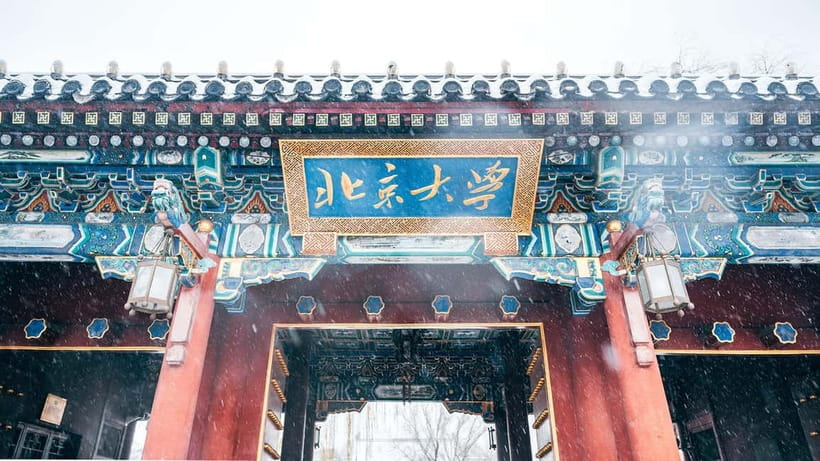
The tour meets at Peking University East Gate, specifically at the stone lion on the right side when you face the gate entrance. That sounds minor, but it’s actually helpful—PKU signage can be confusing if you’re arriving cold, and this gives you a clear “look-for-this” target.
Once you’re in place, the first minutes usually matter most. A good campus walk isn’t just about which building you see. It’s about understanding the logic of the grounds: where your eye should go next, and what details to notice as you move.
If you’re the type who likes photos, this is also the moment to get your settings ready. You’ll be walking and stopping quickly, and the tour moves between outdoor landmarks that are best shot in natural light.
Boya Pagoda, Weiming Lake, and the Bell Pavilion: More Than Pretty Stops
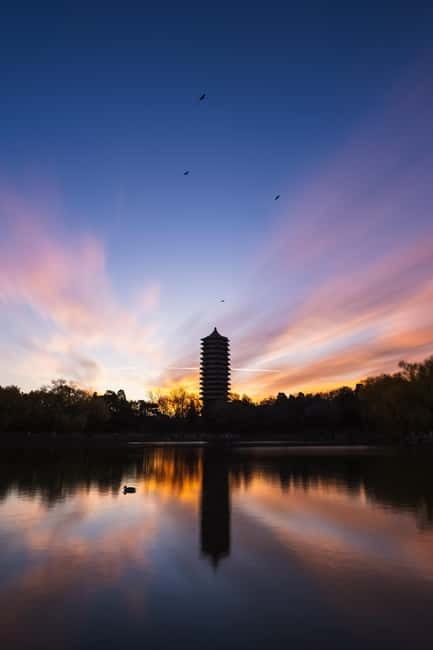
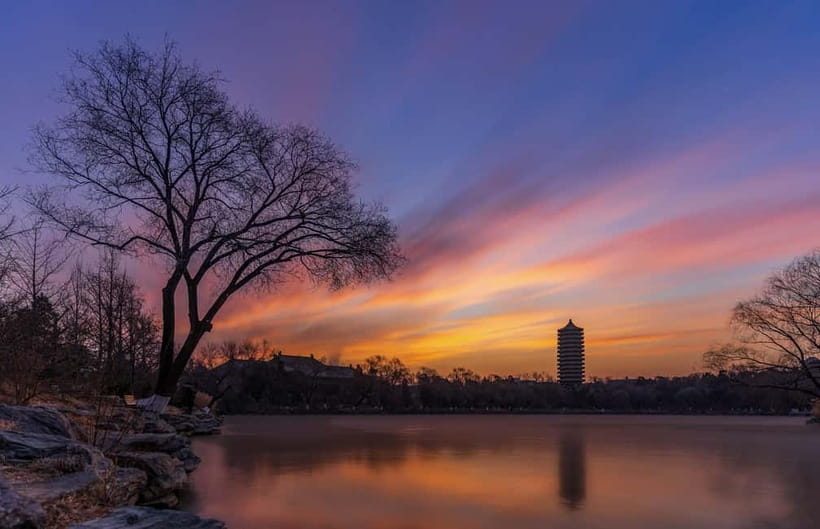
This is the part of the tour where PKU starts to feel like a place with personality. The Boya Pagoda, the Weiming Lake, and the Bell Pavilion aren’t just scenic; each one fits into a different layer of the campus story.
- Boya Pagoda: You’ll hear how it became a campus landmark over time. Pagodas tend to carry both visual presence and cultural meaning, and this stop is meant to show you why people keep pointing at it.
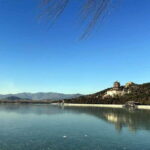
- Weiming Lake: Lakes at old university campuses often act like a campus “breathing space.” Here, you’ll get context for why it’s not random scenery—it connects to how PKU balances study and atmosphere.
- Bell Pavilion: Bells in traditional settings often tie to routine and ritual. The goal isn’t nostalgia; it’s helping you understand how the university’s daily life grew around symbolic structures.
A drawback to expect: these are outdoor stops, so plan for weather. Comfortable shoes matter because you’ll be moving between them at walking speed.
Hua Biao and Qilin Statues: How to Read Campus Symbolism
One of the most interesting parts of a guided walk is that you learn to notice what you’d otherwise ignore. PKU includes Hua Biao (ornamental pillars) and Qilin statues, and the tour focuses on the hidden meanings behind these traditional elements.
Why this matters for you: symbols can feel like decoration unless someone explains the logic. Once you understand what the campus designs are trying to communicate, you start seeing patterns—placements, shapes, and even the “message” behind a sightline.
You’re also being trained to look like a student would. Universities like PKU tend to embed identity into their built environment. This tour gives you the key for that code.
The Peking University Library and Cai Yuanpei Statue: Where Academic Pride Gets Physical
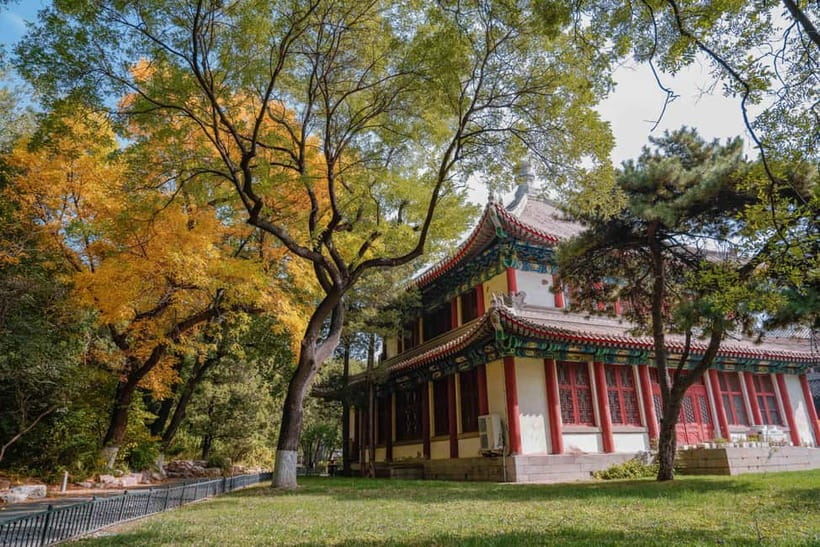
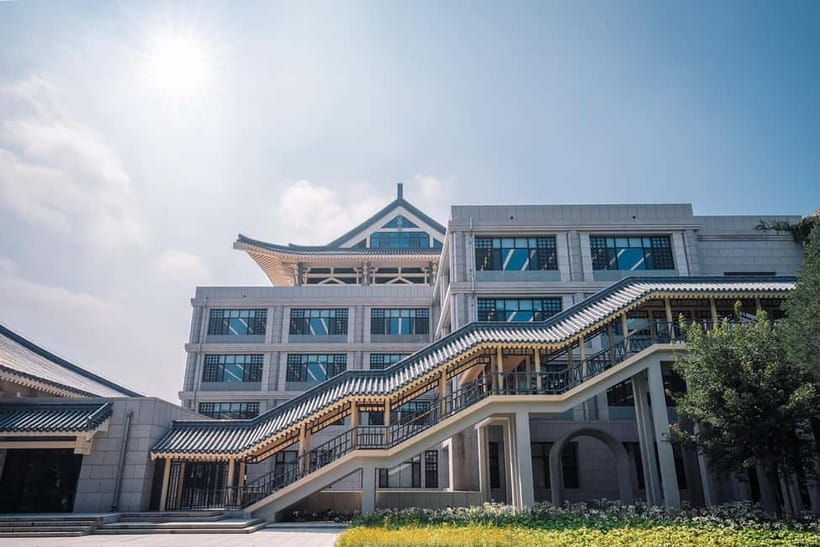
Two stops form the emotional center of the walk: the grand Peking University Library and the Statue of Cai Yuanpei.
The library experience is about scale and intention. A library on a major campus isn’t only for books; it’s a statement about what the institution values. When your guide points out what makes it significant, the building stops being just “a big structure” and becomes part of PKU’s academic identity.
Then you reach Cai Yuanpei, a symbolic figure for PKU. You’ll also learn why paying respects here connects to the university’s ideals—especially as PKU evolved from earlier institutional roots. If you care about education history, this is the stop where the tour connects personal names to big-picture change.
Photo tip: the statue and nearby architecture can make great portraits from a few angles. If you want a clean shot, stand back for a moment before you frame—campus design creates lines that look best when you catch them.

PKU’s Evolution: Yenching Roots, Yuanmingyuan Links, and Heshen Connections
This tour doesn’t keep history locked in the past. It shows how PKU’s current identity grew from earlier forces, including its roots as Yenching University.
You’ll hear how PKU ties into broader stories tied to the Old Summer Palace (Yuanmingyuan), and even its connection to Heshen, an infamous Qing Dynasty official. That last part is not there to shock you. It’s there to show that institutions evolve inside messy historical reality—not in a neat, clean timeline.
What I like about this approach: it prevents the “museum effect.” Instead of treating campus history as facts on plaques, you get it as a chain of decisions, political context, and cultural shifts.
If you’re short on time in Beijing, this is a smart way to understand PKU without needing to plan multiple separate history stops.
Traditional Gardens and Courtyard Layouts: The Hidden Meaning Behind the Layout
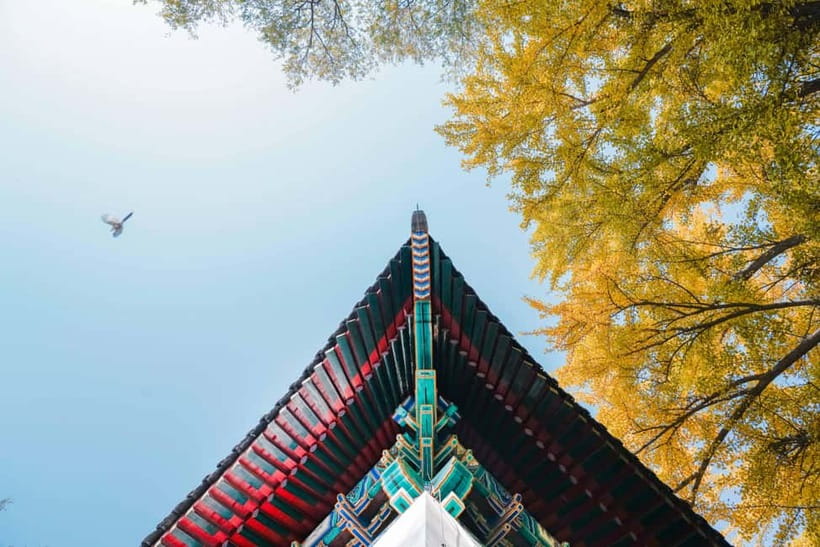
PKU’s grounds are designed with an idea of harmony between nature and scholarship, and this tour makes that visible.
The focus isn’t only on what the gardens look like. It’s on the “why” behind courtyards and building layouts—how the space guides movement, creates quiet pockets, and shapes where your attention lands.
You’ll also get help understanding that gardens on a major campus aren’t just decorative. They’re part of how the university frames daily life: study isn’t only inside classrooms; the outdoor spaces teach patience and rhythm.
If you like architecture, this section is especially satisfying because you start noticing geometry and framing. If you don’t, you’ll still feel the difference—your walk will stop being random and start feeling intentional.
Student Life Perspective: What Makes It Feel Real
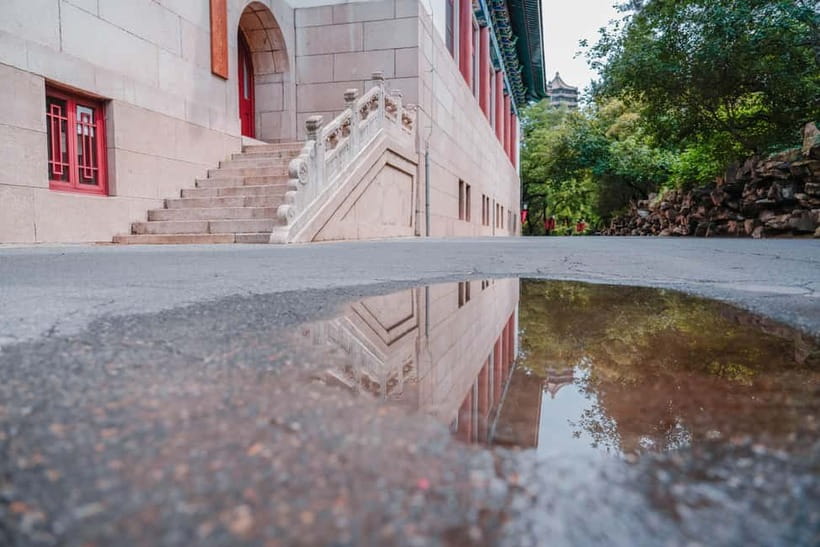
A big reason this tour gets strong feedback is the human element. It’s led by a current student guide, and reviews highlight guides like Henry as friendly, clear in English, and patient.
Some memorable details from those experiences include:
- Henry being described as very friendly and informative
- Clear communication that makes campus history easy to follow
- A mention that Henry has helped families, including being patient with kids
- In at least one case, a guide inviting the group to eat in the school cafeteria, which can add a real taste of campus daily routine if it fits the timing
You can treat this as a cultural bonus, not a guarantee. But the point is that you’re not just getting facts; you’re getting a student’s way of explaining what PKU feels like.
That also means you’ll hear small insights about traditions and academic culture—things that are hard to find in brochures.
Price and Value: Is $39 Worth It?
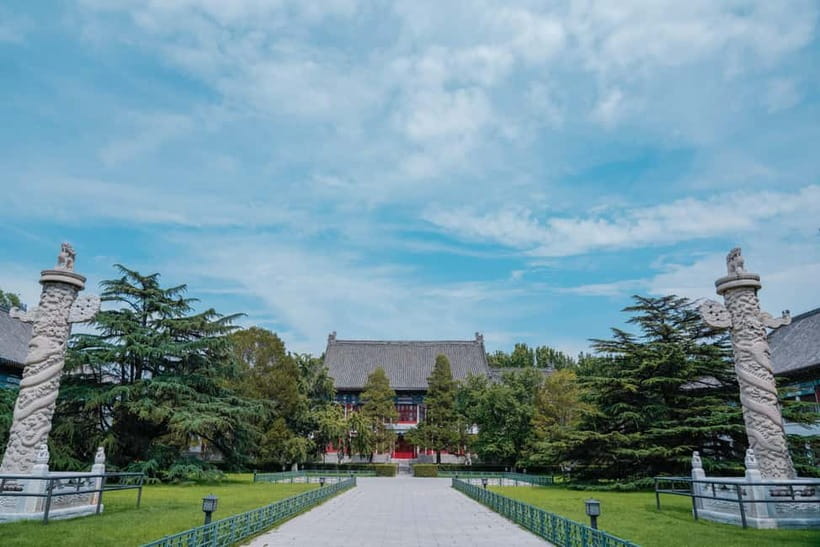
At $39 per person for a 2-hour, English-language, small-group campus walk, the value comes from three places.
First, you’re paying for translation and interpretation, not just access. Campus landmarks are easier when someone explains what you’re looking at—especially for symbols like Hua Biao and Qilin statues, and for why the gardens and courtyard layouts matter.
Second, you’re paying for time efficiency. PKU is not built for easy wandering from one meaningful spot to the next in a short visit. A guided route helps you see the key highlights without guessing.
Third, you’re paying for a real human guide experience. The reviews lean heavily toward friendliness, clarity, and professionalism, and the fact that it’s capped at 10 people helps that stay true in practice.
If you’re traveling with kids, this format also tends to work better than a long, self-guided loop. That said, bring realistic expectations: it’s still a walking tour.
Practical Tips to Make the Most of Your Walk
This is one of those tours where small choices make a big difference.
- Wear comfortable shoes. You’ll be walking between landmarks, and campus surfaces can add up.
- Bring a camera. The tour is photo-friendly because it hits iconic structures and scenic outdoor areas like Weiming Lake.
- Keep some flexibility in your day. You’re not just going to one building; you’re moving across campus and stopping often.
- Plan for no food included. If you’re hungry, handle it before or after. If your guide offers a cafeteria break, you’ll know it’s optional and tied to the route and timing.
Also, if your Chinese is limited, don’t worry. The tour is conducted in English, and the guide approach is built around making complex context understandable.
Who Should Book This PKU Walking Tour
This tour is a great fit if you want:
- a compact way to see PKU’s main landmarks in a short window
- explanations that connect buildings, symbols, and gardens to education culture
- an experience led by someone who lives the campus now, not only someone reading from a script
- a history-and-architecture blend that’s easy to follow in English
It may not be the best match if you prefer:
- long, slow wandering with lots of downtime
- deep entry into one building only (this route is about coverage and connections)
- a purely modern, contemporary campus focus without the older layers
Should You Book This PKU Campus Guided Walking Tour?
Yes, if you want your PKU visit to feel like you understand it—not just see it. The combination of iconic landmarks, symbolic stops like Hua Biao and Qilin statues, and the big identity thread from Yenching University to modern PKU makes the tour more than a checklist.
I’d especially recommend booking if you’re the type who likes design details, statues, gardens, and the stories that explain why a place was built the way it is. And at $39 for a small-group walk lasting two hours, it’s a reasonable use of your time in Beijing.
If you’re unsure, look at your priorities. If your goal is understanding and context, this tour fits tightly. If your goal is simply maximum free time and minimal structure, you might prefer a self-guided day.
FAQ
Where does the tour start?
The tour starts at Peking University East Gate, at the stone lion on the right side when facing the gate entrance.
Where does the tour end?
The tour finishes at Peking University West Gate.
How long is the walking tour?
The duration is 2 hours.
What language is the guide?
The tour is conducted in English.
How large is the group?
It’s a small group with a limit of 10 participants.
How much does it cost?
The price is $39 per person.
What landmarks are included?
The tour includes visits to Boya Pagoda, Weiming Lake, the Bell Pavilion, Hua Biao (ornamental pillars) and Qilin statues, plus the Peking University Library and the Statue of Cai Yuanpei.
Is food provided?
No. Food and drinks are not included.
What should I bring?
Bring comfortable shoes and a camera for photos.
Can I cancel for a refund?
Yes. You can cancel up to 24 hours in advance for a full refund.