REVIEW · BEIJING
Beijing:Tiananmen Square tickets (guide optional)
Book on GetYourGuide →Operated by Chinatravelhelper · Bookable on GetYourGuide
Tiananmen feels big even before you enter. With a pre-reservation, you dodge a lot of the guessing and hassle, and the focus on Chinese history makes the architecture click instead of blending together. I also like the small-group format (up to 8), especially if you choose the optional English guide. The main thing to keep in mind: without a guide, the experience can feel more like security logistics and crowd control than a story.
This is built around a timed visit, so you’re not just wandering into Beijing’s most famous square. You’ll pick your window (flag rising, morning, afternoon, or evening), and the visit is set up to fit within a day-long plan (about 6 hours on the schedule you choose).
Before you go, the details matter. You’ll need your passport, and your reservation must be made no later than 10:00 PM Beijing time the day before. Meet at Qianqiao Station (Line 8), but for transit planning around the area, Tian’anmendong Station (Line 1) is the key subway stop.
In This Review
- Key things to know before you go
- Why Tiananmen Square tickets feel like a smart move
- Choosing your visit window: flag ceremony vs morning vs afternoon vs evening
- Getting to the meeting point and the security checkpoint efficiently
- Inside Tiananmen Square: what to look for once you’re through
- Pair Tiananmen with nearby Beijing highlights
- Price and value: what $2.23 buys you (and what it doesn’t)
- Who this Tiananmen Square ticket setup is best for
- Should you book this Tiananmen Square ticket tour?
- FAQ
- What’s the latest time I can make a reservation?
- How long does this experience take?
- Where do I meet the group?
- Which subway station should I use for Tiananmen area access?
- What do I need to bring?
- Are there different visit time options?
- Is there an English guide?
Key things to know before you go
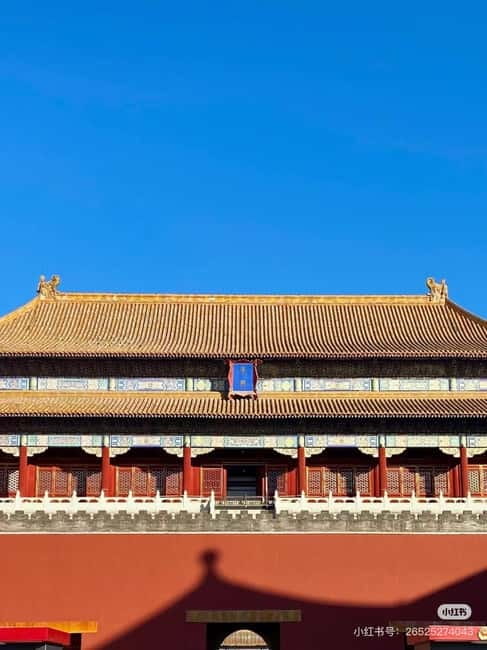
- Pre-reserved Tiananmen Square entry: less uncertainty and less time wasted trying to figure out access on the spot
- Timed visit windows: flag ceremony, morning, afternoon, or evening, so you can match your energy level
- Small group size (up to 8): easier pacing through checkpoints and easier questions in English
- Square dimensions you can actually picture: about 880 m north-to-south and 440,000 m² total area
- Nearby history you can pair with afterward: Beihai Park, National Museum of China, Forbidden City
Why Tiananmen Square tickets feel like a smart move
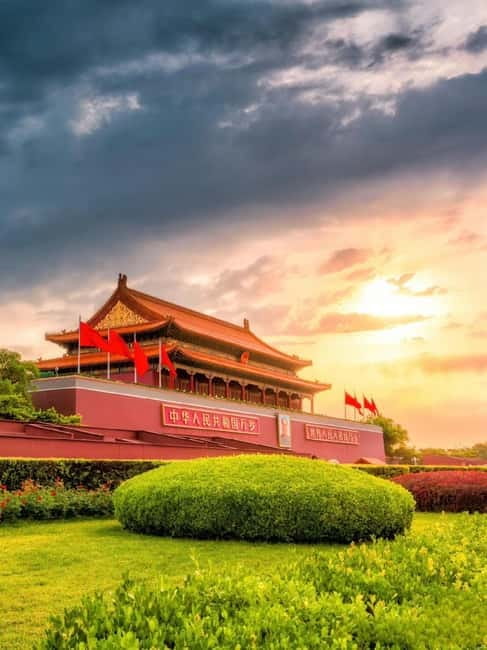
Tiananmen Square is the kind of place where the setting matters as much as the sights. The big value here is simple: a pre-reservation helps you skip a lot of the stress that can come with trying to line up, figure out access rules, and time your day around security.
The square is massive and very formal. Once you’re inside, it’s easy to feel overwhelmed if you treat it like just another landmark. This ticket format nudges you toward an experience with structure, so you can actually look at the architecture and understand what you’re seeing.
I especially like that the experience is designed around what you can learn from the space itself—history, symbolism, and the way the buildings and layout communicate power and identity. The architecture isn’t just background. It becomes part of the meaning of the square.
One practical caution: the day is likely to feel controlled. That’s not a deal-breaker, but it’s worth accepting up front. If you skip the guide option and don’t come prepared to ask questions or read on your own, you may find yourself watching other people’s movement more than absorbing the story.
You can also read our reviews of more tours and experiences in Beijing.


Choosing your visit window: flag ceremony vs morning vs afternoon vs evening
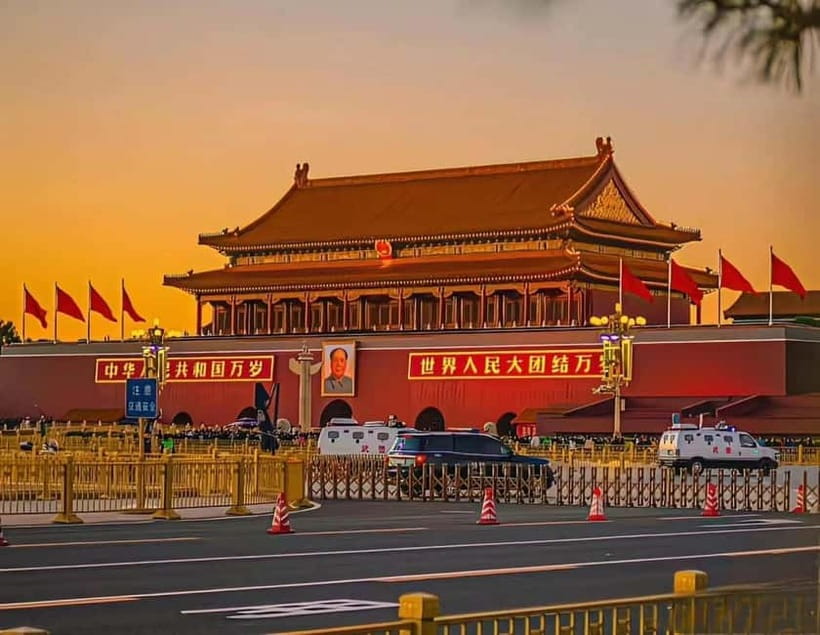
The biggest decision is when you go. This ticket experience lets you choose a time slot, and that choice shapes the whole vibe.
Here are your options:
- Flag ceremony: 5:30–7:00
- Morning: 7:00–12:00
- Afternoon: 12:00–15:00
- Evening: 15:00–19:00
If you choose the flag ceremony, you’re signing up for early wake-up energy and a more ceremonial atmosphere. For many people, that’s the easiest way to feel the square’s purpose rather than just its size.
Going in morning often gives you the best mix of manageable light and a less compressed day flow than peak midday. If you prefer photography, you’ll usually be glad you didn’t wait until the afternoon.
The afternoon slot can work if your schedule is tied to other Beijing priorities. Just know it’s the time when you may feel the most heat, crowds, or glare depending on the season.
The evening option is good when you want the square without the earliest start. With later hours, you’re more likely to combine it naturally with other central-area sightseeing.
A real-world timing tip: one example schedule showed that, for a morning visit around 9:00, the process at the security checkpoint ran about plus or minus an hour, and then people spent roughly about an hour inside. That doesn’t guarantee your exact timing, but it’s a strong argument to build your day with breathing room instead of packing the minute-by-minute.
Getting to the meeting point and the security checkpoint efficiently
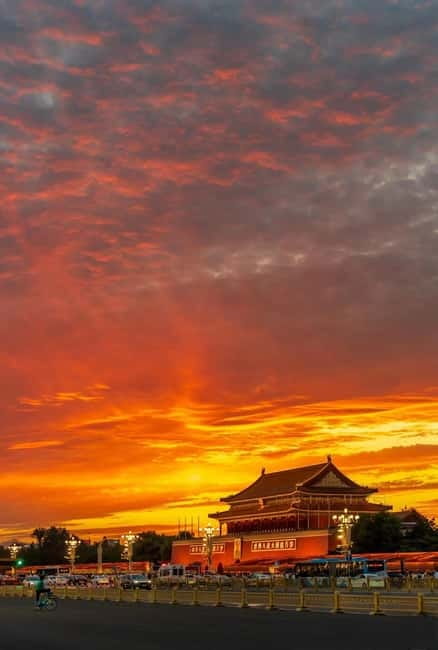
You’ll meet at Qianqiao Station (Line 8). Plan to arrive early enough that you’re not sprinting across platforms. In a place like Tiananmen, getting stressed right before security is the easiest way to lose time.
The transit note in your planning is also important: for the area, Tian’anmendong Station (Line 1) is the practical stop many people use to approach. So if you’re comparing routes, Line 1 is a useful reference for where the action is, while Line 8 is where the group meet happens.
What to bring is straightforward:
- Passport (required)
And you’ll want to treat the reservation info like it’s official paperwork, because it is. Your booking requires:
- full name matching your passport
- passport number (the number itself is essential; expiration date isn’t essential)
- sex, age, nationality
- chosen visit time (flag-rising ceremony, morning, afternoon, or evening)
This is one of those “small details, big payoff” situations. When your name and passport number match cleanly, you reduce the odds of delays at checkpoints.
Also note the behavior rules you’re given:
- no smoking
- no making fire
Keep it simple and you’ll glide through.
Inside Tiananmen Square: what to look for once you’re through
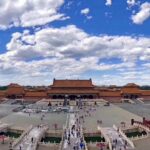
Tiananmen Square sits in the center of Beijing. It’s enormous—about 880 meters from north to south and 500 meters from east to west, with roughly 440,000 square meters of space. That scale is part of the experience. From one end to the other, you’ll feel how the layout turns architecture into message.
Here’s what I suggest you focus on so you don’t just drift with the flow:
- The geometry and symmetry
The square’s layout is built for ceremony and sightlines. Stand still long enough to notice how the buildings and open space pull your eye into the center.
- The architecture at a walking pace
Treat the walk as your “museum time.” Even if you only have a limited window inside, you’ll get far more out of it if you look deliberately rather than trying to see everything at once.
- The story the space is trying to tell
The square is not just a backdrop. It’s tied to major chapters in modern Chinese history, and that context changes how you interpret what you’re seeing.
A common mistake is to arrive expecting the square to feel like a casual plaza. It’s not that kind of place. It’s more structured and formal. If you bring that mindset, you’ll enjoy it more.
If you choose the optional guide (English), you’ll likely get more from the architecture and the historical references. If you choose to go without a guide, consider reading a short primer beforehand so your eyes land on meaningful details.
Pair Tiananmen with nearby Beijing highlights
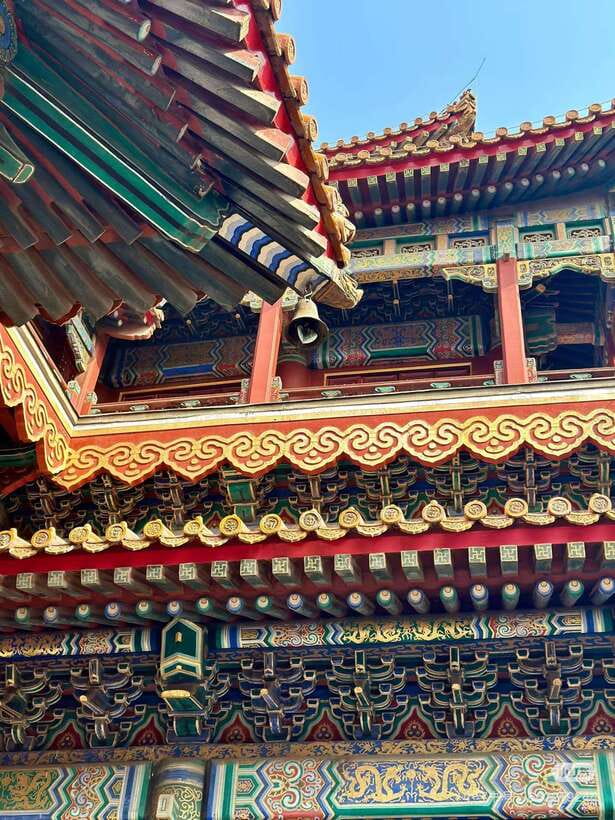
One of the smartest ways to make Tiananmen feel less like a single “stop” and more like a day is to plan a nearby follow-up. The good news is that the area is well positioned for classic Beijing sights.
Here are the attractions listed as nearby, and how you might use them:
- Beihai Park
Good if you want a calmer contrast right after a highly formal, symbolic space. Parks give you a slower pace to reset.
- National Museum of China
Works best if you like connecting the dots between what you saw in the square and the broader national story. It’s a natural extension for people who enjoy learning through exhibits.
- Forbidden City
This is the big cultural anchor nearby. If you want to compare the square’s modern ceremonial feeling with imperial-era palace space, it’s a strong pairing.
Timing matters. If you go for the flag ceremony, you may want your next stop to be something that doesn’t require rushing immediately afterward. If you go later in the day, you can often move straight into one of these nearby sights with less gap time.


Price and value: what $2.23 buys you (and what it doesn’t)
The ticket portion is listed at $2.23 per person, which is strikingly low on paper. But the real value here isn’t only the price. It’s what the ticket system is designed to do for you: reduce hassle and help you enter during your chosen time window.
What you should expect included:
- Tickets to Tiananmen Square
- Guide fee (optional) if you choose that add-on
What’s not included:
- food
- other personal expenses
So budget for meals and water, and don’t plan your whole day around buying nothing. Also build in extra time for moving, because security and crowd flow can change your pace.
Small-group size (up to 8) adds value too. Big tours can feel chaotic. Here, the group limit suggests a more controlled experience through logistics.
One more thing to consider: you’re visiting one of the most controlled public spaces in China. If your priority is effortless, predictable entry and an English-speaking point person, the guide option is likely worth the extra cost. If your priority is just seeing the space and you’re okay with self-guiding, you can still have a good visit with the pre-reservation.
Who this Tiananmen Square ticket setup is best for
This works well if:
- you want structured access and dislike uncertainty
- you want to learn while you look, especially if you pick the English guide option
- you’re visiting during a time when timed entry matters for your schedule
- you like small groups more than large, loud line-chasing
It might be less satisfying if:
- you need a relaxed, casual stroll with zero formality
- you expect the experience to feel like a typical outdoor attraction without security involvement
- you go in completely cold, with no plan for what you want to understand
If you’re the type who enjoys history and architecture, you’ll likely get more value out of your time inside than someone treating it like a quick photo stop.
Should you book this Tiananmen Square ticket tour?
If your main goal is to make Tiananmen happen smoothly, I’d lean toward booking. The combination of a pre-reservation, a timed window, and the option for an English guide turns a stressful-sounding landmark into a manageable day plan.
I’d especially book if you hate uncertainty, you’re traveling on a tight schedule, or you want your time inside to feel purposeful. If you do book, pick your time window based on your energy and daylight, and give yourself extra buffer for checkpoint processing.
If you tell me your travel month and whether you want the flag ceremony or a later slot, I can help you choose the best window and suggest a simple before-and-after plan around the nearby sights.
FAQ
What’s the latest time I can make a reservation?
You need to make your reservation no later than 10:00 PM (Beijing time) the day before.
How long does this experience take?
The duration is listed as 6 hours to 1 day, depending on the availability and time window you choose.
Where do I meet the group?
The meeting point is at Qianqiao Station (Line 8).
Which subway station should I use for Tiananmen area access?
For getting to the area, the guidance given is to get off at Tian’anmendong Station (Line 1).
What do I need to bring?
Bring your passport.
Are there different visit time options?
Yes. You can choose flag ceremony (5:30–7:00), morning (7:00–12:00), afternoon (12:00–15:00), or evening (15:00–19:00).
Is there an English guide?
The tour includes a live tour guide in English, and the guide option is described as optional (you can choose the guide option).