REVIEW · CHENGDU
Tea Village in lost Town and Buddha 1 day tour
Book on Viator →Operated by U2Panda · Bookable on Viator
Boat views make the Giant Buddha feel human. This day trip pairs the UNESCO-listed Leshan Giant Buddha with a hands-on tea village experience outside Chengdu, with hotel pickup starting at 08:00.
I love the Giant Buddha boat trip for getting the right sense of scale without turning the day into a workout. I also love the tea lesson side of the tour: you walk through tea countryside, learn how harvesting works, then sample multiple teas after learning how they’re made.
One heads-up: the day runs about nine hours and it’s fairly full, so you’ll want comfy shoes and a rain layer just in case the weather doesn’t cooperate.
In This Review
- Key highlights worth the day pass
- From Chengdu at 8:00: how the day really moves
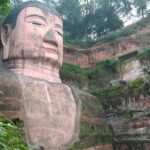
- Leshan Giant Buddha by boat: the scale hit that counts
- Leshan’s 1400-year-old feel: tea houses and old workshops
- Jiajiang Tianfu Tea Plantation: picking tea like it matters
- Tea-making and tasting: the part that turns info into taste
- Lunch and snack moments: Sichuan food with a local pace
- Price and value: what you’re paying for at $169.24
- Practical tips so your day goes smoothly
- Who should book this tour (and who should skip it)
- Should You Book the Tea Village and Buddha Day Trip?
- FAQ
- What time does the tour pick me up in Chengdu?
- How long is the tour?
- Do I visit the Leshan Giant Buddha and is the boat trip included?
- Are admissions included for the stops?
- How big is the group?
- What if I need to cancel last minute?
Key highlights worth the day pass
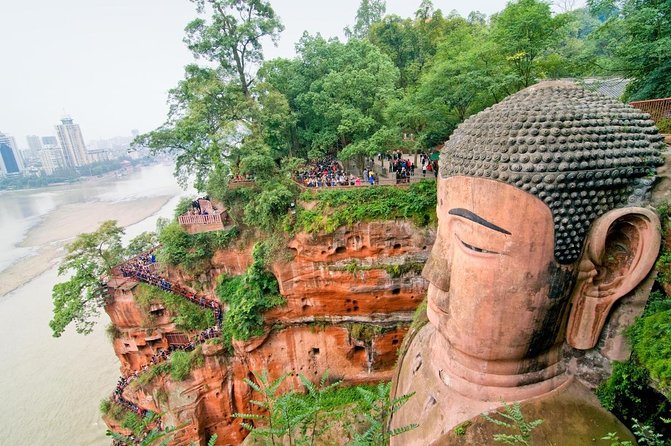
- River-scale UNESCO Buddha: a short boat ride that helps you understand just how massive the statue really is
- Small group feel (max 15): you get a guide and a comfortable vehicle without feeling lost in a crowd
- Old Leshan town with real texture: tea houses and hand-craft shops in areas that feel less staged
- Jiajiang tea mountains with a farmer guide: hands-on picking in a real tea garden, not a showroom
- Tea-making and tastings: you learn the workflow, then compare regional teas with a guided tasting
- Local lunch and snack moments: the day includes eating like a local, not just sightseeing
From Chengdu at 8:00: how the day really moves
This tour starts the way good Sichuan day trips should: early, organized, and low-stress. You get picked up from your hotel at 08:00, then you settle into an air-conditioned car/van with an English-speaking local guide. The group size tops out at 15, which matters. It keeps the pace from turning into a long line of people trying to listen over each other.
The “private guide and vehicle” angle is also practical. Even with a small group, you’re not stuck with a guide who’s only half paying attention. On days like this, you’ll enjoy being able to ask follow-ups—especially around tea, where the details can get surprisingly specific.
The total time is about 9 hours, so you’re not drifting. You’re moving from wonder to craft to food, with enough breaks to stay comfortable but not enough time to wander off on your own. If you prefer slow travel with lots of free time, this might feel a bit fast. If you like a full day with solid structure, it’s a good fit.
You can also read our reviews of more tours and experiences in Chengdu.


Leshan Giant Buddha by boat: the scale hit that counts
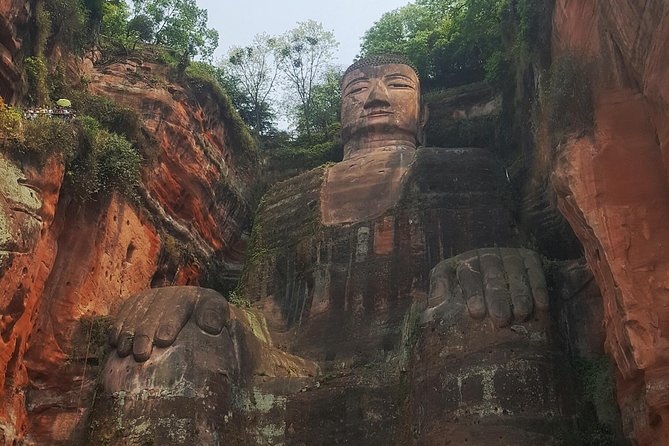
The UNESCO Leshan Giant Buddha is the headline, and the tour gets it right by approaching the statue from the water first. After the morning drive, you board for a boat trip from about 10:10 to 10:50. That timing is great because the light and the mood tend to be forgiving—you get the views without the “all-day standby” feeling.
Why I like this approach: boat views do something walking can’t. From the river, you see the statue in its working relationship with the landscape and the waterway. You also get repeated angles without needing to hike every possible viewpoint. One review-style takeaway from real experiences: the boat ride is an easy, short way to understand size fast.
If you want an even closer look, you should know this: the tour’s water angle gives you big-picture understanding, while a hike may be better for people who want proximity and steep views. So you can treat this as the scale tour—and add a hike only if you’re craving effort.
Right after the boat segment, you also get time to get oriented around Leshan (the schedule includes time for taking in the area, roughly 10:50 to 11:20). It helps your brain connect what you saw from the river to what you’ll explore on land next.
Leshan’s 1400-year-old feel: tea houses and old workshops
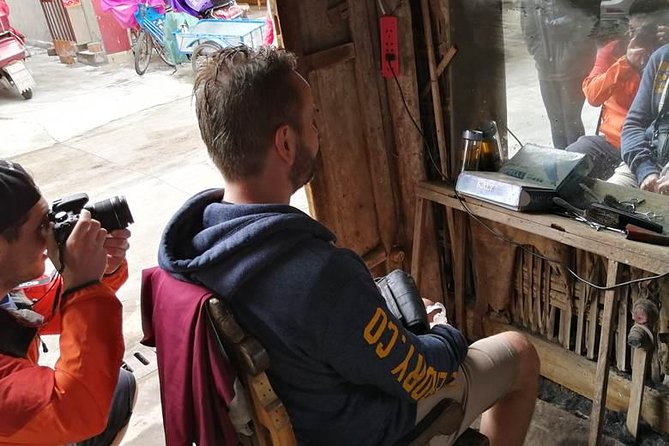
Next comes the human side of Leshan. The tour heads to an ancient town area where the vibe is less theme-park and more old-day routines. The schedule includes a dedicated block in Leshan’s traditional spaces, with entry handled in the tour plan in some parts (and free admission noted for the Leshan stop).
This is where the tour leans into what makes Sichuan feel lived-in:
- A traditional tea house linked to the Qing Dynasty era (600+ years old)
Sitting in an old tea setting changes the mood. You’re not just learning tea facts; you’re drinking in the historical context of tea culture.
- Hand-craft and workshop areas
You’ll see old workshop style shopping and crafts. Even if you don’t buy anything, the point is to watch how the day-to-day trades work.
- An old courtyard house family visit
A courtyard visit turns the tour from sightseeing into social context. You get a chance to see how families interact with tea culture at home, not just how it’s presented to tourists.
- A mini foodie snack route
This is practical: you get small bites that help you pace yourself while walking.
The “time traveler” feeling people talk about is real in the sense that you lose that modern tourist rush. You’ll still see other visitors at major sites, but this segment feels like the tour wants you to slow down and look.
Drawback to plan for: you’ll be walking through old-town areas with narrow paths and uneven steps. Comfortable shoes matter more than perfect outfits.
Jiajiang Tianfu Tea Plantation: picking tea like it matters
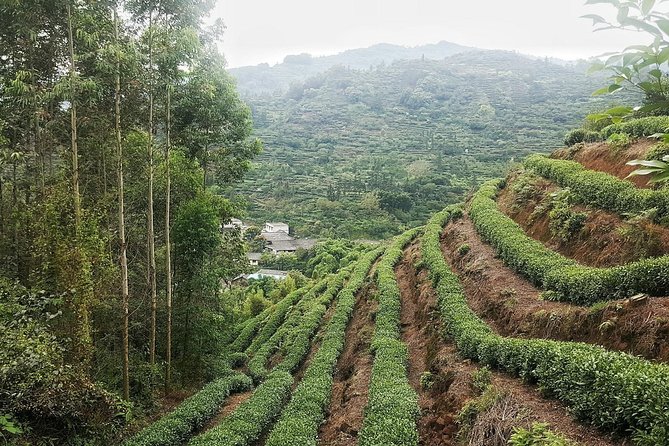
After Leshan, the day moves into the tea world in a hands-on way. You drive up to the Jiajiang Tianfu Tea Plantation, which is described as the largest tea market in southwest China—and that context matters. This isn’t only about personal enjoyment; it’s about the scale of tea production and trade in the region.
On the ground, you get a guided visit led by a tea farmer. The key experience here is the harvest lesson:
- Walking in a tea garden
- Learning how to pick tea leaves
- Connecting the harvest to how tea tastes later
The tour plan includes tea picking experience and a tea farmer house visiting segment. That matters because it gives you a more complete picture than a farm photo stop. You’re seeing how the process connects from field to household to cup.
Also, one of the more memorable review-style details: people describe a sort of hand-crafted rhythm—like tea is something made step by step, not something that appears on a shelf. Even if you’ve drunk tea before, this type of field-to-finish experience helps you understand why different teas have different characters.
You’ll likely be outside on a mountain area, so think about sun and weather. Bring a light layer for cool air and a rain layer if skies look uncertain.
Tea-making and tasting: the part that turns info into taste
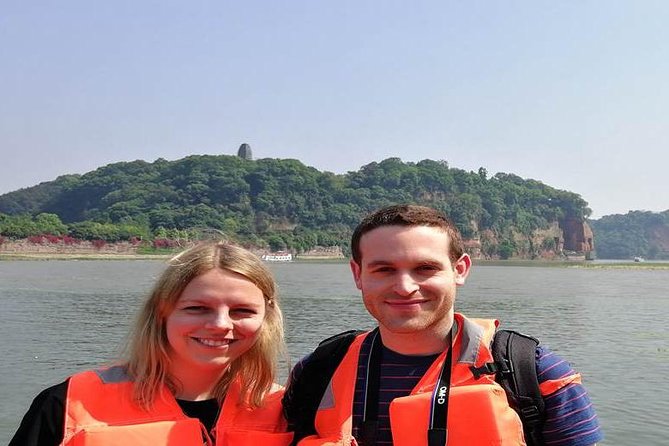
The tour doesn’t stop at picking leaves. You get a tea making experience and then a tasting of various regional teas. This is where a good guide helps a lot—because tea can be confusing when you only taste a few types.
The tasting is practical and interactive. You’re not just sampling; you’re comparing. And you can learn what to notice:
- aroma before the first sip
- the way tea bitterness and sweetness balance
- how different teas feel through the finish
One memorable detail connected to guide quality: some experiences name Sheldon (with U2 Panda) as a creator of a deeply local tea narrative. Another named guide is Patrick, praised for clear English explanations and strong context about the Buddha and local culture. When you have a guide who can connect the tasting to what you saw in the garden, the whole day clicks.
How to get the most out of tasting: take small sips, don’t rush, and ask short questions. For example, you can ask which teas were easiest to harvest and why certain teas are associated with certain regions. The more you ask, the more the tasting becomes a learning session instead of a simple sip-and-go.





Lunch and snack moments: Sichuan food with a local pace
This is not a tour that treats lunch like a checkbox. The plan includes lunch of delicious local foods, and there are also snack moments built into the old-town walking portion.
One review-style highlight that fits the tour’s theme: lunch can include a sit-down meal with a local farmer and family members. That kind of setup helps you understand the day beyond the attractions. You’re eating while you’re still in the middle of the story.
If you have dietary restrictions, this is the one time to be direct. The tour plan doesn’t list dietary options. I’d plan to tell your guide clearly before the day starts—especially if you avoid specific ingredients or strong spicy dishes, since Sichuan cooking can be intense.
Price and value: what you’re paying for at $169.24
At $169.24 per person for an about 9-hour day, the price looks fair once you tally what’s included. This isn’t only a guide and a bus ride. You’re also getting:
- pickup service from your hotel
- a comfortable car/van and a full day of driving
- English-speaking local guide support
- Giant Buddha boat trip
- parts of the day with admission handled (and noted free admission for the Leshan town segment)
- tea plantation visiting and tea picking
- tea making experience
- lunch and snack experiences
- a small-group limit (max 15)
If you tried to DIY this, you’d spend time coordinating transport, figuring out which viewpoints match your goals, then arranging tea farm time and a guide who can explain the process. This tour’s value is that it bundles the logistics and the cultural context, so you spend your energy looking and tasting instead of negotiating.
Also, you may see group discounts mentioned. In practice, that usually helps keep the day from getting priced like a private driver-only tour. Still, because the experience is small-group and guided, it’s a smart choice for people who want structure but don’t want a crowded, impersonal day.
Practical tips so your day goes smoothly
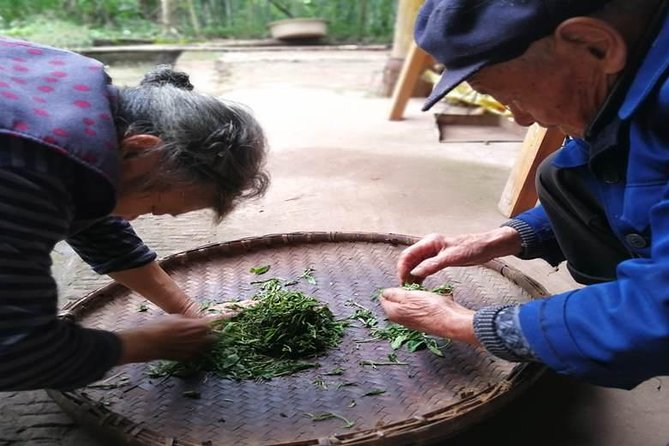
A few things to prepare for, based on how this tour runs in reality:
- Wear shoes you can walk in. Old town areas and tea-garden paths can be uneven.
- Bring a light rain layer. One rain-day experience still worked, but wet weather changes comfort fast.
- Expect a “full” schedule. This is not a pick-your-own pace tour. If you like to linger, you may want to linger later on your own.
- Ask your guide questions during tea tasting. If you wait until the end, you’ll miss chances to connect harvest and flavor.
- Use your hotel pickup time. Missing the pickup can derail the whole flow, since the day has fixed segments like the boat ride.
Finally, keep your expectations balanced: the boat ride gives you scale; the tea segments teach you process. This is a day built for understanding, not just photos.
Who should book this tour (and who should skip it)
Book it if you want:
- a strong UNESCO highlight without turning the day into strenuous hiking
- a tea-focused cultural experience with real field and family elements
- a small-group day with English explanations and a structured pace
- time for tasting and lunch as part of the learning, not an afterthought
Skip it if:
- you’re chasing lots of free time and wandering at your own speed
- you only want the closest possible Buddha viewpoint and are unwilling to do extra walking/hiking elsewhere
- your schedule is too tight for a full 9-hour day
Should You Book the Tea Village and Buddha Day Trip?
If you want a one-day hit of Sichuan that mixes big-scale wonder with hands-on food culture, this is a solid booking. The boat approach to the Leshan Giant Buddha is efficient and view-rich, and the tea part doesn’t feel like a tourist detour—it’s built around picking, making, and tasting with local guidance.
My call: it’s best for visitors who like learning through doing. If that’s you, you’ll likely love how the day connects the river, the town, and the tea fields into one coherent story.
FAQ
What time does the tour pick me up in Chengdu?
Pickup is offered starting at 08:00 from your hotel in Chengdu.
How long is the tour?
The day runs about 9 hours.
Do I visit the Leshan Giant Buddha and is the boat trip included?
Yes. You visit the Leshan Giant Buddha area, and the boat trip is included.
Are admissions included for the stops?
Admission details vary by stop: the ancient town segment notes admission included, the Leshan town stop is listed as free, and the tea plantation stop includes admission.
How big is the group?
The tour has a maximum group size of 15 travelers.
What if I need to cancel last minute?
You can cancel for a full refund if you cancel up to 24 hours before the experience starts. Canceling less than 24 hours before start time is not refundable.