REVIEW · CHENGDU
Visiting Dujiangyan Yaan Wolong Panda Base Optional Volunteering
Book on Viator →Operated by MyPandaTours · Bookable on Viator
This panda day feels like backstage work. It turns a Chengdu panda visit into a supervised volunteer shift at Dujiangyan, Ya’an, or Wolong, with you preparing food and bamboo inside the conservation site.
I love the small group cap (up to 15) because it keeps things calm and lets you actually hear the guide over the morning rush. I also like that the day mixes hands-on tasks with structured learning, including an orientation and panda documentary time.
One heads-up: the rules are strict. You can’t touch or hold pandas, and you’ll need to follow the base’s hygiene and dress expectations (no perfume/cologne, wear proper shoes, and plan for an early start).
In This Review
- Key Highlights Worth Caring About
- A Small-Group Panda Day With Real Keeper-Style Tasks
- Where You Go: Dujiangyan, Ya’an Bifengxia, or Wolong
- 7:20 Chengdu Pickup, Then Orientation Before Work Starts
- Volunteer Tasks You Actually Do: Bamboo, Food Prep, and Snacks
- Museum and Panda Viewing Time: See Them, Without Disrupting Them
- What Lunch Feels Like in a Long Conservation Day
- Guide Makes the Difference: Why English and Names Matter
- Price and Value: Is $234 Worth a 9-Hour Day?
- Panda Rules and What to Pack: Small Things That Prevent Big Headaches
- Who Should Book This Panda Volunteering Day Trip?
- Should You Book This Panda Volunteering Day Trip?
- FAQ
- What time does the tour start and end?
- Which panda bases can I visit?
- How long is the experience?
- Is lunch included?
- Can I touch or hold the pandas?
- What should I wear or bring?
Key Highlights Worth Caring About

- Up to 15 people, so the day does not feel like a conveyor belt
- Volunteer uniform + orientation so you understand what’s happening before you work
- Keeper-style tasks like bamboo prep and panda snack making (staff-led, not DIY)
- English-speaking guide to connect panda biology to what you’re doing that day
- You won’t touch pandas, which keeps the experience safer and conservation-focused
- Passport required on the day of travel for entry
A Small-Group Panda Day With Real Keeper-Style Tasks
This is not a standard panda park stroll. The whole point is to give you a controlled, staff-guided “helping hand” role inside a research and rehabilitation setting. You’ll still get panda viewing time, but your day is built around approved behind-the-scenes work that supports daily care routines.
What makes it especially satisfying is the pacing. You’re not just walking past exhibits; you’re doing short, clear activities that connect directly to panda needs. Expect an orientation, a volunteer uniform change, and a schedule that moves from learning to tasks to viewing.
Also, the small group size matters more than you’d think. With a cap of 15, you can ask questions and stay close to the action when the day’s work switches from bamboo to food prep. That turns a long travel day into something you can actually remember.
You can also read our reviews of more tours and experiences in Chengdu.


Where You Go: Dujiangyan, Ya’an Bifengxia, or Wolong
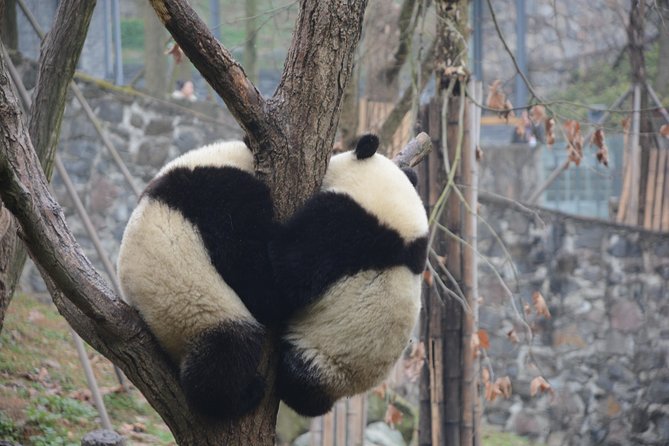
The base you visit can vary. Your day is set up to send you to one of three well-known options: Dujiangyan Panda Base, Ya’an Bifengxia Panda Base, or Wolong Panda Base. The operator notes that they select the base based on the day’s conditions, aiming for smaller crowd size.
During holiday periods, the activity may run specifically at Wolong Panda Base or Ya’an Bifengxia Panda Base. If you’re traveling in peak season, I’d treat this as a normal part of the experience, not a bait-and-switch.
A practical takeaway: plan your expectations around “panda base volunteering” rather than one exact location. Either way, you’re going to a facility that supports panda research, disease prevention, and rescue of wild pandas. That shared mission is what stays consistent.
7:20 Chengdu Pickup, Then Orientation Before Work Starts
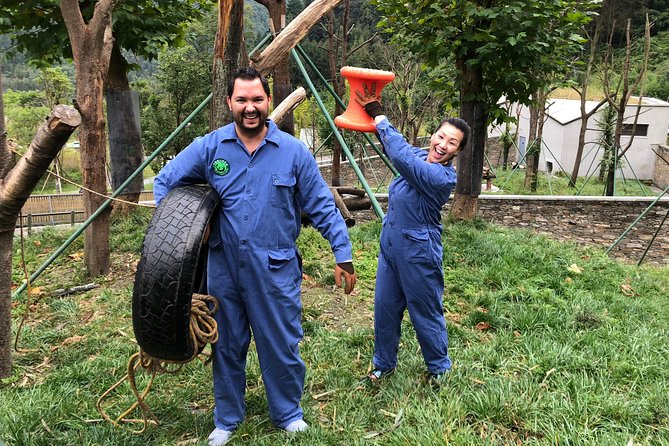
Your day starts early, with pickup from your Chengdu hotel at 7:20 am. You’ll ride to your assigned base, then meet the facility staff and change into a volunteer uniform. This is not just a costume moment. It’s part of how they keep the day structured and safe.
Before you touch any volunteer tasks, there’s an orientation that covers the center’s work and history—especially panda research, disease prevention, and rescue efforts. You’ll also get context for panda biology and behavior, which helps the day click when you’re watching the animals later.
Then the guide transitions you into the day’s approved activities. In other words, you’re not sent out to wander and guess. The day is built like a training session that happens to be panda-themed.
For many people, the biggest value is this learning layer. When you understand the why behind the rules and tasks, you feel less like you’re visiting and more like you’re contributing.
Volunteer Tasks You Actually Do: Bamboo, Food Prep, and Snacks
Your main role is to help with daily care tasks that staff approve for volunteers. The exact activities can shift slightly depending on the base and that day’s schedule, but the core theme stays the same: bamboo and panda food prep.
In Dujiangyan-style mornings, you may start with base time plus bamboo-focused activities. You could be involved in preparing bamboo for panda, watching keeper feeding routines, and helping with tasks like making panda snacks later in the day. The itinerary also includes a period for panda documentary viewing, which gives you a better understanding of what you’re supporting.
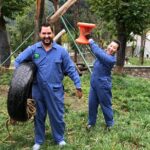
From real day examples, volunteers have done things like breaking bamboo for meal prep, preparing panda bread, and helping with enclosure cleaning or similar routine duties. That’s a good sign: it suggests the program isn’t only “watch and wait.” You’ll be active, just within the facility’s rules.
Important: staff control what you do. You’ll be given instructions on what’s allowed, and you follow safety guidance. This is conservation work, not an amusement ride.
Museum and Panda Viewing Time: See Them, Without Disrupting Them
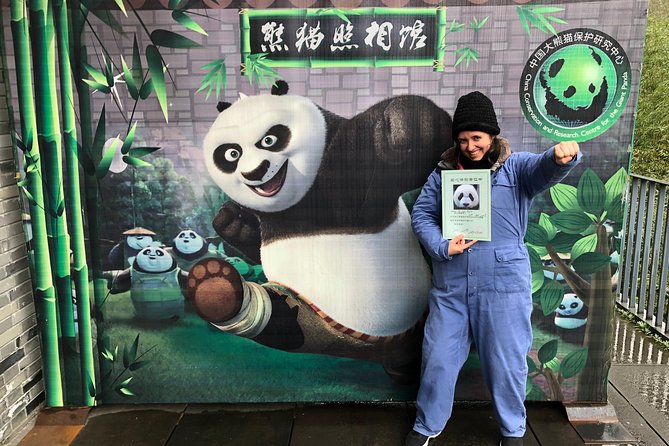
After the morning tasks, the day builds in panda viewing time. You’ll have dedicated time to visit the pandas, then later return for more viewing and observation moments depending on the day’s flow.
You also may include museum time, which is worth it if you want the full story behind the center you’re visiting. Even a short museum stop can help connect conservation efforts to what you’ll see in the enclosures.
One strict point you must plan around: no holding or touching pandas. You’re close enough to appreciate the animals’ behavior, but you won’t get that hands-on cuddle experience some people might picture. It’s a safety and welfare rule, and honestly, it’s part of why the day feels serious.
If you go hoping for guaranteed feeding, treat it as possible rather than automatic. On some days, feeding can be limited by staff decisions. Either way, watching keeper routines is still the best reality-check for how structured daily care is.



What Lunch Feels Like in a Long Conservation Day
Midday is lunch time for volunteers. You’ll get a local Sichuan-style buffet lunch, which is included in the price. The timing works well for a long day because it gives you a real break before more panda time.
Sichuan food is a smart choice here. It keeps you fueled without requiring you to hunt down a restaurant during a workday schedule. Bottled water is also included, so you’re not managing thirst on top of the early travel.
After lunch, you’ll continue with more volunteer tasks and learning moments. That means your day doesn’t turn into a scramble between “panda time” and “food time.” It’s planned, which makes the day feel calmer than you’d expect for a 9-hour itinerary.
Guide Makes the Difference: Why English and Names Matter

This kind of day lives or dies on the guide. You’re doing tasks you might not fully understand—until someone explains what panda care involves and why certain steps matter.
The tour includes an English-speaking guide, and in past experiences, the guide’s personality and clarity were major reasons for the high ratings. Some known guide names from past days include Alvin, Andy, and Kira/Keira, plus Bella and Alex Xia. You might get one of these guides, or you might get someone else entirely, but the program emphasis is consistent: clear explanations, a smooth day flow, and context you can actually use.
Here’s why that matters: pandas have specific health and welfare needs. When your guide explains the rules—like why contact is not allowed—you start to understand the center’s priorities rather than just accepting them as restrictions.
If you’re the type who likes details, this program rewards that habit. You’ll leave with better answers than just pandas are cute.
Price and Value: Is $234 Worth a 9-Hour Day?
At $234 per person, this is not a budget panda activity. But when you compare what’s included, the value starts to make sense. You’re paying for round-trip transport from Chengdu, English guiding, a local Sichuan buffet lunch, bottled water, and entry/admission tied to the volunteer day.
More importantly, you’re paying for access to a daily care workflow under staff supervision. That access is the expensive part of the equation. A regular panda exhibit visit can be cheaper, but it won’t give you the structured volunteer role and the education layer that connects tasks to conservation work.
Also, the group size cap is part of the value. If you were packed into a huge group, the $234 would feel harder to justify. With up to 15 people, you get better attention and a more personal feel.
One practical tip on value: you’re committing to a long day with an early pickup. If mornings are hard for you, plan accordingly (sleep the night before, bring sunglasses, and wear proper shoes).
And if your plans change, the experience offers free cancellation up to 24 hours before the start time, which lowers risk.
Panda Rules and What to Pack: Small Things That Prevent Big Headaches
The center is strict for good reasons. Before you go, read the rules like they’re part of your itinerary, because they are.
Key points:
- Don’t wear perfume or cologne
- Avoid nail polish
- Wear shoes (not slippers and not Crocs)
- Be prepared for weather and temperature swings; the guidance is to stay healthy and don’t get cold
- Bring sunscreen and sunglasses since you’ll be outside during parts of the day
Also, a passport is required on the day of travel. That’s not a detail to gamble on. Make sure it’s in your day bag the night before.
Hygiene rules can feel a little unusual if you’ve only visited zoo-style attractions, but this kind of base takes animal health seriously. The “no contact” policy is part of the same approach.
If you show up dressed correctly and prepared for sun, you’ll spend less time worrying and more time learning.
Who Should Book This Panda Volunteering Day Trip?
Book this if you want a panda experience with structure. It’s ideal for people who like getting a real sense of how conservation work happens day-to-day, and who prefer a smaller group over crowded standard tours.
It’s also a great fit if you want an English guide to translate what you’re seeing into something meaningful—especially the panda biology and the center’s research and disease prevention focus.
You might look at something else if you’re chasing a hands-on fantasy like holding pandas, or if the idea of strict rules (no touching, hygiene expectations) will annoy you. You can still get very close views, but the program is built around welfare and safety.
If you’re traveling as a couple, solo, or with family, the format supports it. The day is scheduled, not improvised, so you won’t spend your time trying to figure out where to stand or what happens next.
Should You Book This Panda Volunteering Day Trip?
If your ideal day includes real volunteer-style tasks, guided learning, and panda viewing at a conservation-focused facility, I think this one is worth serious consideration. The best part is that it feels purposeful, not just scenic. The small-group limit helps a lot, and the included lunch and transport remove the usual headaches.
I’d book it if:
- You’re excited by bamboo and food-prep tasks and the idea of helping staff
- You want a structured day starting from Chengdu with pickup
- You’re okay with the no-touch panda policy
I’d pause if:
- You want guaranteed feeding or hands-on contact
- You’re not comfortable with early mornings and strict base rules
If you match those checkboxes, you’ll likely walk away with more than panda photos. You’ll have a better sense of how conservation work is carried out—one carefully controlled day at a time.
FAQ
What time does the tour start and end?
Pickup is at 7:20 am from your Chengdu hotel, and the tour concludes with arrival back at your hotel around 5:00 pm.
Which panda bases can I visit?
You’ll visit one of these: Dujiangyan Panda Base, Ya’an Bifengxia Panda Base, or Wolong Panda Base. The exact base can be selected based on the day’s conditions, and holiday schedules may use Wolong or Ya’an Bifengxia.
How long is the experience?
It runs about 9 hours total, with the panda-base admission part listed as 6 hours.
Is lunch included?
Yes. You’ll get a local Sichuan-style buffet lunch included, plus bottled water.
Can I touch or hold the pandas?
No. For safety and conservation reasons, holding or touching pandas is not permitted.
What should I wear or bring?
Wear shoes (no slippers or Crocs). Bring sunscreen and sunglasses. Also follow the hygiene guidance: no perfume/cologne and no nail polish. A valid passport is required on the travel day.


show-tickets-400x267.jpg)