REVIEW · BEIJING
Discover Old Beijing: Hutong Walking Tour & Calligraphy
Book on GetYourGuide →Operated by AUTHENTIC TRAVEL CHINA · Bookable on GetYourGuide
Old Beijing has a way of changing your pace. This hutong walking tour mixes famous landmarks with neighborhood stories and a real calligraphy moment.
I love how much you cover on foot and I love the human side of the city, with local history and place-by-place context that makes the streets feel lived-in. One thing to consider: it’s only 3.5 hours, so it packs a lot in, and you’ll want to arrive on time to keep the flow.
The route takes you past classic downtown Beijing scenes and into smaller, calmer residential lanes where you can actually picture how people used to live. You’ll also get a practical cultural activity—Chinese calligraphy—that turns the tour into something tangible you can take home. The only drawback is that the price can feel a bit steep if you were expecting a purely tip-based experience.
In This Review
- Key Highlights Worth Showing Up For
- Start at Huguang Guild Opera Theatre, Then Let the Neighborhoods Explain Themselves
- Huguang Guild Opera Theatre: A Cultural Base Before You Enter the Lanes
- Hutongs Up Close: The Courtyard Stop and the Narrow-Lane Feel
- Yangmeizhu Byway and Daguanlou Cinema: Old Streets With Modern Pressure
- Dashilar Residential District to Qianmen: Markets, Narrow Streets, and Walking Downtown
- Snack Breaks: Street Food That Helps the Tour Feel Local
- Chinese Calligraphy: Make Something Real, Take It Home
- Price and Logistics: Where the Value Really Comes From
- Timing and Meeting Point That Actually Works
- Who This Tour Fits Best
- Should You Book This Old Beijing Hutong and Calligraphy Tour?
- FAQ
- How long is the walking tour?
- What language is the guide?
- Where do I meet the group?
- What’s included in the price?
- What can I expect to do during the calligraphy stop?
- Are there snacks during the tour?
- What if I’m late or need to find the meeting point?
Key Highlights Worth Showing Up For
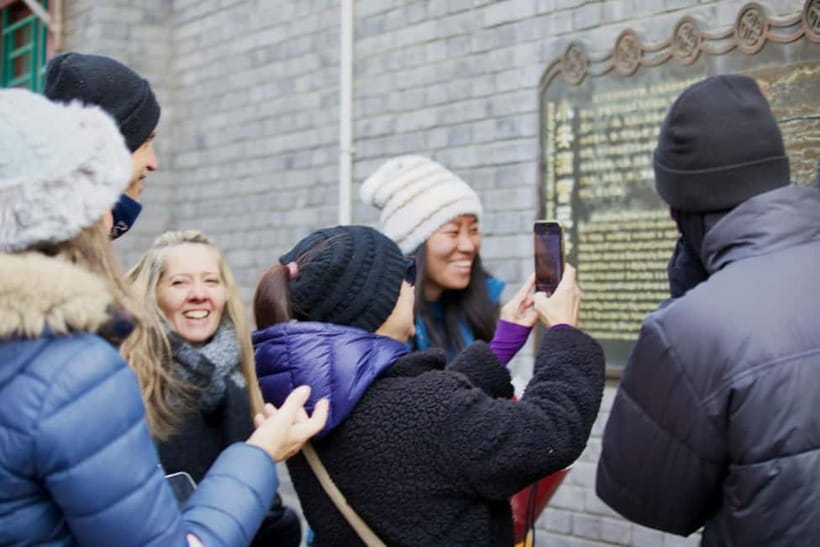
- Huguang Guild Opera Theatre intro that sets the tone for the old Beijing you’re about to walk through
- Authentic courtyard visit in a quiet hutong setting, not just a photo stop
- Local street-food snack breaks that keep the tour grounded in everyday Beijing
- Calligraphy studio experience where you create your own artwork to take home
- Downtown landmarks on the walking route including Qianmen and viewpoints tied to Tiananmen area
Start at Huguang Guild Opera Theatre, Then Let the Neighborhoods Explain Themselves
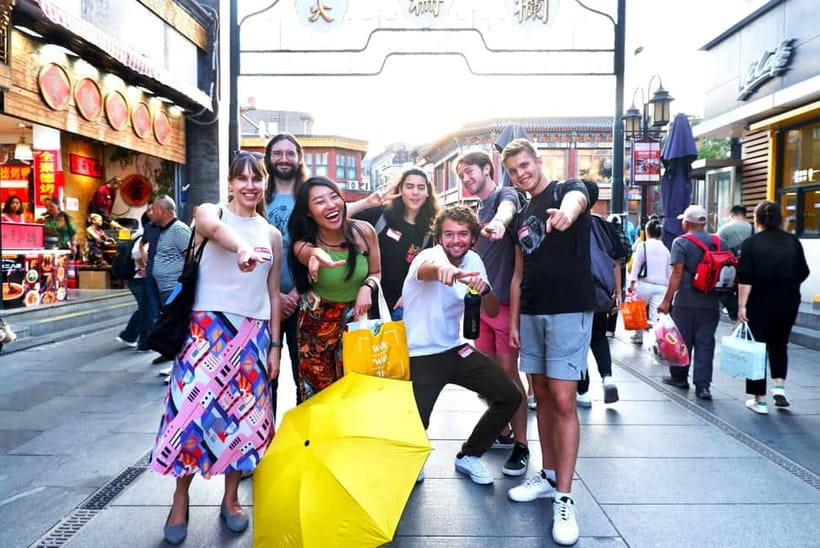
Your tour begins at Beijing Huguang Guild Opera Theatre, a smart starting point because it anchors the day in Beijing’s cultural life. After you meet your local English-speaking guide (and grab the welcome gifts and China survivial guide), you’re not just “walking for photos.” You’re walking with a story.
The guide’s opening at the theatre (about 30 minutes) matters more than you might think. Beijing’s old neighborhoods can look like a maze if you arrive cold. But if you learn what forces shaped these blocks—trade, migration, politics, cultural institutions—you start seeing patterns instead of chaos.
From there, the tour shifts into the Beijing Hutongs (another 30 minutes). This is where you’ll get explanations about street design, courtyard life, and why some lanes survive while others change fast. If you’ve ever wondered why “old Beijing” looks so different block to block, this section gives you the framework to understand it.
You can also read our reviews of more tours and experiences in Beijing.

Huguang Guild Opera Theatre: A Cultural Base Before You Enter the Lanes
The theatre stop is the quiet setup that makes the rest of the walk click. You’ll hear how the area ties into older cultural traditions, then you’ll connect that to what you see next: courtyards, narrow lanes, and the way everyday life shaped these streets.
I like tours that start with context instead of sprinting straight to landmarks. Here, you’re given enough background so the neighborhood stories later feel specific, not generic. If you’re curious about how Beijing evolved from imperial times into a modern political center, this early piece is a good first step.
Also, the pace is built for walking. It’s 3.5 hours total, so you’re moving steadily without feeling like you’re trapped on a bus.
Hutongs Up Close: The Courtyard Stop and the Narrow-Lane Feel
After the initial theatre and hutong orientation, you’ll head into the neighborhood fabric. Your guide leads you through hutong lanes where you’ll learn what makes them distinct—especially the courtyard layout that shaped daily routines.
One of the most memorable moments is the secret stop (about 20 minutes). Instead of a crowded viewpoint, this is an actual courtyard visit in an authentic setting. It’s the kind of place where you can slow down for a moment and understand why these homes mattered as communities, not just buildings.
Along the way, you may also pass through highlights tied to hutong life such as:
- a local antique shopping street
- the narrowest hutong in Beijing
- the Dashilar residential area feel as you move toward central shopping streets
You don’t need to be an architecture nerd for this to work. You just need to notice details—doorways, shared entrances, and how spaces open and close like scenes in a play. The tour is structured to help you notice those details.
Yangmeizhu Byway and Daguanlou Cinema: Old Streets With Modern Pressure
Next comes Yangmeizhu Byway (about 30 minutes). This stretch adds texture. You’re not only seeing history; you’re seeing how the old street life continues under today’s pace. It’s also where the tour starts mixing culture with street energy—good for photos, but also useful for understanding what people still do here now.
Then you’ll reach Daguanlou Cinema (around 20 minutes). The highlight list frames this stop as part of the birthplace of Chinese cinema story. Even if you don’t know the details, it gives you a Beijing angle beyond palaces and big squares.
The practical value here: you start to connect Beijing’s cultural output (film, theatre, arts) with the physical places where that culture grows. When you later see downtown landmarks, they won’t feel like separate “big ticket” stops. They’ll feel like the same city, just at different scales.
Dashilar Residential District to Qianmen: Markets, Narrow Streets, and Walking Downtown
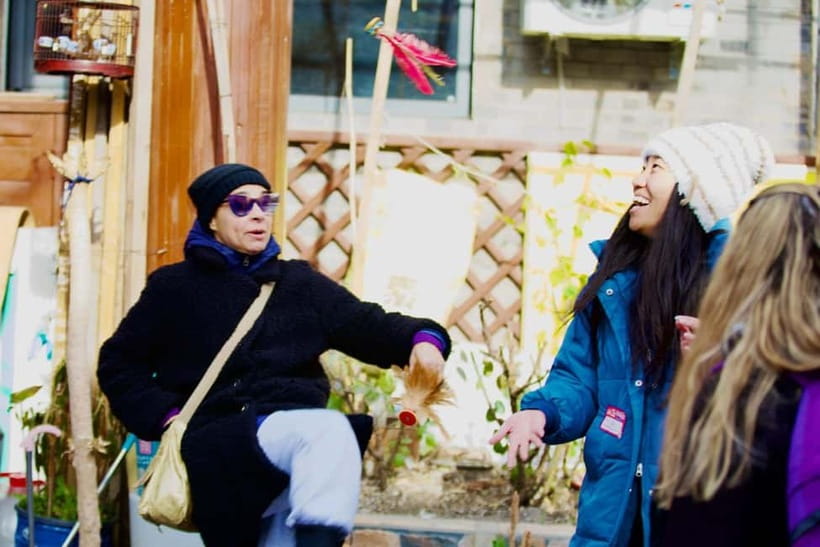
As you move toward the more central side of Beijing, the tour keeps its rhythm through Dashilan Residential District (about 30 minutes). This portion is a good reality check. You get a sense of how people live next to the tourist-facing version of Beijing.
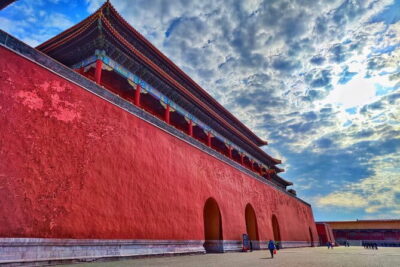
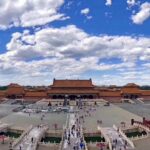
Then you’ll hit Qianmen Street (about 40 minutes). Qianmen is where the energy rises and the city feels more like a “destination.” It’s a strong place to look around, take photos, and understand why people travel here in the first place.
During this middle-to-late section, the route also includes landmark touchpoints such as:
- Dashilar commercial street
- Zhengyang Gate and Arrow Tower
- a view from outside toward the Tiananmen Square area
Important note: these are part of a walking route and timing matters. You’re not doing a long museum-style stop at each place. Instead, you’re getting a guided pass that helps you connect the history to what you’re seeing in real time.


Snack Breaks: Street Food That Helps the Tour Feel Local
One of the tour’s best “small” advantages is that there are snack breaks included. You’ll have a stop to savor local street food and drinks from the hutong street market area.
I like this because it turns the experience from pure sightseeing into something more like travel with locals. You also get an energy reset, which is key on a walking tour in Beijing weather.
If you have dietary restrictions, this is worth asking about ahead of time since street snacks can be unpredictable. The tour data confirms snack breaks are part of the plan, but it doesn’t list specific menu items.
Chinese Calligraphy: Make Something Real, Take It Home
Now for the moment that turns this tour into a souvenir with meaning: the local calligraphy studio experience.
You create your own Chinese calligraphy artwork, and the best part is simple—you can take it home as a lifelong memory. That matters. A photo fades. A piece of ink on paper becomes a reference point every time you’re back at home and you remember the streets you walked.
The tour is built so you don’t just watch someone demonstrate. You participate. In a few hours, you’ll go from standing in hutongs to holding something you made yourself. That’s a smart way to keep the experience from feeling like a highlight reel.
If you’re the kind of traveler who likes activities that teach you how to engage with culture (not just watch it), this stop is a big win.
Price and Logistics: Where the Value Really Comes From
The tour price is listed at $25 per person, and you should judge value based on what’s included: a local English-speaking guide, a courtyard visit, snacks, and the calligraphy experience where you make and keep artwork.
At that level, the tour offers a lot more than “walk and listen.” You’re also getting neighborhood access and an activity that would cost more on its own if booked separately.
Still, there’s one caution from real-world expectations. Some people come in thinking it’s more of a free, tip-supported walking tour and feel surprised by the paid price. If you’re sensitive to that mismatch, double-check how you want to approach tipping versus fixed pricing in China. Either way, the guide effort and the included activity are the parts you should anchor your value decision on.
Timing and Meeting Point That Actually Works
Because this tour runs on foot, timing matters. Plan to arrive 5–10 minutes early. The starting point is inside a busy metro context, and Hufangqiao Metro Station (Line 7), Exit D (South-West Exit) is a spot where you’ll want a couple minutes to orient.
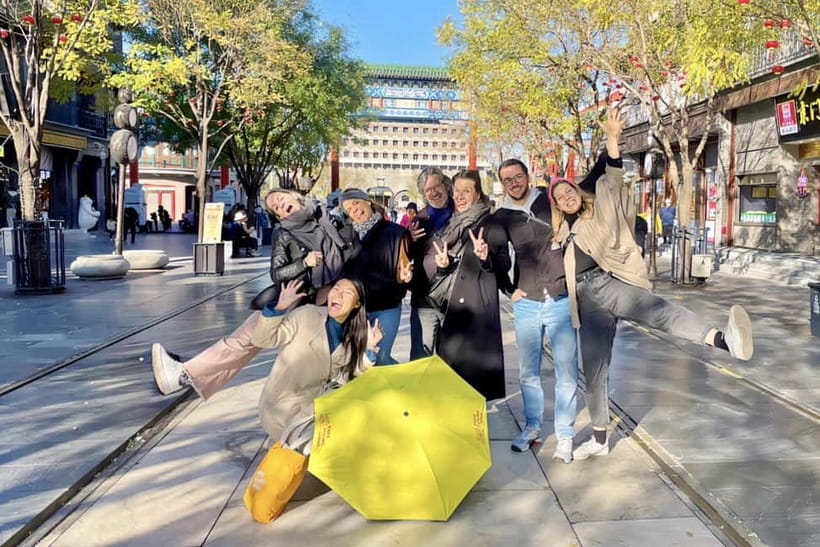
Look for the yellow umbrella at the green space near the intersection. The address for taxis is the corner of Hufang Road & Luomashi Avenue, by Huguang Guild Opera Theatre.
Also: Google Maps doesn’t work reliably in China for this area, so follow the written directions rather than trusting a map pin.
Who This Tour Fits Best
This is a great fit if you want:
- an old Beijing feel without spending your whole day in crowded attractions
- context for hutong life through stories and real courtyard access
- an easy cultural activity with a payoff you can keep—calligraphy
- a paced route that includes Downtown Beijing sights like Qianmen and historic gate area viewpoints
It’s less ideal if you want long stops, quiet time, or a slow “wander at your own pace” style. This is structured walking. It helps you see more, but it won’t feel like a free-form morning.
Should You Book This Old Beijing Hutong and Calligraphy Tour?
I think you should book it if you want the best kind of value in Beijing: a guided walk that actually teaches, plus an included activity that becomes a real memory.
Skip it or reconsider if you dislike structured schedules, hate walking for long stretches, or strongly prefer tip-based pricing expectations. The tour does what it says: it guides you through downtown on foot, adds hutong neighborhood depth, includes snacks, and ends with calligraphy you take home.
If you’re short on time and still want the city to feel personal—this is the kind of tour that helps you understand Beijing beyond the postcard version.
FAQ
How long is the walking tour?
The tour lasts 3.5 hours, designed as a packed walking itinerary with multiple guided stops.
What language is the guide?
You’ll have a live English-speaking tour guide throughout the tour.
Where do I meet the group?
Meet at Hufangqiao Metro Station (Line 7), Exit D (South-West Exit). Head straight to the main road, turn right, and walk about 60 meters east to the green space at the intersection. Look for the yellow umbrella.
What’s included in the price?
Included are a local English-speaking tour guide, welcome gifts and a China survivial guide, snack breaks (street food and drinks), and the calligraphy artwork experience where you take your artwork home.
What can I expect to do during the calligraphy stop?
You’ll visit a calligraphy studio, create your own Chinese calligraphy artwork, and take it home as part of the experience.
Are there snacks during the tour?
Yes. The tour includes snack breaks so you can try local street food and drinks along the way.
What if I’m late or need to find the meeting point?
Try to arrive 5–10 minutes early. The guide waits up to 20 minutes at the meeting point, but late arrivals can’t delay the tour. Also, don’t rely on Google Maps here; follow the written directions and look for the yellow umbrella.