REVIEW · HANGZHOU
Hangzhou Private Tour Guide Service
Book on Viator →Operated by China Private Tours · Bookable on Viator
A private guide turns Hangzhou into your plan. This service is interesting because you’re not stuck with a canned route—you choose the pace and priorities, and your guide helps you connect the sights to real local life. I especially like the tailor-made feel and the fact that the guide can work day or evening in English, Spanish, French, or German.
What I also like is the money setup. You pay for the guide and their expenses, not a pre-arranged package, so your time can go where your curiosity pulls you—tea countryside, silk workshops, temples, or even more modern museums. A possible drawback to plan around: entrance fees and lunch aren’t included, so your total day cost can rise a bit depending on what you add.
In This Review
- Key highlights to watch for in this Hangzhou guide service
- How the private guide setup works (and why that matters)
- Picking your language and the right time of day
- A classic 6–8 hour route you can shape: West Lake, tea village, giant Buddha
- West Lake area: start with views and context
- Tea village stop: slow down and connect Hangzhou to everyday culture
- Giant Buddha area: a big moment for scale and viewpoints
- West Lake isn’t just scenery: how your guide helps you actually read it
- Tea village planning: how to make it worth your time
- Giant Buddha: comfort, walking, and photo help
- Flexible themes beyond the classics: temples, silk, lotus ponds, Qing-era villas, museums
- Transportation stress relief: taxi help and smarter navigation
- What’s included (and what you’ll likely pay separately)
- Price and group size: when $173 per group feels like a win
- Who should book this private guide service (and who should skip it)
- Should you book this Hangzhou private guide service?
- FAQ
- What languages are available for this Hangzhou private guide?
- How long is the private guide service?
- Where can the guide meet me in Hangzhou?
- Is pickup from Hangzhou Train Station supported?
- Is this service only for my group?
- What is included in the price?
- Are entrance fees included?
- Is lunch included?
- Are taxis or public transit included?
- What is the cancellation policy?
Key highlights to watch for in this Hangzhou guide service
- Language choice up front: English, Spanish, French, or German for smoother conversations.
- Pickup help: your guide can meet you in the hotel lobby or at the train station.
- Private and flexible: it’s only your group, and you can adjust in real time.
- Classic West Lake loop is common: many groups build their route around West Lake area highlights.
- Tea village and giant Buddha are go-to stops: a popular 6–8 hour combo shows up often.
- Support beyond guiding: help with taxis and practical navigation is part of the service.
How the private guide setup works (and why that matters)
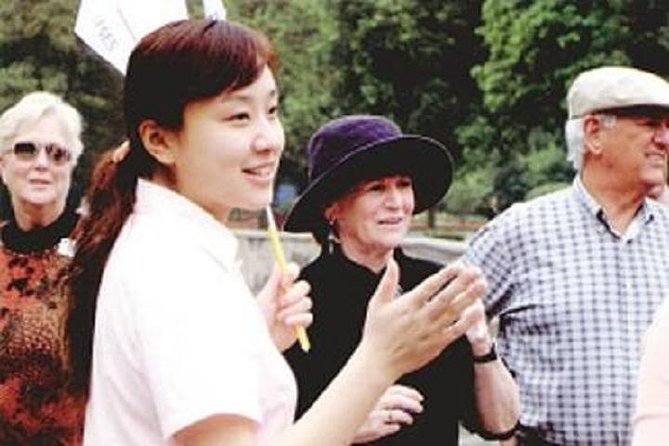
This is a private tour guide service only. That sounds simple, but it’s the whole point: instead of following someone else’s rhythm, you get a local person to translate context and help you make choices fast. In practice, that means you can ask questions as you go, compare options, and steer the day toward what you actually care about.
Another big benefit is how the service is priced. The headline rate is $173 per group (up to 10), and you’re paying for the guide plus their expenses rather than a fixed package that forces you into set inclusions. For families or small groups, that often feels like good value because one guide can cover a lot of ground with one coordinated plan.
The service is also built for convenience. Pickup is offered (train station or your Hangzhou downtown stay), and there’s a mobile ticket mentioned in the setup. If you’ve ever lost time figuring out how to get from one major landmark to another, this kind of local handoff can save your energy for actually sightseeing.
You can also read our reviews of more tours and experiences in Hangzhou.

Picking your language and the right time of day
Choosing your language is not a tiny detail here—it changes how much you’ll get out of the day. With English, Spanish, French, or German, you’re not just getting directions. You can ask why a place matters, what to notice, and how to understand what you’re seeing beyond the photo.
Timing also matters. The guide can run in the daytime or evening, so you can plan around crowd levels, weather, and the vibe you want. For many people, Hangzhou feels more personal in the evening because you get softer light and a calmer pace around scenic areas. If you prefer full daylight for walking and photos, you can do that too—the guide adapts.
A practical note: the service is listed as 6 to 8 hours (approx.), which is a solid window for a focused loop. If you want to see a lot of different themes in one day—West Lake plus tea countryside plus a major landmark—this time range fits well.
A classic 6–8 hour route you can shape: West Lake, tea village, giant Buddha
One pattern that shows up in how people build their day is a three-part arc: West Lake area, a tea village stop, and the giant Buddha area. That combo works because it gives you variety without turning the day into a nonstop bus tour.
Here’s how that kind of route usually feels, and what to expect at each stage:
West Lake area: start with views and context
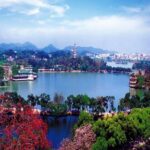
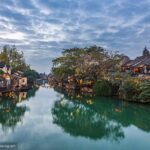
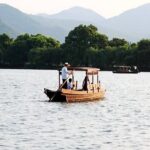
West Lake is the obvious anchor, but the value of a private guide is how you experience it. Your guide can point out the differences between spots, explain what you’re looking at, and help you understand why West Lake is so central to Hangzhou’s identity.
If you like photos, this is where the day often becomes memorable fast—because you’ll spend time near the water and along scenic sightlines rather than rushing between unrelated stops. You’ll also get practical guidance on where to go next so you’re not wandering.
Drawback to keep in mind: West Lake areas can involve walking and open spaces. If your group wants a lighter day, tell the guide early so they can build the route around shorter legs and fewer detours.
Tea village stop: slow down and connect Hangzhou to everyday culture
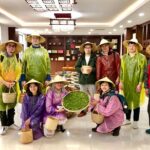
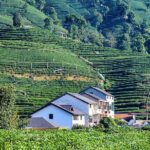
A tea village stop is more than a scenic break. It’s one of the quickest ways to understand how the region’s agriculture and traditions connect to what you see in the city. A local guide can help you interpret what you’re seeing and ask questions in plain language—so it doesn’t feel like you’re just following a path and taking photos.
This is also a good moment to learn something tangible: how tea culture fits into daily life and seasonal rhythms (your guide can steer this depending on your interests). If your group enjoys food stops, this is often one of the easiest places to add a meal plan later, with the guide helping you choose.




Giant Buddha area: a big moment for scale and viewpoints
A giant Buddha stop can be visually dramatic, and it’s the kind of place where having someone on hand makes your visit smoother. Your guide can help you figure out what part of the area is most worth your time, where the best viewpoints tend to be, and how to manage time so you don’t get stuck waiting around.
This is also a common place for photography help. In one case example, the guide Dora was noted for being supportive and helpful with photos, which matters because these landmarks often need a bit of positioning and patience.
West Lake isn’t just scenery: how your guide helps you actually read it
West Lake can feel simple from a distance—water, bridges, scenic banks. The difference with a private guide is how quickly you start noticing patterns. You’ll likely get help connecting what you see to the stories behind it, and you’ll be able to ask specific questions rather than guessing.
Here’s the kind of guidance that tends to pay off:
- Route logic: you’ll spend more time in the most rewarding viewpoints and less time crisscrossing.
- What to notice: your guide can point out details you would normally miss if you were alone.
- Photo strategy: you’ll get advice on where angles look best and when to move.
You’ll also appreciate the flexibility. If the day gets busy, your guide can adjust. If your group wants a slower pace, they can shift the order of stops. If your focus is more about temples, nearby heritage areas, or quieter corners, you can push the plan in that direction.
Tea village planning: how to make it worth your time
A tea village stop can go in two directions: either you pass through it quickly like a checklist, or it becomes a meaningful cultural break. The service is designed for the second option because the guide can shape the stop around your interest level.
If you care about tea culture, you can ask your guide what to look for, how tea is connected to the region, and what the stop should feel like. If your group cares more about photos and scenery, you can keep it lighter and focus on the best viewing moments.
The practical tip is timing. Tea stops work best when you’re not rushed. Build your route so you don’t treat it like a 20-minute detour. In a 6–8 hour plan, the time window is usually enough to slow down without losing West Lake highlights.
Giant Buddha: comfort, walking, and photo help
Big landmarks can be physically tiring. The listing doesn’t promise a specific amount of walking, so I’d plan for it. Wear comfortable shoes and expect some uneven or busy areas, depending on the exact spot you visit.
The payoff can be worth it. Giant Buddha areas tend to create that one-photo moment where the scale hits you. With a guide, you also get help managing the visit: where to go first, how to keep moving, and how to avoid wasting time.
Again, the service seems to include that support beyond talking. One example highlighted that the guide took good photos for a guest, which is exactly what you want if you’re traveling as a couple or family and you don’t want to keep hunting for strangers to take your picture.
Flexible themes beyond the classics: temples, silk, lotus ponds, Qing-era villas, museums
The service is explicitly tailor-made, so your route doesn’t have to be West Lake-heavy. Depending on what you want to see, your guide can help steer the day toward themes like:
- Ancient temples and historical sites
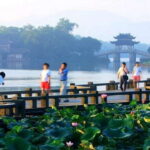
- Serene lotus ponds (often quieter and more reflective than the busiest roads)
- Tea plantations or tea villages
- Silk factories and related heritage
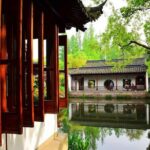
- Qing Dynasty villas
- Modern museums for a different side of Hangzhou
Here’s how to use that flexibility without ending up with decision fatigue. Pick one theme for the day and one “backup” theme. For example, if you want nature and culture, make West Lake your anchor and add tea countryside or lotus-pond time. If you want history, balance a heritage site with something modern so the day doesn’t blur together.
Your guide can also help you find hidden, quieter places if your group prefers a calmer vibe. That’s a huge reason to book privately—Hangzhou is visual, but some of the most satisfying parts are the less obvious ones.
Transportation stress relief: taxi help and smarter navigation
You’ll notice “pickup offered” and “help you find taxi” are part of the service description. That matters because the day can fall apart if you spend half your time figuring out transport.
With a guide, you get:
- clearer directions on where to go next
- help dealing with taxi decisions
- a local point of contact when plans need adjusting
One example included a transportation misunderstanding, and Dora handled it quickly. That’s the kind of situation where having a guide who can fix things on the fly is worth real money, even if you’re otherwise comfortable navigating on your own.
Just remember what’s not included: taxis, buses, or subway are on your side. Your guide can help arrange and guide you, but you’ll still pay the transport costs directly.
What’s included (and what you’ll likely pay separately)
Included:
- Professional English speaking tour guide (with language choices offered)
Not included:
- Lunch
- Entrance fees
- Taxi/bus/subway
So how do you think about value with this setup? I look at it like this: the guide cost covers interpretation, routing, and problem-solving. The “extras” (transport, entrance fees, meals) still happen, but they’re not bundled into a single fixed package price.
That can be good if you hate paying for attractions you don’t care about. It can also mean your final spend depends on your choices. If you want a day packed with entry-based sites, entrance fees can add up. If you’re happy doing more scenic and outdoor-focused time, the extra costs may stay smaller.
Price and group size: when $173 per group feels like a win
At $173 per group up to 10, this is easiest to value-check in a simple way. If you’re traveling with a couple friends or a family, one guide can cover everyone without each person booking separate services.
If you’re a solo traveler, you might feel it’s a higher per-person cost. But a private guide can still be worth it if:
- you want language support
- you want less navigation stress
- you care about getting context, not just photos
The best match is usually small groups who want a smart, efficient day with real local guidance. The service is also private, so you’re not negotiating space or waiting for a bigger group to catch up.
A small timing note: this type of service is typically booked about 22 days in advance on average, so if you have firm travel dates, it’s wise to reserve early.
Who should book this private guide service (and who should skip it)
This service fits you if you:
- want language support so the day feels like conversation, not a scavenger hunt
- prefer flexible routing based on interests (tea, temples, silk, lotus ponds, museums)
- don’t want to spend your energy on taxi math and figuring out how to move between sights
It may not be your best choice if you:
- only want a strictly low-cost, self-guided day with minimal planning
- prefer to spend hours in one place without help interpreting or choosing routes
- don’t want to pay extra for entrance fees and meals out of pocket
If you’re the type who gets restless on a fixed itinerary, this setup tends to be a relief. You can make the day yours.
Should you book this Hangzhou private guide service?
I’d book it if you want Hangzhou to feel personal and efficient, not random. The combination of private flexibility, pickup support, and real language options is the core reason it works. Add the fact that common route elements like West Lake area, a tea village, and the giant Buddha can be built into your 6–8 hour day, and you have a strong framework with room to adjust.
If you’re budget-focused, plan for entrance fees, lunch, and transport separately. Still, that’s often the tradeoff you make when you choose freedom over a bundled package.
If your group wants a smoother day with someone who can redirect quickly when plans shift, this is one of the most practical ways to do Hangzhou.
FAQ
What languages are available for this Hangzhou private guide?
The service offers guiding in English, Spanish, French, and German.
How long is the private guide service?
The tour duration is listed as about 6 to 8 hours.
Where can the guide meet me in Hangzhou?
The guide can meet you in Hangzhou downtown, including your hotel lobby. If needed, they can also meet you at Hangzhou Train Station.
Is pickup from Hangzhou Train Station supported?
Yes. You should provide round-trip train itinerary details in the special requirements block if you need pickup from Hangzhou Train Station.
Is this service only for my group?
Yes. It’s a private tour/activity, so only your group will participate.
What is included in the price?
The guide service includes a professional tour guide. A mobile ticket is also indicated.
Are entrance fees included?
No. Entrance fees are not included.
Is lunch included?
No. Lunch is not included.
Are taxis or public transit included?
No. Taxi/bus/subway costs are on your side, though the guide can help you find transportation.
What is the cancellation policy?
You can cancel for free up to 24 hours in advance for a full refund. If you cancel less than 24 hours before the start time, the amount paid isn’t refunded.