REVIEW · HANGZHOU
Authentic Hangzhou Longjing Tea Culture Experience Tour
Book on Viator →Operated by Hangzhou Delight Travel Service Co., LTD. · Bookable on Viator
Green tea starts with mud-and-mist hills. This private Longjing (Dragon-well) outing at Longjingshan Tea Cultural Village turns tea culture into something you can see, smell, and taste, with hotel pickup to make it easy.
I like that you get a clear step-by-step path: pick fresh leaves, watch them roasted, then finish with a tea ceremony in a traditional tea house. I also like that you can leave with tea you helped pick—packed so you can take it home.
One thing to plan for: the visit window is short (about 2 hours at the tea village), so the leaf-picking moment can feel brief if you’re traveling as a small group. There can also be a product focus at the end, though the experience includes tea with the ceremony.
In This Review
- Key highlights worth your time
- Longjing tea in Hangzhou: why this tour feels practical (not just scenic)
- Hotel pickup and private transfer: the real value-add in Hangzhou
- Stop 1: Longjingshan Tea Cultural Village—picking leaves, seeing roasting, then tasting
- Tea picking in the Dragon-well plantation
- Roasting center: the transformation you actually need to understand
- Tea tasting: one cup, but with context
- The tea house ceremony and tea you can take home
- Pack and bring your picked tea leaves home
- A note on tea sales focus
- How long is it, and how that affects your day plan
- Price and value: what $52.99 means for your group size
- Weather, timing, and what to wear for real tea-farm comfort
- Who should book this Longjing tour (and who might skip it)
- Should you book the Authentic Hangzhou Longjing Tea Culture Experience?
- FAQ
- What’s the duration of the Hangzhou Longjing tea culture tour?
- Is hotel pickup and drop-off included?
- What does the tour price include?
- Can I pick tea leaves myself?
- Is this tour private?
- Can I cancel and get a refund?
Key highlights worth your time
- Longjingshan Tea Cultural Village and Dragon-well tea: learn why Longjing is tied to Hangzhou’s identity.
- Tea picking you can join: you get hands-on time in the plantation.
- Roasting process you can watch: see how fresh leaves turn into dry tea.
- Tea ceremony at a traditional tea house: a calm, focused finish.
- English guide support (often Forrest Gan): praised for clear explanations and lively hosting.
- Tea to take home: you pack what you pick and bring it with you.
Longjing tea in Hangzhou: why this tour feels practical (not just scenic)
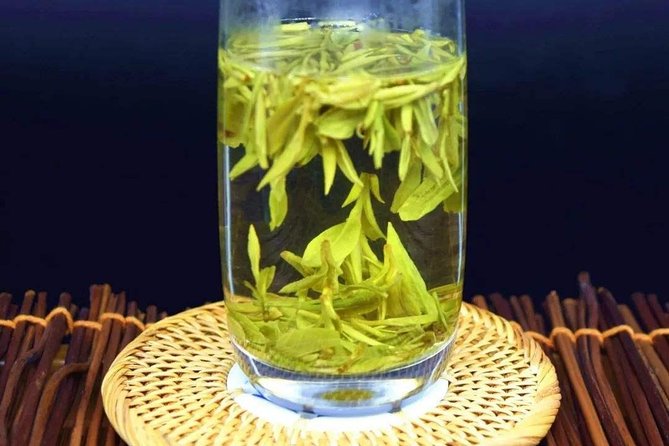
Longjing tea is one of those foods that’s easy to admire and hard to understand until you see the process. Here, the experience is designed around the full chain: plantation → roasting → tasting → ceremony. That matters, because Longjing isn’t just a flavor. It’s the whole craft story.
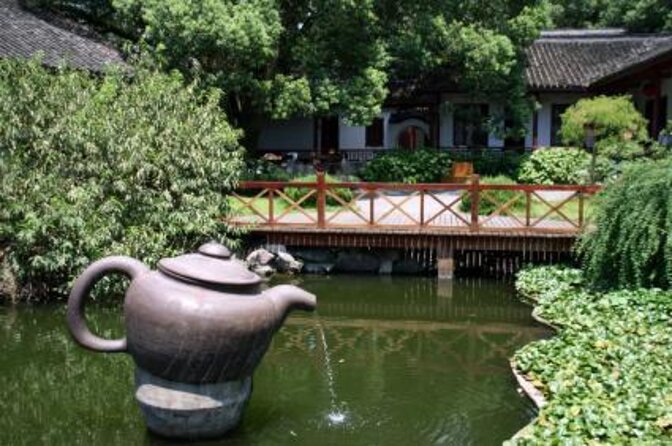
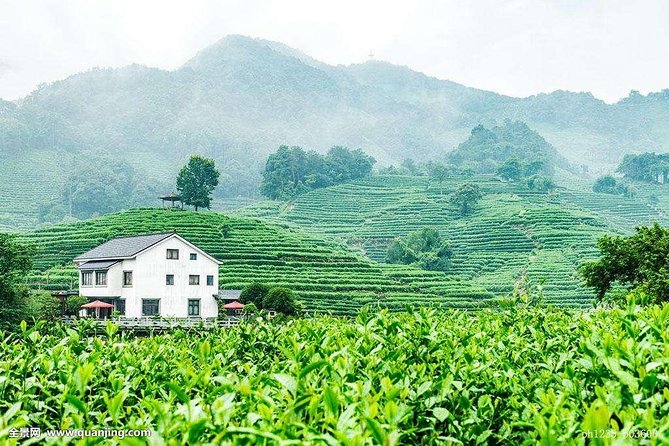
You’ll start at Longjingshan Tea Cultural Village, a place built for tea education, with plenty of time for viewing the plantation and the production steps. The vibe is quiet and grounded—less “museum stop” and more “watch how it’s done.”
And because this is a private tour with door-to-door help, you’re not wrestling with buses just to reach the tea hills. That’s the kind of travel win that keeps the day from feeling like logistics.
You can also read our reviews of more tours and experiences in Hangzhou.

Hotel pickup and private transfer: the real value-add in Hangzhou
Hangzhou can be deceptively spread out. If you’re trying to do temples, a lake walk, and shopping in the same trip, time disappears fast. This tour’s hotel pick-up and drop-off cuts that stress.
A few practical points you’ll care about:
- You get private transportation, not a shared shuttle shuffle.
- Your group stays together, which makes the timing smoother for tea picking and tasting.
- There’s bottled water included, helpful when you’re walking in the tea area.
It’s also a smart option if you’re traveling with kids or anyone who needs a slower pace. In past experiences, families have enjoyed the fact that the tour can include playful details like traditional clothing for tea picking—something that turns a simple field activity into a memory-maker.
Stop 1: Longjingshan Tea Cultural Village—picking leaves, seeing roasting, then tasting
This is the heart of the tour, and it’s built around three teachable moments.
Tea picking in the Dragon-well plantation
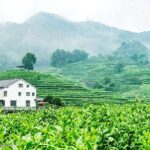
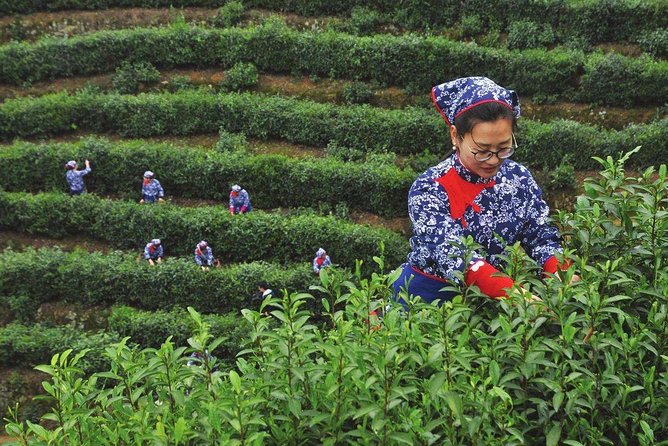
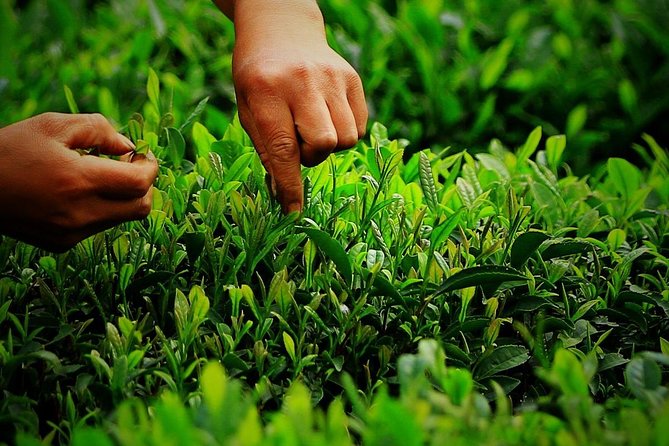
You’ll go to the tea fields and you may join in plucking fresh tea leaves. Even if you’re not an expert, you’ll learn how the picking fits the quality of the tea.
This is also where the day gets most “real.” You’re not learning from a screen—you’re handling the raw material and seeing the plantation itself. Reviews have highlighted how pretty the tea terraces are and how flexible guides can be with timing, including in rainy conditions. If weather is unpredictable, it’s worth keeping a rain layer handy so you can still participate comfortably.
Roasting center: the transformation you actually need to understand
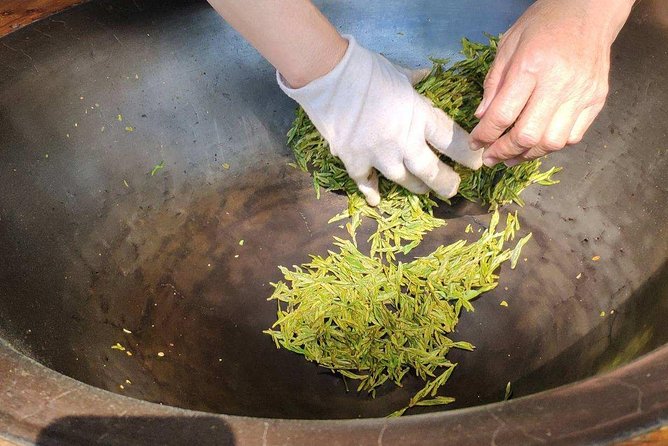
Next comes the tea roasting center, where fresh leaves are processed into dry tea. This part is key for understanding why Longjing tastes the way it does.
Most people drink green tea without thinking about the “how.” Watching roasting happens in the same day helps you connect aroma and flavor to technique. It also gives the tour credibility: the experience isn’t just “pick and taste.” It shows the middle step.

Tea tasting: one cup, but with context
Finally, you’ll taste a cup of tea. In many short tea tours, tasting feels like an afterthought. Here, the tasting is the payoff after you’ve watched picking and roasting, so it lands better.
You should expect the ceremony to take the sweetness out of the “I like it/I don’t like it” reaction and replace it with curiosity. Ask your guide about what you’re noticing—color, aroma, and how the tea changes after processing.
Practical tip: take your time during the tasting. Sip slowly. The point isn’t to “finish.” It’s to compare what you’re smelling and tasting to what you just saw being made.
The tea house ceremony and tea you can take home
After the plantation and roasting, the tour finishes at a traditional tea house for a tea ceremony. This is where the experience shifts gears from field work to ritual.
A tea ceremony can sound formal. But in this setting, it’s mostly about teaching you how to appreciate the tea properly—how to hold the cup, how to observe, and how to focus on aroma and taste instead of rushing.
Pack and bring your picked tea leaves home
One of the biggest practical perks is that the package includes tea picking fees plus the ceremony, and you’ll get help with tea to take home, packed from what you pick. That means the tour doesn’t end when you leave the tea house.
For foodies and tea-lovers, this is where the value becomes tangible. You’re not just paying for a couple of photos and a short lesson. You get something to brew later, and that makes your Hangzhou trip feel like it continues back home.
A note on tea sales focus
Be aware of one tradeoff: like many tea-farm experiences, there can be some product promotion at the end. Reviews mention a small sales pitch, though tea is also gifted and the tour includes take-home tea. If you’re sensitive to buying pressure, just set your expectation in advance: treat it as part of the industry, and decide calmly whether you want extras.
How long is it, and how that affects your day plan
The tour runs about 2 to 4 hours total, depending on the flow. The stop at the tea village is around 2 hours, with the rest tied to pickup timing and the ceremony finish.
That time range is useful because it fits into your Hangzhou rhythm:
- It works as a calm half-day break between busy sights.
- It’s not so long that you lose your entire afternoon.
- It’s easy to pair with other nearby Hangzhou activities on the same day.
The only caution is pacing. If you’re hoping for a super extended hands-on picking session, plan mentally for a short window. One past experience noted that leaf picking can be about 15 minutes, with a bit of observing and then tasting. That doesn’t make it bad—it just means you’re buying a guided overview and a taste of the craft, not a full day on the farm.
Price and value: what $52.99 means for your group size
The price is $52.99 per group (up to 15). That’s a big difference from tours that charge per person.
Here’s how to think about value without guessing:
- If you’re traveling as a pair or small group, you may effectively feel the cost more. Short experiences can feel pricey when you split the price between fewer people.
- If you can share the group price with more people (within your own circle), the per-person cost drops quickly.
- You’re paying for hotel pickup/drop-off, private transfer, admission, a professional English-speaking guide, and the tea ceremony plus take-home tea.
So the “value question” isn’t just the dollar amount. It’s whether you want an organized tea-farm experience with transportation and a guided explanation, all in a half-day window.
Also, you’re booking this about 19 days in advance on average, which tells me it’s popular enough to plan early, especially if you want specific times around your Hangzhou schedule.
Weather, timing, and what to wear for real tea-farm comfort
Tea farms are outside. Even when the day is structured, you’ll still be walking on uneven ground. Bring basics:
- Comfortable shoes (you’ll want grip)
- A light layer (tea areas can feel cooler than the city)
- A small rain cover if weather is iffy
If your trip is in spring, you may notice the tea terraces look especially good. One guide-style experience noted spring as a better time for the scenery, which makes sense—tea growth is part of the seasonal beauty.
If it rains, don’t automatically assume you’ll lose the day. Past experiences have mentioned that picking and the roasting process can still happen even when the weather is wet, depending on conditions.
Who should book this Longjing tour (and who might skip it)
This tour is a strong match if you:
- Love food experiences that come with real technique, not just tasting
- Want a calm break from busy sightseeing days
- Appreciate taking something home that isn’t just a souvenir
- Prefer private guidance in English rather than guessing your way through a tea village
You might consider a different option if:
- You’re expecting a long, all-day hands-on farming experience with hours of picking
- You dislike any mention of tea sales at the end (even gently handled)
- You’re extremely budget-sensitive and prefer to self-tour with public transport
Should you book the Authentic Hangzhou Longjing Tea Culture Experience?
If your goal is a smooth, guided introduction to Hangzhou Longjing tea culture—with leaf picking, roasting viewing, a tea ceremony, and tea to take home—this is a solid choice. The hotel pickup/private transfer is the practical backbone that makes it feel easy, and the structure helps you understand what you’re tasting.
Just go in with the right expectations on time. You’re buying a focused craft experience, not a long workday on a tea farm. If you want short, meaningful, and well explained, you’ll likely be happy you booked.
FAQ
What’s the duration of the Hangzhou Longjing tea culture tour?
It runs about 2 to 4 hours approximately.
Is hotel pickup and drop-off included?
Yes. Hotel pick-up and drop-off are included, along with private transportation and private transfer.
What does the tour price include?
The package includes admission entry fees, tea ceremony, tea to take home, tea picking fee, bottled water, and a professional English-speaking guide. Lunch is not included.
Can I pick tea leaves myself?
Yes, you may join the tea picking and pluck fresh tea leaves during the visit.
Is this tour private?
Yes. It’s a private tour/activity, and only your group participates.
Can I cancel and get a refund?
Yes. Free cancellation is available up to 24 hours in advance for a full refund. If you cancel less than 24 hours before the experience start time, the amount paid is not refunded.