REVIEW · BEIJING
Mutianyu Great Wall 5-KM Guided Hike with Uphill Cable Car
Book on GetYourGuide →Operated by Beijing Mubus · Bookable on GetYourGuide
A Great Wall hike with a brain on it. This Mutianyu day is built around a guided 5-km trek (with an uphill cable car) and smart logistics so you spend your energy on actual wall time. I like the no-shopping setup, which keeps the day focused, and I love how the route is designed to reach standout viewpoints instead of just walking the most crowded stretches. One big consideration: it is physically demanding, and the wall has steep, uneven parts, so you should only book if you’re regularly active.
You’ll meet the guide in central Beijing (Dongzhimen Station) and ride out together. Once you’re at Mutianyu, you start with the cable car up to Watchtower 14, hike with an English-speaking guide toward the summit area around Watchtower 20, then come back down using internal transport. If you’re unlucky with weather (heavy rain/strong winds), the tour can be canceled, so plan flexibility.
In This Review
- Key things I’d highlight before you go
- An 8-hour Mutianyu day that starts in Beijing, not at 6 a.m.
- VIP-style entry: fewer lines, less standing around
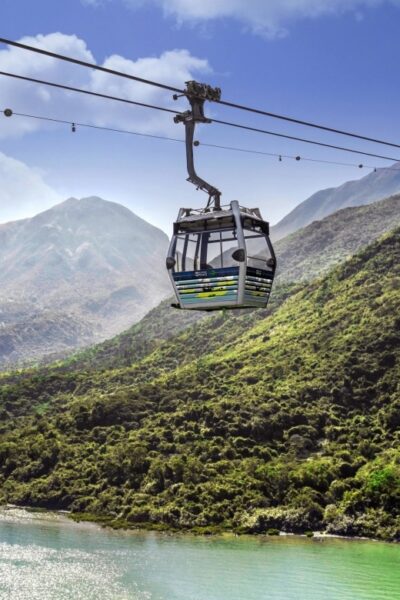
- Cable car up to Watchtower 14: save your legs for the real hike
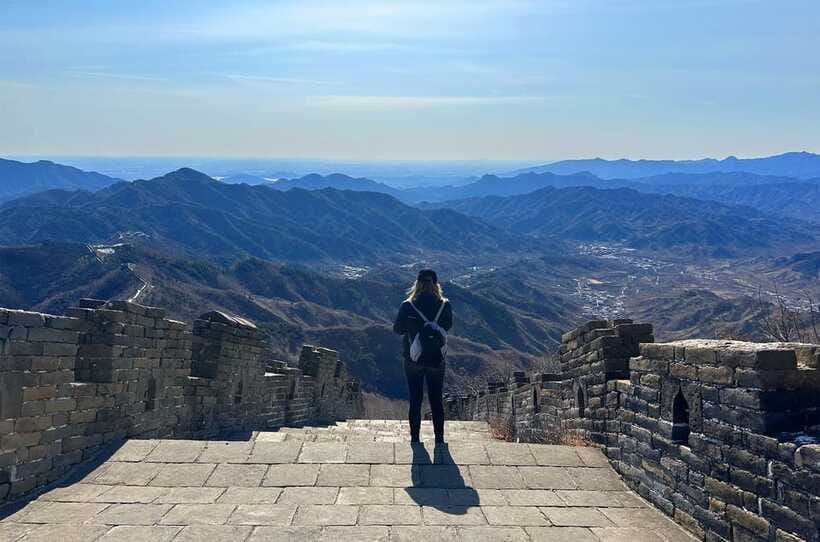
- The 5-km guided trek toward Watchtower 20: where the views pay off
- Secret paths, quieter wall sections, and better photo angles
- Lunch and downtime at the MuBus base: refuel without rushing
- Descending and getting back to Beijing without stress
- Optional toboggan note (only if you want it)
- Price value: $54 can be a steal, but confirm possible on-site extras
- Guide quality really matters on this kind of wall
- Who this Mutianyu hike is best for (and who should skip it)
- What to bring so the day stays enjoyable
- Should you book this Mutianyu Great Wall 5-km guided hike?
- FAQ
- Where do I meet the tour in Beijing?
- What time does the tour run, and how long is it?
- Is the cable car included?
- How hard is the hike?
- Is the toboggan downhill ride included?
- What should I bring?
Key things I’d highlight before you go
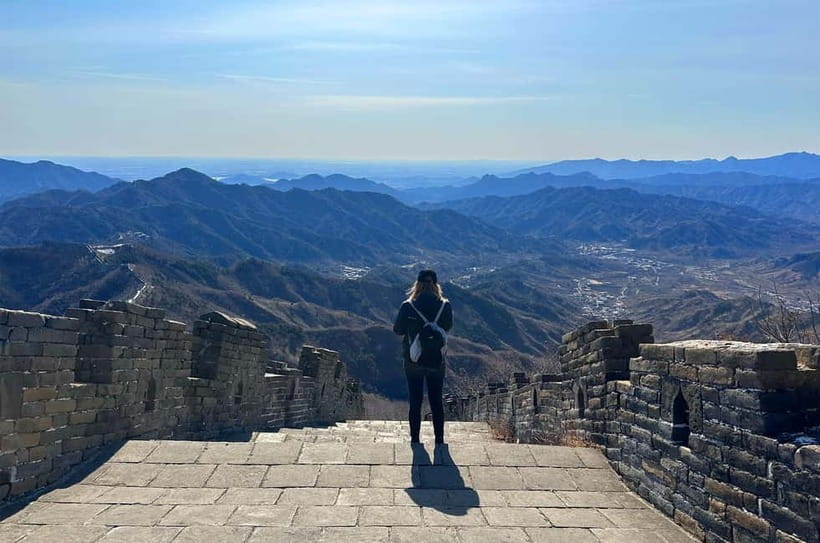
- Cable car to Watchtower 14: you save leg-burning climbing and get right to the “good” walking.
- A guided 5-km route to Watchtower 20: the day has structure, not just free wandering.
- Skip the ticket lines plus a direct downtown bus transfer: fewer delays, more wall.
- Secret viewpoints and pathways: you get off the most obvious main-wall route for quieter scenery.
- MuBus base time + optional buffet: after the hike, there’s a real chance to refuel, not just “move along.”
An 8-hour Mutianyu day that starts in Beijing, not at 6 a.m.
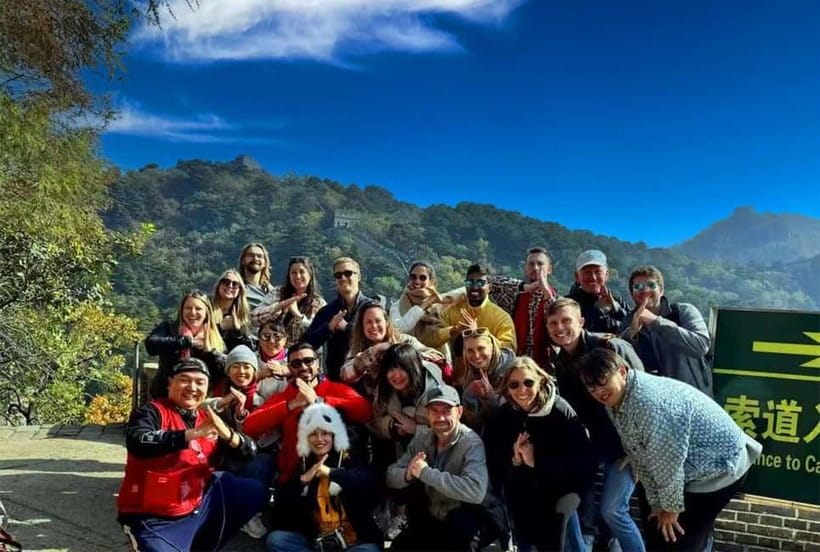
This tour is built as an all-day reset. You meet at 08:00 at Subway Line 2’s Dongzhimen Station Exit B1, then take a 1.5-hour bus ride toward Mutianyu. The goal is simple: get you to the wall with enough daylight and energy for a solid hike.
The schedule is pretty clean: you start hiking around 09:30, get time back at base around 14:30 for tea/snacks or a meal, and return to Dongzhimen by about 16:30. That timing matters because Mutianyu can feel like two different worlds depending on the hour. Earlier is usually easier for movement, views, and photos—later is when crowds and fatigue start to win.
You can also read our reviews of more tours and experiences in Beijing.


VIP-style entry: fewer lines, less standing around
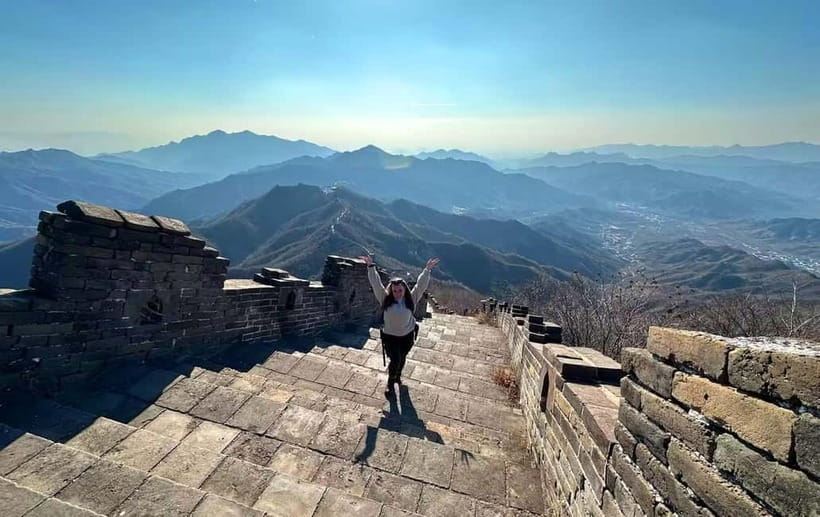
One of my favorite parts of this experience is the way it protects your time. The tour includes skip-ticket-line access, and it also includes entrance to the Mutianyu Great Wall. That means you’re not spending your morning stuck in the same queue as everyone who showed up without a plan.
It also includes free shuttle ride and a direct bus transfer from downtown, which is exactly what you want on a day like this. Great Wall logistics can be confusing if you’re doing everything solo, especially when you factor in cable cars, internal shuttles, and getting back to Beijing. With this setup, you’re basically following a route that’s designed to keep you moving.
Cable car up to Watchtower 14: save your legs for the real hike
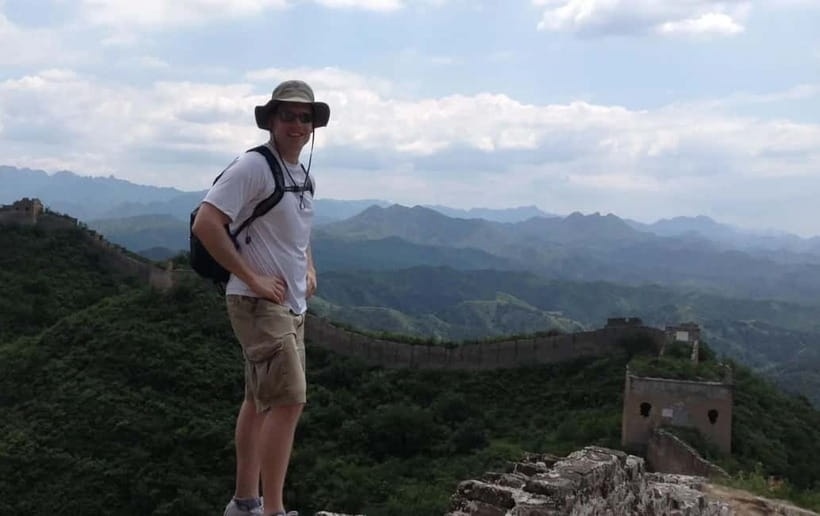
The day kicks off with the uphill cable car. In the described route, you go up to Watchtower #14, which is a smart choice because the goal is a guided 5-kilometer hike rather than an all-day stair marathon.
You don’t need to be reckless with pacing, either. With the cable car doing the heavy work, you can settle into hiking mode right away: keep a steady pace, drink water, and focus on your footing. The wall can be uneven and in some sections the ground isn’t perfectly even, so starting “fresh” helps.
Also, the cable car isn’t just convenience—it changes the feel of the day. You spend less time thinking about climbing and more time watching the wall stretch out behind you, and that’s where Mutianyu starts to feel special.
The 5-km guided trek toward Watchtower 20: where the views pay off
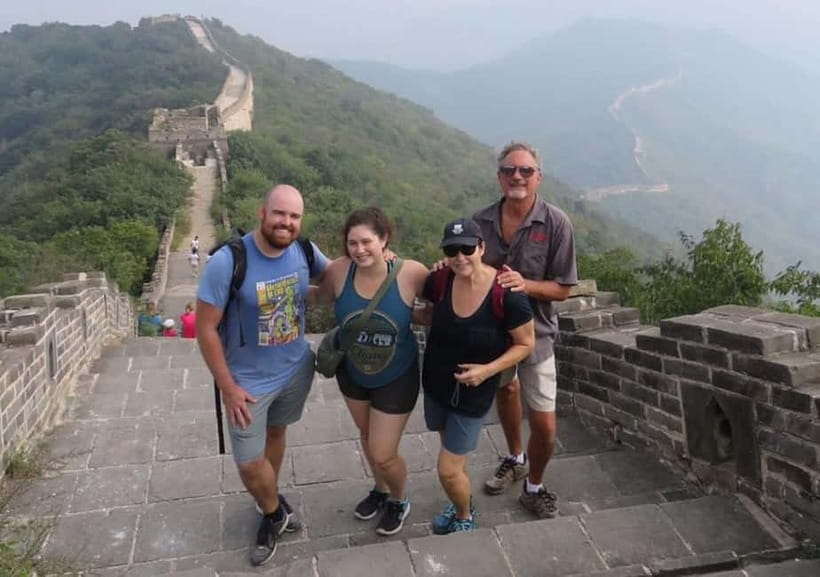
From Watchtower 14, the guide leads the hike toward the summit area at Watchtower #20. This is the core of the experience. You’re walking enough to feel like you did something meaningful, but not so far that the day collapses into exhaustion.
Here’s what I think makes this stretch work for most people who are capable of the hike:
- A guide changes your route choices. You’re not just walking where everyone else is. The route is designed around viewpoints and landmarks.
- You’re traveling with timing in mind. With an 8-hour day, there’s room for breaks, lunch, and the return—not just nonstop climbing.
- Watchtower #20 is the payoff point. The summit area is where you want your energy, because that’s where the big panorama feeling kicks in.
One caution: the “secret” feeling can also mean tougher footing in places. Based on guide descriptions and route notes from past experiences with this tour style, some portions may be less restored than the most famous tourist sections. If you like photos and quiet moments but still want comfort, bring realistic expectations and plan for slower walking.
Secret paths, quieter wall sections, and better photo angles
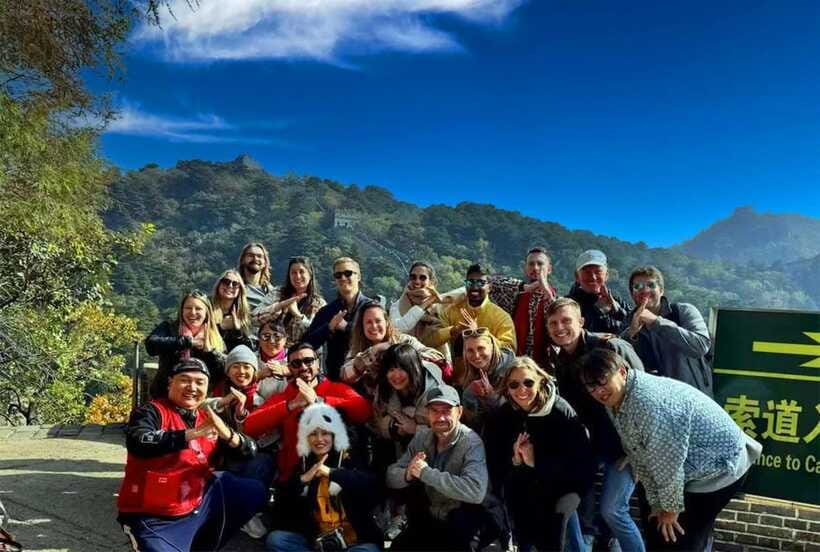
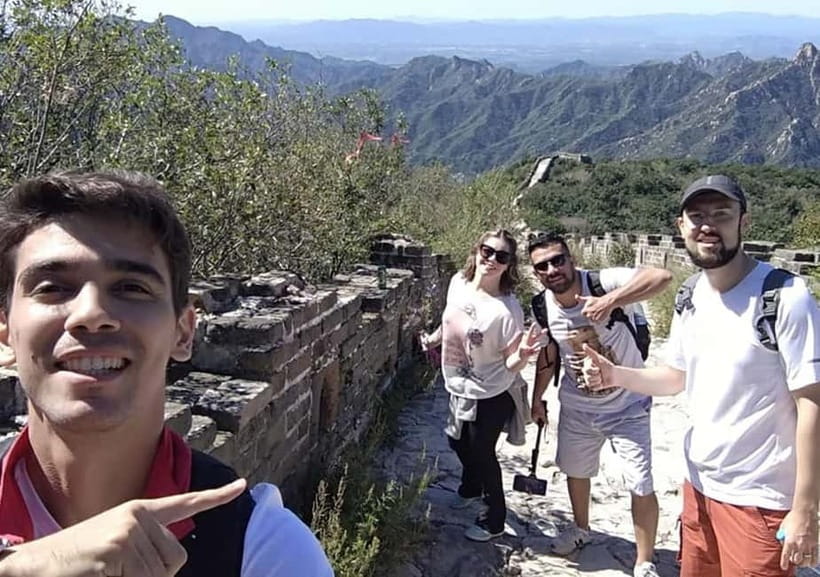
This tour leans into secret viewpoints and pathways rather than sticking only to the postcard route. That’s a huge part of the appeal. When you walk off the most obvious line, you’re more likely to get:
- less crowd pressure
- more room to stop, look, and frame photos
- a stronger sense of how people actually moved along this wall long ago
In some cases, the route can branch off toward a longer, less touristy section and then come back to the main wall area for landmarks you’d recognize. That’s why the guide matters. A good guide helps you understand what you’re looking at and keeps you safe on uneven sections.
There’s one important practical point to keep you from getting surprised: some people report an extra payment on-site related to the cable car and access to a non-tourist wall section. The exact amount can vary depending on how your day is routed. Your tour description may list the cable car as included, but I’d still plan to ask your guide or confirm with the operator the day-of what any extra cost might cover.
Lunch and downtime at the MuBus base: refuel without rushing
After the main wall walking, you return to the MuBus visitor center around 14:30. This is your decompression window. You get complimentary tea and snacks, and there’s an optional MuBus Wall Restaurant buffet if you want a proper meal.
This part is underrated. On Great Wall days, people either forget to eat early enough or they waste time searching for food at the most inconvenient moments. Here, you’re set up to recover, hydrate, and keep your mood steady for the return trip.
Also check the small comfort wins: the tour includes complimentary luggage storage, so you’re not dragging bags around the visitor area while you wait.
Descending and getting back to Beijing without stress
The described route includes internal transport for the descent—internal shuttle ticket and a descent from Watchtower 6 are part of the plan. Practically, this means you’re not relying only on walking downhill the whole way, which is good news for knees and quads.
When it’s time to head back, the schedule has you boarding the bus around 15:00 and returning to Dongzhimen Station by 16:30. That return timing is a big deal because it keeps you from burning your evening in traffic or wandering around in the dark trying to figure out how to get back.
Optional toboggan note (only if you want it)
Downhill by toboggan is not included, and if you decide you want the ride, you pay around ¥100 on your own. If you’re already doing a guided hike, I’d personally treat the toboggan as an optional fun add-on, not something you rely on to “save” the day from fatigue.
Price value: $54 can be a steal, but confirm possible on-site extras
The listed price is $54 per person, and it includes a lot of what typically costs time and energy:
- round-trip bus transport
- English-speaking guide
- Mutianyu entrance ticket
- uphill cable car and internal shuttle ticket (per description)
- the guided 5-km hike
That’s a solid value bundle if you care about saving time and not having to coordinate multiple tickets on your own.
That said, there’s a reality check. Some experiences with this style of route report an additional fee on arrival (example reported: RMB150 per person) linked to cable car and access to a non-tourist section. Your day might be fully covered, but it’s smart to ask what’s included for your exact itinerary that day, especially if your route includes the “secret” access area.
If you handle that one uncertainty, this tour can feel like very good money because so much of the cost is really time saved: fewer lines, a guided route, and organized transport.
Guide quality really matters on this kind of wall
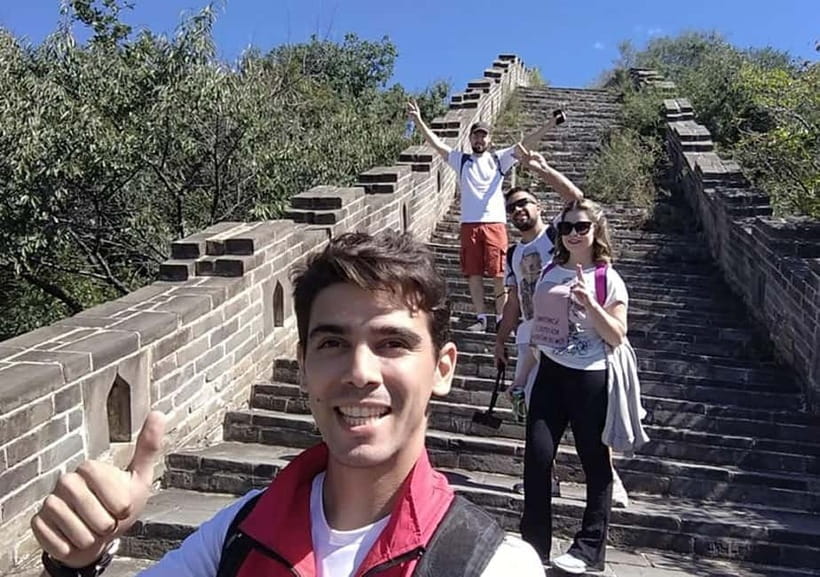
Because the hike includes a less standard route, an English-speaking guide isn’t just nice—it’s part of the safety and enjoyment.
From prior experiences, guides have included people like CiCi and Taka, with strong notes about helpfulness and route guidance, plus suggestions for dinner back in Beijing. That’s a sign this operator aims to do more than just “check tickets.”
Still, one caution from past experiences: language quality can vary, and on at least one occasion the guide wasn’t English-speaking as expected. If English is a big part of why you’re booking, I’d treat the guide as a key factor and make sure you have clarity on communication expectations before you arrive at the meeting point.
Who this Mutianyu hike is best for (and who should skip it)
This is for explorers who want more than a quick wall stamp. It’s best for you if:
- you’re physically active and comfortable hiking uphill on uneven ground
- you want a guided route with specific landmarks (Watchtower 14, Watchtower 20)
- you like the idea of quieter sections and better photo opportunities
- you want your day planned down to transport and meal timing
It’s not for you if you have knee/joint issues, heart or breathing problems, or if your fitness level is low. It also isn’t suited for pregnant women, people with mobility impairments, or those who’ve had recent surgeries. And if the weather turns ugly—heavy rain or strong winds—the tour can be canceled.
A simple way to decide: if you wouldn’t feel comfortable walking for about half a day on stair-like, uneven surfaces, choose a gentler Great Wall option.
What to bring so the day stays enjoyable
Keep it practical:
- Passport (required)
- water (you’ll want it)
- proper hiking gear (sturdy shoes help a lot)
If you’re taking photos, you’ll also appreciate breathable layers. On a wall hike, you can go from warm sun to cooler shaded sections quickly, and you don’t want to fight your clothing while your attention should be on your footing.
Should you book this Mutianyu Great Wall 5-km guided hike?
I’d book it if you want a Great Wall day that’s built for walking with intention. The mix of cable car up, a guided 5-km hike, skip-line access, and time at the MuBus base makes this one of the more efficient ways to experience Mutianyu without wasting hours on logistics.
Hold off or choose something gentler if you’re dealing with joint issues, heart/breathing concerns, or low fitness. Also, before you go, do a quick check on any possible on-site add-ons tied to the cable car and non-tourist access—because that’s the one variable that can change your total cost.
If you’re an active traveler who likes quiet viewpoints and doesn’t mind a workout, this is the kind of day where you come home tired, happy, and already planning your next hike.
FAQ
Where do I meet the tour in Beijing?
You meet at Subway Line 2, Dongzhimen Station Exit B1. If you’re taking a taxi, show the driver 东直门地铁站B1口.
What time does the tour run, and how long is it?
The tour duration is 8 hours. The schedule starts with meeting at 08:00, and you return to Dongzhimen Station around 16:30.
Is the cable car included?
The tour includes the Great Wall Uphill Cable Car as part of what’s listed in the activity inclusions.
How hard is the hike?
The hike is physically demanding. You should not book if you have knee, joint, heart, or breathing problems, and you should only go if you’re physically active on a regular basis.
Is the toboggan downhill ride included?
No. Downhill by toboggan is not included. If you want it, you pay about ¥100 on your own.
What should I bring?
Bring a passport. You’ll also want proper hiking gear and water for the trek.