REVIEW · SHANGHAI
Private 2-Hour Shanghai Lanes and Alleyways Walking Tour
Book on Viator →Operated by Shanghai Pathways · Bookable on Viator
Nongtangs make Shanghai feel like a lived-in place, not a postcard. This private 2-hour walking tour takes you through older backstreets, where courtyard-style lanes mix traditional design with newer Western-influenced touches. I love that the focus stays practical: you learn how people actually move through their neighborhoods. I also love that you get a real guide-led perspective, with feedback often praising guides like Mary, Zoe, and Mason for being prepared and friendly.
One thing to consider: this kind of tour can feel a bit intrusive, especially if you’re hoping for guaranteed inside-home access. Some guests report that expectations for private-home visits weren’t always what they hoped, and weather can also turn this into a very soggy walk if it rains.
In This Review
- Key Points You’ll Care About
- Why Nongtangs Feel Like the Real Shanghai
- The Price: What You’re Paying For (and What You’re Not)
- Getting Started at Xizang Road: The Fast Way to Orient Yourself
- Walking Through Courtyard Alleyways: What Makes Nongtangs Different
- Meeting Long-Time Residents: The Human Side of the Neighborhood
- Local Markets and Wet Markets: Street Food Without the Tourist Filters
- What the Tour Structure Feels Like in Real Life
- Weather and Comfort: A Soggy-City Reality Check
- Who This Tour Is Best For
- A Quick Note on Guide Quality
- Should You Book This Nongtang Alleyways Tour?
- FAQ
- How long is the Shanghai lanes and alleyways tour?
- Is this tour private?
- Where does the tour start and end?
- What is included in the price?
- What is not included?
- Can I buy street food during the tour?
- How much does the tour cost?
- Is it easy to reach the meeting point using public transportation?
- Is free cancellation available?
Key Points You’ll Care About
- Nongtang backstreets: older courtyard alleyways that most visitors never wander into
- Architecture + daily life: you connect the layout of the lanes to how residents live
- Meet-and-greet moments: you may socialize with long-time residents and visit local homes
- Small markets and wet markets: locally run shops along the lanes, not tourist stalls
- Street food options on your dime: you can sample items like tea eggs if you want
Why Nongtangs Feel Like the Real Shanghai
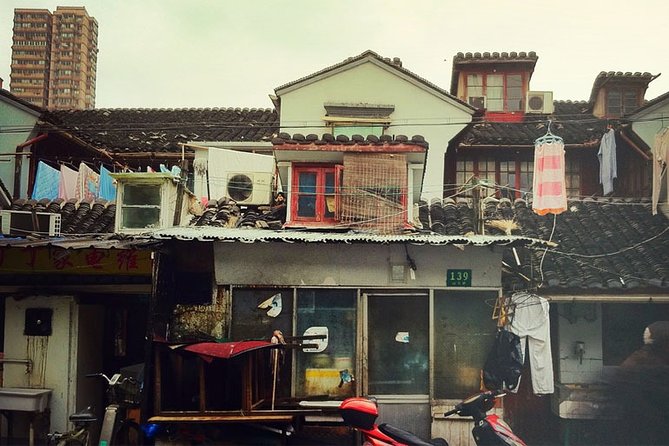
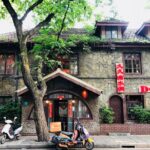
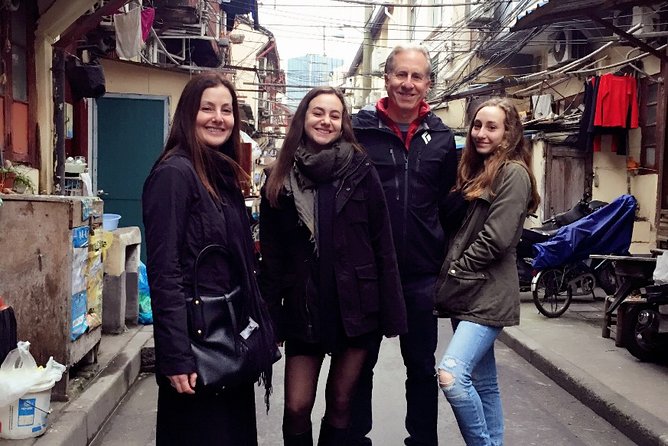
Shanghai’s famous sights—the Bund, City God Temple area, the big garden complexes—are impressive. But they can also feel like a performance: you see the city, you don’t always feel the daily rhythm. Nongtangs (courtyard alleyways) are different. They’re tighter, older, and built for neighbors who know each other’s schedules.
You’ll be walking through residential lanes where the buildings often reflect two eras at once: older courtyard forms plus later Western-style influences that show up in details and design choices. That “two-time” look is more than aesthetics. It helps you understand why Shanghai grew the way it did, and why life in these districts hasn’t reset into something uniform.
And because it’s a private tour, the pace is adjustable for your group. You’re not getting swept along by a crowd that needs to keep moving. You can stop, ask questions, and watch how people actually use the space—small storefronts, doorways, shared corridors, and street-level routines.
You can also read our reviews of more tours and experiences in Shanghai.



The Price: What You’re Paying For (and What You’re Not)
At $123.08 per person for a private 2-hour tour, you’re paying for three things: a dedicated guide, access to lesser-walked streets, and context that makes the architecture and everyday life make sense.
What you’re not paying for is food. You’ll be taken to local food markets and street-food spots, but sampling is typically own expense. That’s a plus for some travelers (you choose what you eat and how adventurous you want to be) and a minus for others (you might want that included up front).
Also note: hotel pickup and drop-off are not included. That means you’ll want to plan how you’ll get to the meeting point and back. If you’re staying in a convenient area or you enjoy navigating on your own with transit, this tour can feel like good value. If you want a door-to-door experience, you’ll need to factor in extra travel time.
Getting Started at Xizang Road: The Fast Way to Orient Yourself
The tour starts at Xizang Road (Xi Zang Nan Lu, Huangpu District), and it ends back at the meeting point. The route is designed for walking, so the best early win here is mental orientation. You’ll quickly learn what to look for: how alley openings connect, where courtyards sit behind street facades, and why these lanes exist in the first place.
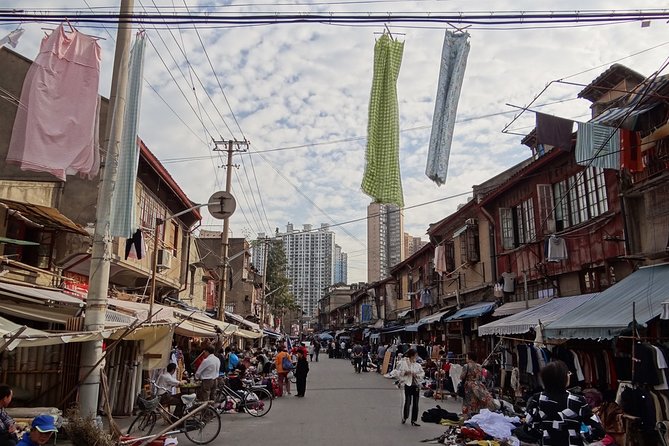
Even in just the first stretch, you’ll likely notice how non-tourist neighborhoods read differently than famous attractions. Streets can feel quieter, storefront signs can be smaller, and the city feels more “in use” than “on display.” This is where having a local English-speaking guide matters, because you’re not just seeing scenes—you’re getting interpretations as you walk.
Practical tip: wear shoes you don’t mind getting scuffed. Nongtang lanes can be uneven or tight, and you don’t want to spend the first ten minutes worrying about comfort.
Walking Through Courtyard Alleyways: What Makes Nongtangs Different
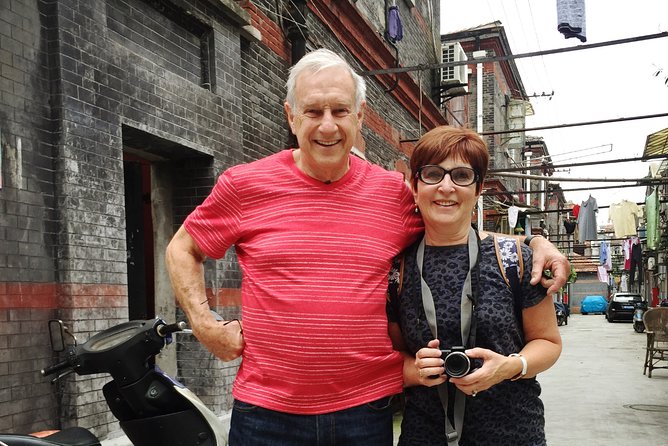
This is the core experience: a 2-hour walking tour focused on Shanghai’s nongtangs—old lanes and districts shaped by courtyard living. What makes it special is how the architecture and the neighborhood flow connect. These are passageways designed to move people through everyday life while keeping buildings oriented toward shared inner space.
The tour framing also emphasizes a design mix: traditional courtyard-style building layouts alongside later Western architectural influences. You’ll probably hear explanations for what those influences mean in practical terms—how residents adapted the space, what changed over time, and how the physical layout still affects daily routines.
What I like about this approach is that it stops the “architecture as wallpaper” problem. Instead of treating buildings like museum objects, you’re shown how the space influences where people gather, where shops appear, and how streets function as neighborhood meeting points.
One consideration: if you’re only chasing dramatic photo angles, nongtangs may take a bit of imagination. The visual impact can be subtle at street level. The payoff comes when your guide points out the patterns you would otherwise miss.
Meeting Long-Time Residents: The Human Side of the Neighborhood
One of the most compelling parts is the chance to meet long-time local residents and hear their stories. The tour experience is built around the idea that many original inhabitants still live in these areas, and that they’ve kept parts of the old ways even as Shanghai changed fast everywhere else.
In practical terms, this is where the tour can feel most meaningful. You’re not just learning about architecture. You’re learning about cultural norms that shape daily life: how residents socialize, how they view visitors, and how community boundaries work inside narrow lanes.
A key caution from real-world feedback: some guests expected guaranteed invitations into private homes, and that wasn’t always the reality. You may or may not go inside. Even when you’re welcomed to observe or socialize, you should treat it like being in someone’s neighborhood, not a set.
My advice: be polite, keep your questions respectful, and don’t over-focus on forcing an inside-home moment. If you’re flexible, you’ll get more out of the human stories even from outside the doorway.






Local Markets and Wet Markets: Street Food Without the Tourist Filters
After the alleyway walking, the tour shifts to small markets and local stores along the way. This part helps you see the “economy of the neighborhood”—how people buy daily essentials and how shop owners build relationships with nearby residents.
The guide typically takes you to tucked-away markets where you can meet owners and learn about their livelihoods. You’ll also have the option to buy local delicacies. Items like tea eggs come up as a common street-food choice: hard-boiled eggs cooked in tea and marinade sauce.
Because food is not included, you get control over your budget and spice tolerance. You can sample a little, skip something unfamiliar, or focus on one or two tastes rather than doing a full snack marathon.
If you’re the type who likes to eat while sightseeing, you’ll likely enjoy this segment. If you prefer a totally structured meal plan, just know this part is more flexible and self-directed once you’re at the market.
What the Tour Structure Feels Like in Real Life
Even without a huge number of “big ticket stops,” the tour is easy to understand: you walk, you learn, you pause, you watch, you ask. The value comes from repetition. You see how nongtangs work in multiple spots, and each new lane gives the last one more meaning.
It also helps that the tour is private. In busy Shanghai, private guides can reduce stress fast. You’re less likely to get lost, less likely to feel rushed, and more likely to get explanations that match your questions.
The tradeoff is that your experience depends more on timing and weather. Reviews note that rain can seriously affect comfort. If you’re going in wet season or during uncertain forecasts, pack accordingly.
Weather and Comfort: A Soggy-City Reality Check
A rain-soaked walking tour can be miserable, even when the content is great. If it’s forecast to rain, plan for it like you mean it: a light rain jacket that doesn’t flap, a small umbrella if it doesn’t obstruct others, and shoes that dry fast.
Also, consider that alleyways don’t always have the same airflow as broad streets. You can cool down faster than you expect. Bring a warm layer you can put on between stops.
If your group includes older travelers or anyone who struggles with uneven pavement, ask your guide to keep the pace comfortable. Since it’s private, you should be able to manage that better than on a large-group tour.
Who This Tour Is Best For
This is a strong fit if you want Shanghai beyond the usual headline attractions. You’ll probably enjoy it most if you like:
- neighborhood travel and street-level observation
- architecture that connects to daily life
- meeting real residents and hearing personal stories
- market browsing and light street-food sampling
It’s also a good option for couples or small friend groups who want a more personal experience. And because the tour is private, you can spend less time coordinating with strangers and more time watching what’s around you.
If you’re traveling with kids, it can still work, but keep expectations realistic. This tour is more about understanding and observation than big monuments. Short attention spans might need frequent breaks.
A Quick Note on Guide Quality
Guide quality is a big deal on tours like this, because explanations transform the experience. Feedback commonly calls out guides such as Mary, Zoe, and Mason for clarity and preparation, and for making the walk feel friendly instead of lecture-like.
That said, your best move is to come ready to interact. Bring a couple of questions like:
- Why do nongtangs look like this in certain areas?
- How do residents think about change in Shanghai?
- What do you recommend tasting at the market?
When you ask in the right tone—curious, not pushy—you’ll get more from the tour.
Should You Book This Nongtang Alleyways Tour?
If you want a Shanghai tour that feels lived-in, not staged, I think this is an easy yes. The combination of nongtang architecture, local-market stops, and the chance to connect with residents is exactly the kind of experience that helps you understand a city’s everyday logic.
Book it if:
- you’ve already seen the Bund and major tourist sites
- you enjoy walking tours with real cultural context
- you like markets and don’t mind food being mostly on your own expense
- you want a private guide who can pace things for your group
Skip it or adjust expectations if:
- you strongly expect guaranteed inside-home access
- you hate rain and are unwilling to dress for wet weather
- you prefer fully included meals and fixed “attraction-style” stops
FAQ
How long is the Shanghai lanes and alleyways tour?
It’s listed as about 2 hours.
Is this tour private?
Yes. It’s a private tour/activity, and only your group participates.
Where does the tour start and end?
The tour starts at Xizang Road (Xi Zang Nan Lu, Huangpu District, Shanghai) and ends back at the meeting point.
What is included in the price?
Included are a private walking tour and a local English-speaking guide.
What is not included?
Food and drinks are not included, and there is no hotel pickup or drop-off.
Can I buy street food during the tour?
Yes. The tour includes time at local food markets, and sampling street food is an own expense option (tea eggs are one example mentioned).
How much does the tour cost?
The price is $123.08 per person.
Is it easy to reach the meeting point using public transportation?
Yes. The meeting point is noted as near public transportation.
Is free cancellation available?
Yes. You can cancel for a full refund if you cancel at least 24 hours in advance of the experience start time.