REVIEW · GUANGZHOU
Guangzhou: Walking Tour of Xiguan Ancient Town
Book on GetYourGuide →Operated by SilkRoadTrips · Bookable on GetYourGuide
One street at a time, Guangzhou’s past stays alive. This Xiguan ancient town walking tour strings together key places in the Liwan area, then winds out to Shamian Island along the Pearl River for a calmer finish.
I especially like how it mixes quiet culture with everyday life: you’ll see a Taoist temple in the morning mood, then watch locals relax and play at Liwanhu Park. I also love the stop at Lychee Bay, where the old-style homes show you how Lingnan-area families used to live.
One possible drawback: it’s a true walking tour with lots of street time, so if you prefer frequent sit-down breaks, plan for a steady pace.
In This Review
- Key moments that make this walk worth it
- Xiguan Old Town: why this part of Guangzhou feels different
- Renwei Temple and Liwanhu Park: faith and daily rhythms
- Lychee Bay and Lingnan houses: the “home” story behind Xiguan
- Duobao Road and En’ning Road: markets, snacks, and real Cantonese texture
- Yong Qing Fang and Shangxiajiu: old lanes meet big-city energy
- Shamian Island by the Pearl River: shaded colonial streets as a breather
- Price and value: is $89 for 3.5 hours a fair deal?
- How the timing and pacing work on the ground
- Where you meet and what to do first
- Who this tour is best for (and who should skip it)
- Should you book the Guangzhou Xiguan walking tour?
- FAQ
- How long is the Guangzhou walking tour of Xiguan Ancient Town?
- Where do I meet the guide?
- Is the tour guided in English?
- What’s included in the price?
- Is hotel pickup available?
- What should I bring?
- Can I cancel for a refund?
- Is there a reserve now, pay later option?
Key moments that make this walk worth it
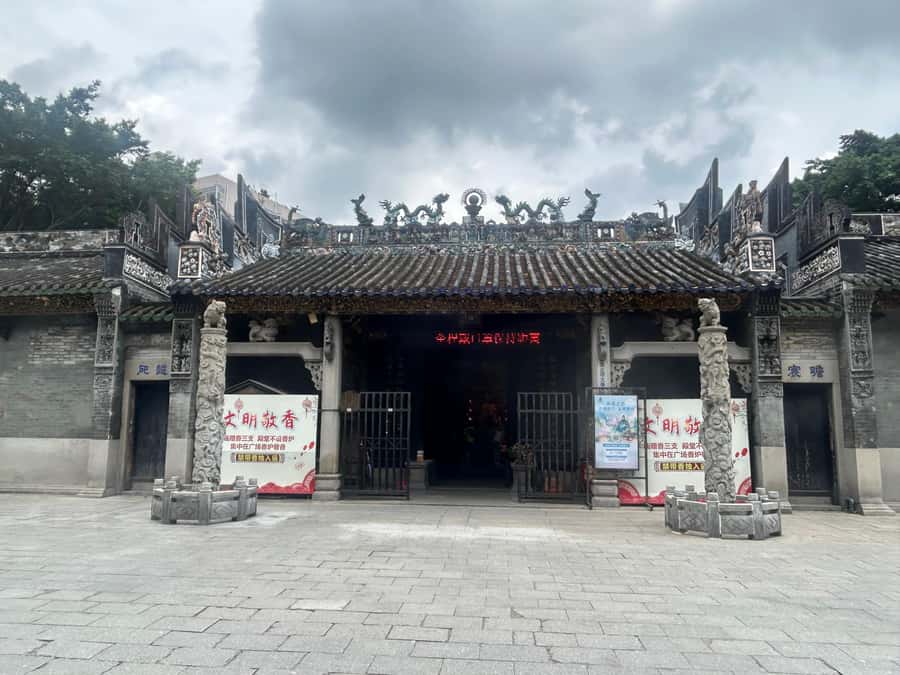
- Renwei Temple: Taoist architecture and a real sense of local faith in the historic Liwan district
- Liwanhu Park: you’ll catch everyday scene energy, not just monuments
- Lychee Bay: preserved Xiguan houses, ideal for understanding Lingnan residential style
- Duobao Road and En’ning Road: markets, shops, and a snack-street vibe that shows Cantonese daily life
- Shamian Island: shaded streets on the Pearl River edge, with a distinctly older, colonial feel
Xiguan Old Town: why this part of Guangzhou feels different
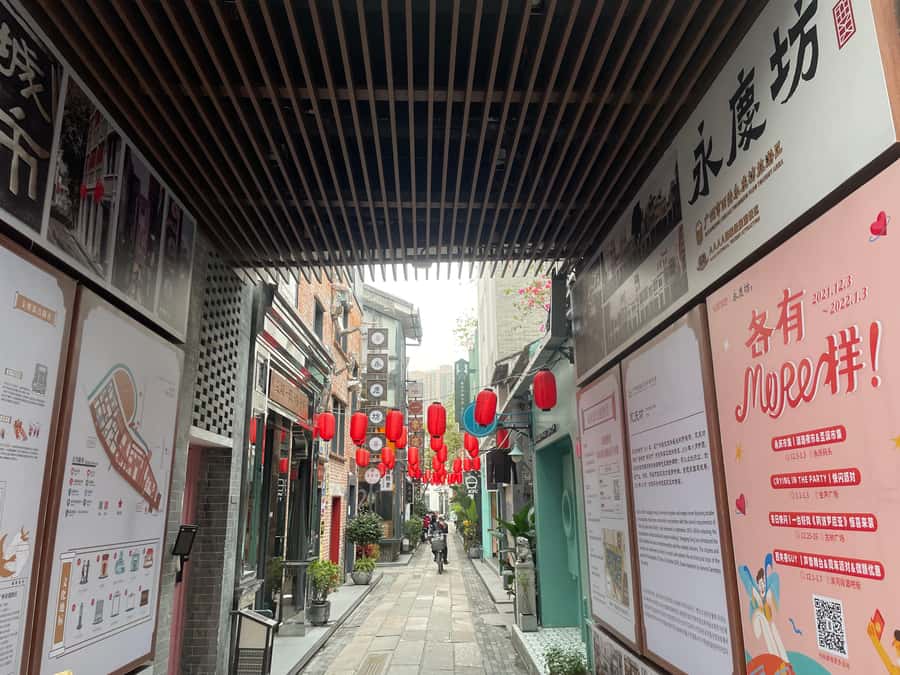
Guangzhou has plenty of modern pull, but Xiguan is where the city shows its older habits. This walk focuses on the Liwan district, the kind of area where the city’s social life used to revolve around neighbors, courtyards, and street commerce.
What I like about this format is that you’re not stuck “looking” from one spot. You move through changing neighborhood moods—temple calm, park pause, market noise, then a gentler island finish. The result is a day that feels like getting bearings fast rather than collecting random landmarks.
You can also read our reviews of more tours and experiences in Guangzhou.

Renwei Temple and Liwanhu Park: faith and daily rhythms
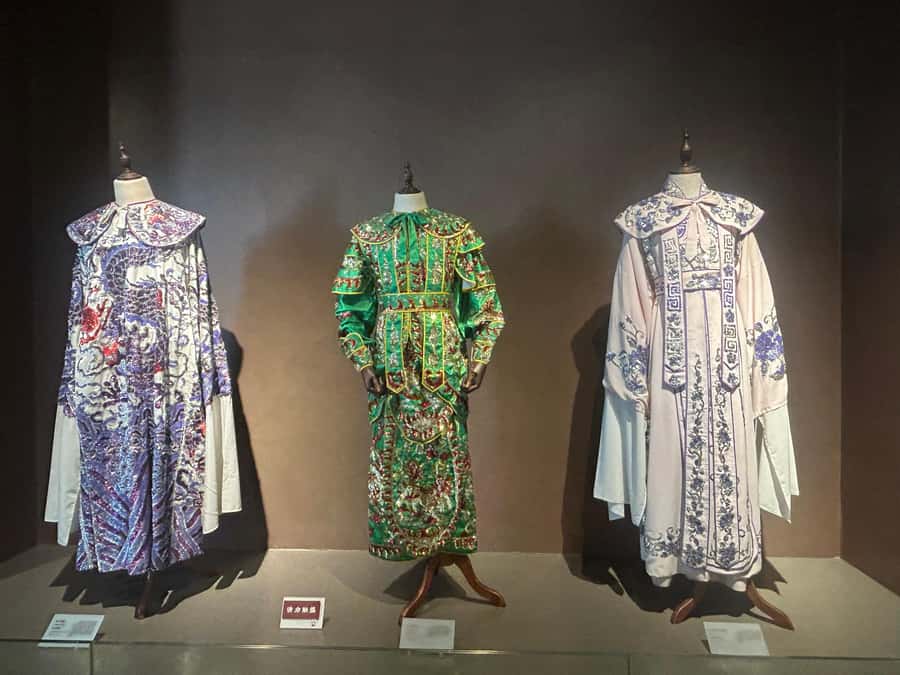
The first big cultural hit is Renwei Temple, a Taoist temple you’ll reach by foot through the historic Liwan area. Even if you don’t read the architectural details, you can still feel what a temple anchors in a neighborhood—routine, respect, and a place that’s not staged for tourists.
Next comes Liwanhu Park, and this is a smart choice. Parks like this are where you see Guangzhou people using public space like it’s part of their schedule. You might spot locals dancing, singing, and playing games—small actions, but they tell you a lot about how the city breathes beyond the guide’s script.
Tip for your photos: keep your phone ready but don’t block paths. The park vibe is social, and it’s easy to forget you’re watching people live their day.
Lychee Bay and Lingnan houses: the “home” story behind Xiguan
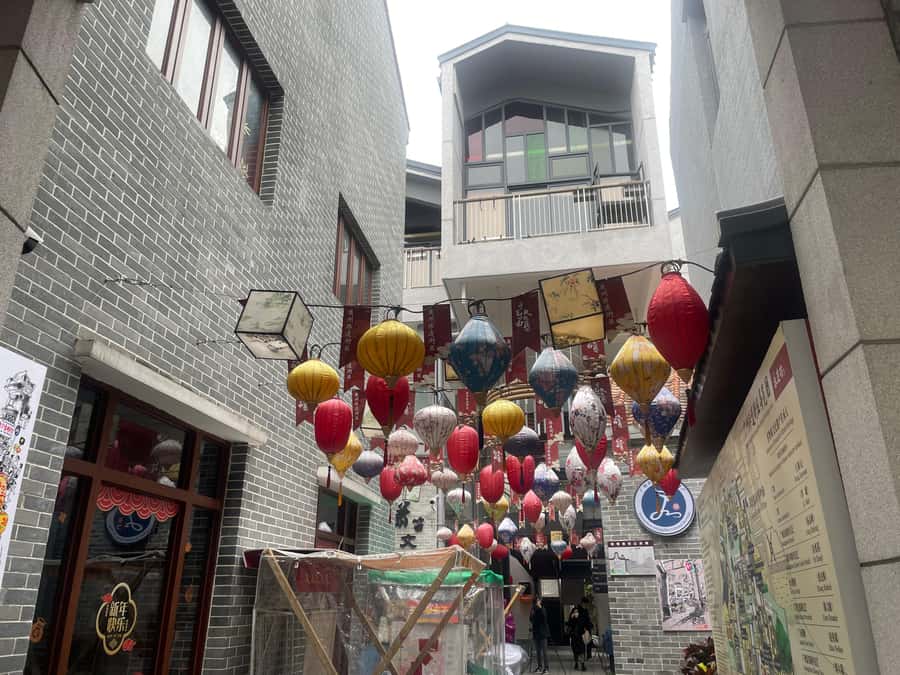
Lychee Bay is where the tour shifts from public life to private life. You’ll stroll in an area known for well-preserved Xiguan houses, historically tied to the wealthier residents of the old town.
What matters here is why these buildings are important. Lingnan regional design often reflects climate and family patterns—courtyard logic, thick walls, and spatial layouts meant for daily living. Seeing these forms in context helps you understand that “old town” isn’t only about streets and signs. It’s also about how households functioned.
If you like architecture even a little, plan to slow down. This part gives you time to notice how the neighborhood streets relate to building interiors and passageways.
Duobao Road and En’ning Road: markets, snacks, and real Cantonese texture
After the quieter historic zones, the walk steps into the high-contrast world of Duobao Road and En’ning Road. This is where you can watch local life in motion—people moving through market lanes, small shops, and the kind of snack-street energy that makes Chinese cities feel instantly alive.
A key detail here is that it’s not only sightseeing. This segment is designed for observation. You’ll see how people shop, what they pause to eat, and how storefronts feel integrated into daily routes.
Food note: the snack stops can include things that aren’t vegan-friendly. One guide’s route has included a seafood-market stop where vegans may want an alternate plan, and you can ask for rerouting toward fruit or other stalls if that’s your preference. Also, one guide route has included a novelty coffee made with cat droppings; it’s exactly the kind of odd historical-local curiosity that some people love and others skip. If you’re unsure, just communicate your comfort level to your guide and keep your expectations flexible.
Yong Qing Fang and Shangxiajiu: old lanes meet big-city energy
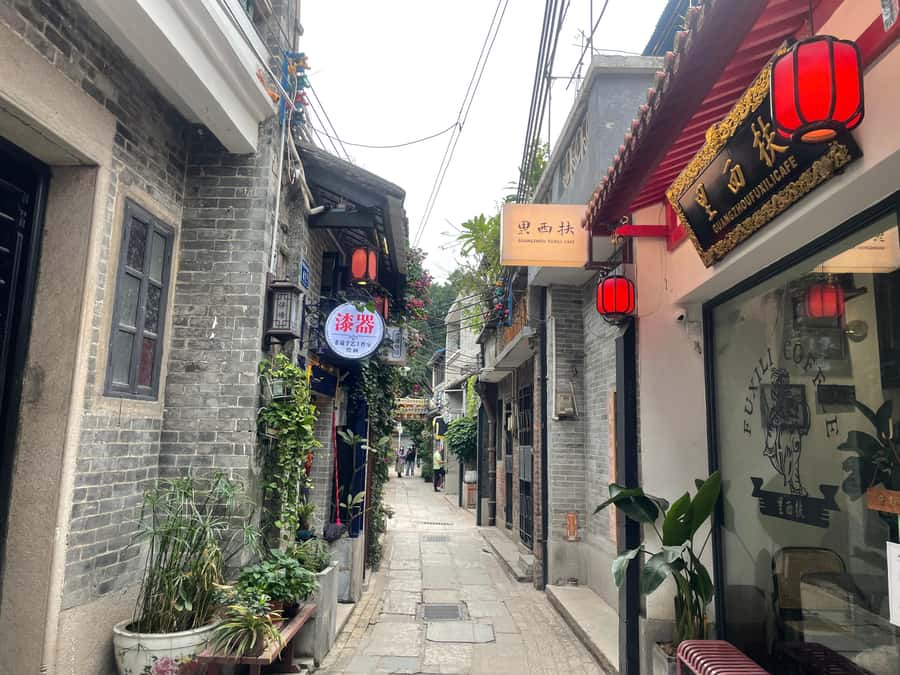
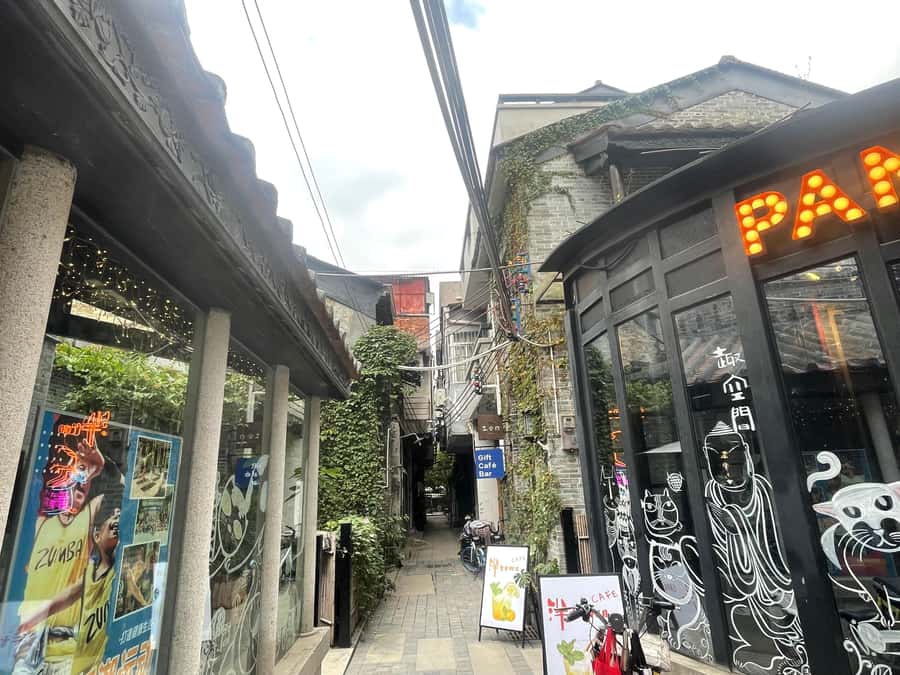
The walk then heads to Yong Qing Fang, in the center of the old town. This stop tends to feel like a transition point—still old Guangzhou in setting, but with energy that feels more street-active and geared toward visitors and locals sharing the same lanes.
From there, you move toward Shangxiajiu Pedestrian Street, one of Guangzhou’s best-known walkable shopping corridors. The shift is intentional. After temple, park, and market lanes, Shangxiajiu gives you the broader city context: how historic districts connect to modern commercial life.
If you get sensory overload here, don’t fight it—just use it strategically. Wander a bit, then let your guide steer you toward the quieter side streets again when the group moves.





Shamian Island by the Pearl River: shaded colonial streets as a breather
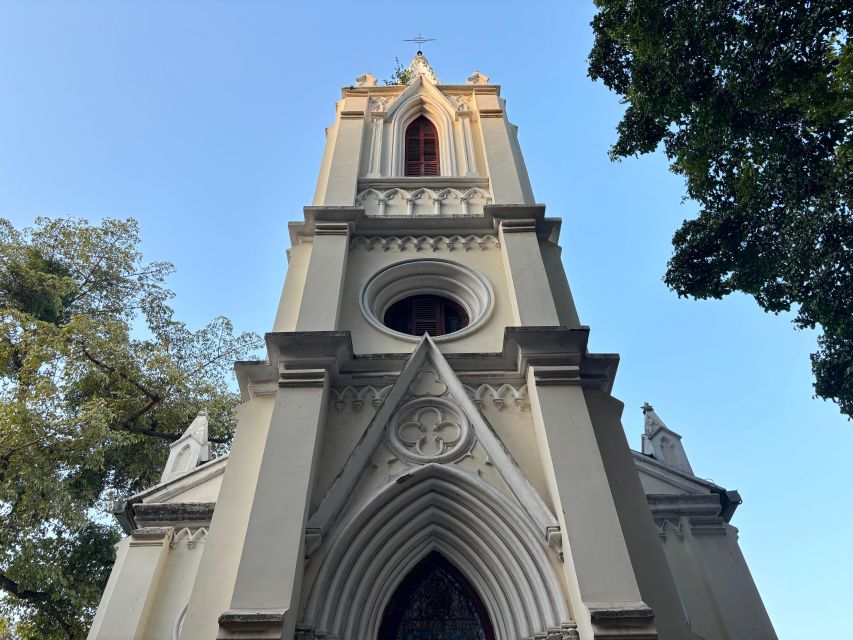
The final act is Shamian Island, a tree-lined neighborhood along the Pearl River. This is a great way to end, because the island atmosphere often feels calmer than the busier market stretches.
You’re walking through a more colonial-street style environment—think wide, shaded paths and an older urban layout that contrasts strongly with the dense lane feeling of Xiguan. Even if you’re not a colonial-architecture nerd, you’ll still appreciate the slower pace and the way the streets invite lingering.
When the tour finishes, your guide helps you get back by taxi or metro, which is a practical touch. A walking tour feels great, but it’s even better when it hands you a simple route home.
Price and value: is $89 for 3.5 hours a fair deal?
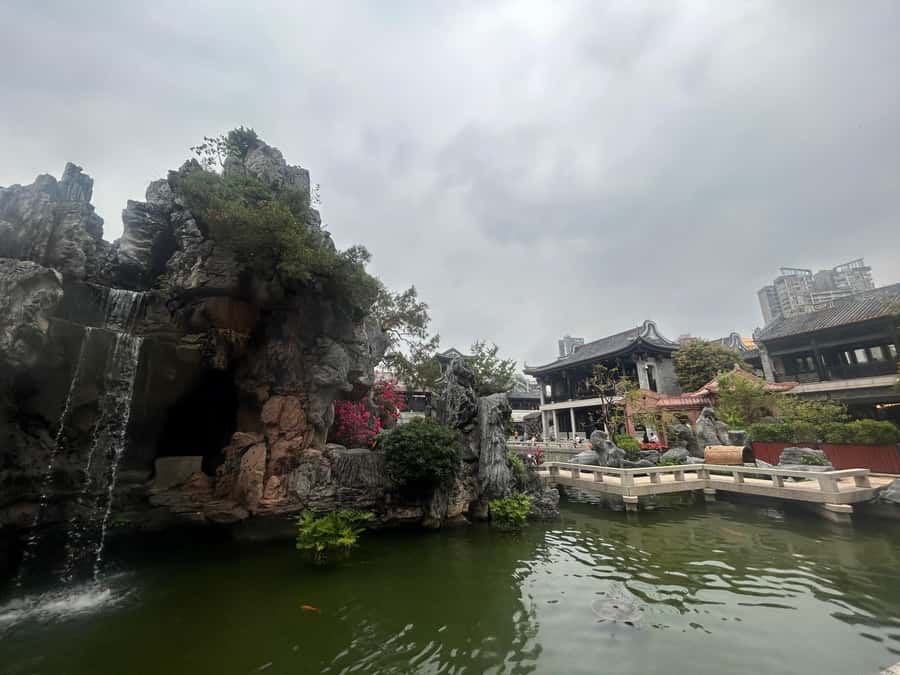
At $89 per person for about 3.5 hours, you’re paying for two things: guided context and a route that connects multiple neighborhoods efficiently. This isn’t just a map with footsteps. The entrance fees are included, and you get an English-speaking guide who helps you read what you’re seeing—temples, parks, preserved residences, and commercial streets.
Here’s how I’d judge the value for you:
- If you like structure and want explanations as you walk, the price starts to feel reasonable fast.
- If you’d rather wander freely without paying for a guide, you might feel it’s expensive—especially because the tour covers a lot of street time.
My take: this is a good buy when you want a coherent half-day of old Guangzhou without spending extra effort planning the route. If you’re already fluent in what you’re looking at, the value drops. If you’re not, the guide time is the main product.
How the timing and pacing work on the ground
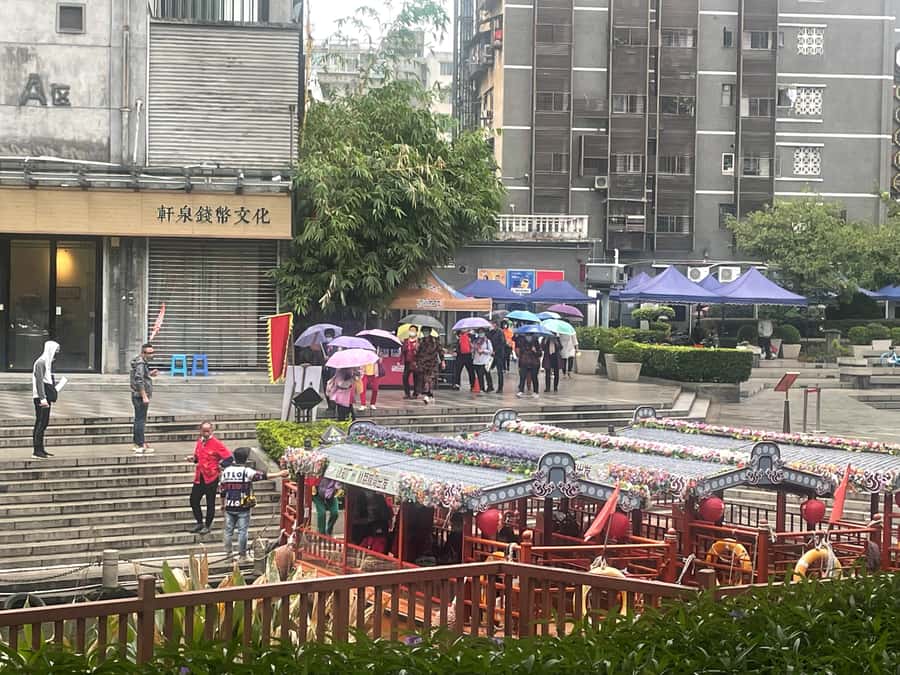
The tour is set for roughly 3.5 hours, and you’ll cover several distinct areas on foot. That means you’ll likely move at a steady group pace, with short stops where your guide talks and you look around.
One thing to keep in mind: the “right” pace is a balance. Some people enjoy walking with fewer long explanations; others want more talk time. If you’re the type who likes deep, extended narration at every stop, you might wish for more explanation during the street segments.
My practical advice: bring comfortable shoes and use your energy. This is the kind of tour where your feet do the storytelling.
Where you meet and what to do first

You meet your guide outside Exit A of Zhongshanba Station (Metro Line 5) in Guangzhou. The guide holds a sign with your name, so you don’t need to guess which group is yours.
If you choose the option with it, hotel pickup is available. That can be a big win if your hotel is centrally located or if you don’t want to do station navigation before the walk starts.
Bring comfortable shoes. That’s the only “must” listed, and honestly it’s the right one. Everything else is optional.
Who this tour is best for (and who should skip it)
This is a strong fit if you want a half-day in Guangzhou that feels local rather than checklist tourism. I’d especially recommend it for people who like:
- historic neighborhoods that still function as neighborhoods
- walking routes that connect multiple cultural settings
- street-level food culture and market observation
It may be less ideal if you:
- hate walking or need frequent long breaks
- want only major sights with lots of seating
- are extremely food-restrictive and don’t want to make choices when snack stops include non-vegan options
Should you book the Guangzhou Xiguan walking tour?
Yes—if you want a guided old-town storyline in a single half day. For $89, you get a connected route, entrance fees covered, bottled water, and a guide who can explain what you’re looking at as you move through Liwan, Lychee Bay, major snack streets, and then the calmer finish at Shamian Island.
I would book this especially if it’s your first time in Guangzhou and you want a fast, grounded sense of how older districts and daily life fit together. If you prefer independent wandering or only want a few big-ticket attractions, you may get more satisfaction from a lighter, self-guided day.
FAQ
How long is the Guangzhou walking tour of Xiguan Ancient Town?
The tour lasts about 3.5 hours.
Where do I meet the guide?
Meet your guide outside Exit A of Zhongshanba Station on Metro Line 5. The guide will hold a sign with your name.
Is the tour guided in English?
Yes. The tour has a live English-speaking guide.
What’s included in the price?
The tour includes a local guide, entrance fees, bottled water, and hotel pickup if you select that option.
Is hotel pickup available?
Hotel pickup is available if you choose the option during booking.
What should I bring?
Wear comfortable shoes, since it’s a walking tour.
Can I cancel for a refund?
Yes. Free cancellation is available up to 24 hours in advance for a full refund.
Is there a reserve now, pay later option?
Yes. You can reserve now and pay later to keep plans flexible.