REVIEW · SHANGHAI
Private Full Day Tour: Shanghai Colonial History Tour
Book on Viator →Operated by Jennys China Tours · Bookable on Viator
Shanghai can feel like a timeline soup. This private colonial history tour turns the 1800s to today into a walkable story, mixing architecture, street life, and archival facts. I like the hotel pickup/drop-off that keeps the day simple, and I like the dumpling lunch that makes it feel local instead of staged. One thing to consider: you’re covering several different neighborhoods, so it helps to bring water and wear shoes you can walk in.
This is also the kind of tour where the guide really sets the pace. I’ve seen how guides like Peggy, Troy, Cathy, and Céline can make the English, French, and American concession areas click into place—so you understand what you’re looking at while you’re looking at it.
In This Review
- Quick Hits: What Makes This Shanghai Colonial History Tour Worth Your Time
- Why Colonial Shanghai Makes Sense in One 8-Hour Private Day
- Former French Concession: A Street-Level Lesson in East Meets West
- Tian Zi Fang: Shikumen Architecture, Shops, and the Best Kind of Wandering
- Thames Town in Songjiang: A British-Themed Detour You Can Actually Question
- The Bund (Wai Tan): Historic Banks, Consulates, and That Classic Waterfront View
- Shanghai Municipal Archives on the Bund: The Day Gets Real-World Evidence
- Lunch in Shanghai: Dumplings, Vegetarian Option, and a Proper Break
- Guide Power: Peggy, Troy, Cathy, and Céline Make the Story Stick
- Price and Logistics: What $175 Gets You (and What You’ll Still Plan For)
- Who This Shanghai Colonial History Tour Fits Best
- Should You Book This Tour?
- FAQ
- How long is the Shanghai Colonial History Tour?
- What does the $175 per person price include?
- Is lunch included, and is there a vegetarian option?
- Do you offer hotel pickup and drop-off?
- Is this tour private?
- Are there admission tickets required for the stops?
- Are tips included in the tour price?
- Can I cancel for free, and are service animals allowed?
Quick Hits: What Makes This Shanghai Colonial History Tour Worth Your Time
- Former French Concession atmosphere where east-meets-west architecture still shapes the streets
- Tian Zi Fang’s shikumen maze plus coffee stops and local shops for real people-watching
- Thames Town as a British-themed detour in Songjiang, about 30 km from central Shanghai
- The Bund waterfront walk with historic banks, trading houses, and consulates along the Huangpu River
- Shanghai Municipal Archives on the Bund for the documentary side of foreign settlement history
Why Colonial Shanghai Makes Sense in One 8-Hour Private Day
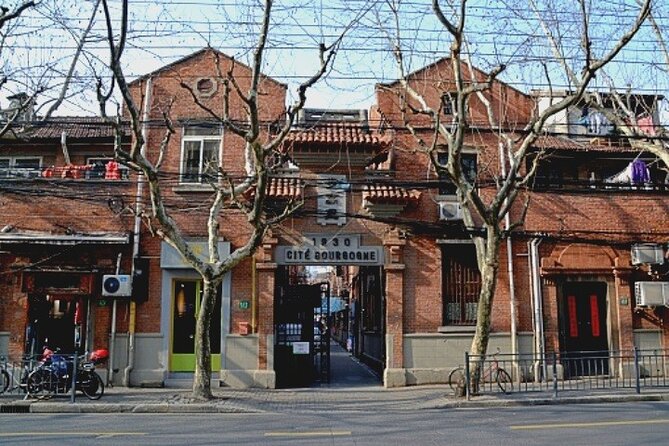
Shanghai’s story is usually told in layers—dynasties, revolutions, skyscrapers, and the constant push-pull of “then vs. now.” Colonial history is one of the key threads, but it’s hard to connect by yourself unless you already know the map of foreign settlements and how those neighborhoods evolved.
This tour is designed to help you see that connection fast. You spend about 8 hours moving between a handful of standout areas tied to the English, French, and American presence in Shanghai, then you wrap the day with archival perspective on the Bund. It’s not a museum-only day. It’s streets first, documents second.
I also like that the day includes practical comfort. You get an air-conditioned vehicle, and pickup/drop-off is handled from a centrally located hotel. That matters because the “colonial parts” are spread out, and you don’t want your day hijacked by transit transfers.
Is the price cheap? No. It’s $175 per person. But for what’s included—guide, vehicle, lunch, and hotel pickup/drop-off—it’s often closer to the cost of piecing together multiple separate experiences than to the cost of a single basic city walk. If you’re traveling as a group, the tour’s group discounts can help turn the math more friendly.
You can also read our reviews of more tours and experiences in Shanghai.


Former French Concession: A Street-Level Lesson in East Meets West
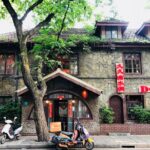
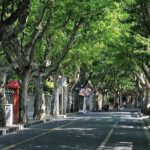
Your day begins in the Former French Concession, an area where European influence still shows up in the built environment and the way the neighborhood feels. This is one of those parts of Shanghai where you can’t just look at buildings. You also notice street rhythm—how blocks open up, how architecture frames sidewalks, and how the area became a kind of cultural hinge between outside powers and local life.
This stop is scheduled for about an hour and works best if you treat it like an orientation. Your guide can point out how colonial-era planning and later redesigns shaped what you see now. The goal isn’t to memorize dates. It’s to understand why some streets and facades look the way they do, and how that look connects to foreign concession rules and priorities back in the 1800s.
A helpful tip: take a slow walk at the start. If you rush, the details blur. If you linger, you start noticing small clues—street layout, building form, and the way the neighborhood has adapted rather than simply frozen in time.
Possible drawback: this kind of architecture walk can feel repetitive if you’re mostly craving dramatic views. The payoff here is interpretation—your guide makes the place legible.
Tian Zi Fang: Shikumen Architecture, Shops, and the Best Kind of Wandering
Next comes Tian Zi Fang, and this stop is where the tour shifts from “colonial planning” to “lived-in history.” Tian Zi Fang is known for small walkways that can feel like a maze, plus local coffee bars and shops. The architecture is shikumen, a Shanghai style that mixes traditional elements with a more modern, neighborhood-scale footprint.
Expect an hour that’s part stroll, part orientation. You’ll get time to walk through the lanes, pause for a snack or coffee if you want, and do what Shanghai does best: watch people move through space. Your guide uses the setting to explain what the colonial-era presence changed—and how Shanghai neighborhoods kept evolving after foreign concessions.
What I like about this stop is the balance. You’re not in a warehouse-like tourist district where everything looks staged. Tian Zi Fang feels like a neighborhood you could miss if you only followed big-name sights.
One practical consideration: the walkways are narrow. If you’re traveling with mobility limitations, the “maze” element can be tiring. Comfortable shoes matter.
Thames Town in Songjiang: A British-Themed Detour You Can Actually Question
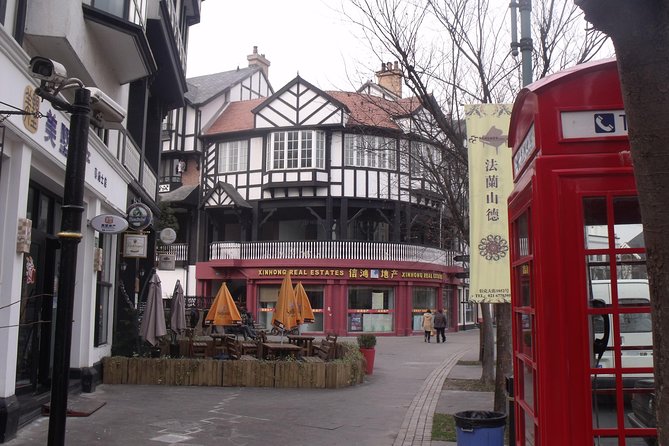
Thames Town is the curveball of the day. It’s in Songjiang District, around 30 kilometres from central Shanghai, and it’s styled as a classic British market town. It’s a newer development, but it’s useful as a contrast point.
Here’s what it gives you: a chance to compare colonial-era Europe in Shanghai with Shanghai’s later idea of Europe. Your guide can connect that to how foreign settlement history shaped taste, planning, and cultural imagination over time.
This stop is still only about an hour, so it doesn’t try to be deep cultural research. It’s more like a snapshot—how Shanghai can copy, reinterpret, and build on foreign styles when the story shifts from occupation and consessions to branding and recreation.
The best way to enjoy it is to treat it as conversation material. Ask yourself: what’s real history here, and what’s a later recreation? That question makes the whole day sharper, because you’ll return to the Bund and archives with better context.
The Bund (Wai Tan): Historic Banks, Consulates, and That Classic Waterfront View
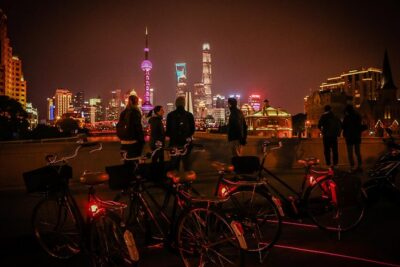
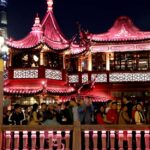
Then you reach the Bund (Wai Tan)—the waterfront strip along the Huangpu River lined with major historic buildings. This is where the colonial story becomes visually obvious. Many of those buildings once housed banks, trading houses, and consulates from different foreign countries.
This isn’t just a photo stop. If you approach the Bund as an outdoor classroom, you’ll start seeing the concession and settlement story in architectural form: who built, who managed trade, and how foreign influence concentrated in the most strategic riverfront zone.
You’ll get around an hour here, which is usually enough to walk a stretch, take in multiple facades, and understand the big patterns your guide is pointing out. I also like that you’re not forced to choose between “scenic views” and “meaning.” The Bund does both.
Quick practical note: riverfront areas can be windy and sun changes fast. Bring a layer and plan your photo stops around the light if you care about pictures.




Shanghai Municipal Archives on the Bund: The Day Gets Real-World Evidence
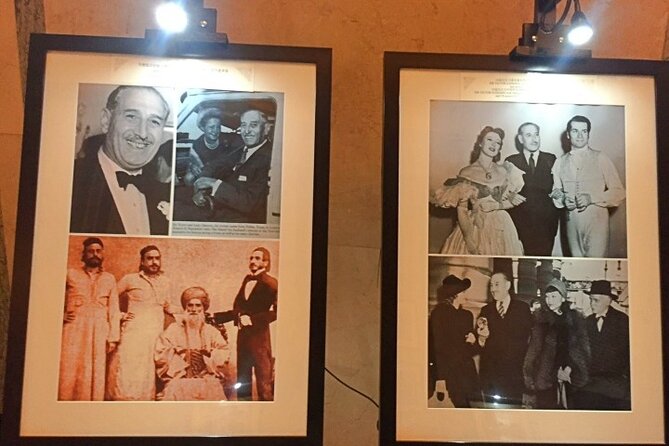
After the walk and views, the tour moves into evidence with Shanghai Municipal Archives. This is described as the main repository for Shanghai archives and is located on the Bund in a modern facility. The key value here is the link between what you saw outdoors and what the documents can prove.
You’ll spend about an hour here. The focus is on archives tied to previous foreign settlements and also republican-era materials. Even if you don’t read every document, you’ll come away with a clearer idea of how the colonial-era system was recorded and preserved—and how Shanghai’s later periods handled those records.
This stop helps you avoid the common sightseeing trap: thinking you understand the past just because you’ve looked at buildings. Archives add friction. They remind you that history is paperwork, decisions, and power.
If you like facts and primary sources, this is one of the best places in the day. If you’re not usually an archives person, don’t worry. Your guide can keep it practical, pointing you toward what matters for understanding the city’s transformation.
Lunch in Shanghai: Dumplings, Vegetarian Option, and a Proper Break
A solid tour has a good break built in, and this one includes lunch. You get an authentic dumpling lunch, with a vegetarian option available.
One reason this matters: a dumpling lunch is not just food. It’s pacing. It’s a reset button after morning walking and neighborhood maze time. It also gives you a break from constant sightseeing decisions. You don’t have to spend energy searching for something good and then mentally compete with menus in a new language.
In particular, I like how dumplings fit the theme of Shanghai—simple comfort, local technique, and something you can eat without it turning into a production. One guide setup I saw described the lunch with jianbo (the juicy pan-fried kind), which is a great reminder that “authentic” should taste better than it looks.
If you have dietary needs beyond vegetarian, the data here doesn’t specify details. You’ll want to confirm your requirement when booking.
Guide Power: Peggy, Troy, Cathy, and Céline Make the Story Stick
In my experience, colonial history tours rise or fall on the guide’s ability to connect architecture to outcomes. The guides attached to this experience come up repeatedly in feedback: Peggy, Troy, Cathy, and Céline.
Here’s what the best guides do in this kind of tour:
- They explain concession logic in plain terms, so foreign presence stops feeling like vague background.
- They slow down at the right moments, so you can actually look instead of just moving.
- They adapt if you have interests or questions, instead of running you through a scripted checklist.
The standout common thread from the guide names above is language clarity and attention. English that’s easy to follow and a guide who pays attention to what your group needs can change the whole day. It also makes a difference if you’re doing this on a tight schedule, like when you’re in Shanghai but not staying long.
Price and Logistics: What $175 Gets You (and What You’ll Still Plan For)
Let’s talk value, because $175 per person is meaningful money in Shanghai.
You’re paying for:
- Private tour setup (only your group participates)
- Hotel pickup and drop-off
- Air-conditioned vehicle
- A guide
- Lunch
- Mobile ticket
- Stops where admission tickets are listed as free
That’s the real value equation. A lot of self-guided days cost less on paper but cost more in time, confusion, and transit. This tour reduces friction by handling pickup and transportation, letting you focus on the history and the streets.
Not included: tips for the guide and driver are recommended. That means you should plan a bit of cash for gratuities. If you’re the type who hates figuring that out at the end, set it aside at the start.
The only possible mismatch is if you prefer ultra-flexible days with no structured stops. This is a designed route, and you’ll be walking and riding between neighborhoods on a schedule.
Who This Shanghai Colonial History Tour Fits Best
This is a great fit if:
- You want Shanghai context beyond modern skylines
- You like the idea of learning from architecture plus documents
- You’re traveling with friends or family and want a calm, private pace
- You appreciate guides who can connect history to what you’re seeing
It may not fit if:
- You dislike walking in urban neighborhoods, especially narrow lanes
- You want only iconic attractions with minimal interpretation
- You’re short on time and want a half-day version (this one is an 8-hour day)
Should You Book This Tour?
I’d book this tour if you want a single day that turns colonial-era Shanghai into something you can actually visualize: the concession atmosphere in the French Concession, the shikumen streets of Tian Zi Fang, the British-themed contrast of Thames Town, the Bund’s riverfront power, and then the archives that back it up.
If your budget can handle $175 per person, the biggest advantage is the combination of pickup, transport, lunch, and guided interpretation. That package reduces the usual costs of time and uncertainty.
If you’re on the fence, ask yourself one question: do you want history explained in a way that helps you look around, not just look at things? If yes, this is the kind of day that makes Shanghai feel less random.
FAQ
How long is the Shanghai Colonial History Tour?
The tour runs for about 8 hours.
What does the $175 per person price include?
It includes air-conditioned vehicle, lunch (with a vegetarian option), and hotel pickup and return with a guide.
Is lunch included, and is there a vegetarian option?
Yes. Lunch is included and there is a vegetarian option.
Do you offer hotel pickup and drop-off?
Yes. Your guide meets you at your centrally located hotel and returns you after the tour.
Is this tour private?
Yes. It’s listed as a private tour/activity, so only your group participates.
Are there admission tickets required for the stops?
Admission tickets for the stops listed are shown as free.
Are tips included in the tour price?
No. Tips for the guide and driver are recommended.
Can I cancel for free, and are service animals allowed?
You can cancel for a full refund if you cancel at least 24 hours in advance. Service animals are allowed, and the tour states that most travelers can participate.