REVIEW · HONG KONG SAR
Private Half-Day Real Hong Kong Walking Tour
Book on Viator →Operated by Big Foot Tour · Bookable on Viator
Hong Kong changes every few steps, and this private walk is designed to help you notice the good stuff fast. You’ll hit Statue Square for Feng Shui talk, ride the famous Mid-Levels escalator system, and wrap it up with temples and street markets in the Central and Western districts.
What I liked most was how the route mixes big sights with everyday corners, so it feels like Hong Kong—not just postcards. The guide’s explanations made the places click.
I also love that the tour is truly private, so your pace doesn’t get tied to a group schedule. When I heard about Maggie (the guide name that kept coming up), it made sense: calm, patient, and very tuned in to how history and traditions show up in daily life.
One consideration: you’ll walk about 4 kilometers with some steep slopes or steps, so it’s not a “casual stroll” tour.
In This Review
- Key things to know before you go
- Why this 4-hour Central and Western walk is worth your limited time
- Starting point at Statue Square: views plus Feng Shui context
- The Mid-Levels Escalator ride: a world-famous commute in slow motion
- SoHo and Mid-Levels residential lanes: what you notice when it’s not rushed
- Graham Street Market: fresh-food street energy without the tourist chaos
- Man Mo Temple (built in 1847): one of the classic spiritual anchors
- Cat Street Market: antiques, collectibles, and that old-street vibe
- Western District and the Chinese medicine market: where tradition becomes shopping
- How the guide really changes the experience (Maggie’s pacing)
- Price and value: is $213.20 per person fair?
- What it feels like day-of: timing, walking pace, and how to plan your afternoon
- Who should book this tour, and who might want a different one
- Should you book the Private Half-Day Real Hong Kong Walking Tour?
- FAQ
- What is the duration of the tour?
- Where does the tour start and end?
- What time does the tour begin?
- Is this a private tour?
- How much walking is involved?
- What’s included in the tour price?
- Are admission tickets included?
- Is food included?
- FAQ
- Is the tour dependent on weather?
- Can I cancel for a full refund?
Key things to know before you go
- Private 4-hour pacing through Central and Western, with only your group
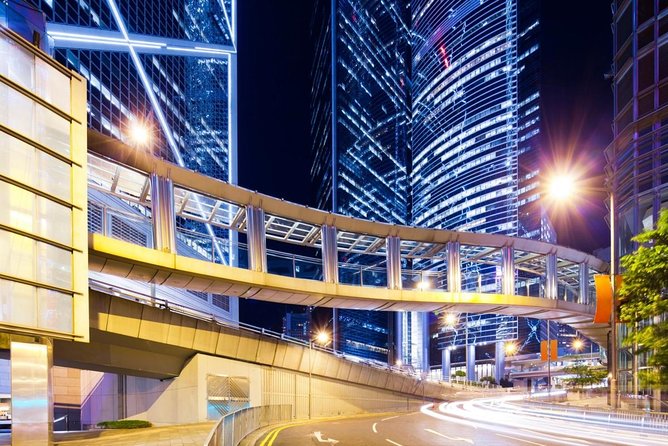
- Mid-Levels escalators: a ride on one of the world’s longest outdoor escalator series
- Man Mo Temple (built in 1847): a proper stop, not a quick pass-by photo
- Feng Shui at Statue Square: practical explanations tied to what you’re seeing
- Markets with real local purpose: Cat Street and a Chinese medicine market, plus a fresh-food Graham Street market stop
- Ends where it started (back at Statue Square area) so you can keep your afternoon your way
Why this 4-hour Central and Western walk is worth your limited time
If you only have one half-day in Hong Kong, you usually face a choice: either you see famous sights or you see the city’s texture. This tour tries to give you both in about four hours, walking a manageable route between Central landmarks and Western district streets.
The value is in the sequence. Central and Western are close enough to cover efficiently, but not so close that you’ll be bored or forced into backtracking. Your licensed English-speaking guide keeps you moving via the quickest ways on foot, and that matters because Hong Kong’s “best route” can be different from what your phone suggests when escalators and pedestrian systems take over.
Because it’s private, you can ask questions as you go. That’s a big deal at places like Statue Square and the markets, where the meaning isn’t always obvious if you’re just reading signage.
You can also read our reviews of more tours and experiences in Hong Kong SAR.

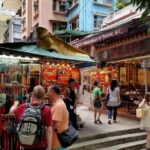
Starting point at Statue Square: views plus Feng Shui context
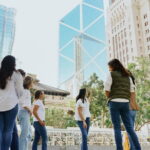
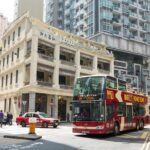
You start at Statue Square on Des Voeux Rd Central. The timing matters here. Early in the walk, you’re in the right frame of mind for what this area represents: it’s a place where old Hong Kong beliefs sit inside a modern skyline.
Your first major stop is Statue Square, where your guide explains Hong Kong history and the territory’s “crazy belief in Feng Shui.” You’ll also take in the views while you learn. This is one of those stops where pictures are easy, but understanding the why behind the layout and symbolism makes the experience better.
What to expect:
- A 30-minute stop focused on explanations and viewpoint time
- Feng Shui talk tied directly to what you can see around you (not just a lecture)
Possible drawback:
- If you hate standing around for explanations, this may feel a bit “thinking-focused.” If you like context, it’s one of the best uses of your time on the tour.
The Mid-Levels Escalator ride: a world-famous commute in slow motion
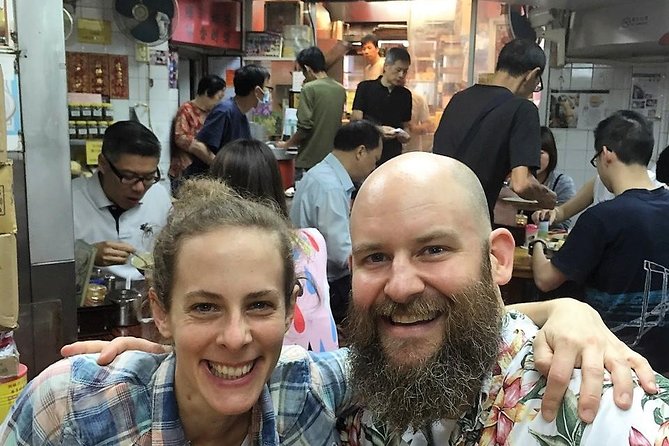
Next comes the Mid-Levels Escalator area. Even if you’ve seen photos, riding it in real life adds something. You’re not just traveling between levels—you’re watching Hong Kong’s outdoor infrastructure do its thing.
You’ll spend about 15 minutes on the ride. That short time is intentional. It keeps the tour moving while giving you the signature “only in Hong Kong” experience that people come for.
Why this stop is smart:
- It’s fast to fit into a half-day schedule
- It’s a practical way to feel the geography of the city
- It sets you up for the SoHo and Mid-Levels residential feel that comes next
Tip for your comfort: if you’re sensitive to crowds or standing, plan to keep your phone put away during peak movement and just enjoy the ride.
SoHo and Mid-Levels residential lanes: what you notice when it’s not rushed
After the escalators, you get to wander through SoHo and Mid-Levels, specifically the residential areas your guide points out. This is where Hong Kong stops feeling like a single tourist track and starts feeling lived-in.
You’ll spend around 30 minutes here. It’s not about chasing one landmark. It’s about learning how neighborhoods function—how streets feel, where the city’s energy changes, and how the “up and down” layout affects everyday life.
What I like about this portion:
- It slows you down just enough to notice details
- It gives you a contrast to the commercial streets you’ll see elsewhere
What to watch for:
- Steeper stretches are possible depending on your exact route. Wear shoes you can walk in confidently.
Graham Street Market: fresh-food street energy without the tourist chaos
One of the quicker stops is Graham Street Market, about 15 minutes. You’ll see a lively shopping area where locals pick up fresh foods.
This is a small time investment that pays off. Markets are where you catch the rhythm of daily life, and even a brief look helps you understand how people eat, shop, and move through the city.
What to expect:
- Short walk-and-look time
- A snapshot of what the neighborhood uses and buys
How to get the most out of it:
- Keep your curiosity open even if you don’t buy anything. You’ll learn more from observing stalls, price tags, and daily routines than from trying to “do a market tour” like in a food city.



Man Mo Temple (built in 1847): one of the classic spiritual anchors
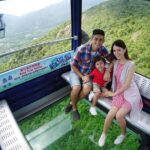
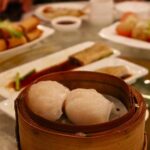
Then you move to Man Mo Temple, where you’ll spend around 30 minutes. The key detail here is that it’s one of the older temples, built in 1847. That age adds weight to the visit—this isn’t a themed set piece.
Your guide will help you connect the temple to what’s around it. Temples in Hong Kong can feel both historical and practical at the same time, because people still use them as part of tradition and daily belief.
Why this stop is a highlight:
- The temple gives you a cultural anchor in the middle of markets and modern streets
- You’ll get a guided explanation, which helps you notice what you might otherwise pass right by
Drawback to consider:
- This part of the tour is more about atmosphere and meaning than shopping. If you’re only in “photo mode,” you might want extra time here on your own later.
Cat Street Market: antiques, collectibles, and that old-street vibe
After Man Mo Temple, you’ll go to Cat Street Market for about 15 minutes. The Cat Street stop is famous for antiques and what people call vintage-looking finds, but the real value is the guided context—how this market fits into the broader Western district experience.
This is also a good place to practice your bargaining instincts if you want to shop. But even if you don’t plan to buy, it’s useful for understanding the supply chain of Hong Kong’s street trading culture: where items come from, how sellers present them, and what “everyday commerce” looks like here.
How to enjoy it:
- Don’t expect every stall to feel the same. Use your guide’s help to decide where to focus your attention.
- Keep your expectations realistic: you’re scanning and learning more than doing a full “antique marathon.”
Western District and the Chinese medicine market: where tradition becomes shopping
The last segment pushes further into cultural shopping, including time in the Western District with a Chinese medicine market stop. You’ll spend around 30 minutes here.
This is one of the most interesting parts of the tour because it shows tradition as something people still buy and use. Even if you don’t know what products mean, your guide can explain what you’re seeing and why it exists as part of Hong Kong life.
What makes it valuable:
- It’s not just a “look at products” stop. You’re learning how locals shop
- It pairs well with the Feng Shui and temple content earlier in the tour
A practical note:
- These markets can be sensory. If you’re sensitive to strong smells or crowded aisles, take your time and don’t feel pressured to keep up at full speed.
How the guide really changes the experience (Maggie’s pacing)
The best part of a private tour isn’t the route—it’s how the guide guides. The names you hear most in the feedback here include Maggie, and the common thread is that she’s patient and really good at connecting history to what you’re seeing right now.
That matters at Statue Square, where Feng Shui explanations can otherwise feel abstract. It also matters around temples and markets, where signage and objects don’t always translate cleanly without context.
If you want an easy-to-follow walk that still teaches you something, this tour’s format supports that. You’re not stuck listening to one long talk, and you’re not left alone with only a map.
Price and value: is $213.20 per person fair?
At $213.20 per person for a private 4-hour walking tour, the price isn’t low. But you’re paying for three things that add up fast in Hong Kong: a licensed private guide, a tight route that avoids dead time, and admission costs at key stops that are listed as free for the tour.
Also, based on typical spending patterns, many people end up spending about HK$150 per person during a four-hour tour. That’s a useful mental budget if you plan to buy small souvenirs, snacks, or try a market purchase.
Here’s how I’d judge the value for your situation:
- If you like structure and hate wandering without meaning, paying for a guide is a win.
- If you’re the type who enjoys building your own day and doesn’t care about explanations, you might feel this is pricier than DIY.
- If your group wants privacy and flexibility, the private format usually justifies the cost.
In short: this is a good value when you want a guided “real Hong Kong” half-day that doesn’t waste time.
What it feels like day-of: timing, walking pace, and how to plan your afternoon
The walk starts at 10:00 am and ends back around your meeting point about 2:00 pm. That timing is helpful. You get a substantial morning experience, then you’re free to enjoy lunch, rest, or tack on an extra neighborhood without rushing.
You’ll walk about 4 kilometers total with some steep slopes or steps. That’s not extreme, but it’s enough that your feet will notice if you’re in flimsy shoes.
My practical advice:
- Wear supportive shoes you’re comfortable with on stairs.
- Bring a light layer. Hong Kong weather can shift quickly.
- If you’re planning a big dinner right after, keep it nearby or allow a little buffer.
You’ll also be near public transportation, and pickup may be offered—useful if you’re staying far from Central.
Who should book this tour, and who might want a different one
This is a strong fit if you want:
- A private half-day tour with a licensed, English-speaking guide
- Central + Western neighborhoods in one go
- A mix of big sights (Feng Shui viewpoints, Man Mo Temple) and street-level Hong Kong (escalator systems and markets)
It may be less ideal if:
- You don’t like walking with slopes/steps (it’s moderate, about 4 km)
- You’re allergic to guided explanations and prefer self-led wandering only
- You’re trying to cram in too many things after 2 pm and hate even mild physical effort
Should you book the Private Half-Day Real Hong Kong Walking Tour?
I’d book it if you want a guided Central and Western Hong Kong day that feels grounded: escalators you can only experience here, a temple that dates back to 1847, and markets where you see how locals actually shop. The private format and the guide approach (Maggie is a name worth remembering) make it easier to understand what you’re looking at without speeding through.
I’d skip it only if your priority is purely “iconic photos” with minimal walking or if you’re not interested in Feng Shui, temple context, and market culture.
If your goal is to get bearings fast and learn along the way, this tour is a smart use of a limited half-day.
FAQ
What is the duration of the tour?
The tour lasts about 4 hours.
Where does the tour start and end?
It starts at Statue Square on Des Voeux Rd Central, Central, Hong Kong, and ends back at the original meeting point.
What time does the tour begin?
The start time is 10:00 am.
Is this a private tour?
Yes. It’s a private tour, and only your group will participate.
How much walking is involved?
There’s a moderate amount of walking, around 4 kilometers, with some steep slopes or steps.
What’s included in the tour price?
The tour includes expert commentary and local insights, an English-speaking licensed tour guide, and the private tour format.
Are admission tickets included?
Admission tickets are listed as free for the stops on the itinerary.
Is food included?
Food and drinks are not included.
FAQ
Is the tour dependent on weather?
Yes. It requires good weather, and if it’s canceled due to poor weather, you’ll be offered a different date or a full refund.
Can I cancel for a full refund?
You can cancel for a full refund up to 24 hours in advance of the experience’s start time.