REVIEW · SHANGHAI
Private Home Cooking Class with Shanghai Mama
Book on Viator →Operated by Shanghai Melody Tours · Bookable on Viator
A Shanghai wet market usually feels like chaos. This one turns it into a plan, with snacks and clear guidance. I like how this experience mixes local-home cooking with real daily-life context, not just a classroom. One thing to consider: the market stop includes a lot of tasting, so if you prefer very light bites, pace yourself.
You’ll start with hotel pickup and a private transfer to a major wet market, then go straight into a hands-on cooking class inside the chef-instructor’s home. The payoff is eating lunch or dinner that you helped make, with conversation that feels more like visiting than performing.
In This Review
- Quick hits before you go
- Wet Market Shopping: Snacks, Ingredients, and Food Culture in Motion
- Shanghai Mama’s Home Kitchen: A Local-Home Feeling You Can Actually Sense
- The Hands-On Cooking Class: How You Learn the Chinese Meal Workflow
- Lunch or Dinner You Made: Eating With Context, Not Just Hunger
- Pickup, Duration, and Getting Around: How Smooth This Plan Really Is
- Price and Value: What $199.11 Really Buys You
- Dietary Needs and Comfort Tips: Make It Easier to Enjoy
- Who Should Book This Private Cooking Class (and Who Might Not)
- Should You Book It?
- FAQ
- How long is the private cooking class?
- What time do I need to meet my guide?
- Does the price include the market snacks and the meal?
- Is hotel pickup and drop-off provided?
- Is this a private tour or a shared group?
- Can I request a vegetarian option?
- What if I need to cancel?
Quick hits before you go
- Wet market tour with tastings so you can learn what you’re buying, not just watch it
- Private attention in a home kitchen built for real routines (not a demo setup)
- Lunch or dinner included, plus snacks at the market and bottled water
- Hotel pickup and drop-off from central Shanghai for an easy, low-stress start
- Vegetarian option available if you request it at booking
- 4 hours approx. for a focused evening or midday experience
Wet Market Shopping: Snacks, Ingredients, and Food Culture in Motion
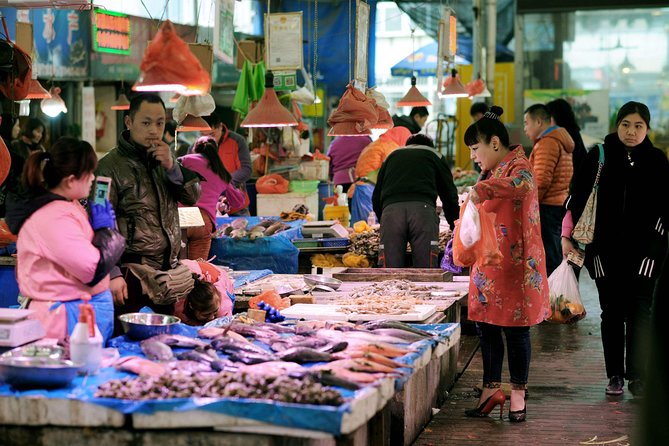
This tour starts with you meeting your guide at your hotel lobby at 10:00 am or 4:00 pm, depending on the session you choose. You’ll ride in a private car to one of Shanghai’s biggest wet markets first. That first leg matters, because it sets the “why” behind the cooking: in Chinese home cooking, ingredients are often chosen for freshness and seasonal availability, not just for a recipe list.
At the market, you don’t just wander. You taste snacks while your guide helps you pick favorites. This is where the experience becomes practical for real travelers: you learn what people actually snack on as they shop, and you start to recognize the ingredients before they ever hit a cutting board.
You’ll also move beyond the snack stalls and into the produce and seafood areas. The guidance is part of the value here. Your guide points out fresh vegetables and familiar seafood and fruits—like shrimp and hairy crabs—then explains what you’re looking at and the basic food culture behind it. Even if you’ve eaten Chinese food before, markets teach you a different way of understanding it: not as a menu item, but as a set of choices people make every day.
A key detail: the tour operates in all weather conditions. So bring practical shoes and dress for Shanghai’s day-to-day reality. Wet market floors can be uneven and busy, and comfort beats style here.
Why you’ll like this stop: it turns “Chinese food” from a vague idea into ingredients you can name and describe. That makes the cooking class feel less like entertainment and more like learning a system.
One caution: the market includes snacks and tastings. Some items may be more intense—crowd-pleasers one moment, “maybe not for everyone” the next. If you’re cautious with new textures or want fewer bites, you’ll want to slow down and communicate what you enjoy.
You can also read our reviews of more tours and experiences in Shanghai.



Shanghai Mama’s Home Kitchen: A Local-Home Feeling You Can Actually Sense
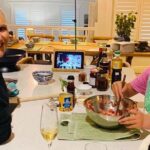
After the wet market, you head to the cooking class at the Shanghai Mama’s home. This isn’t a rented kitchen. It’s described as a typical locals’ home built in the 1950s to 1970s. That detail changes how the class feels. You’re not in a staged space meant for tourists. You’re in a living space where daily habits shape the kitchen.
Your guide walks you through what daily life looks like in that home setting. That’s not “extra chat” tacked on at the end. It helps you understand the food lesson as part of normal routines: where ingredients go, how meals are planned, and why certain flavors and techniques make sense for a household.
You’ll also get personalized attention because it’s a private class for your group. That matters more than many people expect. With a private setup, your questions can be answered in real time, and you can adapt as you go—especially if you’re the type who learns by doing, not by watching.
Why this matters for value: many cooking experiences skip the social context and jump straight into a recipe. Here, the home setting plus the life explanation gives you a more complete picture of why the food tastes the way it does.
What to watch for: home cooking kitchens can be smaller than restaurant kitchens. Move deliberately, and don’t be shy about telling your guide if you need a slower pace or clearer instructions.
The Hands-On Cooking Class: How You Learn the Chinese Meal Workflow
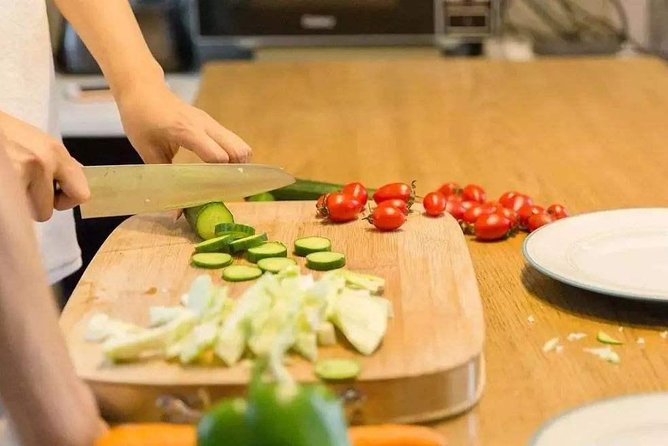
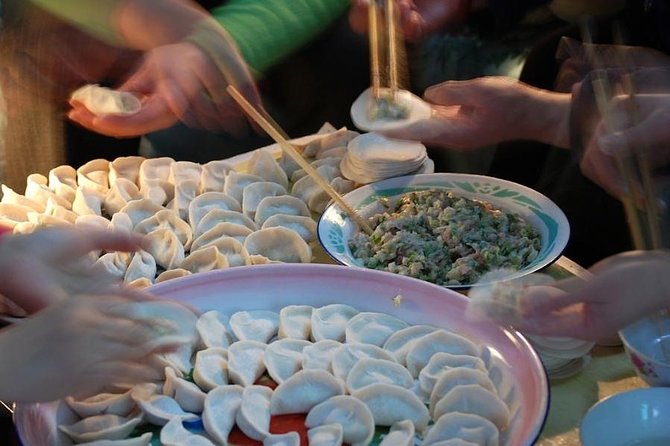
The core of the experience is your hands-on cooking lesson. The format is built around you learning how Chinese dishes come together step by step—guided by your chef-instructor and your private guide.
Here’s what you should expect the lesson to focus on, based on how the experience is framed:
- You cook using ingredients you saw and sampled at the wet market.
- Your guide supports you with explanations tied to Chinese food culture, not just techniques.
- Because the tour is private, you can ask questions and get direct help while you’re actively cooking.
Even if you’ve taken cooking classes elsewhere, this one is likely to feel more grounded because it starts from shopping and ends with a meal in the same home setting. That flow is what helps the learning stick. You won’t just remember what the dish looked like—you’ll remember why you chose the ingredients and how the cooking steps relate to the food you tasted earlier.
Another plus: the experience is designed for lively conversation after you finish cooking. That turns the cooking class into a two-way cultural exchange, not a one-direction lesson.
Lunch or Dinner You Made: Eating With Context, Not Just Hunger
After cooking, you eat lunch or dinner—depending on the session timing and what’s planned for your group. The meal is part of the included package, along with snacks at the market and bottled water.
This is one of the most satisfying parts for food travelers. In many classes, the meal is decent but it can feel like a check-the-box finale. Here, the meal lands differently because you cooked it in a real home and you already understand the ingredient story from the market.
You’ll also have time for conversation while you eat. That matters because food in China isn’t separated from everyday life. Ask questions about ingredients, meal habits, or how people think about flavor, and you’ll get answers tied to real routines rather than generic tourism scripts.
Pickup, Duration, and Getting Around: How Smooth This Plan Really Is
Time-wise, this is about 4 hours approx. That’s a very workable chunk of time. It’s long enough to feel substantial—market, cooking, and a meal—but short enough to still keep your Shanghai day flexible.
Your day starts with hotel pickup and drop-off from central Shanghai. That’s not just convenience. In a city like Shanghai, transport can eat up your energy fast. Having pickup and a private transfer keeps the experience focused on the food, not on navigating routes.
Also note the meeting window: sessions include 10:00 am and 4:00 pm. The 4:00 pm slot can be a great fit if you want a late-afternoon start and dinner that night, but the morning option can work well if you prefer to build your day around an early culinary activity.



Price and Value: What $199.11 Really Buys You
At $199.11 per person, this isn’t the cheapest cooking class you’ll find. But it also isn’t priced like a casual group demo. For the money, you get several bundled elements that usually cost extra when purchased separately:
- Private professional guide
- Home cooking class
- Hotel pickup and drop-off (central Shanghai)
- Private transfer
- Snacks at the wet market
- Lunch included (and dinner depending on your session)
- Bottled water
What makes it feel like value is that it’s not just “cook one dish.” It includes an ingredient education component through the wet market tastings, then a real home-kitchen cooking lesson, then the meal you helped create.
If you’re traveling as a couple or small group, the private format is a big advantage. You’ll get more direct help than you would in larger classes. And the home setting adds an authenticity layer that’s hard to replicate with a standard cooking workshop.
Dietary Needs and Comfort Tips: Make It Easier to Enjoy
You can request dietary requirements at booking, and there is a vegetarian option available if you advise in advance. This is important. If you have restrictions, don’t wait until arrival—request it early so your class can be planned around your needs.
For the wet market portion, wear comfortable walking shoes. You’ll be moving around more than people expect, and you’ll want your feet to stay happy.
Because the experience runs in all weather, dress for conditions. Keep a light layer if the air is cool, and plan for the possibility of rain.
Who Should Book This Private Cooking Class (and Who Might Not)
This experience is a strong match if you:
- Want an authentic Shanghai food morning or evening with a wet market start
- Like learning through doing, with private attention
- Enjoy seeing daily life in a local home setting
- Prefer included meals and simple logistics with pickup and drop-off
It might be less ideal if you:
- Strongly dislike eating multiple snack items in a row at the market
- Are looking for a large, structured, multi-dish workshop with lots of recipe handouts (this is more about home cooking and guidance than a production-style class)
Should You Book It?
My advice: book it if you want the Shanghai food story in the right order—market first, home kitchen second, meal at the end. The private format, hotel pickup, and included tastings and meal make it feel like an experience you can’t easily recreate on your own.
If you’re price-sensitive, check what other classes include. But if your goal is Chinese home cooking plus ingredient education plus a real local setting, this hits the checklist. And since it’s offered with free cancellation up to 24 hours in advance, you can book with less stress and adjust if your schedule shifts.
FAQ
How long is the private cooking class?
The experience runs for about 4 hours.
What time do I need to meet my guide?
Your guide meets you at your hotel lobby at 10:00 am or 4:00 pm, depending on the session.
Does the price include the market snacks and the meal?
Yes. Snacks at the wet market, bottled water, and lunch or dinner are included.
Is hotel pickup and drop-off provided?
Yes, hotel pickup and drop-off from central Shanghai are included.
Is this a private tour or a shared group?
It’s a private tour/activity, and only your group will participate.
Can I request a vegetarian option?
Yes. A vegetarian option is available if you advise at the time of booking.
What if I need to cancel?
You can cancel for a full refund if you cancel at least 24 hours before the experience’s start time.