REVIEW · BEIJING
Flavors of Beijing: Eat Like A Real Chinese
Book on Viator →Operated by Urban Passer · Bookable on Viator
Food with real Beijing energy.
This is a small-group Beijing cooking class that starts with a market tour to pick fresh ingredients, then moves into a family home in a hutong for hands-on cooking and a proper sit-down meal. You get a guide who explains what matters and why, not just a lesson where you stand and watch.
I especially like the ingredient hunting. You walk through stalls, spot items you might not recognize, and learn how chefs decide what goes into the wok. I also like the teaching style: Chef Chao is patient, explains spice and seasoning choices clearly, and shows you how to work with a wok and a cleaver while you make the dishes.
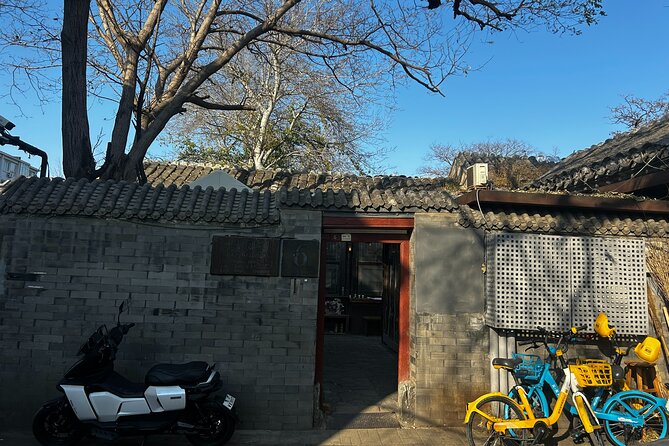
One possible drawback: this is inside a home-kitchen setup, and it can feel hot—especially in summer. Also, there may not be obvious signage at the address, so you’ll want to follow the numbered location carefully rather than guessing from a street sign.
In This Review
- Key highlights worth planning around
- Finding Your Way to Jiu Gu Lou for a Food-First Afternoon
- Bell and Drum Towers to Great Leap Brewery: A Walking Route You Can Taste
- Market Tour: Choosing Ingredients Like a Chef (Not Like a Tourist)
- Condiments Class: The Flavor Map Before the Wok
- Cooking in a Hutong Home: Woks, Cleavers, and Hands-On Steps
- What dishes you might make (menu changes daily)
- Vegetarian Options: A True Meat-Free Day, Not Just a Swap
- Your Feast at the Family Table: Eating What You Made
- Price and Value: Is $99 Fair for Beijing Cooking?
- Who Should Book This Cooking Class in Beijing?
- Practical Tips to Make the Day Go Smoothly
- Should You Book Flavors of Beijing: Eat Like A Real Chinese?
- FAQ
- What is the duration of this Beijing cooking class?
- Where does the tour start?
- What time does it begin?
- How big is the group?
- What’s included in the price?
- Is hotel pickup included?
- Are drinks or beer included?
- Is there a vegetarian option?
- Will I receive confirmation after booking?
- Can I cancel for a refund?
Key highlights worth planning around
- Market tour for ingredients so you cook with what you actually choose
- Chef Chao’s calm, clear instruction while you practice cooking techniques
- Condiments class first so the flavor makes sense before the stove work
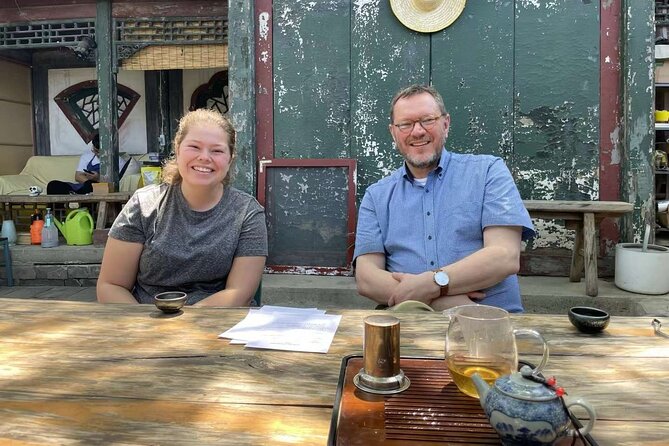
- Hutong home setting for a more local, less staged meal
- Vegetarian day options with an entirely meat-free menu on the selected schedule
- A feast at the family table after you finish cooking
Finding Your Way to Jiu Gu Lou for a Food-First Afternoon
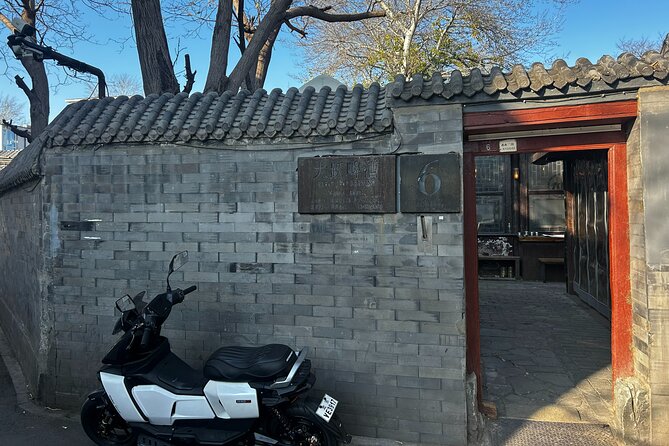
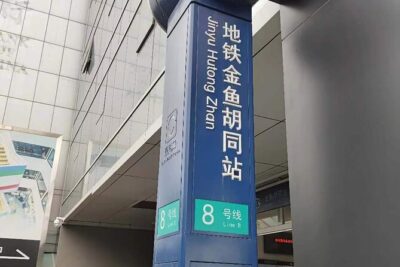
Start time is 12:00 pm, and the meeting point is near Subway Line 8W9VV+CH4 at Jiu Gu Lou Da Jie, Xi Cheng Qu (100035). You don’t get hotel pickup, but the route is described as near public transportation, which matters in Beijing where door-to-door transfers can waste time.
Plan on using your phone map and walking from the subway exit. The schedule is built for a food day: market first, then cooking, then eating, with a route through several well-known nearby spots along the way. If you’re the type who likes to take your time with photos, wear comfy shoes and don’t schedule anything tight right afterward.
You can also read our reviews of more tours and experiences in Beijing.


Bell and Drum Towers to Great Leap Brewery: A Walking Route You Can Taste
Even though the day is about food, you don’t just move in straight lines. You’ll pass by or stop near several sights and streets, including Bell and Drum Towers, Yandai Xie Street, Yinding Bridge, and Songzhu Temple & Zhizhu Temple.
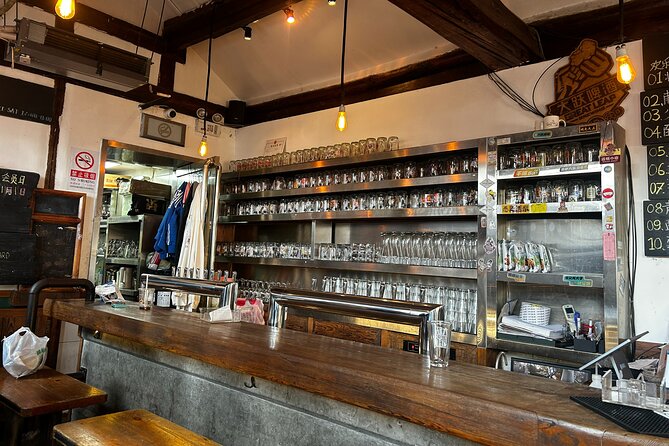
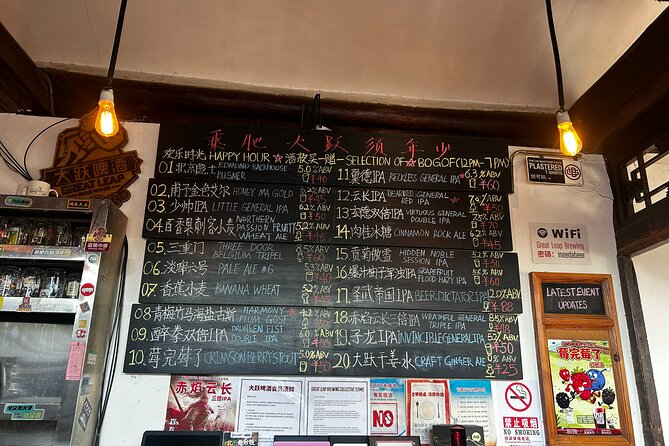
There’s also a stop connected to Great Leap Brewing Original #6. Beer isn’t included, so think of this as a photo-and-stroll moment, not a free drink pit stop. If you want beer later, you can plan it on your own schedule after the class.
Why this matters: Beijing food culture isn’t separate from the city streets. The walking bits help you understand the neighborhood rhythm before you enter the kitchen portion of the day.
Market Tour: Choosing Ingredients Like a Chef (Not Like a Tourist)
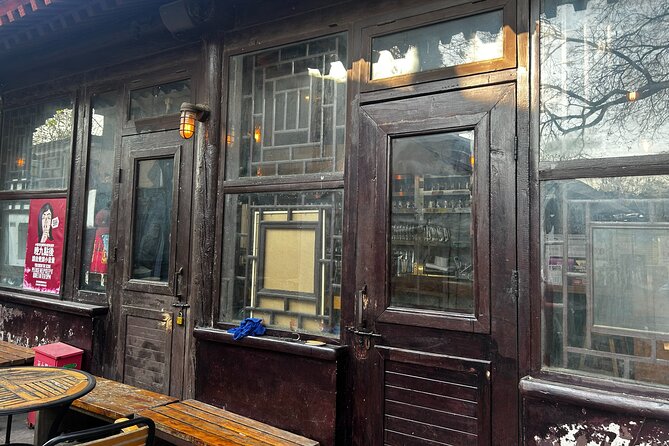
The market part is where this tour earns its reputation. You’ll browse stalls with fresh produce, meat, and pantry ingredients while your guide points out what to look for and how different items behave in cooking.
A big win here is that the ingredients you buy are included. That removes one of the most annoying parts of market tours: trying to translate prices and quantities while guessing what you’ll actually use. You can focus on quality and selection.
Also, you’ll learn how to spot items based on cooking needs. For example, you don’t just see vegetables—you get told what flavors and textures they contribute once they hit the wok, steamer, or pan. This is the kind of information you can use long after the trip.
Condiments Class: The Flavor Map Before the Wok
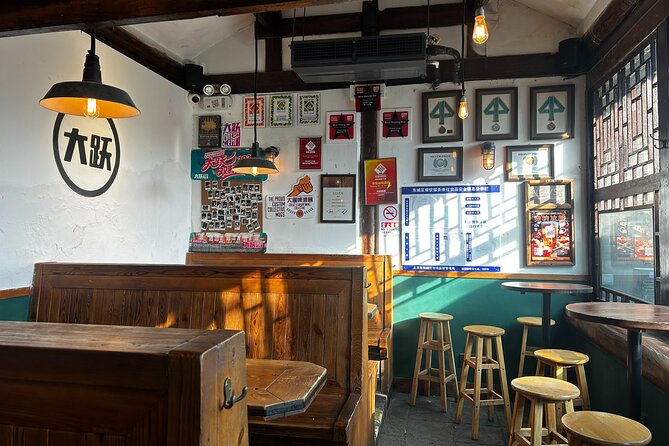
After the market, you head to the family home kitchen and start with condiments. This isn’t a random side lesson. It’s the part that explains how Chinese flavor gets built in layers: sauces, seasonings, and the small choices that change a dish from bland to balanced.
You’ll get instruction on what seasonings do and how they work with the ingredients you selected. If you’ve ever cooked Chinese food at home and felt like something was missing, this is the section that helps fix that feeling. The goal is to give you a practical flavor system, not just a list of ingredients.
And yes, you’ll be doing real prep work, so you can connect the condiments to what you’ll cook next.
Cooking in a Hutong Home: Woks, Cleavers, and Hands-On Steps
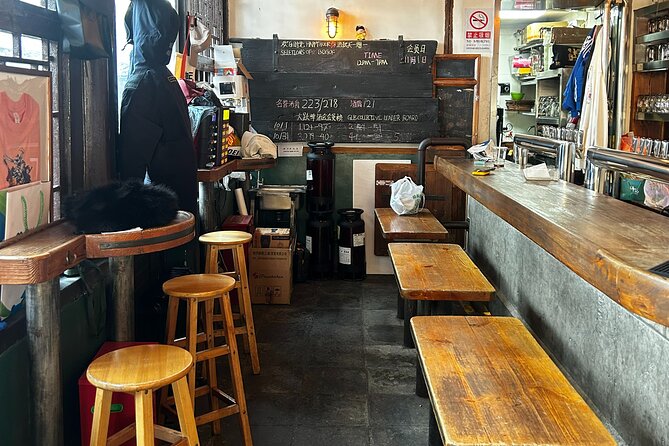
The cooking happens in a cozy home setting along hutong alleyways, which gives the day a very different mood than a cooking school classroom. You’ll be guided by Chef Chao and the home team, and you’ll get to practice key techniques rather than just assembling dishes.
You’ll use both woks and cleavers, and you’ll learn how to handle fast prep in a kitchen pace that feels like real life. Knife work can be a highlight for people who enjoy cooking skills; at the very least, it makes the whole class more satisfying because you’re not relying on someone else to do all the chopping.


What dishes you might make (menu changes daily)
The menu changes daily, with one vegetarian day. Depending on the day’s menu, you’ll prepare things like:
- Dim sum (small steamed dumplings), including items such as barbecued pork buns, plus stir-fried noodles and sesame rolls
- Hearty mains inspired by different Chinese cooking styles, such as stewed/steamed ginger fish, sweet and sour pork, and stir-fried chili beef
You’ll also likely learn how to steam, stir-fry, and cook dumpling fillings properly. The day is set up so you get technique plus results—so you’re not left guessing what went wrong if a dough or filling doesn’t behave.
Vegetarian Options: A True Meat-Free Day, Not Just a Swap
This experience includes at least one vegetarian dish each day, and there’s a selected vegetarian day where you can prepare an entirely meat-free menu.
If vegetarian is important to you, this is one of the clearer options in Beijing for actually getting a full cooking experience rather than a token side dish. If your dietary needs are stricter than vegetarian, communicate it at booking so the chef can plan accordingly. The key is that the menu approach is designed around daily rotation, including a meat-free option on schedule.
Your Feast at the Family Table: Eating What You Made
Once the cooking is done, you sit down and eat. This isn’t a buffet-style stop-and-go meal. You’ll enjoy the dishes at a family table while you chat with your guide and group.
This is also where the day becomes memorable in a different way: you get to taste the exact results of the condiments and techniques you practiced. If you’re learning dumplings, this part matters most, because dumpling outcomes can vary dramatically based on dough thickness, sealing, and cooking method. Here, you get to compare everything you worked for in one meal.
You may also receive recipe notes to take home, which is ideal if you want to recreate your best dish later without trying to reverse-engineer the flavors.
Price and Value: Is $99 Fair for Beijing Cooking?
At $99 per person, you’re paying for more than “someone teaches you to cook.” You’re paying for:
- A market tour where you select ingredients
- Ingredients and equipment included
- A condiments class
- A small-group kitchen experience (max 12 travelers)
Hotel pickup isn’t included, but the meeting point is near public transit, which helps keep the price focused on the food experience rather than transportation.
For many people, the value comes from the combination: market choice + practical technique + a full meal you didn’t have to plan or pay for separately. If you want a cooking class that feels local and results in a real banquet, this pricing fits that goal better than classes that only provide one dish and a short demo.
Who Should Book This Cooking Class in Beijing?
This tour fits best if you:
- Want a real food market experience, not just a photo walk
- Enjoy learning hands-on cooking skills like wok work and dumpling technique
- Like small-group classes where you can ask questions without getting lost in a crowd
- Want to eat in a hutong home setting, which changes the whole tone of the day
It may be less ideal if you:
- Hate hot kitchens during cooking prep days
- Prefer heavily “signposted” meeting places and very rigid, large-factory-style tours
- Have a tight schedule where a half-day walking + cooking plan leaves no buffer
Practical Tips to Make the Day Go Smoothly
A few things can make a big difference:
- Follow the numbered address carefully. There may not be obvious outdoor signage.
- Wear shoes you can walk in comfortably. The day includes market walking plus neighborhood walking.
- Bring a small tote or bag for any extra items you might want at the market.
- If you’re sensitive to heat, plan water and wear breathable clothes.
Also, since the class includes condiments and cooking, come ready to work with your hands. The more you jump in on prep, the more you’ll remember later.
Should You Book Flavors of Beijing: Eat Like A Real Chinese?
Book it if you want a Beijing food experience that mixes markets, condiments, and real cooking results in a hutong home. The highest-value part is the combination of market ingredient selection and Chef Chao’s hands-on teaching, plus the fact that you eat what you make at the end.
Pass or look for a different option if you only want a quick demo, you dislike warm indoor cooking environments, or you need a tour with very obvious meeting-place signage.
If you’re building your Beijing itinerary around eating well and learning enough to cook at home later, this is one of the most satisfying ways to spend a half day.
FAQ
What is the duration of this Beijing cooking class?
The cooking class portion is described as about 5 hours, while the activity listing shows around 3 hours.
Where does the tour start?
It starts at the meeting point near Subway Line 8W9VV+CH4, Jiu Gu Lou Da Jie, Xi Cheng Qu, Beijing 100035.
What time does it begin?
It starts at 12:00 pm.
How big is the group?
The group maximum is 12 travelers.
What’s included in the price?
It includes food tasting, a local food market tour, and a professional English-speaking tour guide. Ingredients and equipment are also included for cooking.
Is hotel pickup included?
No, hotel pickup and drop-off are not included.
Are drinks or beer included?
Beer or drinks at Great Leap Brewing Original #6 are not included.
Is there a vegetarian option?
Yes. There is a vegetarian menu option on a selected day, and at least one vegetarian dish is prepared each day.
Will I receive confirmation after booking?
You’ll receive confirmation at the time of booking.
Can I cancel for a refund?
You can cancel for a full refund up to 24 hours in advance of the experience’s start time.